REVIEW · BOROBUDUR
“Java’s Cultural Heritage: Borobudur and Prambanan Tour”
Book on GetYourGuide →Operated by BY-U Tour and Travel Jogjakarta · Bookable on GetYourGuide
Two temple icons in one long day. I like how this tour turns UNESCO-level Borobudur and Prambanan into a story you can follow, not just a photo stop. I also like the practical side: small group size, air-conditioned transport, and real help getting the entrance tickets so you spend your time looking. One thing to consider: it’s a full 10 hours with plenty of visiting time, and it’s not listed as suitable for people over 70.
You’ll get hotel pickup and drop-off at the same place, plus two pickup/drop-off options tied to Yogyakarta. The day is built around a guided visit at Borobudur, then Prambanan with time for sunset-style viewing and a self-guided stretch. One more note: depending on the ticket option you choose, entrance tickets may or may not be included.
In This Review
- Key points to know before you go
- UNESCO temples, built nine centuries apart
- Entering Borobudur: the temple as a map of the universe
- Prambanan: Rorojonggrang and the Shiva house story
- Ticket choices and why they matter for your budget
- The guide makes the difference: Holly and Hari
- A smooth 10-hour flow: what you actually do each leg
- What you’re paying for (and where the value comes from)
- Rules, comfort, and who should consider passing
- Should you book this Borobudur and Prambanan tour?
- FAQ
- How long is the Borobudur and Prambanan tour?
- Where do you get picked up and dropped off?
- Which temples are visited?
- Is there an English-speaking guide?
- Are entrance tickets included?
- How big is the group?
- Are drones and alcohol allowed?
- Is free cancellation available?
Key points to know before you go
- Small group (up to 15): more attention from the English-speaking guide/driver.
- UNESCO sites: Borobudur and Prambanan both carry World Heritage recognition.
- Guided structure at Borobudur: you’ll learn what the temple layout means in Buddhist cosmology.
- Prambanan is huge for a reason: learn why it’s linked to the Trimurti (Brahma, Vishnu, Shiva).
- Ticket help included: assistance to buy and book entrance tickets on site.
- Not a drone day: drones and alcohol/drugs aren’t allowed.
UNESCO temples, built nine centuries apart
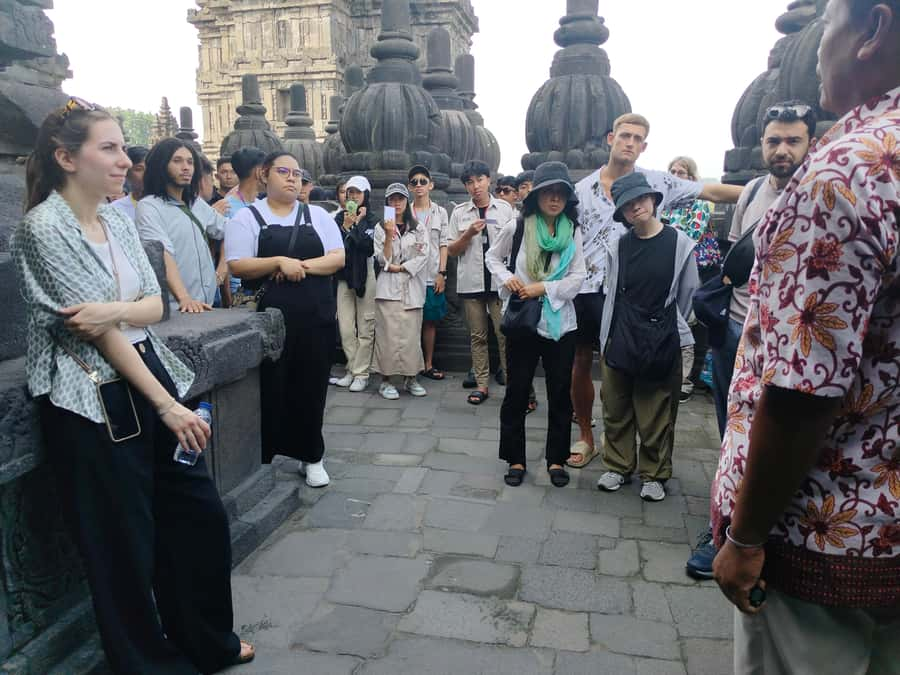
This is the kind of day trip that makes sense in Java: you hit two mega-religious sites that both trace back to the old Mataram era, and you do it with a plan. You’re not renting a scooter, guessing transit, or hunting for tickets. You show up for pickup, climb into an air-conditioned vehicle, and then spend the hours where it matters—at the temples.
I like how the tour keeps the focus simple. Borobudur first, then Prambanan later in the day. There’s a scenic drive between them, plus photo stops along the way. The pace isn’t “wander for half a day and hope you’re oriented.” It’s timed: about 1.5 hours for Borobudur and about 2 hours at Prambanan.
Also, this is explicitly a small-group tour limited to 15 people, which matters at sites like these. When the guide can actually talk to the group and you can move together, you learn more and you lose fewer minutes.
Entering Borobudur: the temple as a map of the universe
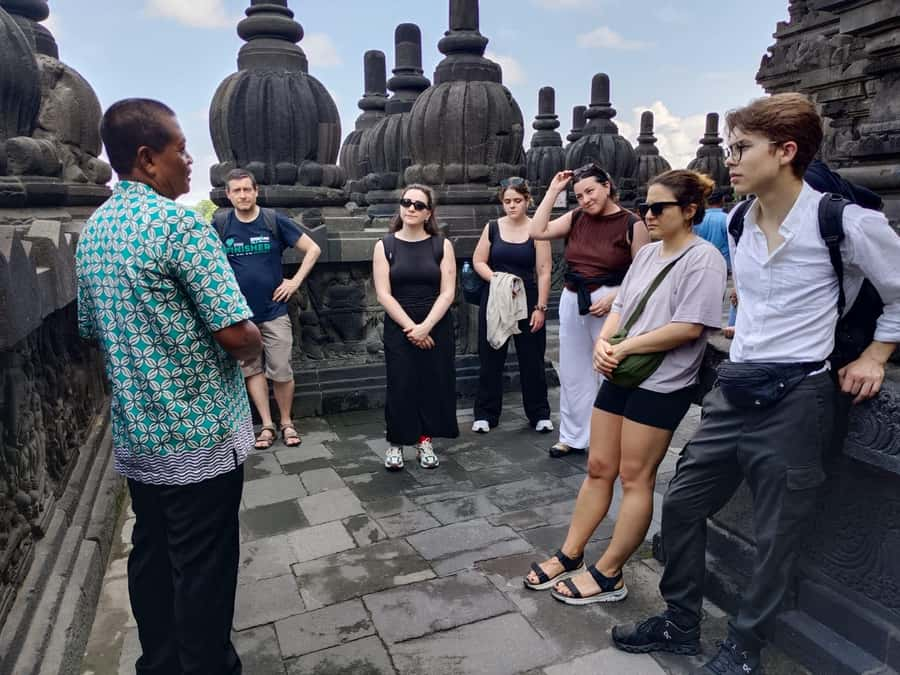
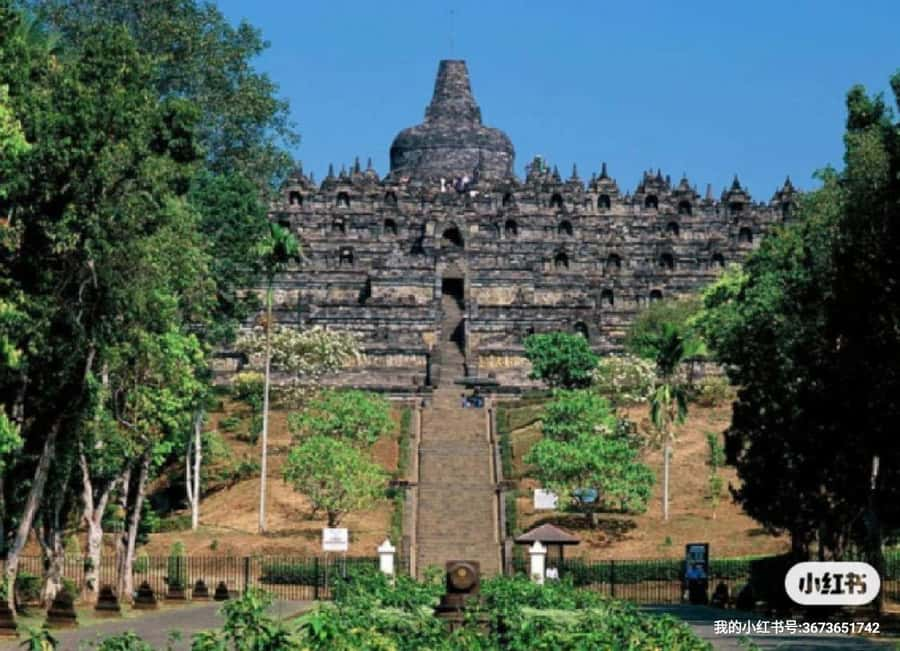
Borobudur is one of those places where the details don’t feel accidental. The tour’s guided approach is the right way to see it because the architecture is doing the teaching. Borobudur was built about nine centuries ago by the Syailendra dynasty, and it follows Javanese Buddhist architectural design.
Here’s the layout your guide helps you read: Borobudur has three main vertical layers—base, body, and structure—and it’s also often explained as moving through three spheres in Buddhist cosmology: kamadhatu, rupadhatu, and arupadhatu. It’s a physical model of how the universe is imagined in Buddhist thought. That’s not trivia. When you understand the logic, the stairs/terraces and levels stop looking random.
Visually, the temple is described as:
- a pyramid base with five concentric square terraces
- a cone-shaped trunk with three circular platforms
- a top with a monumental stupa
The walls and balustrades are decorated with fine low reliefs, meaning the artwork is carved close to the surface. With a guide, you’re more likely to notice what you’re looking at instead of just admiring the size.
One more practical point: Borobudur was restored by UNESCO in the 1970s. That restoration history is part of why you can visit it today in a way that still feels coherent, not like a collapsed archaeology site. The guide’s job is to help you see how the design still communicates meaning—despite time, wear, and restoration.
The tour includes a photo stop and then a guided visit with sightseeing and walking time. If you’re the type who likes structure (and who hates getting lost), this timed format is a good match.
Prambanan: Rorojonggrang and the Shiva house story
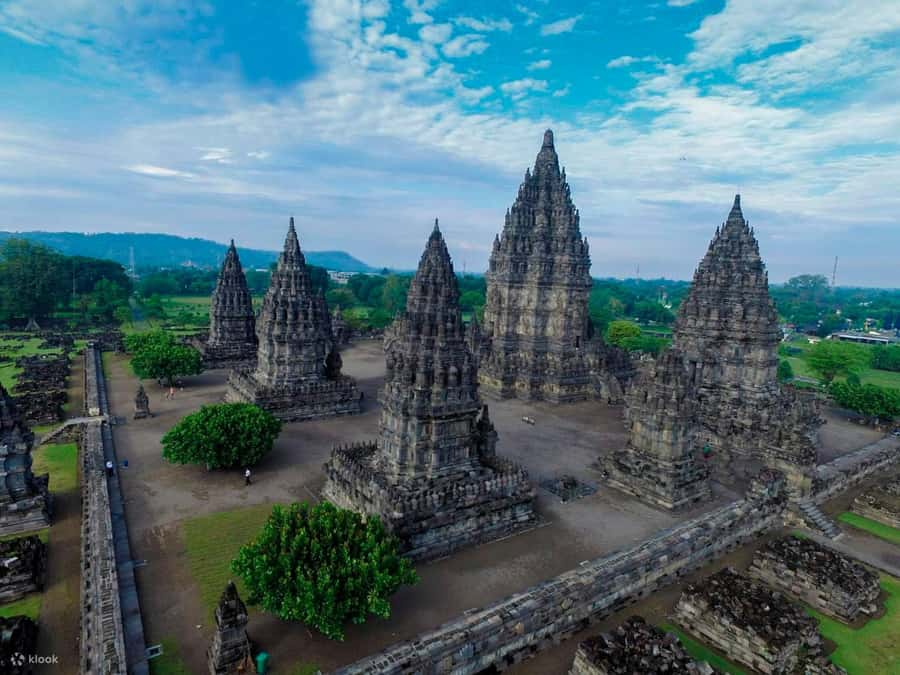
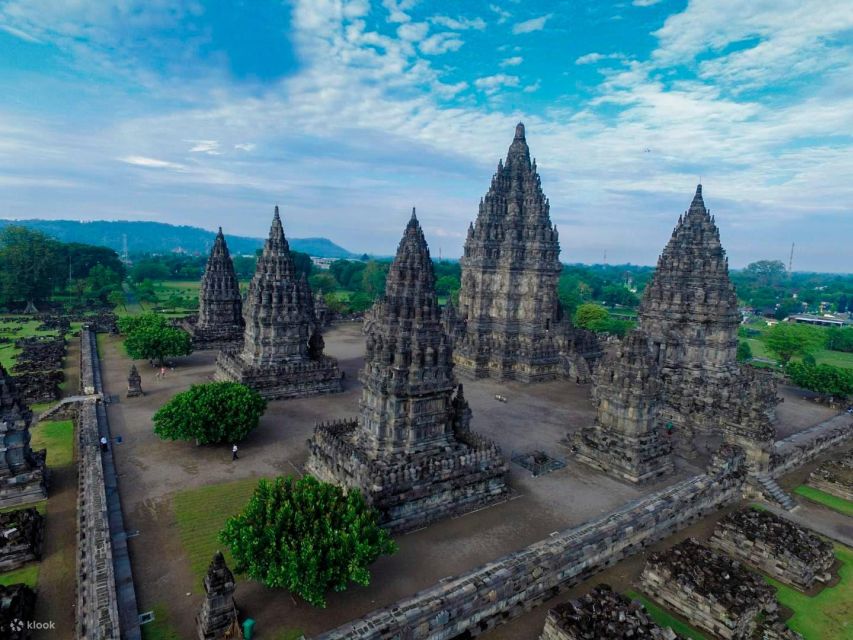
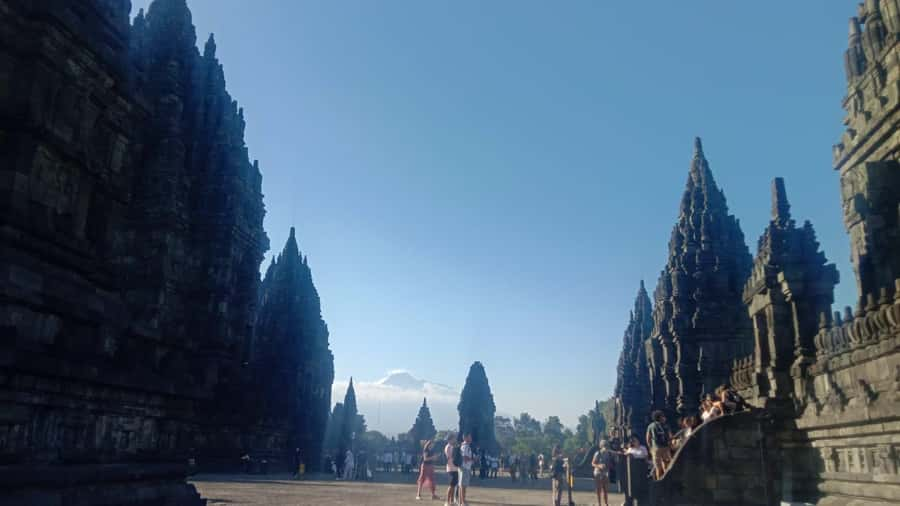
After Borobudur, the day shifts to a different spiritual universe. Prambanan is a Hindu temple complex, and it’s also known as Rorojonggrang. It’s described as the largest Hindu temple in Indonesia, built around the Mataram or Medang Kingdom period in the ninth century.
This site connects to a specific story through an inscription. According to the Siwagrha inscription, the temple’s original name was Siwagrha temple. In Sanskrit, that translates to Shiva house. So when you look at the complex, you’re not just seeing big stone buildings—you’re looking at a place built as an offering to the Trimurti: Brahma, Vishnu, and Shiva.
The tour gives you both a guided and a self-guided component here. You’ll get time for photo stops and visiting, with sightseeing and a sunset element. Then there’s also time to explore on your own. That split is smart. A guide can explain what you’re seeing and why. Self-guided time lets you slow down, find the best angles, and linger if something catches your eye.
Prambanan is also a UNESCO World Heritage site, and it’s often praised as among the most beautiful temples in Southeast Asia. The best way to treat that claim is simple: don’t just look at scale. Look for symmetry, the religious symbolism, and the way the complex feels designed as a whole, not a set of random buildings.
There’s also an arts and crafts market visit included. That’s not just shopping time. It’s a chance to see how local artisans sell work that fits the region’s temple culture—useful if you want souvenirs that feel connected to what you just saw.
Ticket choices and why they matter for your budget
Here’s the one area where you need to pay attention before you book: tickets are included in some packages and not in others.
You’ll see three options:
- Option 1: a package that includes all tickets
- Option 2: Prambanan included tickets
- Option 3: sharing all entrance ticket (but entrance ticket is not included)
So even if the price looks like $15 per person, your real cost depends on which ticket setup you choose. This is also where the tour’s “ticket help” becomes valuable. The tour includes full assistance to buy and even book entrance tickets, with help on the site.
That’s practical for you in two ways:
- You don’t waste time figuring out ticket logistics in an environment where instructions might be confusing if you’re not used to it.
- You reduce the risk of showing up and discovering you chose the wrong ticket category.
The tour also mentions skip-the-ticket-line. Even if the exact experience varies by day, the intention is clear: fewer delays, more temple time.
The guide makes the difference: Holly and Hari
The strongest part of this experience is how well the guides handle communication and small real-world moments. In reviews, I saw repeated praise for guides who were responsive and prepared—especially when people had requests.
One review called out Holly for organization and friendliness. Another credited Hari with a super experience, including that he was a fast, effective communicator the day before and that he spoke very well in English. There was also a German review that highlighted how the guide handled different requests well.
This matters because Borobudur and Prambanan are not just “big.” They’re concept-heavy. Without guidance, you can walk around impressive stone and still miss the meaning. With an English guide, you stand a much better chance of understanding what you’re seeing—like how Borobudur’s divisions relate to Buddhist cosmology, or how Prambanan links back to the Trimurti through the Shiva house origin story.
One review had a constructive note: lunch suggestions could be improved. That’s a fair heads-up for you. The tour includes mineral water, but it doesn’t guarantee that lunch planning is perfect. If you have dietary needs, it’s worth asking your driver/guide what’s practical before the day gets going.
A smooth 10-hour flow: what you actually do each leg
The day is built around two main temple blocks, with travel and scenery in between.
Pickup and travel: You get picked up from your selected spot and head out in an air-conditioned vehicle. The day runs about 10 hours, which is long enough to see both sites properly without feeling rushed, as long as you’re ready for a full schedule.
Borobudur block (~1.5 hours): You’ll have a photo stop, then visit with a guided tour and sightseeing. The itinerary explicitly includes walking and scenic views on the way. This is a good amount of time to cover the overall design and the key storytelling points, especially the base/body/top logic and the three-sphere concept.
Drive to Prambanan: Expect scenic views during the drive. There are also photo stops along the way, which helps you get a few moments to breathe and reset before the second complex.
Prambanan block (~2 hours): You’ll start with photo stops and visiting, then get time with a sunset angle included in the plan. There’s also self-guided exploring so you can linger at your preferred viewpoints. The arts and crafts market visit rounds out the block nicely if you want something tangible at the end of the tour.
Small group travel keeps this from feeling chaotic. You’ll go where the plan goes, but you still get time to experience, not just rush.
What you’re paying for (and where the value comes from)
At around $15, this tour can feel like a bargain—if you choose the ticket option that matches your expectations. The value isn’t only that you’re visiting UNESCO temples. It’s the bundle of support.
Here’s what’s included in the tour facilities list:
- Travel insurance
- Hotel pickup and drop-off at the same place
- Air-conditioned vehicle
- Mineral water
- Gasoline and parking fees
- English-speaking driver
- Full assistance to buy and book entrance tickets
- Wheelchair accessible
- Live tour guide in English
- Small group limit (up to 15)
If you’ve ever tried to manage tickets and transport independently in a new city, you know the hidden cost is time. This tour trades your time for support. That’s a smart move if you want to focus on the temples instead of admin.
Also, the reviews give a strong hint about quality control: people praised the guides and drivers for being punctual, helpful, and communicative. One review specifically mentioned quick communication the evening before and that the driver was punctual.
That doesn’t mean every day is perfect. But it does mean you’re more likely to get a smooth day, which is half the battle on long sightseeing schedules.
Rules, comfort, and who should consider passing
The tour has clear temple rules: no drones, and no alcohol or drugs. It’s standard, but it’s good to know ahead of time so you don’t bring something you can’t use.
Comfort-wise, you should think about stamina rather than just “Is it walking?” The tour includes walking and timed temple visits, plus scenic drives. So bring comfortable shoes and plan to stay flexible.
There’s one important limitation: it’s not listed as suitable for people over 70. Even if you’re mobile, it’s still worth respecting that note because it signals the day may involve physical effort that the operator doesn’t want to gamble on.
On the positive side, it does state wheelchair accessible. If you use a wheelchair, that’s a key point.
Should you book this Borobudur and Prambanan tour?
Book it if you want:
- a small-group day with an English live guide
- guided explanations that help you understand Borobudur’s design and Prambanan’s religious origin story
- practical ticket help, so you don’t burn time on logistics
- a structured schedule that covers both sites in one day
Skip or reconsider if:
- you want a fully self-paced, slow travel day (this is timed)
- you’re sensitive to long days and a lot of visiting
- you’re in the group the operator says isn’t suitable (people over 70)
My take: this tour earns its value when you use the guidance well. If you ask questions, pay attention to the temple layout stories, and plan your timing, you’ll leave with more than pictures. You’ll leave with a mental map of why these places were built the way they were.
FAQ
How long is the Borobudur and Prambanan tour?
The duration is listed as 10 hours.
Where do you get picked up and dropped off?
Pickup (and drop-off) options include New Yogyakarta International Airport Railway Station and MALIOBORO JOGJAKARTA. Hotel pickup and drop-off at the same place is also included.
Which temples are visited?
The tour includes Borobudur and Prambanan temples.
Is there an English-speaking guide?
Yes. The tour includes a live tour guide in English, and it also lists an English-speaking driver.
Are entrance tickets included?
It depends on the option you choose. The tour offers three setups: all tickets included, Prambanan tickets included, or shared entrance where entrance ticket is not included.
How big is the group?
It’s a small group limited to 15 participants.
Are drones and alcohol allowed?
No. Drones are not allowed, and alcohol and drugs are not allowed.
Is free cancellation available?
Yes. You can cancel up to 24 hours in advance for a full refund.