REVIEW · GUWAHATI
Kamakhya Heritage Walking Tour
Book on Viator →Operated by Kamakhya Walks · Bookable on Viator
One walk can explain the whole Kamakhya myth. This Kamakhya Heritage Walking Tour in Guwahati is a tight, two-hour way to get spiritual and cultural context around the Maa Kamakhya Temple, with Prasenjit guiding the story. I like that it focuses on the temple’s meaning beyond just photos, especially the 10 Mahavidyas and how their significance shows up in local belief. I also like the practical feel of the tour: bottled water is included, the pace stays manageable, and you’re not left to figure out the symbolism on your own.
One key consideration: the tour price does not include entry for darshan, including access related to the sanctum santorum. You’ll need to plan for an extra ₹501 per person if you want that part.
In This Review
- Key Highlights to Know Before You Go
- Getting Oriented at Maa Kamakhya Temple in Guwahati
- The Story Behind the 10 Mahavidyas (and Why It’s Not Just Academic)
- What You’ll See During the Walk (Beyond the Main Photos)
- Prasenjit’s Guiding Style and How It Helps You Pay Attention
- Price and Value: What ₹501 Changes
- Tickets, Timing, and Staying Comfortable for the 2-Hour Walk
- Who Should Book This Walk (and Who Might Skip It)
- Should You Book Kamakhya Walks?
- FAQ
- How long is the Kamakhya Heritage Walking Tour?
- Where is the meeting point?
- Does the tour include temple entry or darshan?
- How much is the extra fee for darshan/sanctum entry?
- What is included in the price?
- What is not included?
- Is it a private tour?
- Is the ticket mobile?
- What if the weather is bad?
Key Highlights to Know Before You Go
- Mobile ticket for easier check-in at the start
- Bottled water + a walk leader included in the price
- Focus on the 10 Mahavidyas, explained with context you can actually use
- Private group experience so your guide can answer questions without rushing
- Start/end at Maa Kamakhya Temple, which helps you time darshan
- 2 hours total, so it works well even with a short visit to Guwahati
Getting Oriented at Maa Kamakhya Temple in Guwahati
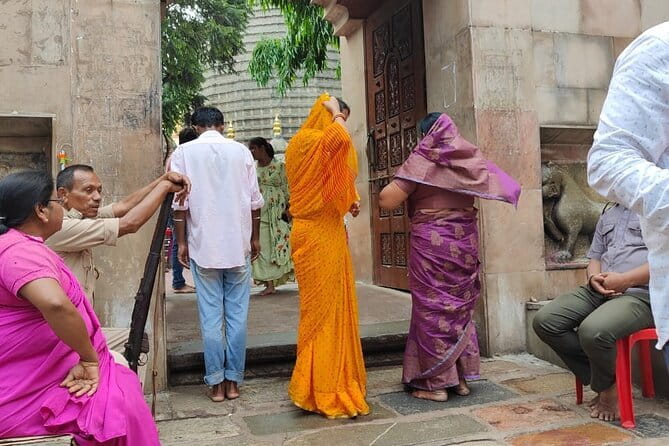
This tour is built around one anchor point: Maa Kamakhya Temple. You start at Kamakhya Temple itself and finish right back at the meeting point, so you’re not stuck hunting for your way out after the walk. It’s also handy that the meeting spot is listed as near public transportation, which matters in a city where plans can change fast.
The time window matters too. The activity runs within 8:00 AM to 4:00 PM, seven days a week. That gives you options: go early if you want cooler conditions, or choose later if your day is already packed. Either way, the structure is simple—walk, learn, then you’re positioned to continue with whatever you want to do next at the temple complex.
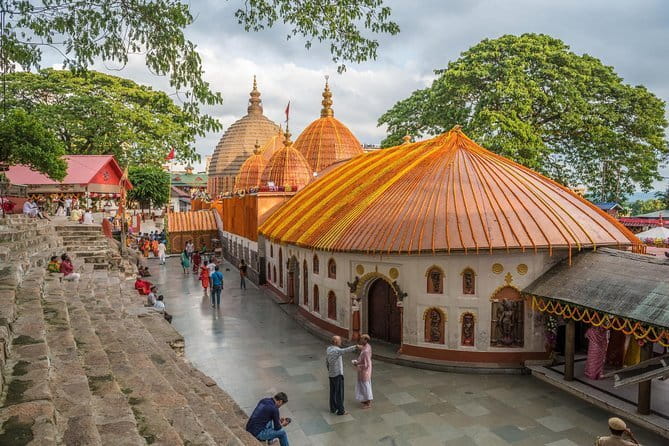
And yes, you’ll likely feel the difference between going in and going in with context. Kamakhya isn’t just a building. The temple sits on Nilachal Hill, and the whole area has layers of mythology, ritual practice, and symbolism tied to worship there. A guided walk helps you catch those layers without needing a crash course beforehand.
The Story Behind the 10 Mahavidyas (and Why It’s Not Just Academic)
A major reason this works is that the guide spends real time on the 10 Mahavidyas—the Ten Great Wisdoms, also called Dasha Mahavidyas—and their significance in the Kamakhya tradition. If you’ve ever stood in front of a sacred site and thought, I get that it matters, but I don’t know why it matters, this is the cure.
Here’s what you’re getting in plain terms:
- You learn how these ten divine aspects fit into the temple’s mythology and spiritual framing.
- You connect those ideas to what you see around the temple grounds and the kinds of rituals connected to the site.
- You come away with a mental map that makes later reading, later conversations, and later darshan feel less confusing.
It’s also one of those topics that can go either way on tours. Some guides speed through it like a list. This one is designed to help you understand meaning and relationships—so you’re not just memorizing names, but understanding why they show up in the way locals talk about and experience the temple.
What You’ll See During the Walk (Beyond the Main Photos)
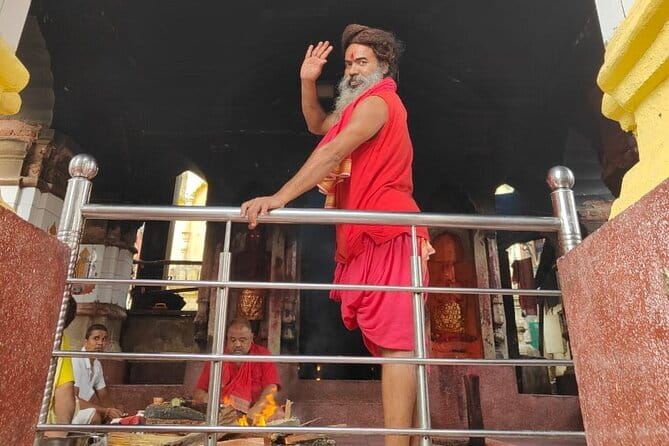
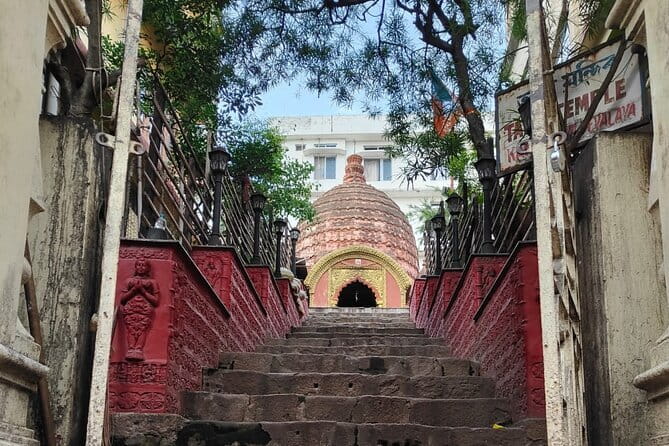
The walking part covers the area around Kamakhya Temple, with attention to the temple’s spiritual and cultural setting. You’re not doing a huge circuit into random streets. Instead, the tour keeps you close to the temple’s world so the guide can link what’s happening with what it represents.
The itinerary focus is centered on:
- The temple’s spiritual significance
- The historical and cultural angles that shape local tradition
- Architectural features you can recognize once someone points out what to look for
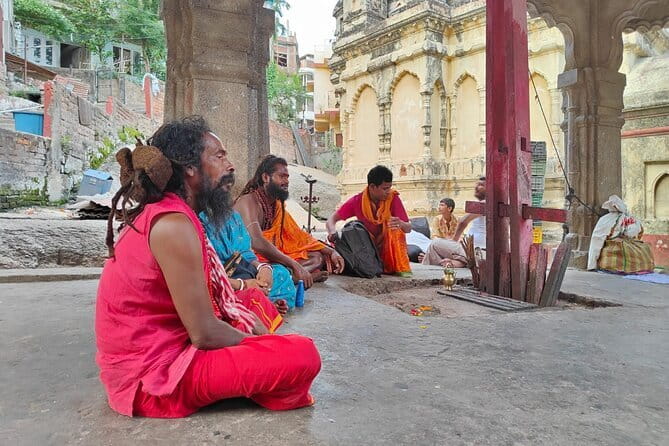
- The vibrant reality of rituals performed in the area
Now, a quick reality check: the tour is about 2 hours, so you shouldn’t expect it to cover every nook of the larger temple complex in full detail. Think of it as orientation plus story. It’s enough to make your visit smarter and more meaningful, but it won’t replace a longer temple day if you want to linger and explore every side shrine at your own pace.
Prasenjit’s Guiding Style and How It Helps You Pay Attention
One name shows up again and again in the positive feedback: Prasenjit. The consistent theme is that he’s patient, careful with pacing, and good at turning a lot of temple context into stories you can actually hold onto.
Two practical ways that shows up for you:
- You’re more likely to ask questions because the guide creates breathing room, not a hurry-up lecture.
- Explanations feel connected to what you’re standing near, so you’re not stuck with abstract notes you can’t picture.
There’s also something I really value for any temple experience: flexibility. If your schedule is tight or your timing is uncertain, the guide adjusting the start time (when possible) can make the difference between a visit that works and a visit that’s stressful. That kind of coordination is quietly important, especially when darshan plans might be part of your motivation.
And the overall effect: the guide helps you go from standing there watching a busy sacred place to understanding the symbols, the reason people are doing what they’re doing, and why the site carries so much meaning for locals.
Price and Value: What ₹501 Changes
The tour price is $27.97 per person, and it’s positioned as a guided heritage experience with bottled water and a walk leader included. That pricing matters because it covers time, interpretation, and the effort of translating temple symbolism into something you can grasp in a short window.
But there’s a big line item to factor in:
- Entry fee for entering the sanctum santorum or darshan is not included
- The listed cost is ₹501 per person
So your true budget is the tour price plus the darshan entry fee if you want that access. For me, this is the only part that can surprise people. If your main goal is darshan and you assume it’s included, you’ll end up paying extra at the gate or during the process.
Still, the structure can be smart. Doing a guided walk first can help you understand what you’re about to experience in darshan. If you’re going to pay that extra fee anyway, the guide’s context may make the darshan itself feel more purposeful.
Tickets, Timing, and Staying Comfortable for the 2-Hour Walk
This experience uses a mobile ticket, which is usually the simplest format—less paperwork, less fumbling, and fewer chances of missing something. You’ll also receive confirmation at the time of booking, so you’re not left waiting for a last-minute message.
Duration is approximately 2 hours, which is a strong fit for three types of travel days:
- First-time Guwahati visits when you want a focused activity
- Temples-on-the-clock schedules (you still need time for darshan afterward)
- People who prefer guided orientation over self-guided wandering
You also have a weather note to keep in mind. The tour requires good weather. If weather becomes an issue, you’ll be offered a different date or a full refund. In practical terms, that means you should avoid locking your whole day around a single rigid plan when you can.
Lastly, note what’s not included: private transportation and parking fees. If you’re coming by car or hiring a driver, budget for those local costs. If you’re using public transit, the tour starting point being near transportation is helpful.
Who Should Book This Walk (and Who Might Skip It)

This tour is a good match if you:
- Want spiritual and cultural context rather than just a photo stop
- Like learning about symbolism (especially the 10 Mahavidyas) in a structured way
- Prefer a guide who can explain things clearly without turning it into a long, exhausting session
- Value a private experience where your group only shares the tour with itself
You might consider skipping it if:
- You only want the minimum time at the temple and have no interest in the mythology or ritual context
- You’re hoping for a long, deep exploration beyond the core temple area (this is 2 hours, by design)
- You’re traveling on a day where weather is likely to be poor, since the walk depends on conditions
Should You Book Kamakhya Walks?
If you’re visiting Kamakhya and you want your time to feel meaningful—fast, organized, and guided—this is a strong choice. The price is reasonable for what you’re buying: a walk leader who can explain the temple’s spiritual framework, especially the 10 Mahavidyas, within a short time.
The decision hinges on one thing: the extra ₹501 for darshan/sanctum access. If that fee is part of your plan anyway, the tour becomes great value because it adds understanding before you step into that part of the experience.
My take: book it if you want a smarter Kamakhya visit and less mental scrambling on-site. Skip or delay only if your day is already built around a quick in-and-out stop and you don’t want the context.
FAQ
How long is the Kamakhya Heritage Walking Tour?
The tour lasts about 2 hours.
Where is the meeting point?
You start at Maa Kamakhya Temple, Kamakhya, Guwahati, Assam 781010, India.
Does the tour include temple entry or darshan?
No. Entry for darshan or entering the sanctum santorum is not included.
How much is the extra fee for darshan/sanctum entry?
The listed cost is ₹501 per person.
What is included in the price?
Included items are bottled water and a walk leader.
What is not included?
Not included are the entry fee for the sanctum santorum/darshan, private transportation, and parking fees.
Is it a private tour?
Yes. Only your group participates.
Is the ticket mobile?
Yes. The tour uses a mobile ticket.
What if the weather is bad?
The experience requires good weather. If it’s canceled due to poor weather, you’ll be offered another date or a full refund.