REVIEW · KAMAKURA
Kamakura: Private History and Heritage Tour by Rickshaw
Book on GetYourGuide →Operated by Ebisuya Rickshaw · Bookable on GetYourGuide
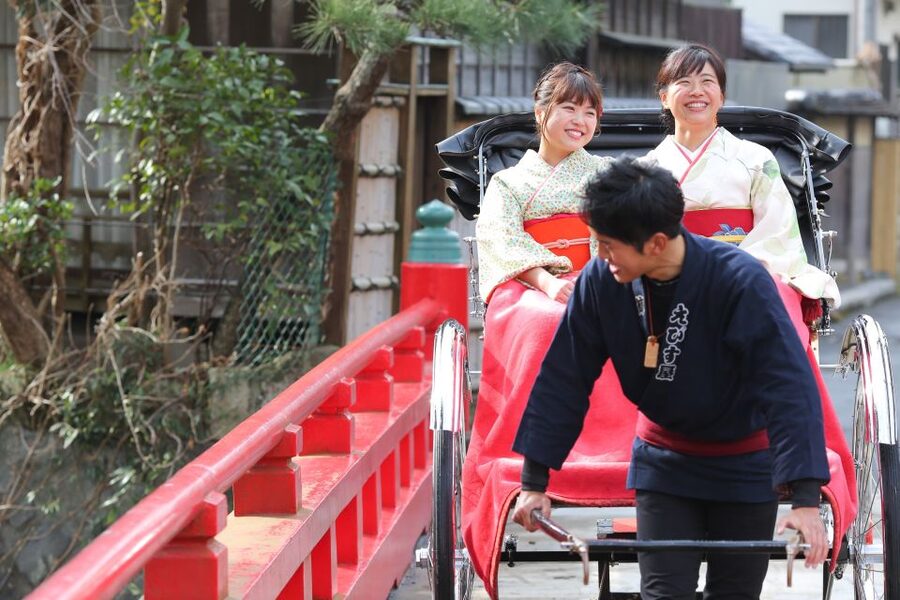
Catching the view from a rickshaw is magic. I loved seeing the Great Buddha up close and getting planned photo stops that actually make sense, not random pull-over moments. The main consideration: rickshaws are narrow (74 cm), so comfort can be better if you book separate rickshaws for each passenger.
This is a private tour, so you’re not stuck with someone else’s pace. Your guide handles the story and the flow between temple lanes and shrine approaches, and you can tailor the route to what you care about most.
One more thing to know up front: this tour runs on a Japanese-speaking guide, and selfie sticks aren’t allowed. If you’re expecting a lot of time standing still, you’ll want to choose a duration that matches your walking comfort.
In This Review
- Key Highlights at a Glance
- Riding Into Kamakura’s Samurai-Era Streets
- Price and What You’re Really Paying For
- Meeting Point: Easy to Find, Close to the Main Shrine Area
- How the Tour Works: Private, Customizable, and Not Too Complicated
- Choosing Your Duration: Which Stops Fit Your Day
- The 45-Minute Option: The Core Hits Fast
- The 1 Hour 10 Minutes Option: Add Hokokuji Gardens
- The 2 Hours 10 Minutes Option: Go Up to the View
- The 3 Hours 10 Minutes Option: The Full Kamakura Loop
- Tsurugaoka Hachimangu: The Shrine Approach That Changes with the Angle
- The Great Buddha (Daibutsu): Close-Up Scale You Can Feel
- Hokokuji Temple Gardens: When Time Turns into Atmosphere
- Side Streets and Expansive Temple Grounds: The Stuff You’d Miss Without a Plan
- Rickshaw Comfort, Group Rules, and Practical Fit
- Guide Style: Friendly, Smooth, and Photo-Minded
- Photo Stops That Don’t Feel Like a Trap
- Who This Tour Suits Best (And Who Might Want Something Else)
- Quick FAQ on the Kamakura Rickshaw Tour
- FAQ
- How long is the Kamakura private rickshaw tour?
- What does the tour cost?
- Is this a private tour or a group tour?
- What’s the meeting point?
- What stops are included on the shorter and longer options?
- Are admissions included in the price?
- Is food and drink included?
- What’s included in the tour besides the rickshaw ride?
- Are selfie sticks allowed?
- Is the tour wheelchair and stroller friendly?
- Should You Book This Kamakura Rickshaw Tour?
Key Highlights at a Glance
- Private, customizable rickshaw ride through Kamakura’s historic lanes
- Daibutsu (Great Buddha) viewing designed into the longer options
- Tsurugaoka Hachimangu Shrine views from the approach up the hill
- Hokokuji Temple garden time on the 1 hour 10 minutes option
- Built-in photo stops plus a small souvenir postcard and sticker
- Satoshi and other guides who stay friendly and keep the pace smooth
Riding Into Kamakura’s Samurai-Era Streets
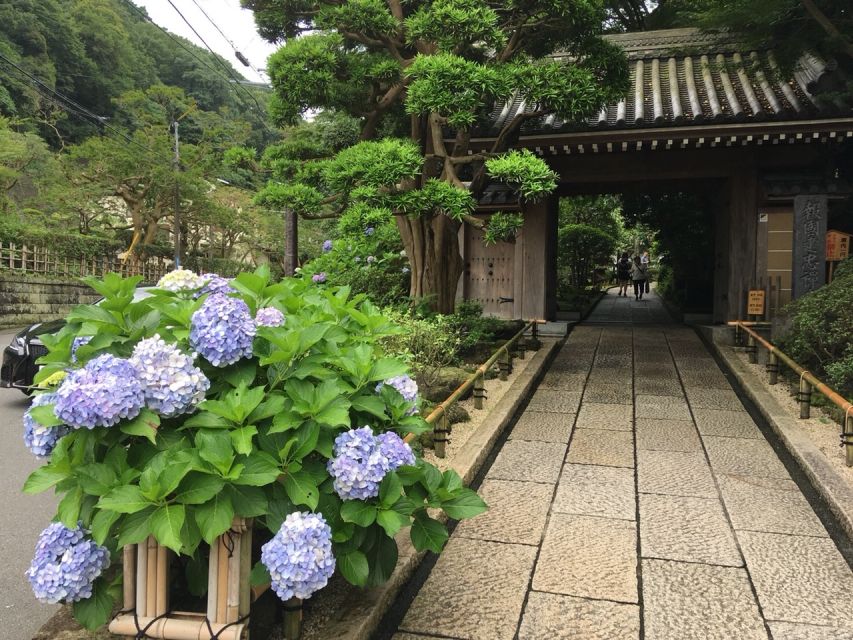
Kamakura feels like Japan’s history turned into walking paths. You move through temple grounds, shrine approaches, and old-town side streets where the scale makes a difference. From a rickshaw, the city looks different—taller temples, long sightlines, and quick photo angles without you constantly repositioning.
What makes this tour practical is that it’s designed around a route you can actually follow. You’re not just “going to famous places.” You’re carried (politely, slowly) through the in-between streets that make Kamakura feel lived-in.
This is also where the value starts to show. A rickshaw is a small, private experience, and the tour includes photo stops plus a souvenir postcard and sticker. Admission fees aren’t included, so you’ll still pay for tickets where required, but you’re buying convenience and guidance—not just transportation.
You can also read our reviews of more tours and experiences in Kamakura.
Price and What You’re Really Paying For
The price is $51 per person, with tour lengths from about 45 minutes to 190 minutes. On paper, that wide time range can be confusing, but it’s actually helpful: you can match the tour to your energy level and how many stops you want.
Here’s the honest way to think about it: you’re paying for a private rickshaw plus a guide who manages the order of sights and adds photo stops. If you’re the kind of traveler who hates “missed connections” between temples—where one is farther than you thought—this setup is a relief. You’ll also get a smoother flow than trying to coordinate taxis or train transfers between multiple heritage sites inside Kamakura.
What isn’t included matters too. Food and drinks are not part of the price, and admission fees aren’t included. So budget for snacks and any temple/shrine fees you run into. The good news is that the tour is built around time-efficient stops, so you’re not spending your day bouncing around with a full schedule of ticket lines.
Meeting Point: Easy to Find, Close to the Main Shrine Area
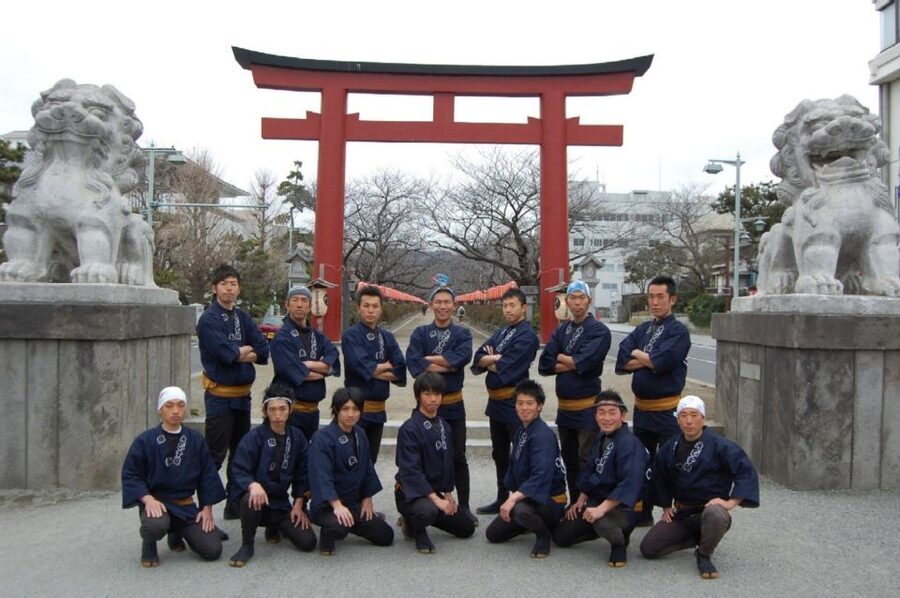
You’ll meet your guide just outside the office building. It’s less than 90 meters down the street from Tsurugaoka Hachiman-gu.
That proximity is smart for two reasons. First, you’ll already be in the Kamakura core where most first-time plans start. Second, you avoid that common headache of “where exactly is the pickup?” when your day is already tight.
Also keep in mind: there’s no hotel pickup or drop-off. You’ll need to get to the meeting spot on your own, which is normal for private town tours in Japan.
How the Tour Works: Private, Customizable, and Not Too Complicated
This is a private group tour with a live guide. The guiding language is Japanese, so if you want maximum clarity, you may want to go in with a little openness to translation or simple questions.
The tour can also be customized depending on your interests. That doesn’t mean you’ll turn it into a total rewrite of Kamakura, but it does mean your guide can adjust the emphasis—temples versus viewpoints, or more time in gardens versus more time near the main shrine area.
Another practical point: selfie sticks aren’t allowed. If you want photos, bring a phone on a normal grip or a compact camera. Your guide will handle the timing for photo moments, which is often better anyway because you’ll be stopping where the light and angles make sense.
Choosing Your Duration: Which Stops Fit Your Day
The tour length changes the “depth” of what you see. In Kamakura, that matters, because the best photo and viewpoint moments aren’t evenly spaced. You’ll want to pick the option that matches your priorities.
The 45-Minute Option: The Core Hits Fast
On the shortest tour, your guide leads you through the center of town. You pass Otori Gate and go by Tsurugaoka Hachimangu Shrine.
This option works if you’ve got limited time in Kamakura or you want a taste before exploring on foot afterward. You’ll then return toward the station through quaint side streets, with temples that have expansive grounds—meaning you’ll see the feel of those places even if you don’t linger as long.
The trade-off is simple: you’re not getting extended time at the signature viewpoints or the Great Buddha. You’ll leave wanting a bit more, which isn’t bad if you’re planning a second round.
The 1 Hour 10 Minutes Option: Add Hokokuji Gardens
This is the sweet spot for many people who want “real atmosphere” without a long commitment. In addition to the central route and shrine area, you get a stop at Hokokuji Temple.
The highlight here is that you can wander through the famous gardens. Gardens need time to make sense. Even if you’re not the type who reads every stone inscription, you’ll likely enjoy the pauses: shaded corners, carefully framed views, and the kind of quiet that’s hard to find while you’re rushing between locations.
If your ideal day is temples plus calm spaces, this is the duration to consider.
The 2 Hours 10 Minutes Option: Go Up to the View
This option adds two big things: the view and the Great Buddha.
You climb all the way up to Tsurugaoka Hachimangu Shrine, and you get the city views from up there. That alone is a strong reason to choose this length, because Kamakura’s layout makes those angles worth the effort.
You also visit the Daibutsu (Great Buddha Statue). Seeing it up close is one of those “photos never do it fully justice” moments, and building it into the tour saves you from trying to coordinate timing on your own.
If you’re the type who wants one major monument plus one major viewpoint, this duration fits your goal.
The 3 Hours 10 Minutes Option: The Full Kamakura Loop
If you want the whole experience in one go, choose the longest option. It includes the sights covered in the shorter tours: the shrine area with city views, the Great Buddha, and the Hokokuji gardens.
This is the option I’d recommend if you’re visiting Kamakura only once and you want your day to feel complete. You’ll have enough time to slow down at the right places and still see the key heritage stops without feeling like your legs are doing all the work.
Tsurugaoka Hachimangu: The Shrine Approach That Changes with the Angle
Tsurugaoka Hachimangu is the kind of place where the approach matters as much as the final view. Even when you already know it’s famous, the physical experience surprises you: stairs, sightlines, and that shift when you move from street-level into shrine space.
On this tour, you’ll pass by it in the short option and go higher on the longer options. When you climb up for the views, Kamakura opens up. It’s not just pretty—it helps you understand how the town spreads around the historical core.
Photo tip: take at least a few photos from the approach and not only at the top. The shrine area has angles that look different just a few meters apart, and your guide can time stops so you don’t waste daylight.
The Great Buddha (Daibutsu): Close-Up Scale You Can Feel
The Great Buddha is the “yes, I’m glad I came” stop. Up close, the scale reads instantly. It’s the kind of sight that makes you stop talking for a second, just because it’s hard to fit it all into one frame.
This tour builds the Great Buddha into the longer durations, which is exactly what you want. If you try to make it happen on your own after a bunch of other sights, it’s easy to rush and miss what makes it special: the presence of the statue, the surrounding temple grounds, and the calm that tends to settle around big heritage landmarks.
Also, because the tour includes photo stops, you’re not guessing where to stand. You’ll get a straightforward setup for pictures without turning it into a logistics project.
Hokokuji Temple Gardens: When Time Turns into Atmosphere
Hokokuji Temple is for your senses. Gardens aren’t just scenery; they’re a timed experience. The reason the 1 hour 10 minutes option feels so satisfying is that you actually get time to wander.
When you’re guided through, you won’t feel like you’re being rushed through “the highlights.” You can slow down and let the paths and frames do their job. If you love quiet corners and photo spots where the setting adds story to your picture, this is a strong match.
Side Streets and Expansive Temple Grounds: The Stuff You’d Miss Without a Plan
A big part of why this tour works is the route between the big name sites. You’ll head back through quaint side streets, passing temples with expansive grounds.
That matters because Kamakura’s charm isn’t only at the main entrances. It’s in the way temple areas open into larger spaces, with room to breathe. From a rickshaw, you glide past without having to constantly re-orient or pick through the maze of “is this the right lane?”
This is also where customization helps. If you’re more interested in the temple atmosphere than the viewpoints, your guide can steer the pacing.
Rickshaw Comfort, Group Rules, and Practical Fit
Riding a rickshaw is fun, but it’s still a shared-width vehicle. Each rickshaw is 21.1 inches (74 centimeters) wide, so it may feel tight for some groups.
The tour also limits capacity: maximum of 2 adults per rickshaw. Up to 2 children aged 5 and under can ride with 2 adults, sitting on an adult’s lap. If a child under 6 needs their own seat, they must pay adult price.
If you’re traveling as a couple or with older kids, this won’t be a big deal. If you want maximum comfort, consider booking separate rickshaws for each passenger, especially if you’re sensitive about space.
For movement needs, the tour is wheelchair accessible and wheelchair/stroller-friendly. That’s a big plus in an area where sidewalks and terrain can vary.
Guide Style: Friendly, Smooth, and Photo-Minded
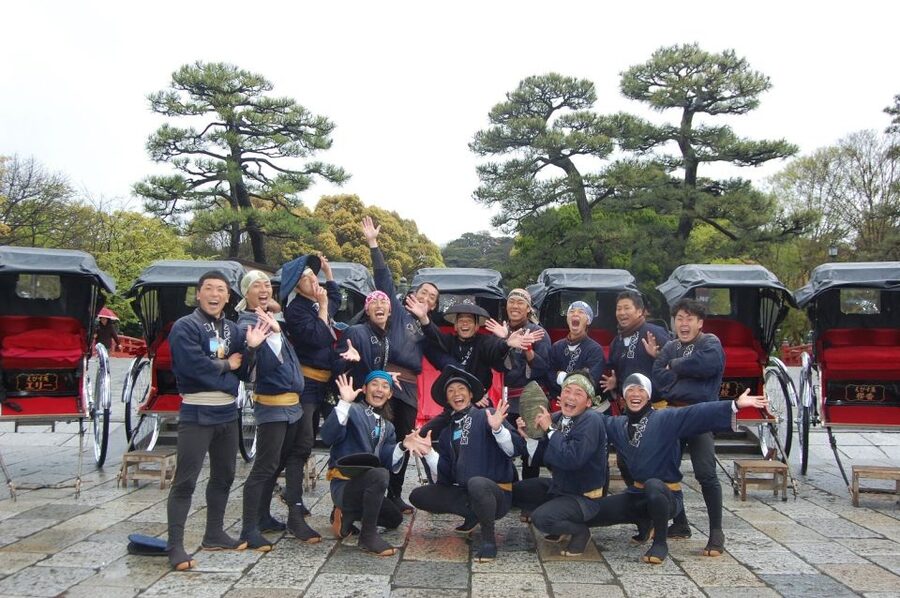
The best part of any private tour is the person steering it. In the feedback I saw, guides consistently came across as well informed and upbeat, with the kind of calm that keeps things moving without feeling rushed.
One standout detail: a guide/rickshaw puller named Satoshi was described as pleasant and friendly, giving information along the way and keeping things fun while also including photo stops. That combo matters. It’s not just facts—it’s how those facts connect to what you’re actually seeing outside your seat.
Also, some guides have been noted as speaking English and Japanese. Even if your guide is Japanese-speaking, you’ll likely find the communication easier than you expect because the tour focuses on visuals and simple explanations tied to each stop.
Photo Stops That Don’t Feel Like a Trap
Instagram-worthy spots can turn into a photo factory, but this tour uses photo stops as a practical service. You’re guided to the moments where the angles make sense, and you don’t have to fight for positioning by yourself.
Because the tour is private, you can typically slow down for a shot without holding up a big group. And since the rickshaw route keeps you moving through the right areas, you’ll spend less time roaming and more time capturing the scenes that match Kamakura’s style.
Who This Tour Suits Best (And Who Might Want Something Else)
This experience is a great fit if you:
- want a private way to see Kamakura’s top heritage stops
- care about photos, but also want the stops to be meaningful
- prefer a guided route that reduces walking decisions
- like the idea of tailoring the day to your interests
It’s less ideal if:
- you’re a person with back problems (it’s not presented as suitable)
- you’re expecting in the first 16 weeks of pregnancy (it’s not recommended)
If you’re traveling with kids, the age rules are clear, but plan for lap seating for the youngest children unless a separate seat is required and priced accordingly.
Quick FAQ on the Kamakura Rickshaw Tour
FAQ
How long is the Kamakura private rickshaw tour?
It runs from 45 to 190 minutes, depending on which duration option you choose.
What does the tour cost?
The price is $51 per person.
Is this a private tour or a group tour?
It’s a private group experience.
What’s the meeting point?
Your guide waits just outside the office building, less than 90 meters from Tsurugaoka Hachiman-gu.
What stops are included on the shorter and longer options?
On the shortest route you’ll cover the town center and sights including Otori Gate and Tsurugaoka Hachimangu. Longer options can include Hokokuji Temple gardens, climbing up for city views, and visiting the Daibutsu (Great Buddha Statue).
Are admissions included in the price?
No. Admission fees are not included.
Is food and drink included?
No. Food and drinks are not included.
What’s included in the tour besides the rickshaw ride?
You get photo stops, plus a souvenir postcard and sticker.
Are selfie sticks allowed?
No. Selfie sticks aren’t allowed.
Is the tour wheelchair and stroller friendly?
Yes. It’s described as wheelchair accessible and stroller-friendly.
Should You Book This Kamakura Rickshaw Tour?
If you want a day in Kamakura that feels efficient but still personal, I’d say yes—especially if you’re aiming for the big three: Hachimangu, the Great Buddha, and (if your timing allows) Hokokuji gardens. The private format and built-in photo stops are the kind of “small service details” that make the experience smoother, not just prettier.
Book it if you value guided pacing and you’d rather spend your energy enjoying the sights than figuring out the best route between them. Skip it only if tight space would bother you a lot—because the rickshaw is 74 cm wide—or if you’re dealing with a condition that makes this not recommended, like back problems or early pregnancy.
If you’re flexible, you can also cancel up to 24 hours in advance for a full refund and reserve now with pay later, which makes planning Kamakura less stressful.