REVIEW · LUCERNE
Lucerne: 1-Hour Historical Tour with Night Watchman
Book on GetYourGuide →Operated by citytrip AG · Bookable on GetYourGuide
A man in old-time costume turns the clock back. This Lucerne Night Watchman walk is a 1.5-hour, story-driven tour that starts by the Chapel Bridge and threads medieval characters through the city you see today. I especially love how the guide uses old and new media to make the past feel clear, and I like the tight route that hits major sights without dragging. The only real drawback is the tour is timed and fairly compact, so if you want a long, slow chat at every stop, this may feel a bit short.
You’ll cover about 1.5 kilometers on foot, and you should come ready for outdoor walking in all weather. I think the $39 price is solid value for how much storytelling and number of landmark stops you pack into 90 minutes. One consideration: kids under 10 aren’t suitable, and it’s not set up for electric wheelchairs or electric scooters due to stair access at Chapel Bridge.
In This Review
- Key Things To Know Before You Go
- A Night Watchman Sets The Tone By Chapel Bridge
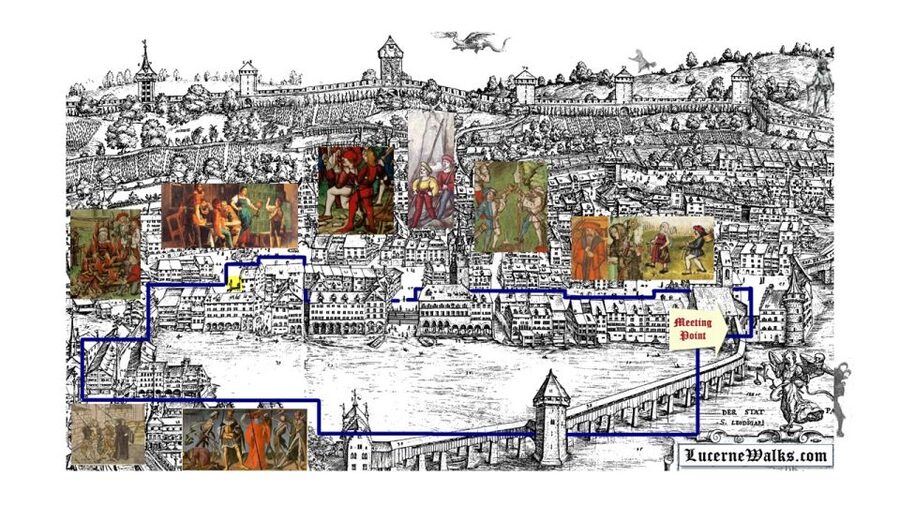
- The 1.5-Kilometer Route Through Medieval Lucerne (And Why It Works)
- Fire Horn To Firelight Stories: Characters You’ll Hear Along The Way
- Kapellplatz, Furrengasse, And Kornmarkt: Marks On The Wall
- Reiden Giant, The 1833 Fire Memory, And A City That Remembers
- Murder Legends, Dressmakers, And The Dark Side Of Order
- Zöpfli And The River Pause (If Time Allows)
- Reuss Bridge, A Mint Memory, And The Alte Suidtersche Apotheke
- Ritter Palace, Hans von Trient Vs. Luzius Ritter, And The Dance Of Death
- Returning Over Chapel Bridge: Final Thoughts While The City Glows
- Price, Pace, And Who Should Book This
- Quick Practical Tips Before You Walk
- Should You Book The Lucerne Night Watchman Tour?
- FAQ
- How long is the Lucerne 1-Hour Historical Tour with a Night Watchman?
- Where does the tour start?
- What language is the tour in?
- Is the tour wheelchair accessible?
- How much walking is involved?
- What should I bring for the weather?
- Is this tour suitable for children?
- What’s included in the price?
- What is the cancellation policy?
Key Things To Know Before You Go
- Starts where Lucerne looks most medieval: right by Chapel Bridge, on the river’s right bank.
- Fire horn + night watchman call: you’ll hear the signal that sets the tone right at the start.
- A map from 1597 shapes the route: you’ll use an old city map by Martin Martini as you go.
- You’ll spot real measurement markers: the Luzerner Elle and Luzerner Fuß are built into the town hall wall.
- Stories connect crime, punishment, and war: mercenaries, court order, pillory, interrogation techniques, and murder legends all come up.
- It’s a small, efficient loop: roughly 1.5 km with lots of stops, finishing by crossing back over Chapel Bridge.
A Night Watchman Sets The Tone By Chapel Bridge
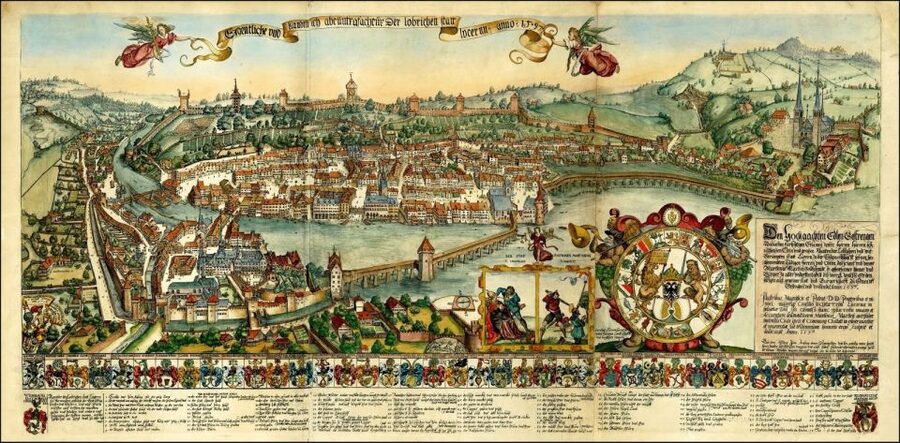
If you like history with atmosphere, this is the Lucerne tour to pick. The experience begins on the river’s right bank by the Chapel Bridge, and it doesn’t start with facts dumped into your lap. You’ll hear the fire horn, then the call of the night watchman, and suddenly the city feels staged for a medieval story.
What you’re really buying is a guide who knows how to pace a narrative. I like that the tour isn’t just reciting dates. It moves through Lucerne like a guided walk-through of a living chronicle, mixing serious topics with a bit of humor that keeps it from feeling heavy.
Many people end up with the same takeaway: the guide’s voice and storytelling style make the sights easier to remember later. Guides named Rolf or Ralph have been praised for being engaging and joke-friendly, which matters because you’re walking and listening for about 1.5 hours.
The 1.5-Kilometer Route Through Medieval Lucerne (And Why It Works)
This tour covers around 1.5 km total, so it’s compact but not cramped. You’re not trudging up steep hills; you’re moving between old squares, alleyways, and river viewpoints where the city’s layers are visible close up.
The pacing is built for the time limit. You start with orientation (the route and attractions shown on a city map by Martin Martini from 1597), then you’re guided from landmark to landmark in a loop. Each stop is short enough to keep energy up, but detailed enough to give you a takeaway you can connect to when you’re on your own afterward.
If you’re the type who gets bored by long walking tours, this one can be a sweet spot. If you’re the type who hates “stop-and-go,” you’ll still likely enjoy it because the stops are tied together by the night watchman’s themes: Chronicle, craft, conflict, law, and punishment.
Fire Horn To Firelight Stories: Characters You’ll Hear Along The Way
After the signal sounds, the guide tells stories that anchor Lucerne to real names and professions. You’ll hear about the Lucerne Chronicle of Diebold Schilling, a brilliant engraver named Martin Martini, and stonemason Hans von Trient, plus the adversary Luzius Ritter. Those names are more than trivia here. They’re used like signposts, helping you understand why places look the way they do and what people were fighting over.
There’s also a strong “media” component. You might see old map visuals alongside newer explanations, which helps if your brain works best with images. That’s especially useful in a city like Lucerne, where so many buildings are beautiful but easy to take for granted if someone doesn’t connect them to a story.
You’ll also get the tour’s rhythm: call-and-response energy at the start, then steady storytelling as you move through the old town. Expect a mix of serious topics and entertaining delivery. That blend is why so many people rate this experience so highly.
Kapellplatz, Furrengasse, And Kornmarkt: Marks On The Wall
One of the tour’s smartest moves is that it guides you through Lucerne’s small geography: squares and narrow streets where medieval life would have happened at human scale.
You begin near Kapellplatz, then walk along Furrengasse toward Kornmarkt. Along the way, your guide explains the context so the route feels purposeful rather than just scenic.
At Kornmarkt, you get to admire something that’s both practical and oddly memorable: the Luzerner Elle and the Luzerner Fuß built into the wall of the town hall. These are measurement references, and the point isn’t only that they’re old. It’s that medieval cities ran on standards, rules, and trade. It’s a good reminder that “history” isn’t only castles and kings.
Reiden Giant, The 1833 Fire Memory, And A City That Remembers
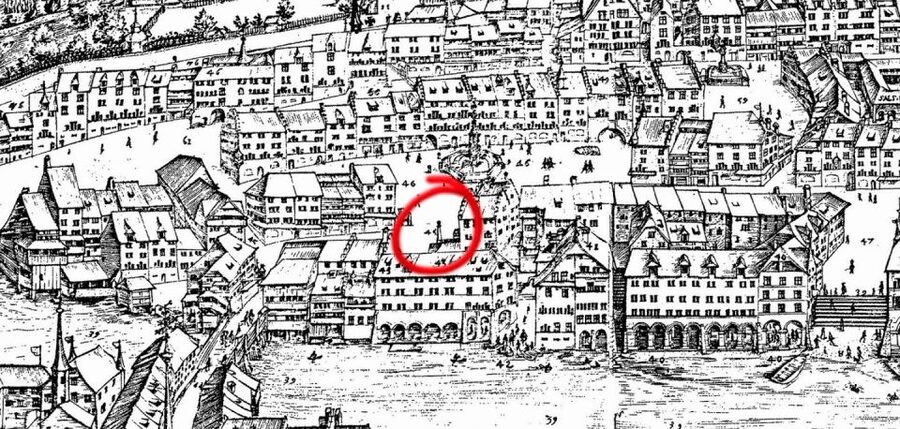
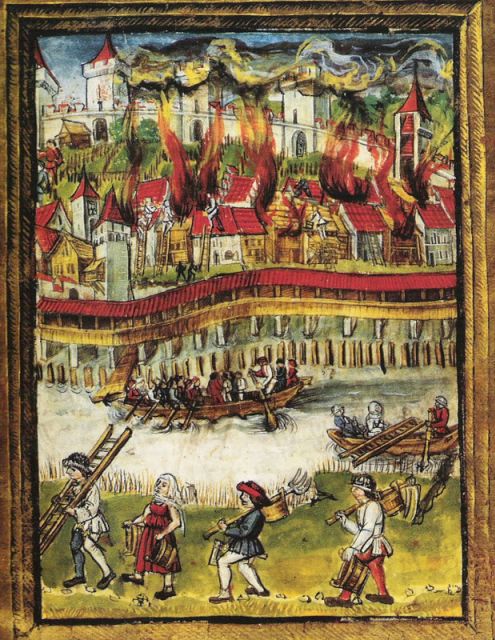
The night watchman doesn’t stop at one topic. You’ll hear a story about the giant of Reiden before continuing along Brandgässli. That street connects you to the memory of a major night of fire in 1833, so even though the tour is focused on medieval life, it also shows how Lucerne’s later events feed into what you see today.
This part works well because it changes the flavor of the storytelling. Instead of only focusing on famous figures, you’re learning how urban events shape a city’s identity. Even if you’ve seen plenty of old buildings elsewhere, you’ll likely appreciate how Lucerne treats memory as part of the street map.
If you like walking past places and thinking, What happened here, this section gives you that “aha” feeling.
Murder Legends, Dressmakers, And The Dark Side Of Order
As you continue, you reach the guild house of dressmakers and hear about the legend of the night of murder in Lucerne. This is one of those stops that feels like a small window into social life. Guilds weren’t just crafts; they were communities with influence, reputation, and risk.
A few steps further is the wine market, where the guide brings in the Swiss art of war. This is where the tour adds an angle beyond local gossip. You’ll connect mercenaries and military thinking to how a city protected itself, negotiated power, and made use of professional fighters.
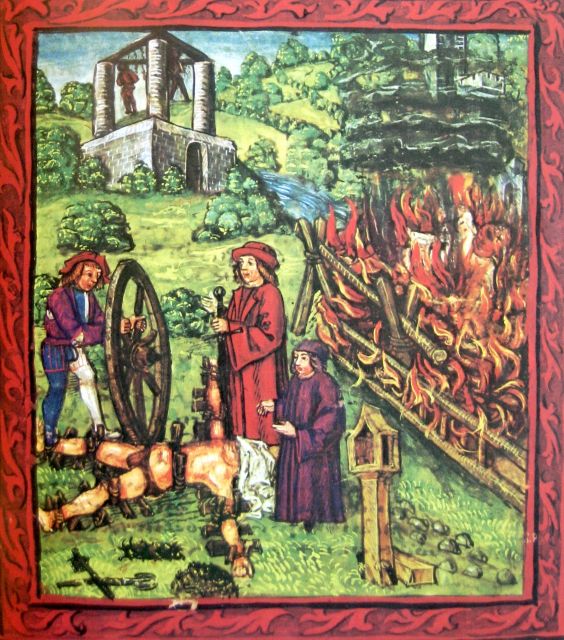
Then the route turns toward punishment and control. You’ll see the linden tree area, where the pillory and the bank once stood. The stories that follow cover court order, legal violations, and even interrogation techniques. That’s not light entertainment, but it gives you context for how medieval justice actually felt to people living under it.
Zöpfli And The River Pause (If Time Allows)
If there’s time, the tour includes a stop at Zöpfli, one of the more beautiful places by the river in the old town. This is a small breather in an otherwise story-heavy route.
It’s useful, because it breaks the pace without losing the theme. You get a scenic reset, you can take photos, and you can mentally process everything you just heard about law, war, and city life.
If it rains, this is still doable, but it’s smart to have waterproof gear ready. The tour runs in all weather, so plan for a damp evening if forecasts aren’t kind.
Reuss Bridge, A Mint Memory, And The Alte Suidtersche Apotheke
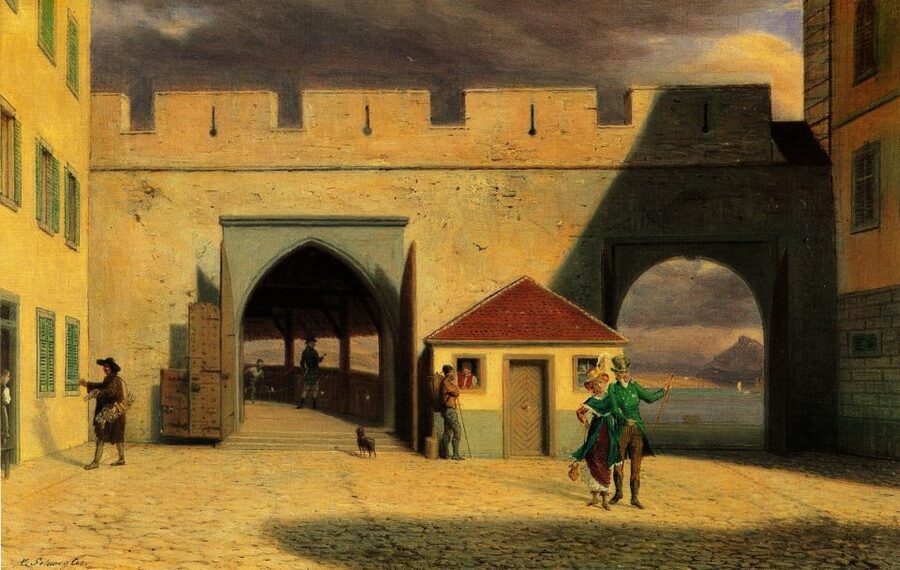
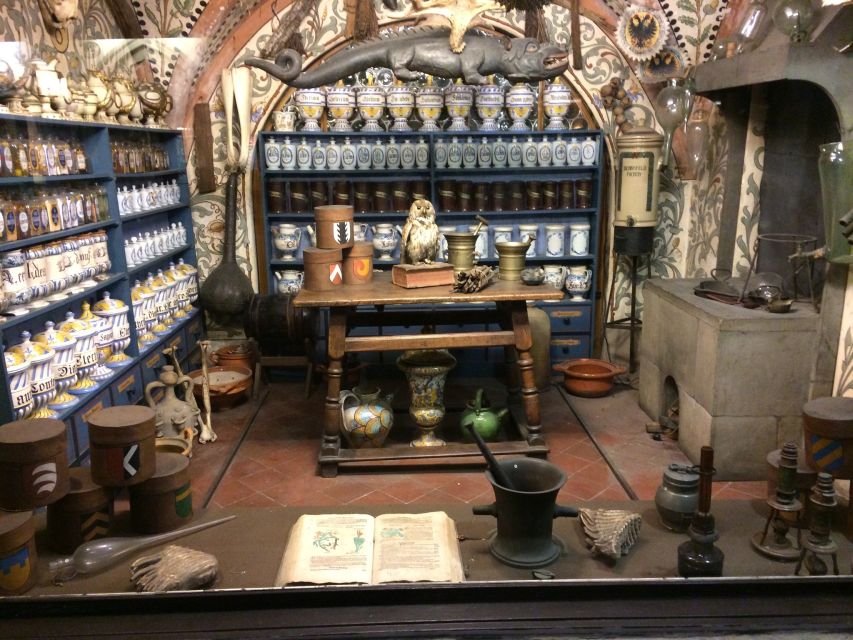
Crossing over Reuss Bridge is one of those natural “chapter breaks.” You’ll pass the first Mint and then move toward the medieval Alte Suidtersche Apotheke, where you’ll see a breathtaking display window.
This stop matters because it connects medicine, craft, and trade to Lucerne’s daily world. The apothecary window isn’t just a photo stop. It helps you understand that medieval urban life relied on specialized knowledge, and it hints at how goods and expertise traveled through towns like this.
The guide’s storytelling here keeps the tour moving, so even if you’re not the biggest fan of pharmacy history, you’ll still get why it belongs on the route.
Ritter Palace, Hans von Trient Vs. Luzius Ritter, And The Dance Of Death
As you continue, the tour reaches Ritter Palace and the stories of Hans von Trient and his adversary Lux Ritter. This section ties back to the names introduced earlier, which is one reason the tour feels coherent instead of random.
Then you’ll watch for the theme that turns stomachs and sparks curiosity: the dance of death by Jakob von Wal. This is the kind of art that works in medieval thinking because it forces everyone, rich or poor, to face mortality.
By the time you reach this point, you’ve already learned about law, interrogation, guild life, and conflict. So when death imagery shows up, it lands with context, not shock value.
Returning Over Chapel Bridge: Final Thoughts While The City Glows
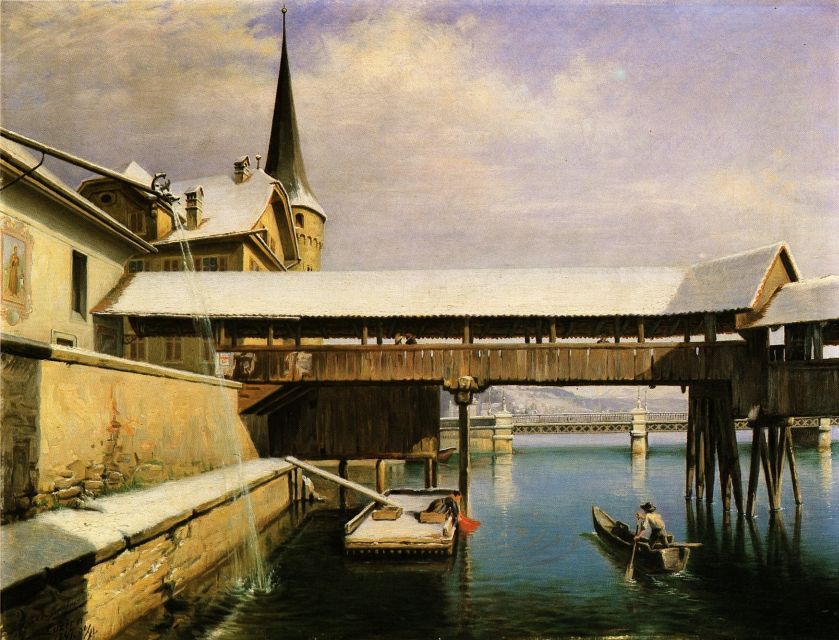
To finish, you stroll back up the river across Chapel Bridge to the starting point. This ending loop is more than convenience. It brings you full circle, so the first minute you heard the night watchman call finally connects to the last stretch of your walk.
It’s also a good moment to look back and see how the old town layout supports the stories you just heard. Even if you don’t remember every name, you’ll likely remember the themes: urban rules, survival, and the human side of power.
Lucerne at night has a calm look, and that makes it easier to appreciate the mix of architecture and street-level detail.
Price, Pace, And Who Should Book This
At $39 per person for about 1.5 hours, this isn’t an expensive activity for Lucerne. You’re paying for a guided, story-driven walk plus access to lots of specific stops in a short time. If you’re spending a limited number of hours in town and you want a way to understand what you’re seeing, the value is strong.
I’d book it if you:
- Want history that feels like a narrative, not a lecture
- Enjoy medieval urban details like guilds, courts, and civic markers
- Like visuals and short, vivid explanations tied to real buildings
- Prefer a manageable walking distance (about 1.5 km)
I’d skip it or choose another format if you:
- Need a long tour with lots of free time at each location
- Travel with kids under 10 (this tour isn’t suitable for them)
- Are using an electric wheelchair or electric scooter, because the Chapel Bridge stair lift isn’t suitable for those
Quick Practical Tips Before You Walk
- Wear comfortable shoes. The route is only about 1.5 km, but it’s outdoors and you’ll be standing at multiple stops.
- Bring an umbrella or waterproof jacket. The tour runs in all weather.
- If you’re mobility-limited, know it’s wheelchair accessible with a foldable wheelchair, but not electric wheelchairs or electric scooters.
- Arrive ready to listen. This is a guided story walk, so your attention matters more than “museum browsing.”
Should You Book The Lucerne Night Watchman Tour?
If you want the fastest way to understand medieval Lucerne in a human, entertaining way, I’d say yes. This tour is short, focused, and packed with recognizable stops: Chapel Bridge, Kapellplatz, Kornmarkt, Reuss Bridge, the Alte Suidtersche Apotheke, Ritter Palace, and the dance of death.
Book it when you want context. Pass on it only if you need a long, slow pacing or you’re traveling with a mobility device that doesn’t match the tour’s wheelchair limitations.
FAQ
How long is the Lucerne 1-Hour Historical Tour with a Night Watchman?
The tour lasts 1.5 hours.
Where does the tour start?
You start on the right bank of the river by the Chapel Bridge. The exact meeting point may vary depending on the option booked.
What language is the tour in?
The live tour guide speaks English.
Is the tour wheelchair accessible?
The full tour is accessible with a foldable wheelchair. It is not accessible with an electric wheelchair or electric scooter due to the stair lift on the Chapel Bridge.
How much walking is involved?
The tour covers approximately 1.5 kilometers.
What should I bring for the weather?
The tour takes place in all weather, so bring an umbrella or a waterproof jacket.
Is this tour suitable for children?
No. It’s not suitable for children under 10 years.
What’s included in the price?
The guided tour with a night watchman is included.
What is the cancellation policy?
You can cancel up to 24 hours in advance for a full refund.