REVIEW · NIKKO
Magnificent Nikko World Heritage and Breathtaking Scenic Beauty in one day
Book on Viator →Operated by Fulfilling Inc. · Bookable on Viator
Nikko in a single day? Worth the early start. This private, customizable day trip strings together Nikko’s most famous sights in a tight loop—Shinkyo Bridge, Tosho-gu Shrine, Akechidaira, and Kegon Falls—while you get Tokyo hotel pickup and drop-off plus an English-speaking guide. I like the focused one-day format (it keeps you from bouncing around schedules) and the chance to see major highlights without planning every transfer yourself; the main drawback is that the day relies heavily on public trains and buses, so it may feel less hands-off than you expect.
Plan for a long day: pickup happens around 7:30 am, and the total time is about 12 hours. The good news is you travel with local timing help, and you’ll use a mobile ticket; the “watch-outs” are the extra on-site admissions and that you may pay additional transit costs even if you have a JR Pass.
In This Review
- Key takeaways before you go
- Tokyo Hotel Pickup to a Nikko Morning Start (7:30 a.m.)
- Shinkyo Bridge: Vermilion River Crossing and Ticket Costs
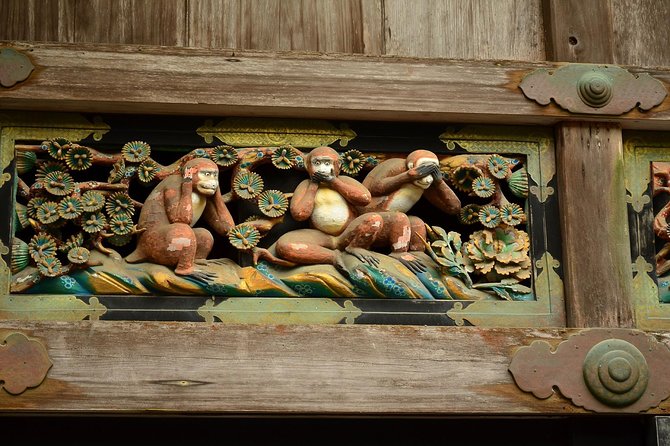
- Toshō-gu Shrine: See No Evil, Hear No Evil
- Akechidaira Observation Area: Ropeway Views Over Kegon and Chuzenjiko
- Kegon Falls: The Big Finale With Elevator Add-On
- Price and Logistics: What’s Included, What Costs Extra
- Public Transportation Reality: How to Avoid the One-Day Logistics Surprise
- Who This Nikko Day Tour Suits Best
- Should You Book This Nikko World Heritage Day Tour?
- FAQ
- What time does the tour start?
- How long is the tour?
- Is Tokyo hotel pickup and drop-off included?
- Is this tour private?
- Are admission tickets included?
- What extra costs should JR Pass holders expect?
- Does the tour include an English-speaking guide?
- How do you get tickets for this experience?
- What is the cancellation policy?
Key takeaways before you go
- Tokyo hotel pickup and drop-off saves time and stress on both ends.
- Private, customizable touring means your guide can pace the stops for your group.
- A tightly packed route covers four big sights in roughly four main segments.
- Shinkyo Bridge and Tosho-gu tickets are extra and listed separately.
- Public trains and buses are central, so go in with that expectation.
- Great for a first Nikko day when you want the signature views and World Heritage anchor stop.
Tokyo Hotel Pickup to a Nikko Morning Start (7:30 a.m.)
This is built as a true day trip out of Tokyo. You start at 7:30 am, and hotel pickup plus hotel drop-off are included, which matters more than people think when you’re dealing with early departures. You’re not hustling to a station with jet-lag legs. You just meet up, get moving, and your guide handles the “how do we connect” part.
It’s also set up as a private tour, meaning only your group rides along. In practice, that usually helps with pacing. If someone needs an extra bathroom break between stops or you want to linger at a viewpoint, you’re not stuck waiting on a big group to vote with their feet.
The trade-off is that the itinerary is designed around fixed sightseeing stops and scheduled transit. You’ll feel the day as a rhythm: travel between sights, then a defined window at each location. With a 12-hour total duration, you should plan to wear comfortable shoes and be ready for a lot of “move, look, repeat.”
You can also read our reviews of more tours and experiences in Nikko.
Shinkyo Bridge: Vermilion River Crossing and Ticket Costs
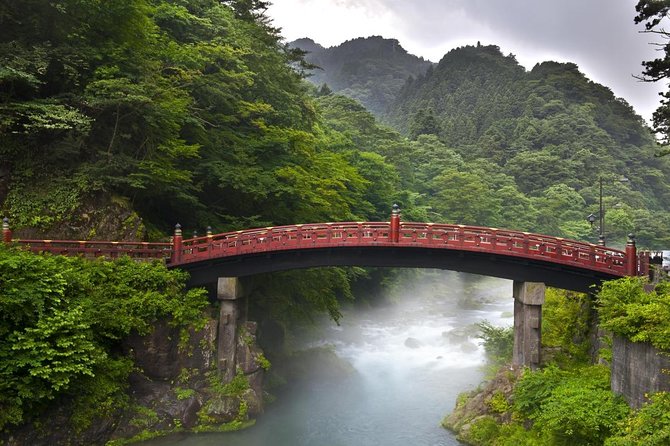
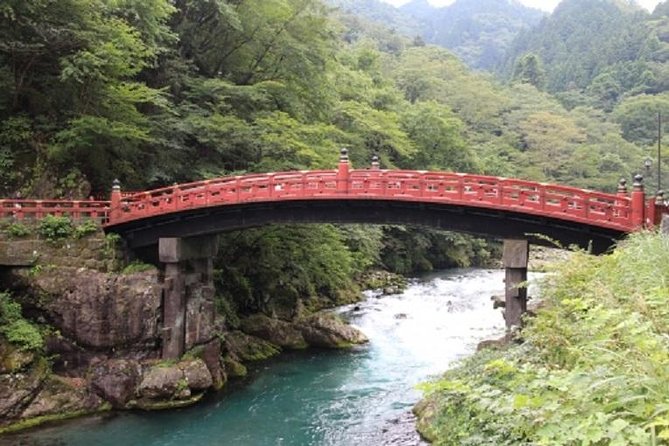
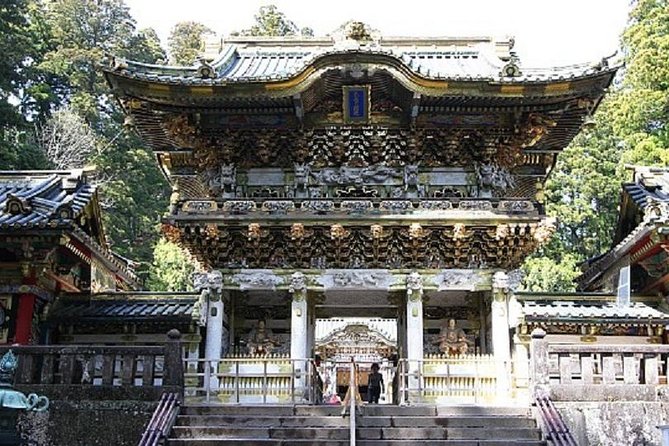
Your first stop is Shinkyo Bridge. You’ll have about 30 minutes here, which is a sweet spot for a photo-and-stroll visit. The bridge is described as a picturesque vermilion-colored crossing over the Daiya River, with mountain greens in the background. That color combo is exactly what makes it a Nikko “put it on your list” sight.
Here’s the practical bit: admission is not included. The tour lists an admission fee for Shinkyo Bridge at ¥7,400 per person. That’s not a small add-on, so treat it as part of your budgeting. If you’re trying to keep the day lean, this is one of the first line items to price-check.
The other thing I’d keep in mind is timing. Since you start early, you’re likely to catch the area at a calmer hour than mid-day crowds. Even if you’re just there for 30 minutes, a steadier pace makes a big difference for photos and for not feeling rushed.
Toshō-gu Shrine: See No Evil, Hear No Evil
Next is Nikko Tosho-gu. You get about 1 hour at the shrine, and the highlight theme is spelled out as see no evil, speak no evil, hear no evil. Even if you’ve never studied Nikko before, that gives you a quick mental handle: this is a stop with recognizable symbolism, not just a “walk around some buildings” experience.
The big value of including Tosho-gu in a one-day plan is simple: it anchors the day’s cultural side. It’s the kind of place where you’ll spend more time looking at details and moving slowly, even if your official window is 60 minutes.
Again, tickets are separate. The tour lists the Toshogu Shrine admission fee as ¥1,300 per person, and it’s not included. So if you’re doing cost math, include this alongside Shinkyo Bridge before you decide.
One more practical note: this stop is likely to involve standing, walking on stone or uneven areas, and shifting between spots to see what you came for. If your group has mobility needs, use your private setup to ask your guide for the most efficient route through the shrine grounds during your hour.
Akechidaira Observation Area: Ropeway Views Over Kegon and Chuzenjiko
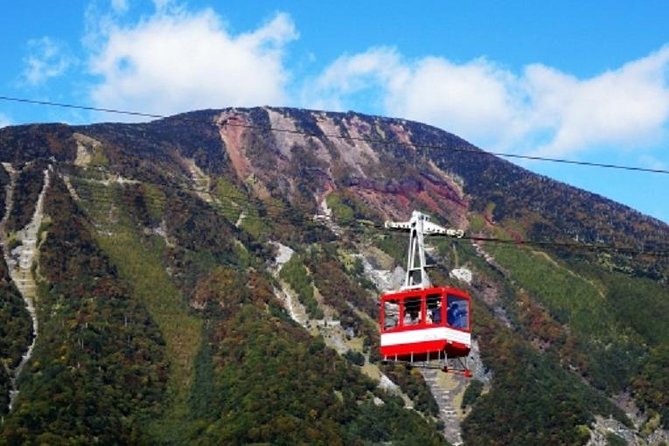
After the shrine, the tour moves to the Akechidaira Observation Area. You’ll have about 1 hour. The key part here is the ropeway ride to the observatory, which sets this stop apart from the earlier ones. You’re not just walking up to a view—you’re moving up by ropeway, which helps you reach the angle you came for.
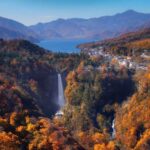
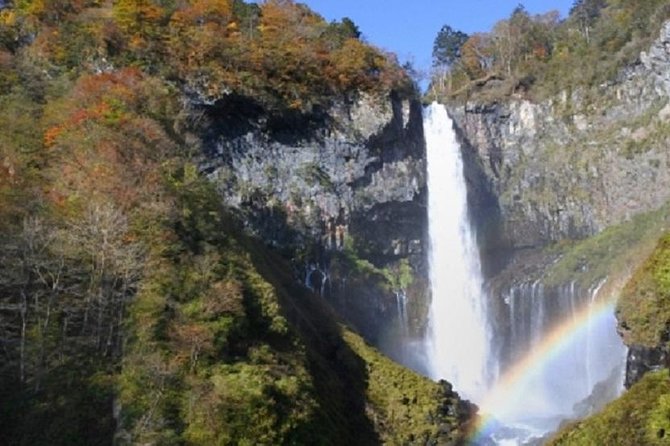
The view target is clearly defined: you’re looking over Kegon Waterfall and Lake Chuzenjiko from above. That’s useful because it tells you what to expect mentally. You’re not guessing whether you’ll see the falls from the right angle; the itinerary is designed to put you there first from a scenic vantage.
Admission isn’t included, and the tour notes the ropeway as part of the experience. Since specific ropeway pricing isn’t listed in the data you provided, the safe move is to assume there will be a separate cost for the ropeway segment. If you’re trying to avoid surprises, ask your guide at the start of the day what’s covered and what’s paid on site.
In terms of what you’ll want to do during the hour: take in wide views first, then come back for tighter angles. If the weather is even a little changeable, viewpoints can shift fast. A guide’s timing help here is worth it.
Kegon Falls: The Big Finale With Elevator Add-On
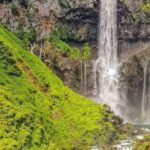
The last main stop is Kegon Falls, with about 1 hour allocated. The tour describes Kegon Falls as being ranked among Japan’s three most beautiful falls. Whether you care about rankings or not, it’s a useful signal: this is the “grand” finale, the stop that justifies coming up from Tokyo for a day.
One detail that matters for your plan: the tour lists an additional fee for the Kegon Falls elevator at ¥550 per person, and it’s not included. That means your “one hour at the falls” may include a decision point. If you’re aiming for easier access or better viewing spots, the elevator becomes part of the experience, not just an optional add-on.
The other thing I’d watch is how people move through viewpoints. Falls areas can feel like an organized flow: watch, pause, reposition, repeat. With your private group, you can follow your guide’s lead to avoid dead time.
If you’re sensitive to mist or sudden temperature shifts near waterfalls, bring a light layer or something wind-resistant. It’s the sort of practical travel detail that can make the difference between enjoying the view and thinking about your comfort every minute.
Price and Logistics: What’s Included, What Costs Extra
The price is $325.18 per person, for an about-12-hour day. With tours like this, the real question isn’t just the sticker price—it’s how much of your day is handled versus what you still pay once you arrive.
Included items (based on the provided info) are strong for convenience:
- English-speaking professional guide
- Private tour (only your group)
- Hotel pick-up and drop-off in Tokyo
- Guide’s public transportation expense
- Guide’s lunch expense
The key word there is guide: your guide’s expenses are handled, but your personal admissions and some transit costs are still your responsibility.
Not included costs are clearly listed:
- Public transportation expense for JR Pass holders: ¥2,000 per person
- Shinkyo Bridge admission: ¥7,400 per person
- Kegon Falls elevator: ¥550 per person
- Toshogu Shrine admission: ¥1,300 per person
So the best way to judge value is to think of the $325.18 as paying for the organization, the guide, and the Tokyo start/end convenience. Then add the on-site admissions plus any listed transit fee if you’re using a JR Pass. Once you do that, you’ll see whether you’re getting a fair deal for a one-day hit list.
One more value note: this is often booked about 143 days in advance on average. That’s a hint that people plan this as a “when we have limited Tokyo time” day. If you’re flexible on dates and want to reduce cost pressure from last-minute availability, booking earlier can help.
Public Transportation Reality: How to Avoid the One-Day Logistics Surprise
Here’s the most important heads-up for how this experience can feel on the ground: the day is built around public transport, specifically train and bus, with your guide’s help. Even though the guide is part of the process, you’re still riding the system, not transferring in a private vehicle the whole way.
One mismatch that can happen is expectation. If you picture a private car that drops you right at every door, this may feel more like coordinated public transit with a guide onboard. That’s not bad; it can even be a more local way to move. But it does mean:
- You’ll follow the timing of buses and trains.
- You should be ready for crowded moments depending on the hour.
- You’ll want your group to stay together and pay attention to meeting points after each stop.
If you have a JR Pass, note that the tour lists an extra public transportation expense of ¥2,000 per person. So don’t assume a JR Pass automatically removes all additional transit costs.
My practical advice: before you go, check with the provider what tickets you should hold for each segment and which costs are already accounted for versus paid by you. That single step prevents the most common frustration with this type of day trip.
Who This Nikko Day Tour Suits Best
This works best for you if:
- You want Nikko highlights in one day from Tokyo, without building your own route.
- You like the idea of a private setup with an English-speaking guide.
- You’re okay with a packed itinerary and fixed time windows at each sight.
- You’re willing to budget separately for major attractions.
It may not be the best fit if:
- You strongly prefer a fully private vehicle and want to avoid public transit.
- You don’t want to handle multiple separate admission fees.
- Your group needs lots of flexible time at one location instead of seeing four major stops.
The “sweet spot” is travelers who think, I want the signatures—bridge, shrine, waterfall views—and I’m fine managing the rest of the day with my guide’s plan.
Should You Book This Nikko World Heritage Day Tour?
If your goal is a first taste of Nikko and you only have limited time in Tokyo, I’d say this tour makes sense. The Tokyo hotel pickup and drop-off removes the biggest friction point. The route also hits the big visual targets: vermilion Shinkyo Bridge, the symbolic Tosho-gu Shrine, and Kegon Falls from both an elevated viewpoint and the falls area.
Before you hit book, do two quick checks:
1) Add up the separate admission costs (Shinkyo Bridge, Toshogu Shrine, and the Kegon Falls elevator) and the JR Pass transit fee if applicable, so the final total doesn’t surprise you.
2) Decide if public trains and buses are okay for your group. If you want the day to feel more like a private chauffeur experience, you may want to look for a different transport style.
With those boxes checked, this is a solid way to see a lot of Nikko in one long, efficient day.
FAQ
What time does the tour start?
The start time is 7:30 am.
How long is the tour?
The duration is about 12 hours.
Is Tokyo hotel pickup and drop-off included?
Yes, hotel pick-up and drop-off are included.
Is this tour private?
Yes. It’s a private tour, and only your group participates.
Are admission tickets included?
No. Admission tickets for Shinkyo Bridge and Toshogu Shrine are not included, and the Kegon Falls elevator fee is also not included.
What extra costs should JR Pass holders expect?
The tour lists a public transportation expense for JR Pass holders of ¥2,000 per person.
Does the tour include an English-speaking guide?
Yes, an English-speaking professional guide is included.
How do you get tickets for this experience?
The tour includes mobile tickets.
What is the cancellation policy?
This experience is non-refundable and cannot be changed for any reason.