REVIEW · NARA
Nara Heritage Walkabout from Nara Park to Todaji-ji temple
Book on GetYourGuide →Operated by Pinpoint Traveler · Bookable on GetYourGuide
Nara’s best moments can fit in one walk. This 4-hour route mixes shika deer in Nara Park, the scale of Todai-ji’s Great Buddha, and a lantern-filled shrine stop, then finishes in Naramachi for shopping and a traditional snack on us. The day also feels efficient: you’re not just ticking boxes, you’re moving through the different “faces” of Nara, from nature to power to old-town charm.
Two things I like a lot: you get a real guided thread through the sights, and you’re given built-in time to actually see the details at Todai-ji and Kasuga Taisha rather than sprinting. One possible drawback is that the tour includes a fair amount of walking, so comfortable shoes matter if your legs get tired fast.
In This Review
- Key highlights you’ll feel on this Nara loop
- From Lawson outside Kintetsu Nara Station to a perfect Nara start
- Nara Park’s shika deer and the senbei etiquette that makes it work
- Why this park stop is more than a photo break
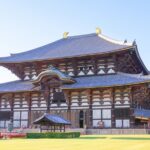
- Todai-ji: how the Great Buddha Hall changes the way you see everything else
- The best way to enjoy Todai-ji in limited time
- Kasuga Taisha: vermilion shrine buildings and lanterns you can feel
- Garden calm as a break from temple intensity
- Naramachi old town: traditional streets, shopping time, and a snack on us
- How to use this time wisely
- The guide matters more than you think
- Price and value: what $102 buys you in real terms
- Timing, walking, and what to pack for a smooth 4 hours
- Who should book this Nara Heritage Walkabout
- Should you book? My practical take
- FAQ
- Where is the meeting point for the tour?
- How long is the Nara Heritage Walkabout?
- What’s included in the price?
- What language is the tour guide?
- Is there a lunch included?
- Is it possible to cancel for a refund?
Key highlights you’ll feel on this Nara loop
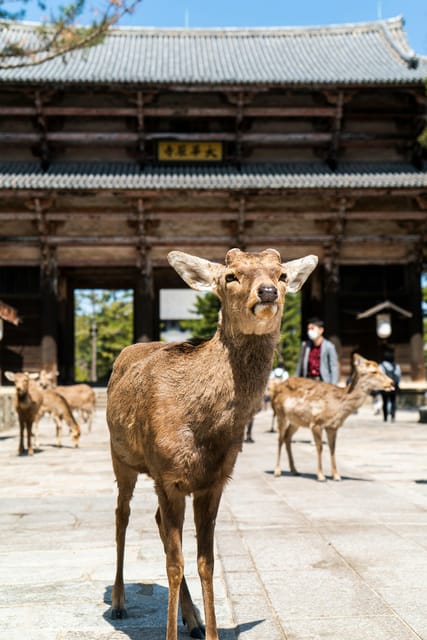
- Shika deer + senbei moments: Nara Park’s friendly deer and the chance to try the classic deer crackers
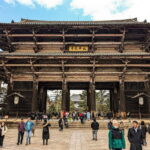
- Todai-ji’s Daibutsu scale: the Great Buddha Hall and the Nandaimon Gate area you’ll want to stare at
- Kasuga Taisha lantern atmosphere: thousands of hanging lanterns create a powerful sense of place
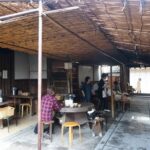
- Naramachi old-town wandering: traditional machiya-style streets plus a food-market stop
- Guide energy that adapts: I’ve seen mention of guides adjusting pace for walking limits and even helping with photos
From Lawson outside Kintetsu Nara Station to a perfect Nara start
Your tour meets at a Lawson convenience store directly outside of Kintetsu Nara Station. This is one of those small details that makes a difference: it’s easy to find, and you’re ready to go without hunting for a meeting point inside a maze of platforms and exits.
From there, you’ll spend about 20 minutes walking toward Nara Park with scenic views along the way. That setup matters because Nara can feel like one big “sight zone.” This first leg helps you get oriented before the deer and temples take over your attention.
Also note the tone of the experience: it’s practical and guided. You won’t be left guessing what to look at or why it matters, which is especially helpful in a place where the main sites are visually stunning but easy to treat like postcard backdrops.
You can also read our reviews of more tours and experiences in Nara.

Nara Park’s shika deer and the senbei etiquette that makes it work
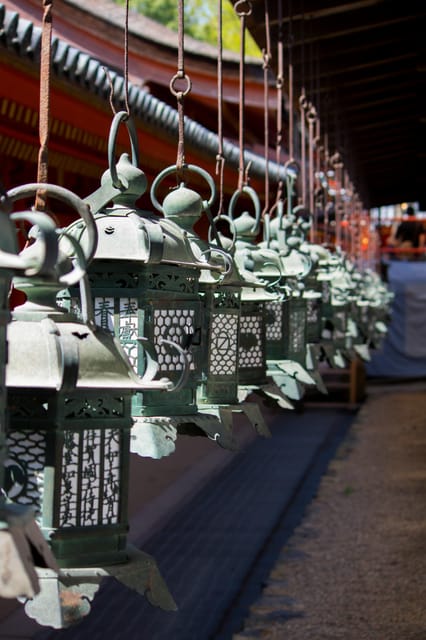
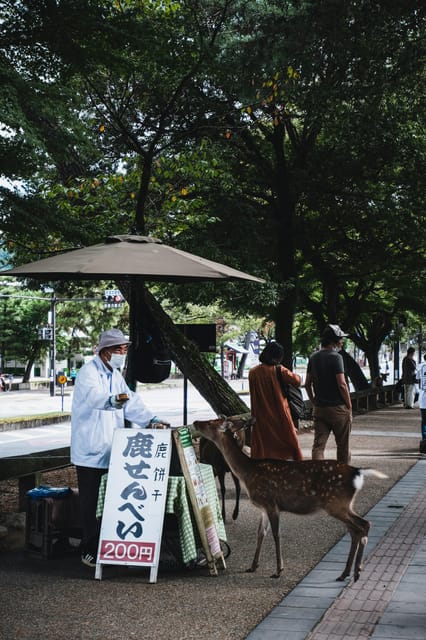
Nara Park is famous for its shika deer, and this tour gives them time, not just a quick glimpse. You’ll have about 45 minutes here, including wildlife viewing and those in-between moments where the deer wander close enough that the park suddenly feels personal.
What I like about this stop is the cultural framing. Shika deer aren’t just cute animals in Nara; they’re tied to Shinto beliefs as divine messengers of the gods. That background changes your mindset. Instead of thinking only about feeding, you start noticing behavior, space, and why people interact with the deer in a controlled, respectful way.
Practical tip: you’ll be able to buy shika senbei (deer crackers) and use them to engage with the deer. Keep it simple: offer the crackers calmly, avoid sudden movements, and remember you’re entering their space as much as they’re entering yours.
Why this park stop is more than a photo break
This is one of the few places where you can feel the shift from “city” to “ritual space” in minutes. You’re walking through nature while also seeing how people have structured their relationship with animals for a long time. If you like Japan when it’s quiet and observational, this part will hit your sweet spot.
Todai-ji: how the Great Buddha Hall changes the way you see everything else
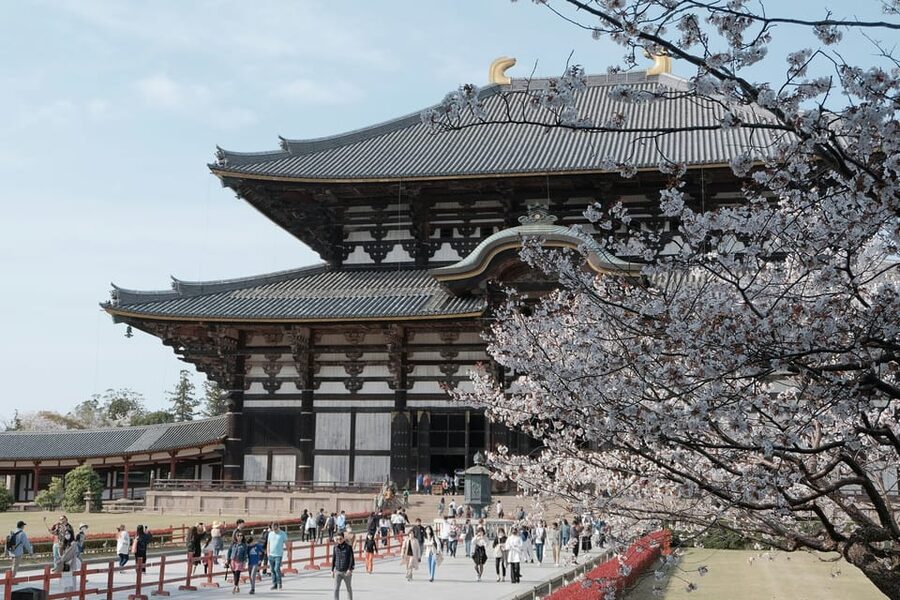
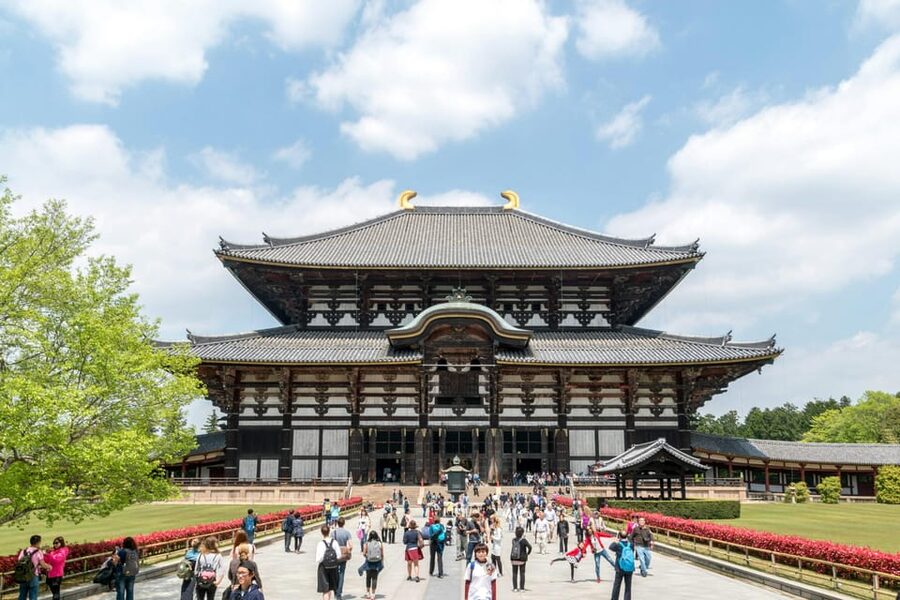
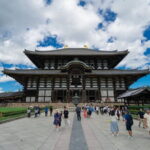
After Nara Park, you go to Todai-ji, with around 1 hour for a guided visit, sightseeing, and walking within the temple grounds. Todai-ji is the kind of site that can overwhelm you if you don’t have context, which is exactly why a guide helps here.
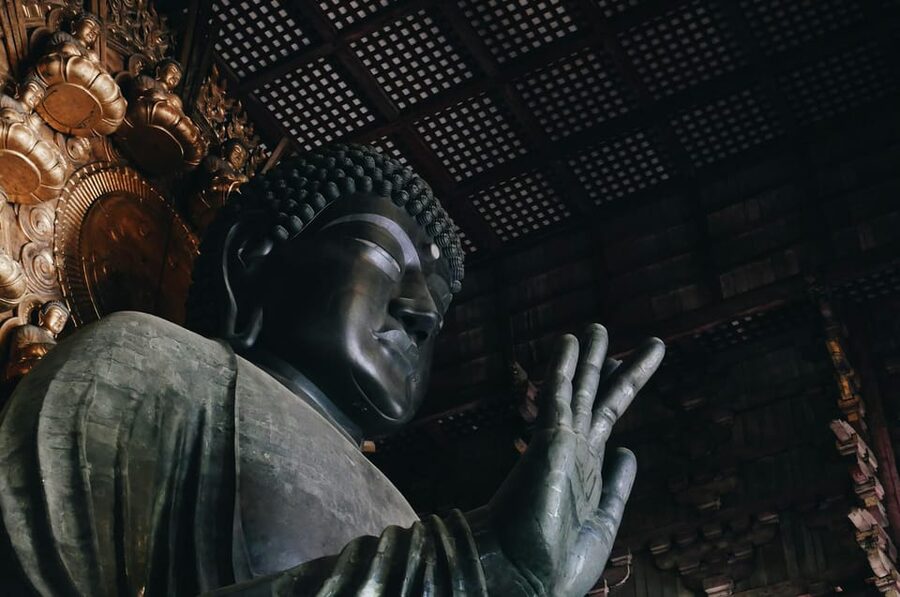
The headline moment is the Great Buddha (Daibutsu), housed in the Great Buddha Hall (Daibutsuden). The feature you’ll remember is scale: this is a towering bronze Buddha that dominates the space. Standing in that energy is one thing, but understanding what you’re looking at is what turns it into a real experience rather than a blur.
Don’t miss the Nandaimon Gate, where you’ll see fierce statues of the Nio guardians. Those guardian figures are the kind of detail that can get missed if you rush. With a guide pointing them out, you’ll know what to look for and why it’s placed there.
There’s also a small, fun moment that people often talk about: at the rear of the temple area, there’s a mystical pillar with a hole said to grant enlightenment to those who can squeeze through it. Even if you’re not in the mood to try it yourself, it’s worth knowing the story so you understand why visitors line up around it.
The best way to enjoy Todai-ji in limited time
You’ll likely feel the urge to cover everything. The smarter approach is to choose your “anchors.” Todai-ji’s anchors are the Great Buddha, the Nandaimon Gate area, and the small details your guide points out in between. That way, you leave with a mental map, not just a list of buildings.

Kasuga Taisha: vermilion shrine buildings and lanterns you can feel
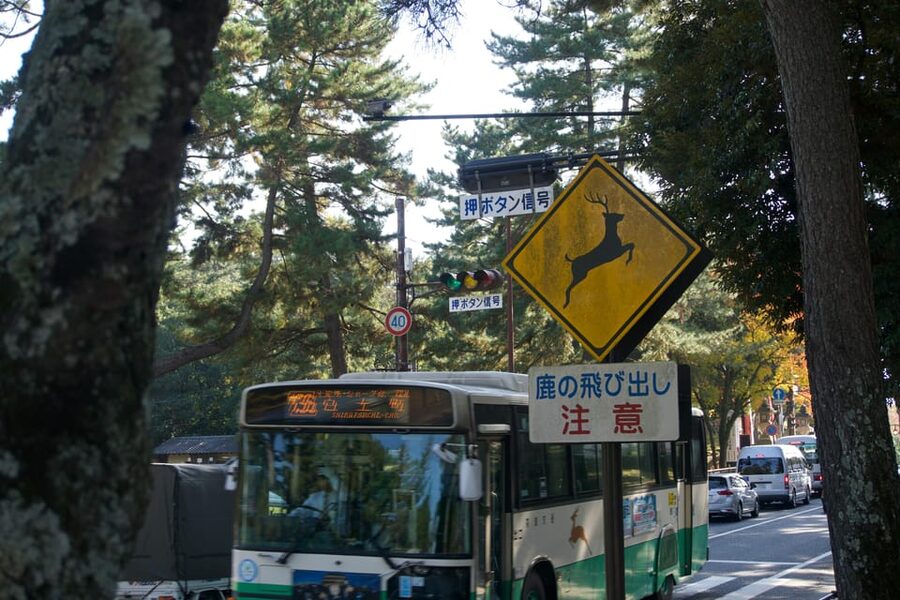
Next up is Kasuga-taisha, with about 45 minutes for a guided tour and sightseeing. This is a World Heritage Site, and the headline visual is what happens when the shrine architecture meets its lantern tradition.
Kasuga Taisha is known for its vermilion-lacquered structures and thousands of hanging lanterns. During festivals, those lanterns create a spectacle, but even outside the festival mood, the effect is still strong because the whole place is designed around repeated visual rhythm.
You’ll also get the “why” behind the site: Kasuga Taisha was founded in the 8th century and has played a vital role in Shinto rituals for over a millennium. That is a long time. It helps explain why the grounds feel orderly and purposeful rather than random.
If you like photography, this is where you’ll want your eyes up and your feet steady. Lanterns and red buildings tend to make great frames, but you don’t want to rush your viewing path. Let the guided pace give you time to slow down.
Garden calm as a break from temple intensity
Kasuga Taisha includes serene gardens and intricate carved wooden architecture. That combination is good for balancing the heavier scale moments you had at Todai-ji. You get a change of tempo: less “giant object,” more “ritual space with crafted details.”
Naramachi old town: traditional streets, shopping time, and a snack on us
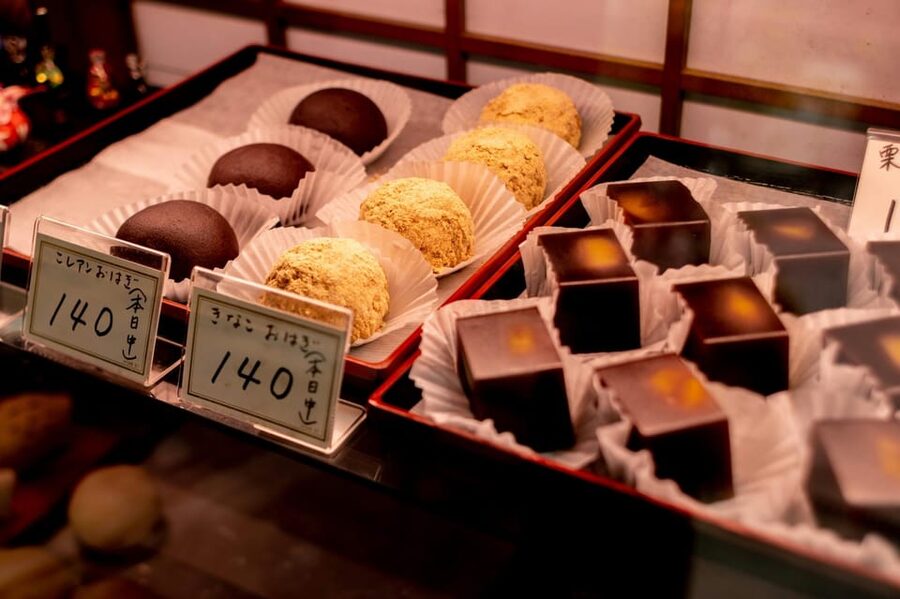
The final major stop is Naramachi, with about 45 minutes for shopping, sightseeing, and a food market visit. Naramachi is known for charming old-town streets lined with traditional machiya-style houses, and this timing works well because you’re not exhausted yet.
This is a good moment to switch from “temple seeing” mode to “daily-life Nara” mode. You’ll browse shops with local crafts and other items, and you’ll have a chance to eat through the area without needing a full sit-down lunch.
The tour also includes a traditional Japanese snack on us. That’s a nice touch because it turns the last stop from sightseeing into something more personal. It’s also a reminder that Nara isn’t only statues and shrines; it’s also flavors.
How to use this time wisely
In old towns, the biggest mistake is trying to buy everything at once. Give yourself a quick loop first. Then, if something caught your eye earlier, buy it. With only 45 minutes, you want decisions that feel calm, not frantic.
The guide matters more than you think
This kind of heritage walk lives or dies on the guide’s ability to connect the dots. The included professional English-speaking guide is a big part of the value here, especially when you’re moving through multiple sites with different styles and purposes.
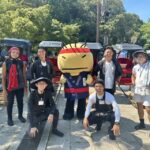
I’ve seen strong feedback on guide quality and how they manage energy in the group. For example, people have specifically noted guides like Ferdinand for being knowledgeable and helpful, and Angelito for knowing Nara well and sharing practical tips. One useful pattern: guides don’t just explain history; they share on-the-ground tips like how to feed the deer, where to look in shops, and how to get nice souvenir photos.
There’s also mention of a guide adapting to walking issues. That matters because a tour can look like a simple route on paper, but real legs have real limits. If you have mobility concerns, this kind of responsiveness makes the experience more comfortable.
Price and value: what $102 buys you in real terms
At $102 per person for a 4-hour tour, you’re paying for structure and convenience. This isn’t just a guided walk through a single temple; it includes public transportation, entrance fees, and guided commentary at each stop.
Here’s what that means for your wallet and your day:
- You avoid the time-cost of figuring out which tickets and entry points to line up for yourself.
- You get a guided flow across Nara Park → Todai-ji → Kasuga Taisha → Naramachi, which is the hard part when you’re short on time.
- You get a snack included at the end, which helps keep spending predictable.
What’s not included is also clear: lunch and personal expenses like souvenirs or extra snacks. So if you want a full meal, plan for that separately. If you’re okay with a light snack and browsing, you can keep your day simple and controlled.
Timing, walking, and what to pack for a smooth 4 hours
Comfort matters here. The tour includes a fair amount of walking, including a 20-minute transfer/walk from the station area, plus time moving around the temple grounds and old town.
What you should plan for:
- Comfortable shoes (non-negotiable)
- Water for your own pace
- A small bag you can manage while moving between crowded areas
If you’re sensitive to long standing times, take advantage of the guided moments where you can pause and listen. The guide’s job is to keep you pointed at the right spots so you’re not wasting energy walking in circles.
Who should book this Nara Heritage Walkabout
This tour is a strong fit if:
- You want a fast, focused overview of Nara’s major highlights without planning every ticket and route.
- You like experiences that combine nature, temples, and old-town streets in one day.
- You appreciate guidance that includes practical tips, not just lecture-style facts.
It may be less ideal if:
- You dislike walking or standing, even with breaks built into the stops.
- You want a slow, unstructured day where you wander for hours without timing.
On the upside, the tour is wheelchair accessible, and it’s offered as private or small groups, which often means less crowd pressure and easier pacing.
Should you book? My practical take
Book it if you want a smart one-session tour that hits the essentials: Nara Park deer, Todai-ji’s Great Buddha, Kasuga Taisha lantern grandeur, and Naramachi’s old streets—with entrances and transport handled. The included English guidance plus the included entrance fees and snack make it feel like a fair deal rather than a bare-bones walking tour.
Skip it only if your priority is deep, unhurried temple study or you already know Nara well enough to plan tickets and routes on your own. For most first-timers, this is an efficient way to experience Nara at a pace that still leaves room to enjoy what you’re seeing.
FAQ
Where is the meeting point for the tour?
You meet at a Lawson convenience store directly outside of Kintetsu Nara station.
How long is the Nara Heritage Walkabout?
The tour lasts about 4 hours.
What’s included in the price?
The price includes a professional tour guide, public transportation, entrance fees, and guided tours and commentary at each location.
What language is the tour guide?
The live tour guide speaks English.
Is there a lunch included?
Lunch is not included in the tour.
Is it possible to cancel for a refund?
Yes. You can cancel up to 24 hours in advance for a full refund.