REVIEW · MELBOURNE
Melbourne Tour: Walk the Yarra & Heritage Convent Experience
Book on Viator →Operated by Yarra Bend Tours · Bookable on Viator
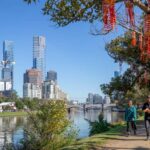
Melbourne has a riverside you can hike. This small-group walk pairs Yarra River park trails with local culture and heritage that’s far closer than you’d expect from the city center. It’s a nature-and-stories outing that feels like you’re getting a peek behind the usual tourist map.
I especially like the chance to see an urban wildlife spectacle: tens of thousands of flying foxes along the river. I also like that you slow down at Dights Falls to learn about Wurundjeri people of the Kulin Nation and the meaning of the place, not just the scenery.
One watch-out: this is a walk with uneven terrain for about 2 to 2.5 hours, so it’s not a good fit if mobility is limited or you’re not comfortable staying on your feet.
In This Review
- Key highlights to know before you go
- Walking the Yarra at 8:00am: a city “escape” that stays close
- Yarra Bend Park trails: where the city fades and the bats steal the show
- Dights Falls with the Wurundjeri story: what to look for beyond photos
- Abbotsford Convent break: cake, heritage buildings, and guided context
- How pickup, group size, and the poncho change the day
- Price and value: what you’re really getting for $129.10
- Pace, terrain, and who should book this (and who shouldn’t)
- Should you book the Melbourne Tour: Walk the Yarra & Heritage Convent Experience?
- FAQ
- What’s the duration of the tour?
- Where does the tour start, and when?
- How much does the tour cost?
- Is pickup included?
- What’s included in the price?
- Is bottled water provided?
- Are ponchos provided?
- How large is the group?
- Is the tour suitable for people with limited mobility?
- Do I need good weather?
- What’s the cancellation policy?
Key highlights to know before you go
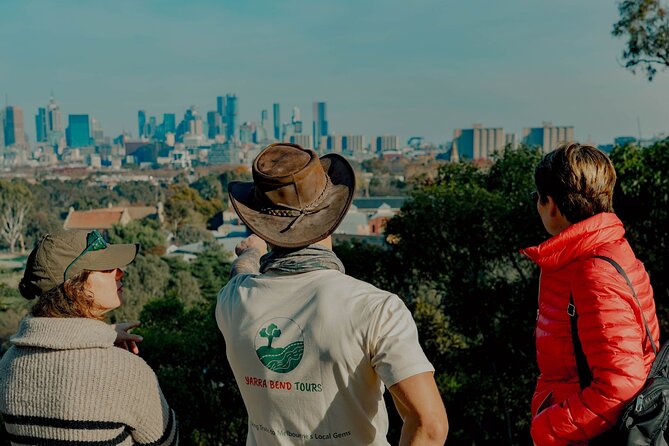
- Flying fox colony views: you can encounter up to 50,000 bats in their natural habitat along the riverbank
- First Nations focus at Dights Falls: time set aside for Wurundjeri (Kulin Nation) heritage and how the land has changed
- Abbottford Convent guided visit: National Heritage-listed buildings plus a break with cake and a drink
- Small group size (max 11): more time for questions and a relaxed pace at trail level
- Practical inclusions: taxi pickup/drop-off, poncho, and a first aid kit
Walking the Yarra at 8:00am: a city “escape” that stays close
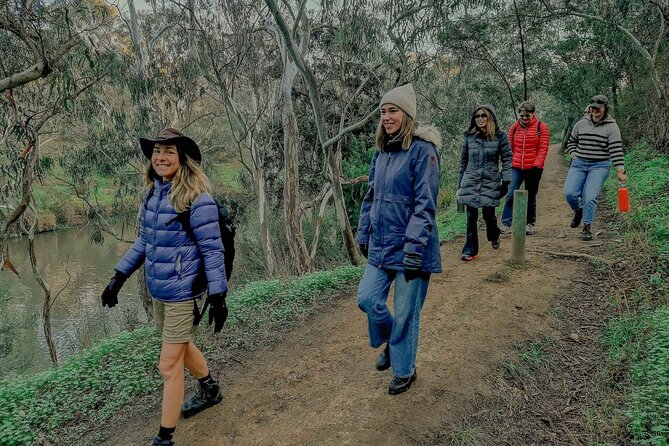
This tour works because it gives you a real break from the bustle without forcing you into a long day trip. You start at Windsor111 Spring Street (8:00am), then head into the river parklands that sit just about 15 minutes from the center. That timing matters: you get daylight and cooler air potential (depending on the season), plus you’re not stuck fighting the city crowds first.
I like that it’s designed to feel local rather than like a checklist. The route combines trails, wildlife moments, and built heritage, so you’re not just walking between stops. You’re also learning what you’re actually seeing—plants, river life, and the human story layered into the area.
There’s also a clear signal about the vibe: small group (up to 11) and a guide who keeps the pace friendly. From the feedback you’ll see, guides like Chloe are often praised for being warm and relaxed while still sharing plenty of local detail. If you want a day that feels easy to join and worth your time, that matters more than people expect.
You can also read our reviews of more tours and experiences in Melbourne.

Yarra Bend Park trails: where the city fades and the bats steal the show
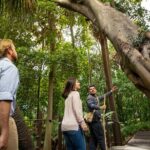
The walk begins with a scenic trail along the Yarra in Yarra Bend Park. Expect a river-walk feel—meandering paths, chances to look around, and time to pause. It’s the kind of route where you notice small changes: light bouncing off the water, trees along the bank, and the subtle rhythm of birds and wildlife activity.
The big “wow” is the flying fox colony. You pass through one of the largest urban colonies in Australia, with the possibility of seeing as many as 50,000 bats along the riverbank. This is one of those moments where the location matters. Urban wildlife doesn’t show up like an exhibit; it’s right there in the habitat.
A practical way to prepare: be ready for close observation, and don’t plan to treat this as a strictly quiet nature walk. If you’re the type who hates surprise bird/bat moments, this could feel intense. On the other hand, if you like nature that’s real and local, you’ll likely love it.
Also remember: you’ll be on uneven ground for part of the time. Comfortable shoes are a must, and if it’s been raining, take extra care where the trail changes.
Dights Falls with the Wurundjeri story: what to look for beyond photos
After the river trail segment, you head to Dights Falls, a culturally important site for the Wurundjeri people of the Kulin Nation. The tour gives you time to appreciate that significance and how the land has evolved. This is the part that adds meaning, because it frames the walk as more than scenery.
What I find valuable here is the pacing. You’re not rushed past the site like a roadside stop. You pause, listen, and connect the natural feature to the people who have relationship with it. If you care about respectful travel and learning context, this section is one of the reasons the tour is better than the typical “look and go” outing.
You don’t need to be an expert to enjoy it. The guide’s job is to explain what matters and why. In feedback tied to Chloe’s guiding style, people often highlight how she points out historic landmarks and keeps the stories grounded—so you’ll likely come away thinking about the place differently than when you arrived.
One consideration: this isn’t a hands-on museum experience. It’s outdoors and reflective, so if you’re looking for purely indoor history content, you may want to pair it with another stop during your trip.
Abbotsford Convent break: cake, heritage buildings, and guided context

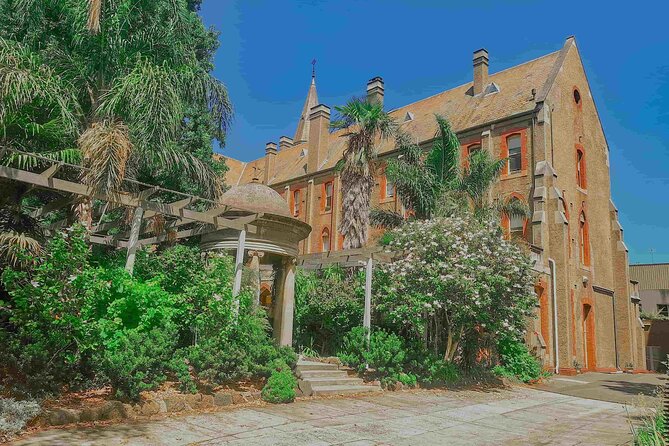
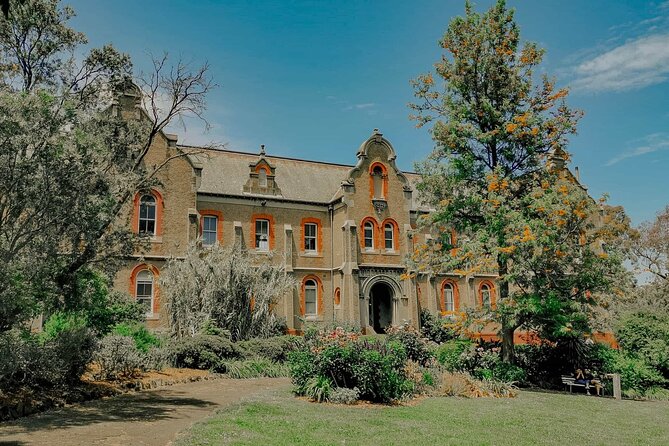
Next comes Abbotsford Convent, listed as a National Heritage-listed site. You’ll walk toward it through tranquil bushland and riverside scenery, so the day doesn’t feel like it jumps abruptly from trail to building—there’s a natural transition.
The convent stop includes a guided visit, plus a break with cake and a drink. That small “food moment” is more than a snack. It’s built into the flow so you can reset your legs, warm up or cool down depending on conditions, and ask questions before you head back out.
This is also where the tour’s culture-and-history blend becomes tangible. The buildings and the setting give you something physical to connect to, while the guide fills in the meaning. People often say they learned things they hadn’t known even though they live in the area, which is a good sign: the content isn’t generic.
A small practical note: bottled water isn’t included, so bring your own if you know you’ll want it on the walk. The cake and drink help, but they’re not a substitute for water once you’re active.
How pickup, group size, and the poncho change the day

At $129.10 per person, you’re paying for more than walking. You get taxi pickup/drop-off, a guided experience, and key items that remove friction: a poncho and a first aid kit. That means you’re less likely to show up under-prepared if the weather turns or you didn’t pack layers.
The meeting point—Windsor111 Spring Street—is also convenient. It’s not some remote dock or hard-to-find neighborhood meeting spot. If you’re staying central, you can plan your morning around it without adding extra transport anxiety.
The group size (max 11) is one of those details that quietly improves the experience. In a larger crowd, wildlife moments can feel chaotic. In a smaller group, you can actually look at what the guide is showing, and you’re more likely to get answers to questions instead of being shuffled along.
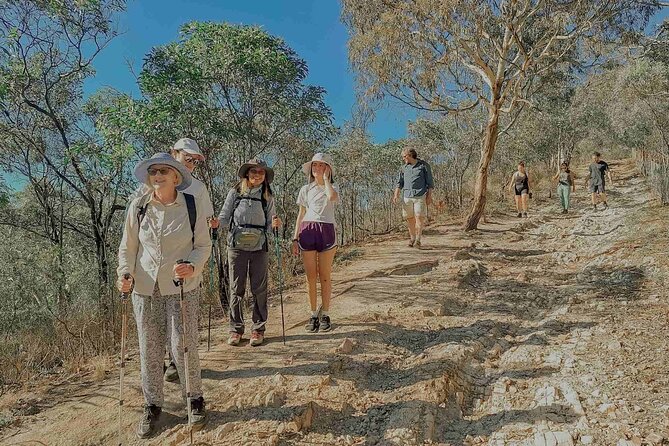
Pace matters too. This tour isn’t a casual stroll-only option. Since it’s not recommended for people who can’t walk 2 to 2.5 hours on uneven terrain, treat it as a guided hike. In return, you get a richer sense of place because you’re moving through real parkland rather than just hopping from one view to another.
Price and value: what you’re really getting for $129.10
The headline number—$129.10—might look steep at first glance. But when you break down what’s bundled, the value starts to make sense.
You’re getting:
- Taxi pickup/drop-off (not “meet us somewhere and figure it out”)
- A guided walk through Yarra Bend Park trails
- A flying fox colony visit
- Cultural insight at Dights Falls with First Nations significance
- A guided visit to Abbotsford Convent (National Heritage-listed)
- Cake and drink, plus a poncho and first aid kit
- Admission tickets included (for the tour components that require them)
- Mobile ticket
When a tour includes transport, guiding, and entry-type costs, it tends to cost less than piecing it together yourself. Even if you live in the area, the value comes from the planning and the storytelling. You’re not just walking—you’re walking with someone who knows how to connect what you see to local meaning.
Where it may not feel like a bargain is if you already know this area well and you’re only chasing one single highlight. But if you want a compact 3 to 4 hour outing that mixes nature, heritage, and learning, the price feels more reasonable.
Pace, terrain, and who should book this (and who shouldn’t)
This tour is best for people who enjoy walking and don’t mind uneven park paths. It’s designed for most travelers, but the key limits are clear: it’s not recommended for limited mobility, and it’s not recommended for anyone unable to walk about 2 to 2.5 hours on uneven terrain.
If you’re bringing grandparents, anyone with ankle issues, or someone using a mobility aid, I’d be cautious based on those stated limits. The tour is outdoors and active, so “we can do it slowly” might not be enough.
If you’re a solo traveler, a couple, or a small group who wants a morning that feels both relaxing and meaningful, this fits well. The max 11 person size helps the day feel friendly rather than crowded, and it likely improves the wildlife viewing too.
For families: it may work for older kids who can handle walking on uneven ground and can sit through guided explanations at sites like Dights Falls and the convent. For small kids who can’t manage the terrain comfortably, you might want to skip it or choose a shorter, flatter option.
Should you book the Melbourne Tour: Walk the Yarra & Heritage Convent Experience?
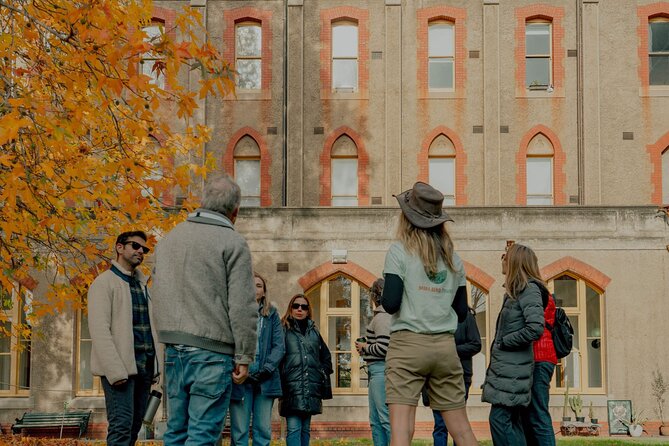
Book it if you want a nature-and-culture morning that stays close to the city, includes real wildlife viewing, and gives you context at meaningful places. I’d especially recommend it if you’re the type who likes learning why a spot matters, not just where it is.
Think twice if you:
- need a step-free, low-mobility experience (this one isn’t built for that)
- can’t handle uneven outdoor paths
- don’t want a large wildlife moment involving flying foxes
One more decision helper: if you’re in Melbourne for a short stay and want variety without committing to a full day of transit, this is a strong match. It packs river trails, Dights Falls heritage significance, and Abbotsford Convent guided history into a 3 to 4 hour window with pickup and practical extras.
FAQ
What’s the duration of the tour?
It runs for about 3 to 4 hours.
Where does the tour start, and when?
The start is at Windsor111 Spring Street, Melbourne, with a start time of 8:00am.
How much does the tour cost?
The price is $129.10 per person.
Is pickup included?
Yes. Taxi pickup and drop-off are included.
What’s included in the price?
You’ll get coffee and/or tea with cake, guided walk through Yarra Bend Park trails, flying fox colony visit, cultural insight of Dights Falls for First Nation people, a guided visit to the Abbotsford Convent, poncho, first aid kit, and admission tickets where included. Mobile tickets are used too.
Is bottled water provided?
No. Bottled water isn’t included.
Are ponchos provided?
Yes. Ponchos are included.
How large is the group?
The tour has a maximum of 11 travelers.
Is the tour suitable for people with limited mobility?
It’s not recommended for travelers with limited mobility, and it’s also not recommended for travelers unable to walk for 2 to 2.5 hours on uneven terrain.
Do I need good weather?
Yes. The tour requires good weather, and if it’s canceled due to poor weather you’ll be offered a different date or a full refund.
What’s the cancellation policy?
You can cancel for free up to 24 hours in advance for a full refund. Changes made less than 24 hours before the start time aren’t accepted, and cancellations within 24 hours of the start time aren’t refunded.