One hill, four temples, and two stupa legends in one day. This Kathmandu Valley UNESCO circuit is an efficient way to see how Hindu and Buddhist Nepal share the same streets and sacred spaces. I like that the tour is built around classic icons: Swayambhunath first, then Patan, Boudhanath, Pashupatinath, and the Durbar Square area.
Two things I especially like: you get private transportation with an experienced guide (so you’re not guessing your way around), and the route hits 5 UNESCO World Heritage Sites without turning the day into a marathon. The main trade-off is time. Each major stop is brief (often about 30 minutes), so if you want a slow, photo-only, or ritual-watching pace, you may feel a bit rushed.
If your schedule is tight, this is a smart fix. If you prefer deep, unhurried exploring at just one or two sites, you’ll probably wish you had more hours.
In This Review
- Key highlights worth planning for
- A tight UNESCO circuit: what 4 to 6 hours really means
- Swayambhunath Monkey Temple: the hilltop start that sets the tone
- Patan Durbar Square: where Newari temple clusters steal the show
- Boudhanath Stupa: giant dome, Buddhist focus, and a calmer pace
- Pashupatinath on the Bagmati River: Nepal’s Hindu pilgrimage core
- Basantapur and Kathmandu Durbar Square, with the Kumari Temple
- Money and tickets: does $40 feel like a deal?
- Your guide matters: how local touches can make the day better
- Timing, weather, and comfort tips that actually help
- Should you book this Kathmandu Valley UNESCO day tour?
- FAQ
- Which UNESCO World Heritage Sites are included?
- What is the duration of the Kathmandu tour?
- Is pickup included, and how many travelers are in the group?
- What time does the tour start?
- Are entrance fees included in the price?
- Is lunch included?
- Is the tour weather-dependent?
Key highlights worth planning for
- 5 UNESCO World Heritage Sites in one route, mixing Hindu temples and Buddhist stupas
- Private transportation + experienced guide, with group size capped at 15
- Swayambhunath Monkey Temple first, so you start with big views and calm hilltop atmosphere
- Boudhanath Stupa dome and prayer setting gives you a different Nepal than the temple squares
- Pashupatinath on the Bagmati River, the most important Hindu stop on the day
- Kathmandu Durbar Square with the Kumari Temple adds local cultural detail beyond the big names
A tight UNESCO circuit: what 4 to 6 hours really means
This tour is priced at $40 and runs about 4 to 6 hours, starting at 9:15 am. You’re not just buying tickets to sights—you’re buying structure: pickup offered, private transportation, and a guide who can move you from one sacred site to the next without wasting time.
The route is also designed for a “first-day in Kathmandu” feel. You’ll bounce between hilltop views, dense temple squares, and major pilgrimage sites. That’s great if you’re trying to understand Kathmandu Valley fast. The downside is exactly what you’d expect from a half-day structure: you’ll spend less time inside details and more time seeing the big picture.
One practical thing to note: this tour includes mobile ticket use, but monuments entrance fees are not included (worth about $30 USD). So the best value math is: $40 for the tour + plan extra for site entry, plus lunch (not included).
You can also read our reviews of more tours and experiences in Kathmandu.
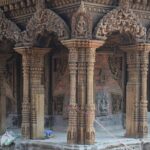
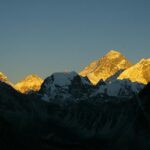
Swayambhunath Monkey Temple: the hilltop start that sets the tone
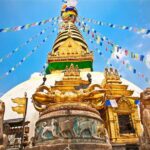
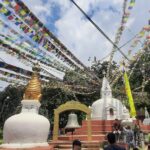
You begin at Swayambhunath Stupa, also known as the Monkey Temple. This is one of those places where the whole hill seems like part of the artwork. It’s a Hindu and Buddhist blend, so you’ll see how the valley’s religions overlap in daily life, not in theory.
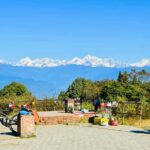
The tour typically gives you around 30 minutes here. That’s enough time to find the main viewpoints, notice the chaityas and stupas, and understand why this site matters. The location also helps. You’re high up, so even quick wandering turns into a geography lesson about Kathmandu Valley—rooftops below, sacred points around you, and temple bells of some sort in nearly every direction.
Keep your expectations realistic: 30 minutes is a sprint. If you want to sit quietly and watch religious rhythms for longer, you’ll need to return later on your own. But as a first stop, it’s a strong opener because the hilltop energy makes the rest of the day easier to follow.
Patan Durbar Square: where Newari temple clusters steal the show
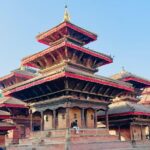
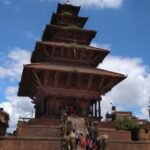
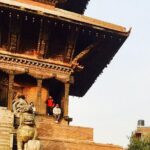
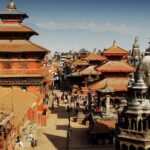
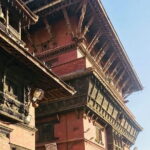
After the hilltop, you move to Patan Durbar Square, the royal palace area of Patan. This is where the architecture feels dense in a good way—an intense concentration of temples in Newari architecture. If you’ve seen photos of Kathmandu’s Durbar Squares, this one is often the stop where the details start to feel real.
You’re given about 30 minutes. In that time, the goal is orientation: how the square is laid out, what the main temple groupings look like, and why people describe it as a concentrated mass rather than a single monument. If your guide points you toward the museum inside the Durbar Square, it can add context fast, especially if you’re the kind of person who likes to know what you’re looking at.
One word of caution: Durbar Squares can feel busy. You’ll be walking through a living cultural space, not a museum hallway. Plan to stay alert with your belongings and wear shoes you don’t mind stepping on uneven stone paths. For a short visit, this is still one of the best uses of your time because Patan compresses an enormous amount of visual information into a walkable area.
Boudhanath Stupa: giant dome, Buddhist focus, and a calmer pace
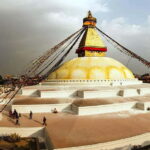
Next comes Boudhanath Stupa, one of the most famous Buddhist sites in the valley. The tour description places it around the 14th century, and the setting is built around a huge dome. A “Buddhist pyramid” sits on top, creating the kind of silhouette that’s easy to recognize even from a distance.
The itinerary typically gives you about 30 minutes, and that’s enough to do three things well:
1) understand the scale of the dome,
2) see how the stupa sits inside everyday movement, and
3) feel the slower rhythm compared to temple-square walking.
This is also a nice change of pace. After Hindu temples and Durbar Square density, Boudhanath tends to feel more open in your attention. Even if you don’t follow the prayers step by step, you’ll pick up the atmosphere—people pausing, people moving around, and everyone treating the stupa like the center of the universe.
Entrance is not included, so if you want the smoothest day, keep some cash or payment access ready for monument fees. Then you can focus on looking rather than sorting logistics.
Pashupatinath on the Bagmati River: Nepal’s Hindu pilgrimage core
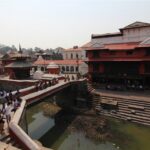
Pashupatinath Temple is the spiritual heavyweight on this route. It’s a major Hindu pilgrimage site on the bank of the Bagmati River, and it’s described as the seat of Nepal’s national deity. In plain terms: this isn’t a background landmark. It’s a place people come for devotion and identity.
You get around 30 minutes. That’s short for a site of this size, but you can still make it worthwhile by approaching it with the right goal. Don’t try to see everything. Instead, spend your time understanding the layout: how the temple complex sits relative to the river, where the activity concentrates, and what the sacred boundaries look like.
If you’re going for a respectful visit, dress and behavior matter. Keep shoulders and knees covered if you can. Move with care near the temple edges and avoid blocking others. You don’t need to perform anything. You just need to recognize that you’re walking through a working religious space, not a staged attraction.
This stop is often the one that makes the rest of the day feel more meaningful, because it anchors Nepal’s Hindu side clearly before you shift back toward the Durbar Square world.

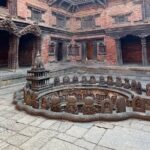
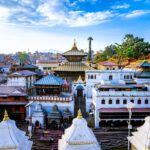
Basantapur and Kathmandu Durbar Square, with the Kumari Temple
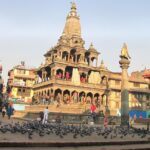
The day finishes around Kathmandu Durbar Square, also tied to Basantapur. One highlight noted on this tour is a visit to the Kumari Temple. That detail is useful because it shifts your attention from big stones and famous monuments to a living cultural symbol inside the square’s environment.
Like the other main stops, the visit time here is typically about 30 minutes. That means your focus should be quick: get oriented in the square, find the key temple areas, and then spend the remainder of your time on the Kumari Temple stop if you’re able to access it during your visit window.
Durbar Squares reward your eyes, but they also reward your patience. Stone surfaces, carved details, and small courtyards can take time to register. If you’re moving fast, it’s easy to miss the “how.” So do this: slow down for a minute, pick one façade or doorway, and read it with your eyes. Even in a short visit, that habit makes the experience feel fuller.
Money and tickets: does $40 feel like a deal?
At $40, you’re paying for private transportation and an experienced tour guide, not just the sight list. That matters in Kathmandu, where traffic and navigation can turn a simple day into a stressful shuffle if you’re traveling on your own.
But the entrance math changes the final picture. Monuments entrance fees worth about $30 USD are not included, and lunch isn’t included. So, for budgeting, plan on a total that’s closer to roughly $70+ depending on your personal pace and which paid areas you choose to enter.
For value, the key question is this: do you want someone handling timing and movement between distant UNESCO sites? If yes, this tour is a solid deal. If you’re comfortable driving yourself around and picking sites with apps, the cost may feel more like convenience than necessity.
Also, the tour has a maximum of 15 travelers, which helps keep things orderly. You’re not packed into a huge bus with ten different agendas.
Your guide matters: how local touches can make the day better
The tour is run by Sublime Trails Pvt. Ltd, and the guide experience seems to be a big part of the satisfaction. Names that come up include Ram, Shiva, Ramesh, Ajit, and Ganesh, and the common theme in that guide reputation is preparation and clear explanations.
Here’s what you can realistically benefit from. If your guide is the talkative, detail-oriented type, you’ll likely get context you’d miss otherwise—why a stupa is placed where it is, what you’re seeing in the temple clusters, and how Kathmandu Valley’s UNESCO sites connect as a system.
Some guides also seem to add practical food stops during the day. One example from past experiences: momo at Patan, local snacks near freak street, and lassi at Indra Chowk. Those stops aren’t listed as guaranteed inclusions, so treat them as “you might get lucky” perks if your schedule and route allow. Still, they’re a great reminder: Kathmandu’s best stories often come from what you eat between sights.
Timing, weather, and comfort tips that actually help
This experience requires good weather. If conditions are poor and the tour can’t run, you’ll be offered a different date or a full refund. That’s important in Nepal because fog, rain, or bad skies can turn hilltop walking and outdoor time into a miserable experience.
Plan around the rhythm: the tour starts at 9:15 am, so you’ll want to be ready before your pickup window. Bring a refillable water bottle if you can. Wear comfortable shoes, because Durbar Square and temple approaches can mean uneven stone and lots of standing.
Also remember that Swayambhunath is on a hilltop, and that can mean stairs and slopes. If you want photos, aim to capture the key view without blocking foot traffic—this is a place people use every day.
Finally, keep a small amount of cash or payment options ready for entrance fees. Not because the tour is difficult, but because you’ll enjoy the day more when you’re not scrambling at ticket counters.
Should you book this Kathmandu Valley UNESCO day tour?
Yes, I think you should book it if you want a structured, high-value primer on Kathmandu Valley’s major sacred sites and you have limited time. The combination of private transport, a real guide, and a route that hits five UNESCO landmarks makes it efficient without feeling like a factory tour.
Skip it if you’re looking for slow travel, deep museum time, or long ritual observation. With roughly 30 minutes per stop, you’ll come away knowing the highlights—but not necessarily feeling done with them.
If this is your first trip and you want to see the biggest icons in one day, this tour is a strong way to get your bearings fast—especially with a guide who can explain what you’re looking at and help you move calmly from place to place.
FAQ
Which UNESCO World Heritage Sites are included?
The tour visits five UNESCO World Heritage Sites: Swayambhunath Stupa (Monkey Temple), Boudhanath Stupa, Pashupatinath Temple, Basantapur Durbar Square (Kathmandu Durbar Square area), and Patan Durbar Square.
What is the duration of the Kathmandu tour?
The duration is listed as 4 to 6 hours (approx.).
Is pickup included, and how many travelers are in the group?
Pickup is offered, and the group size is limited to a maximum of 15 travelers.
What time does the tour start?
The start time is 9:15 am.
Are entrance fees included in the price?
No. Monument entrance fees are not included and are noted as worth about $30 USD.
Is lunch included?
No. Lunch is not included.
Is the tour weather-dependent?
Yes. The experience requires good weather. If it’s canceled due to poor weather, you’ll be offered a different date or a full refund.