REVIEW · NEW DELHI
The Great Indian Food Tour: Old Delhi Food and Heritage Walk
Book on Viator →Operated by THE LOST COMPASS · Bookable on Viator
Old Delhi smells like street food heaven. This half-day walk pairs Old Delhi’s spice-and-silver market lanes with a guide-led route, plus multiple tastings you can actually enjoy without second-guessing every stall. I love the spice market stops and the way they kick off your senses fast, and I love the small-group setup (max 12), which keeps the pace human even when streets get loud. The one drawback: you’ll be on busy, uneven lanes for hours, so it’s not the most relaxing option.
You meet at UNIQLO Connaught Place (no hotel pickup), then your guide handles the hard part: picking the best places, timing the stops, and getting you around. You’ll get bottled water and a ride in a cycle/electric rickshaw or tuk-tuk, which helps a lot, but you should come ready to eat and walk.
In This Review
- Key things to love on this Old Delhi food walk
- Old Delhi tastes better when a guide does the hunting
- Price and value: what $43 buys you in real eating time
- Meeting up at Connaught Place and starting without stress
- Getting around: rickshaws, tuk-tuks, and why the ride matters
- Stop 1: Chawri Bazaar for traditional bites and a food-brain reset
- Stop 2: Khari Baoli spice market and chai with stories
- Stop 3: Balli Maran for tradition markets and street-food variety
- Stop 4: Naughara lane of nine houses and an optional Jain temple
- Stop 5: Chandni Chowk square for the main-event food energy
- Stop 6: Kinari Bazar for color shops and one last taste
- How the tour handles pace in tight streets
- Food safety and allergies: the practical way to enjoy street food
- Vegetarian and non-vegetarian options depending on timing
- The heritage part: what you’re actually learning
- Who should book, and who should skip this Old Delhi street-food route
- Should you book the Great Indian Food Tour
- FAQ
- How long is the Old Delhi food and heritage walk?
- What is the price per person?
- How many people are in a group?
- Is food and drink included?
- Do I get to ride in a vehicle during the tour?
- Where is the meeting point?
- Does the tour include hotel pickup or drop-off?
- Is there a vegetarian or non-vegetarian option?
- Is visiting the Jain temple included?
- What if the weather is bad?
Key things to love on this Old Delhi food walk
- Spice market + silver market route that keeps you focused instead of wandering
- Rickshaw or tuk-tuk ride that breaks up the walking and traffic stress
- Food and drinks included so you can sample widely without hunting for prices
- Local guide stories from guides like Sonali and Dolly that add context to every bite
- Small group (max 12) for smoother pacing and easier questions
Old Delhi tastes better when a guide does the hunting
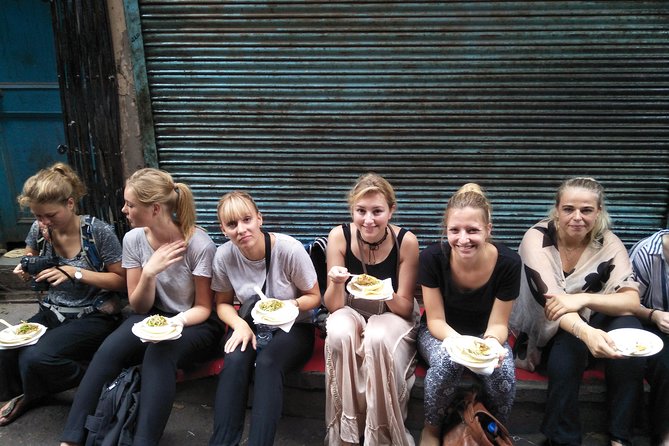
Old Delhi has a special kind of “food chaos.” It’s full of smells, smoke, chatter, and carts. If you go on your own, you’ll likely find food, sure. But you might also miss the places that are reliable, clean, and made for locals—not just for hungry tourists.
This tour keeps you on a tight route with real stops and a guide who talks you through what you’re eating and why it matters. In groups led by guides like Sonali or Dolly, the vibe often feels like you’re traveling with someone who actually shops the streets, not someone reading from a script. The payoff is simple: you try more, you feel steadier doing it, and you come away with a mental map of the area.
You can also read our reviews of more tours and experiences in New Delhi.


Price and value: what $43 buys you in real eating time
At $43 per person for about 5 hours, the value is in the combination. You’re not paying only for a walk. You’re paying for food, drinks, bottled water, and a ride (cycle/electric rickshaw or tuk-tuk), plus entry tickets and fees.
If you’ve ever spent a day in Old Delhi buying “one snack at a time,” the math gets painful fast. Here, you get enough samples to make it feel like a proper food day, not just a snack break. Several guide-led groups also report trying roughly 10–15 different items, and that variety is exactly what you want when you’re new to the neighborhoods.
Meeting up at Connaught Place and starting without stress
Your start point is UNIQLO Connaught Place, Building No. 1, 1-A, Radial Rd Number 2, Block A, New Delhi, Delhi 110001. The tour ends back at the meeting point.
Hotel pickup and drop-off aren’t included, so you’ll want to plan to get there on your own. The good news: it’s near public transportation, so you can usually connect without a big detour. If you’re arriving tired, this matters. A clear meeting point and a guide waiting for you is one less thing to manage before you start eating.
Getting around: rickshaws, tuk-tuks, and why the ride matters
You’ll ride in a cycle/electric rickshaw or a tuk-tuk as part of the itinerary. That ride isn’t just fun—it’s practical. Old Delhi streets can be slow, narrow, and crowded, and you don’t want your entire tour to be one long foot slog.
In particular, the ride helps when traffic or pedestrian crush makes the walking feel longer than it is. One common theme in guide feedback is that they adjust to the group so people can keep moving comfortably, including adding breaks or changing how you move when someone needs it.
Stop 1: Chawri Bazaar for traditional bites and a food-brain reset
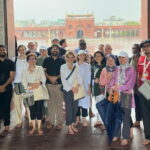
You start at Chawri Bazaar, with a traditional breakfast vibe on the morning style and traditional snacks on the evening style. The itinerary lists about 45 minutes for this stop, and admission is free.
This is a strong opener because it’s where you get grounded. Markets can overwhelm you in seconds. Starting with a breakfast or snack format helps you ease in, learn what kinds of flavors and textures to expect, and warm up your appetite for the next markets.
One practical tip: go hungry. The whole tour is built around sampling, and several people say they felt safe trying lots of items because the choices were planned. If you arrive full, you’ll miss the fun part: tasting widely instead of picking only what you already know.


Stop 2: Khari Baoli spice market and chai with stories
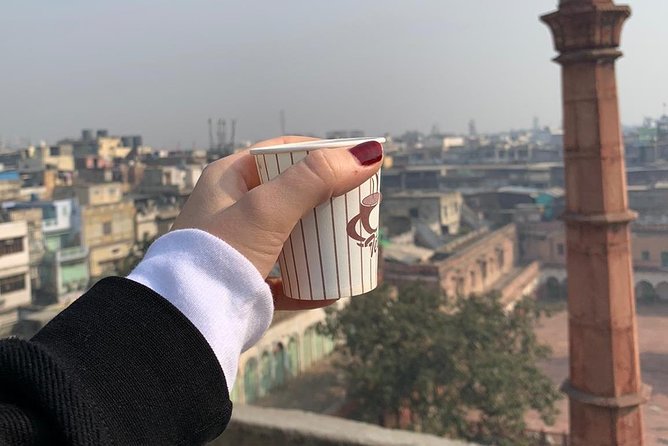
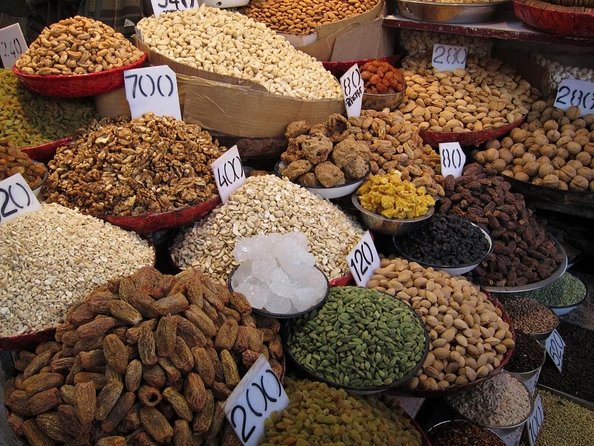
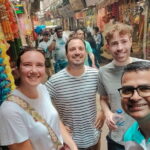
Next is Khari Baoli, about 30 minutes. This is described as one of the oldest spice markets, and you’ll enjoy a cup of tea there, alongside stories about Old Delhi and its people.
This stop is more than a photo moment. Spices in Old Delhi aren’t just ingredients; they’re part of the local economy and daily life. A guide pointing out what you’re seeing (and when you’ll taste it later) turns the experience into something you can remember—not just smell once and forget.
If you’re curious about how markets work, watch how people move through the space, how vendors present goods, and how quickly your senses adjust. The tea break gives you a breather without killing the momentum.
Stop 3: Balli Maran for tradition markets and street-food variety
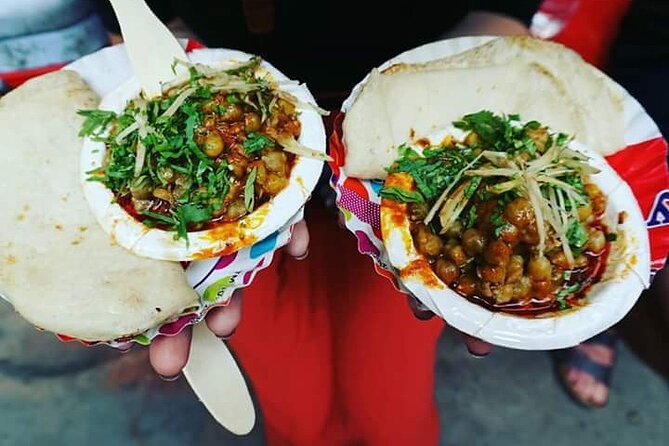
Balli Maran is next, also around 30 minutes. The itinerary focuses on exploring traditional markets and trying food dishes.
This is where your tour starts feeling like a chain of chapters: market → food → context → market again. You’re not only eating; you’re also building a sense of how neighborhoods are organized around commerce and community routines.
The best part here is variety. Many groups report a wide range of foods—sweet, savory, fried items, and chai—so you get a broad taste of what Old Delhi street food culture is about, without having to make every decision yourself.
Stop 4: Naughara lane of nine houses and an optional Jain temple
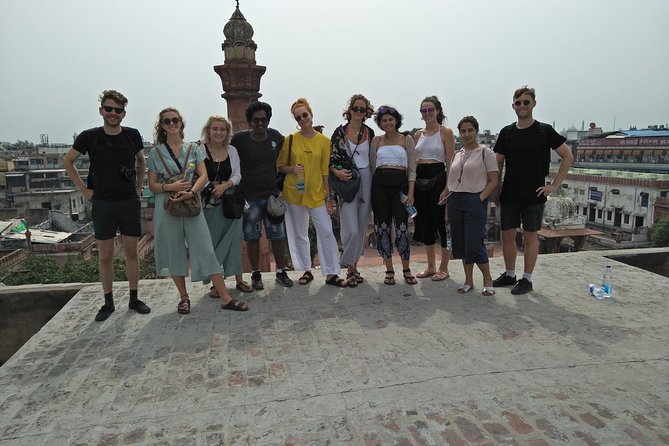
Stop 4 is Naughara, the row of nine houses. You’ll spend about 30 minutes here, exploring one of the more beautiful lanes of Old Delhi. The lane ends at one of the oldest Jain temples, and the visit is optional and free.
This stop adds a calm beat to all the food-market energy. It’s a chance to slow down and look at how Old Delhi architecture and religious life sit right alongside trade and street eating.
Because the temple visit is optional, you can match it to your energy level. If you’re keeping it strictly food-focused, you can skip the temple moment. If you want a deeper look at the neighborhood’s cultural texture, this is a good place to add it.
Stop 5: Chandni Chowk square for the main-event food energy
Chandni Chowk is where many people feel Old Delhi “click” into place. Your time here is about 40 minutes, with more food sampling and exploring around the square.
This is the most famous area on the route, and that fame comes with intensity—crowds, noise, movement, and lots of sights competing for attention. That’s also why a guided route helps. Without one, it’s easy to drift into stalls that don’t match your interests or your comfort level.
As a food stop, Chandni Chowk works because it’s a place where different stalls and styles cluster. A good guide helps you avoid over-ordering the obvious and instead focus on what fits the tour’s planned sequence.
Stop 6: Kinari Bazar for color shops and one last taste
You finish at Kinari Bazar, about 20 minutes. This market is known for its colorful shops.
Kinari Bazar is a nice closing stop because it shifts the focus slightly from food to the look and feel of the area. You get a chance to see how market life continues after the biggest food square moments, and you can pick up the visual cues that make Old Delhi feel real rather than staged.
If you want souvenirs, shopping isn’t included—but the route includes time at this market to enjoy it.
How the tour handles pace in tight streets
Old Delhi is not gentle. Even when the route is efficient, the streets can feel chaotic. What matters is whether the tour keeps moving in a controlled way.
Across guide-led experiences, the common win is that the group isn’t left to figure things out. Your guide guides. They explain what you’re eating, watch the group, and help you navigate turns, transport, and timing between stops. Some feedback also highlights how guides adjusted when someone needed extra stops or shorter walking sections, which is the kind of flexibility you’ll really appreciate if you have any mobility limits.
Still, be honest with yourself: this isn’t a sit-down tasting menu. It’s walking plus sampling.
Food safety and allergies: the practical way to enjoy street food
One of the biggest confidence builders here is that the food stops are selected. Multiple experiences describe feeling safe trying everything, with no stomach problems afterward. Nobody can guarantee how your body will react, but choosing trusted vendors and eating what the tour plans for you is the smartest way to reduce risk.
If you have allergies, you should tell the operator ahead of time. The tour notes to let them know about any food allergies, so your guide can steer you toward what’s appropriate. Also remember this is a street-food format, so you should treat it like a culinary challenge: start with the tastings, don’t overdo it, and ask questions if something looks different from what you expected.
If you have a serious medical condition, the tour isn’t recommended. That’s not a scare tactic—just a reminder that the pace and environment are more intense than a typical food market crawl.
Vegetarian and non-vegetarian options depending on timing
The itinerary has a split approach. It lists a vegetarian traditional breakfast at Chawri Bazaar and also mentions a non-vegetarian version with traditional snacks, especially for the evening-style tour.
What that means for you: if you’re vegetarian (or you eat everything), match the tour time you’re booking to what you want to sample. The guide can also help you decide once you’re there, but the basic structure is built around the time of day.
The heritage part: what you’re actually learning
This is a food tour, but it doesn’t treat food like an isolated hobby. Each market stop comes with context—stories about Old Delhi’s people and how trade and food connect.
For me, the strongest heritage value is the way it teaches you to notice. After this, you’ll look at spice stalls and silver-market details and understand they’re part of a daily system. You also learn how religious spaces, residential lanes, and marketplaces share space and shape daily rhythms.
Even if history isn’t your thing, you’ll still leave with practical city sense: which streets feel like food zones, where the major market energy peaks, and how the neighborhood flows.
Who should book, and who should skip this Old Delhi street-food route
You’ll likely love this if:
- You want to try lots of street food without guessing every stop
- You like markets that smell like spices, not like museum gift shops
- You want a guide to explain what you’re eating while you walk
- You enjoy group energy, with time to chat and compare tastes
You might want to skip or rethink if:
- You hate crowds and noise (Old Delhi is not quiet)
- You need a very gentle pace or lots of sitting time
- You have serious medical concerns that make active street walking tough
If you’re visiting Delhi for the first time and want a fast, high-impact intro, this kind of route makes sense. It also works well for solo travelers because you’re never alone with the logistics.
Should you book the Great Indian Food Tour
Book it if your goal is a guided, food-first Old Delhi experience with enough tastings to feel like real value. The price stacks up because the tour includes food, drinks, bottled water, entry fees, and a rickshaw/tuk-tuk ride, not just a walk and a couple of snacks.
Skip it if you want a quiet, slow, sit-down meal experience. This is street-life. It’s fast, crowded, and intense in a way that’s part of the charm.
One last tip: come hungry, wear shoes you trust, and be ready to keep your senses on high alert. If you do that, you’ll come away with both full stomach and a clearer picture of Old Delhi beyond the postcards.
FAQ
How long is the Old Delhi food and heritage walk?
The tour lasts about 5 hours (approx.).
What is the price per person?
It costs $43.00 per person.
How many people are in a group?
The tour has a maximum of 12 travelers.
Is food and drink included?
Yes. Food and drinks are included, along with bottled water and snacks.
Do I get to ride in a vehicle during the tour?
Yes. You’ll ride in a cycle rickshaw, electric rickshaw, or tuk-tuk.
Where is the meeting point?
You meet at UNIQLO Connaught Place, Building No. 1, 1-A, Radial Rd Number 2, Block A, Connaught Place, New Delhi, Delhi 110001.
Does the tour include hotel pickup or drop-off?
No. Hotel transfers are not included, and the tour ends back at the meeting point.
Is there a vegetarian or non-vegetarian option?
The itinerary includes a vegetarian traditional breakfast in one version, and non-vegetarian traditional snacks in the evening version.
Is visiting the Jain temple included?
The Jain temple visit at the end of the Naughara lane is optional and free.
What if the weather is bad?
The experience requires good weather. If it’s canceled due to poor weather, you’ll be offered a different date or a full refund.