REVIEW · NEW BRUNSWICK
Mi’kmaq Heritage Path Tour
Book on Viator →Operated by Elsipogtog Mi'kmaq Cultural Center, Artisan Gift Shop & Tours · Bookable on Viator
A forest walk with living culture. This Mi’kmaq Heritage Path Tour in Elsipogtog, New Brunswick, pairs a traditional greeting and smudging ceremony with a guided walk through the forest and hands-on time inside ancestral-style buildings. You’re not just touring objects—you’re learning how people connect with nature, community, and cultural ways.
I especially love the chance to step inside authentically constructed spaces like the wigwam, longhouse, and sweatlodge, built by a local elder and knowledge keeper. I also like that the tour ends with a safe Q&A at the Cultural Center, so you can ask what’s on your mind instead of guessing later.
One thing to plan around: the experience requires good weather. If conditions are poor, it can be rescheduled or refunded, so don’t lock yourself into a tight timetable that day.
In This Review
- Key Highlights You’ll Care About
- Elsipogtog Heritage Path: what this tour really offers
- Meeting at 29 Big Cove Rd and tour basics that matter
- Stop 1 at Elsipogtog: traditional greeting and smudging teachings
- The forest Heritage Path: learning nature-based practices the practical way
- Step inside the wigwam, longhouse, and sweatlodge
- The Cultural Center Q&A: ask before you guess
- Snacks and that warm ending moment
- Price and value: free admission with real teaching time
- Who should book this tour (and who might want a different fit)?
- Practical tips so you get the most out of the Heritage Path
- Should you book the Mi’kmaq Heritage Path Tour?
- FAQ
- How long is the Mi’kmaq Heritage Path Tour?
- Where does the tour start and end?
- Is the tour offered in English?
- What’s included in the ticket?
- Is the tour suitable for most travelers?
- How large are the groups?
- Are service animals allowed?
- What happens if the weather is bad?
Key Highlights You’ll Care About
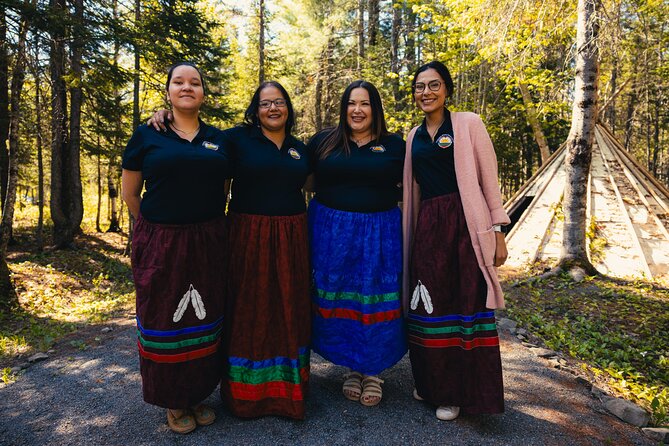
- A short, well-paced 2-hour visit with room for questions at the end
- A guided forest walk focused on traditional uses of nature and medicines
- Step-inside structures: wigwam, longhouse, and sweatlodge made by a local elder
- Traditional greeting plus smudging to set the tone respectfully
- Small group size (max 25), which helps the conversation stay human
- English tour with mobile ticketing, so you can travel light
Elsipogtog Heritage Path: what this tour really offers
Elsipogtog First Nation is the setting, but the star is the Heritage Path experience: a structured introduction that connects cultural teachings to everyday life and to the natural world around you. You start in the community, move into a forested learning walk, and then wrap up with Q&A in a Cultural Center space.
What I find meaningful here is the way the tour is built to connect past and present. The opening teaching frames cultural ways as something living—practiced, explained, and carried forward. Then the forest walk continues that idea by focusing on traditional uses of nature for self and community.
Meeting at 29 Big Cove Rd and tour basics that matter
You’ll meet at 29 Big Cove Rd, Elsipogtog First Nation, NB E4W 2S1. The tour ends back at the meeting point, so you don’t have to figure out a second transport step after you’re done.
The timing is listed as about 2 hours (approx.). The tour description also notes 1 hour 30 minutes for the admission ticket experience, so expect something in that range with time built in for ceremony, walking, and questions. It’s offered in English, and you’ll use a mobile ticket.
Group size is capped at 25 travelers. For a cultural experience with ceremony and education, that number feels about right. You get enough people for energy, without turning the whole thing into a lecture hall.
Stop 1 at Elsipogtog: traditional greeting and smudging teachings
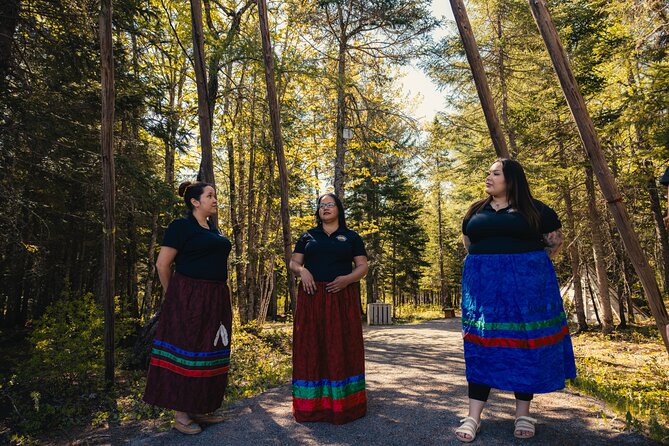
The tour begins with a traditional greeting. After that, you enter a community-raised teepee where you’ll take part in a smudging ceremony alongside teachings and insights meant to connect cultural ways from the past to present customs.
This is the part of the tour where your mindset matters most. Come ready to be respectful, quiet when asked, and attentive during the teaching moment. This isn’t a quick photo-stop. It’s an opening ritual meant to set context for everything that follows.
After the ceremony, an interpretive knowledge keeper leads you onward. That “keeper-led” style is helpful if you want clarity instead of vague generalities. You’ll hear the story with purpose—then you’ll see it reinforced while walking.
The forest Heritage Path: learning nature-based practices the practical way

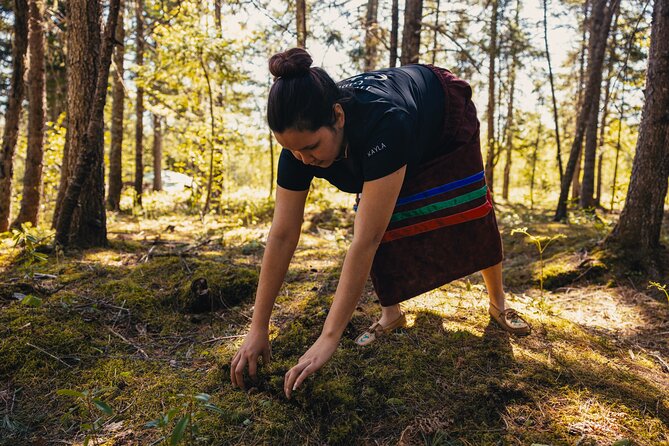
Next comes the natural, forested Heritage Path. Here you learn traditional and time-honored ways of using Mother Nature’s gifts and medicines for a better self and community.
Even with limited time, this doesn’t feel like a long history talk. It’s framed as living knowledge—how people understand and work with the natural world. That focus is valuable because it turns “culture” into something you can picture and understand, not just something you’ve heard as a concept.
The forest setting also changes the pace. You move as you learn, so the teachings land in your body instead of just your head. If you like tours that mix education with real surroundings, this section is one of the main reasons the tour holds such a strong reputation.
Step inside the wigwam, longhouse, and sweatlodge
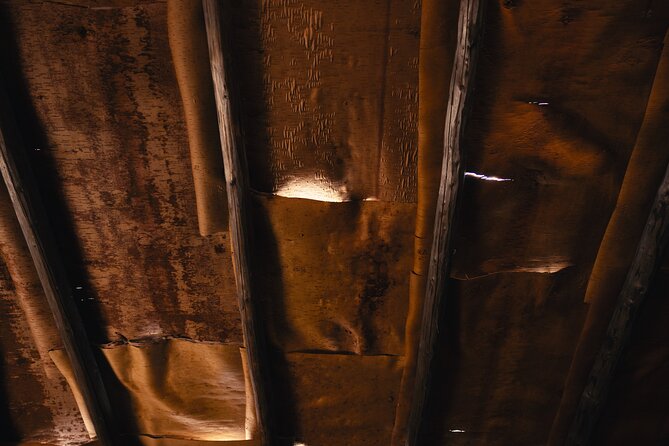
One of the tour’s biggest strengths is the chance to step inside authentically constructed structures: a wigwam, longhouse, and sweatlodge. The tour description says these were made by a local elder and knowledge keeper, and this 2023 season includes time for guests to enter and feel what life would have been like in ancestral times.
This is where the experience becomes memorable in a tangible way. You’re not only told how people lived—you’re allowed to experience the space. That can help you understand scale, materials, and atmosphere far faster than reading about it later.
There’s also a built-in context layer: because the buildings come after the greeting and the teaching, you’re seeing them as part of a bigger cultural system, not as standalone “attractions.” That sequencing matters.
The Cultural Center Q&A: ask before you guess
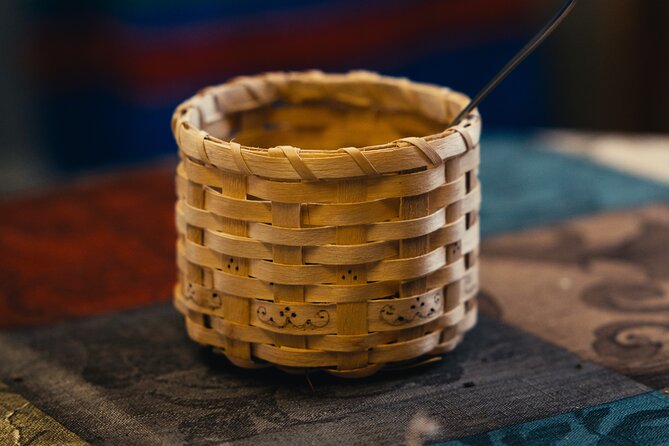
The last part happens in the Cultural Center, where you’ll have a safe space to ask questions about Mi’kmaq culture. This isn’t framed as a rushed “five questions and go.” The tour gives you time to clear up confusion and follow curiosity.
That Q&A time is gold if you’re the type who likes to understand what you’re seeing instead of leaving with half-answers. It’s also helpful for travelers who worry about saying the wrong thing while sightseeing. The setting is meant for questions, so you can engage without feeling like you’re interrupting.
I also appreciated how this wrap-up closes the loop. The tour begins with ceremony and teachings, continues with learning in nature, and finishes by inviting dialogue. That whole arc makes it feel more like a conversation than a drive-by visit.
Snacks and that warm ending moment

Snacks are listed as not included, but the tour description says a traditional snack will be served near the end. That’s a detail worth confirming when you book, because the listing language can be a little confusing.
Still, the tone of the closing moments comes through clearly. One highlight I noted from the experience feedback is freshly baked bread, paired with a warm, sweet vibe from the guide and assistant. If that kind of welcome matters to you—comfort food, simple hospitality, and a relaxed finish—this tour seems designed for it.
Price and value: free admission with real teaching time
Admission is listed as free, and the tour includes all fees and taxes. That alone is a strong value signal. You’re not paying a premium for the privilege of being present; you’re paying in time and attention, which is exactly what cultural learning experiences should ask from you.
Because the group is capped at 25 and the tour includes guided teaching plus Q&A, the time with your hosts is part of the value. This isn’t a long ride to a distant stop where you only get a quick glance at everything. You’re there for about two hours, and your contact time is structured.
Also, the “free admission” model can make it easier to add this stop to a wider New Brunswick itinerary without feeling like you need to justify every dollar.
Who should book this tour (and who might want a different fit)?
This tour is ideal if you want cultural education that feels grounded in place. If you like experiences that connect spirituality, community, and nature-based knowledge, you’ll probably enjoy the pacing and the focus.
It also fits well if you’re traveling with a group that wants a shared learning moment. The small size helps keep it personal, and the Q&A makes it easier for different personalities to benefit.
If you’re hoping for a purely casual walk with lots of sightseeing photos and minimal ceremony, you might find the opening moments more serious than expected. The good news is that the tour gives you context and asks for respectful participation—so you’re not left guessing what you’re supposed to do.
Practical tips so you get the most out of the Heritage Path
A few practical moves can help everything go smoothly:
- Wear comfortable clothing and footwear for a natural, forested path.
- Bring a respectful attitude for the start of the tour. The traditional greeting and smudging ceremony set the tone.
- Plan to arrive a few minutes early at 29 Big Cove Rd so you’re not rushing.
- Have questions ready for the Cultural Center Q&A. If you’re unsure what to ask, start with the basics: what you’re seeing, what you’re learning, and how it connects to today.
One more planning note: this experience is weather-dependent. Build in flexibility so you’re not stressed if the tour needs a change due to conditions.
Should you book the Mi’kmaq Heritage Path Tour?
If you want an authentic, structured cultural experience in Elsipogtog that includes teaching, a guided walk, and time to ask questions, I think it’s a strong choice. The biggest draw is the way the tour connects ceremony and teachings to real places—especially the time inside wigwam, longhouse, and sweatlodge structures made by a local elder and knowledge keeper.
Add in the small group size and the overall high rating (an average of 4.8 with 96% recommending the tour), and it’s hard to argue against booking if your travel dates line up. Just make sure you’re comfortable with the ceremonial beginning and that your schedule can handle weather changes.
FAQ
How long is the Mi’kmaq Heritage Path Tour?
The tour is listed as about 2 hours (approx.). The experience description also notes 1 hour 30 minutes for the admission ticket, so expect a short, focused visit with time for ceremony, walking, and questions.
Where does the tour start and end?
It starts at 29 Big Cove Rd, Elsipogtog First Nation, NB E4W 2S1 and ends back at the meeting point.
Is the tour offered in English?
Yes. The tour is offered in English.
What’s included in the ticket?
The tour includes all fees and taxes. A traditional snack may be served near the end, but snacks are listed as not included, so confirm what to expect at booking.
Is the tour suitable for most travelers?
The tour notes that most travelers can participate.
How large are the groups?
The maximum group size is 25 travelers.
Are service animals allowed?
Yes. Service animals are allowed.
What happens if the weather is bad?
The experience requires good weather. If it’s canceled due to poor weather, you’ll be offered a different date or a full refund.