REVIEW · DUBROVNIK
Dubrovnik Old Town: Easy paced and accessible History tour
Book on GetYourGuide →Operated by Get Lost in Dubrovnik · Bookable on GetYourGuide
A tour in Dubrovnik without the stair headache. It’s an easy-paced Old Town history walk that hits the big landmarks while keeping you comfortable and moving.
I especially like that it’s designed for wheelchair and senior-friendly comfort, with a relaxed tempo that still covers the major sights.
One thing to consider: even with an accessible route, Dubrovnik’s Old Town is still an outdoor walking experience, so you’ll want water and a hat.
In This Review
- Quick hits before you go
- Dubrovnik’s Old Town, but easier on your legs
- Where you meet and how the tour feels right away
- Onofrio’s Fountain: the calm starting line
- Franciscan Church and Monastery: history you can picture
- Stradun: the Old Town’s main spine
- Orlando’s Column: symbolism, not just a photo spot
- Old Port: where trade and power show up in real life
- Fortresses of Revelin and St. John: defense explained in plain language
- Dubrovnik Cathedral: architecture with meaning
- Rector’s Palace and Sponza Palace: the civic heart, not just landmarks
- What makes this tour truly accessible (without pretending it’s effortless)
- Stories you’ll actually remember: diplomacy and everyday life
- How much you pay and why it’s good value
- Practical tips so your walk feels comfortable
- Should you book this Dubrovnik Old Town easy-paced accessible tour?
- FAQ
- How long is the Dubrovnik Old Town easy paced and accessible history tour?
- Where does the tour start?
- What sights are included?
- Is the tour wheelchair accessible?
- What language is the tour guide speaking?
- What should I bring?
Quick hits before you go
- No-stairs format makes Dubrovnik feel less stressful, especially around the busiest sights.
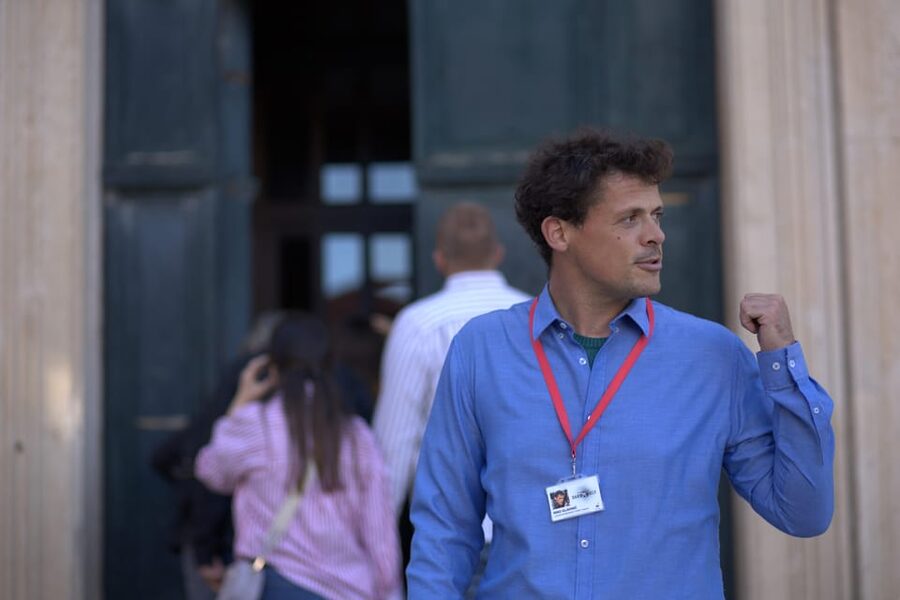
- Certified local guides bring the stories to life, with anecdotes that go beyond the usual postcard facts.
- Major Old Town highlights are included in about 1.5 hours, so it’s a smart use of limited time.
- Flat, easy movement is a major selling point, and the pace can be adjusted when needed.
- Small-group energy can happen, including situations where you may end up with very few people.
Dubrovnik’s Old Town, but easier on your legs

Dubrovnik’s Old Town is beautiful, but it can also be exhausting. This tour keeps you moving at a steady, leisurely pace so you can actually enjoy what you’re seeing instead of focusing on where the steps start.
The heart of the experience is a guided history walk that connects key places to real people and events. Instead of a rapid-fire checklist, you get time for stories, questions, and those small “wait, that’s why it looks like that” moments. Guides like Nino, Pero, and Frano show up with friendly delivery and clear English, and they’re happy to adjust the speed when your group needs it.
You can also read our reviews of more tours and experiences in Dubrovnik.
Where you meet and how the tour feels right away
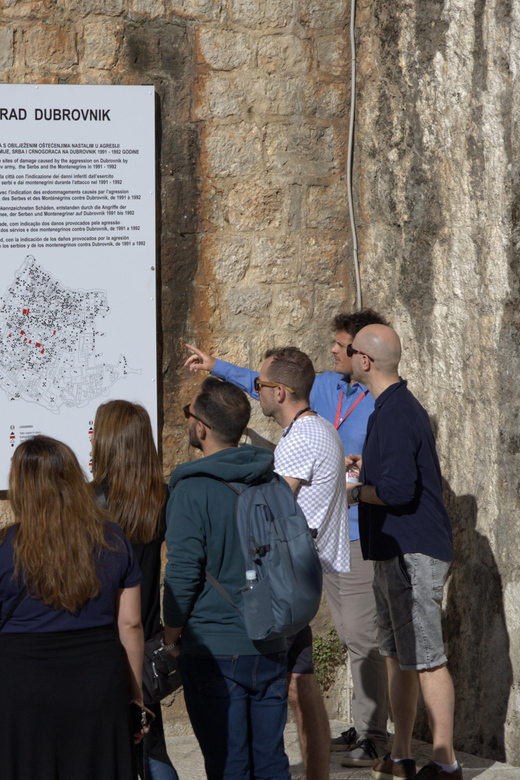
You start near TIC DUBROVNIK Ltd., with the pickup point located by Large Onofrio’s Fountain, specifically next to the two yellow mailboxes. That matters more than it sounds. In a walled city, the easiest tours feel easy because you don’t waste time hunting for the group.
Once you’re gathered, the guide frames the walk in human terms: life in the city, how it changed through hard times, and what you can still recognize in the architecture today. If you like tours where the guide talks like a real person, not a script, this one fits well.
Onofrio’s Fountain: the calm starting line
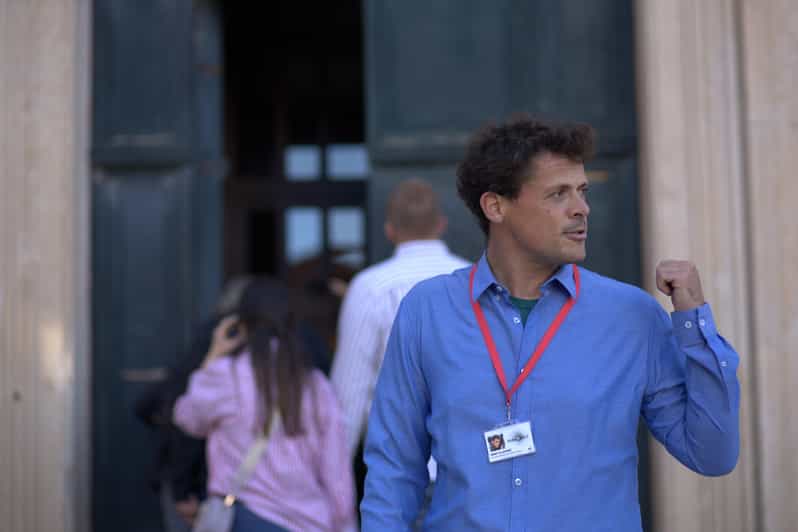
The tour begins at Large Onofrio’s Fountain. It’s a smart first stop because it places you at the edge of the Old Town’s main flow, without asking you to climb into the hardest areas.
From here, the guide uses the city’s early water and civic design as a jumping-off point. You’ll hear about Dubrovnik’s long and turbulent past, but you’ll also get the practical side of how the city worked. That balance helps the rest of the route click: later landmarks stop feeling random and start feeling connected.
Franciscan Church and Monastery: history you can picture
Next up is the Franciscan Church and Monastery. This stop works especially well on an easy-paced tour because you get time to notice details that you’d skip during a fast walk.
The guide typically ties places like this to what makes Dubrovnik distinct as a city-state—how it governed itself and how its leaders navigated constant pressure. Expect more than just dates and names. You’ll also hear stories that explain the tone of the city: why people acted the way they did, and how architecture became a kind of public language.
A small but real benefit here: you’re not rushing past the monastery while trying to keep up with the group. If you’re traveling with mobility limits, this kind of rhythm makes the Old Town feel readable.
Stradun: the Old Town’s main spine
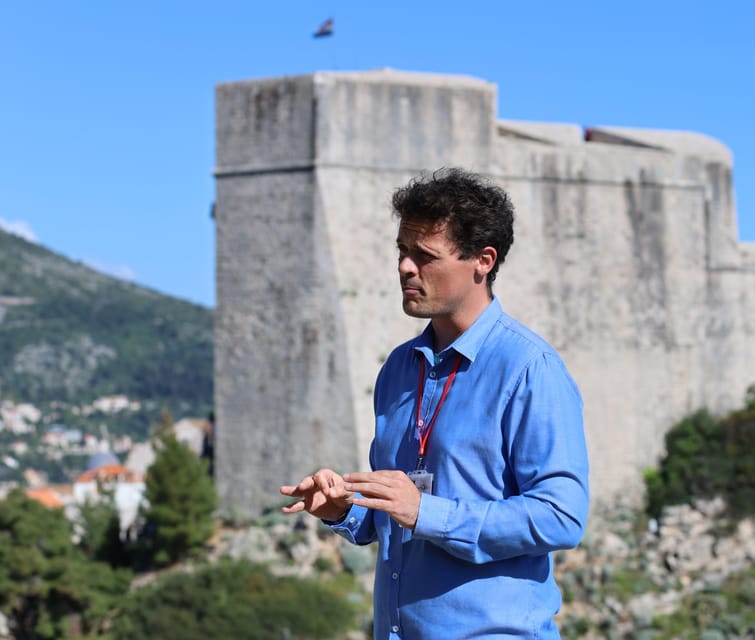
Then you move onto Stradun, the famous main street that acts like the spine of Dubrovnik. If you want the “I’m really in the Old Town” moment, this is where you get it.
Even at a slower tempo, Stradun quickly shows you what the city values: alignment, visibility, and public space. The guide usually uses the street as a timeline, pointing out what to notice as you go—so you understand the logic behind the layout rather than memorizing buildings.
Stradun is also a good place to ask questions. Guides frequently answer with context about architecture and daily life today, which helps you connect the Old Town to the real Dubrovnik you’ll be exploring after the tour.


Orlando’s Column: symbolism, not just a photo spot
At Orlando’s Column, the conversation shifts toward civic identity. This is a classic Dubrovnik landmark, but on an accessible history walk, it becomes more than a picture.
Expect the guide to connect the column to Dubrovnik’s public image and governance—how leadership wanted the city to be seen, and how authority was expressed in visible forms. You may also pick up fun, human storytelling. One guide style you’ll hear in this experience: clear explanations with small humor, so you’re engaged rather than buried in facts.
Old Port: where trade and power show up in real life
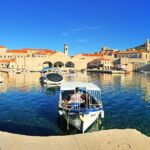
From Orlando’s Column, you reach the Old Port. This stop is valuable because it grounds the history in the city’s “why.” Dubrovnik wasn’t built just for beauty. It grew and survived through trade, diplomacy, and maritime strength.
The guide’s stories often connect the port to how the city thought and acted under pressure. If you’re curious about how a small state could punch above its weight, you’ll get that here. You’ll also get an idea of how defense shaped daily life, which makes later fortress references feel less abstract.
Even if you’re not a history person, the Old Port tends to click. You can stand there and picture how goods moved, how people arrived, and how quickly the city had to respond to threats.
Fortresses of Revelin and St. John: defense explained in plain language
Along the way, you’ll see and learn about the fortresses of Revelin and St. John. These are the kinds of places people often treat like distant scenery, but on this tour they’re used to explain the city’s strategic thinking.
What’s useful is the guide’s framing: defense wasn’t just walls and weapons. It was part of the city’s identity and survival plan. When you understand that, Dubrovnik’s layout makes more sense—why sight lines and positions matter, and why the city cared about how it looked to outsiders.
This is a stop that also works well for mobility needs because it’s about understanding what you’re viewing, not grinding through difficult movement.
Dubrovnik Cathedral: architecture with meaning
Next comes Dubrovnik Cathedral. Cathedral stops can go one of two ways: either you’re told a long church lecture or you get a quick tour of exterior features. Here, the tone tends toward explanation that ties architecture to the story of the city.
You’ll likely get guidance on what to notice and why it mattered. The big takeaway is how Dubrovnik used strong design choices to communicate endurance, identity, and public values. If you’re the type who reads details in photos, this stop gives you a way to “see” instead of just look.
Rector’s Palace and Sponza Palace: the civic heart, not just landmarks
The walk also includes major historic civic sights like Sponza Palace and Rector’s Palace. These are essential Dubrovnik buildings, and they work especially well on an easy pace because you can linger with the guide’s explanations.
These structures help you understand that Dubrovnik’s power wasn’t only military. It was also legal, administrative, and cultural. When you’re not rushing, you can connect the architecture to the stories you heard earlier at the fountain, the port, and the symbolic column.
If you enjoy history that feels connected to how people actually lived, this portion will likely be one of the most satisfying parts of the tour.
What makes this tour truly accessible (without pretending it’s effortless)
The biggest promise here is straightforward: a stairs-free Old Town experience with wheelchair access and a senior-friendly pace. That matters because the standard Dubrovnik experience can force you into difficult movement just to see the highlights.
What I appreciate is how the tour is paced. The route is designed to be flat and easy, and the guide can slow down if needed. In the real world, that means you’re not left behind at every turning point, and you’re more likely to hear the explanation instead of focusing on your footing.
That said, you still are outdoors in a historic city. Bring water and plan for warm weather or sun exposure. The tour itself is meant to reduce strain, but you still need basic comfort habits.
Stories you’ll actually remember: diplomacy and everyday life
A memorable thing about this tour is the way it blends big themes with quirky details. You might hear about diplomatic traditions described through a playful angle, including why diplomats had crying lessons. You’ll also hear how Dubrovnik valued liberty, and how those civic values show up in public buildings and public rituals.
There’s also a modern thread in the mix. One guide included practical context tied to Game of Thrones, which many people enjoy because it bridges ancient architecture to pop-culture recognition. If you watch the show, you’ll probably enjoy the extra commentary. If you don’t, the architecture still holds its own.
This is also where guides like Nino and Frano often add personal touches—stories from daily life and even family traditions. That’s the difference between a tour that’s just informative and one that feels human.
How much you pay and why it’s good value
At $16 per person for about 1.5 hours, this is one of those Dubrovnik experiences that feels like a smart purchase. You’re paying for two things that add real value: a certified guide and a structured route that reaches major Old Town sites without requiring you to plan the flow yourself.
If you’re short on time and you want the essential highlights, $16 is a reasonable “pay once, learn a lot” option. You also avoid the hidden cost of wasted time—getting turned around, backtracking, or trying to force a fast self-guided walk when your pace isn’t built for steep stairs.
To me, the value is strongest if any of these apply to you:
- You want the major sights in a single, organized walk
- You need a slower pace than a typical group tour
- You’d rather spend your energy listening than climbing
Practical tips so your walk feels comfortable
This is a simple tour, but you’ll have a better time if you show up prepared.
- Bring a hat and water, especially in warmer months.
- Wear shoes you can trust on uneven historic surfaces.
- If you need extra time at any stop, tell the guide early. This tour is set up to be adjusted to you, not the other way around.
Also, keep an eye on your energy level. It’s only 1.5 hours, but Dubrovnik’s Old Town can still feel dense. If you pace yourself, you’ll finish feeling informed, not wrung out.
Should you book this Dubrovnik Old Town easy-paced accessible tour?
I’d book it if you want Dubrovnik’s key Old Town sights with a guide who explains why they matter, at a pace designed for comfort. It’s a strong fit for seniors, wheelchair users, and anyone who wants to enjoy the city instead of battling stairs.
I’d think twice if you’re the type who wants a long, fast, get-everything-in-a-day walking challenge. This tour isn’t built for that. It’s built for a smoother, calmer experience that still delivers the landmarks that make Dubrovnik unforgettable.
If you’re planning a first visit and want the Old Town story in a single morning or afternoon window, this one is a practical choice.
FAQ
How long is the Dubrovnik Old Town easy paced and accessible history tour?
The tour lasts about 1.5 hours.
Where does the tour start?
It starts at TIC DUBROVNIK Ltd., next to the Large Onofrio’s Fountain by the two yellow mailboxes.
What sights are included?
You’ll see major Old Town highlights such as the Franciscan Church and Monastery, Stradun, Orlando’s Column, the Old Port, Dubrovnik Cathedral, and also includes stops and views tied to sites like the fortress areas and historic civic buildings such as Sponza Palace and Rector’s Palace.
Is the tour wheelchair accessible?
Yes. It is wheelchair accessible and designed for a senior-friendly pace.
What language is the tour guide speaking?
The live guide speaks English.
What should I bring?
Bring a hat and water.