REVIEW · DUBAI
Walking Tour in Old Dubai Explor Heritage & Traditional Souq
Book on GetYourGuide →Operated by Yalla Walk tourism · Bookable on GetYourGuide
Dubai’s oldest corners are only three hours away. This Old Dubai tour is built around turning names on a map into lived-in places, from Al Fahidi to Al Bastakiya, with a guide who explains how today’s city grew from early settlement. I like that it’s paced for learning, not just sightseeing, and that you get real context as you move.
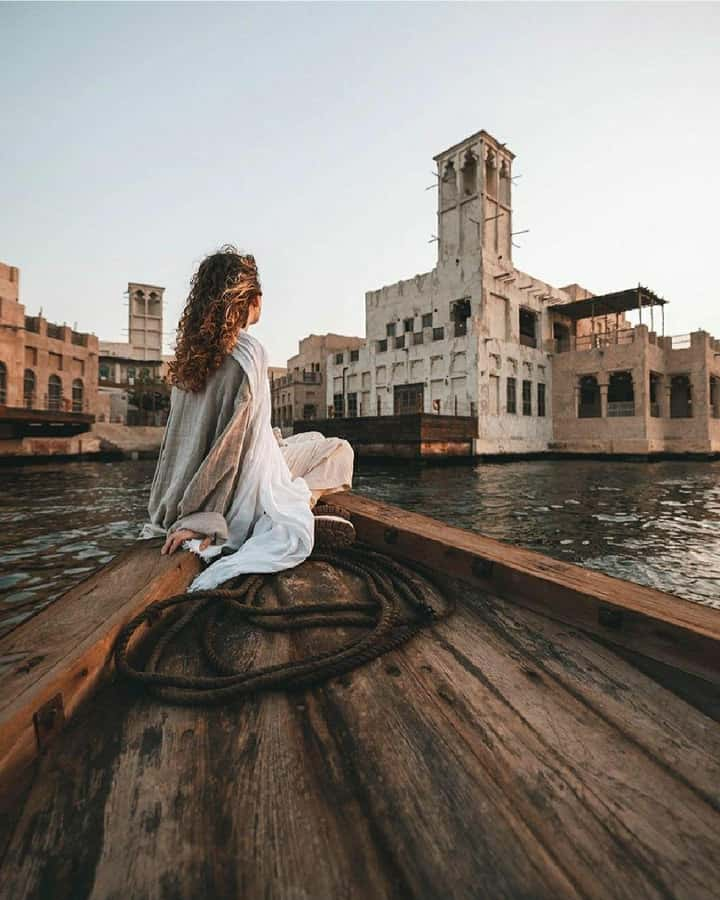
I also love the “one-two punch” of walking streets and a water crossing. You’ll ride a private abra water taxi, then step right into the old-market rhythm where the Gold Souk and Spice Souk are the main characters. One drawback: shopping time is planned as shorter blocks, so if you want long, slow browsing, you may want to plan extra time after the tour.
In This Review
- Key Highlights You’ll Feel on This Tour
- Why Old Dubai Feels Like the Beginning
- The 3-Hour Rhythm: How the Timing Works
- Al Fahidi and Al Seef: Starting Where the Story Begins
- Al Bastakiya: The Traditional Quarter Moment
- Al Fahidi Fort Area: A Short Stop with Big Context
- Souq Al Kabeer and the Textile Market: Walking Through Everyday Trade
- The Abra Ride: The Practical Magic of Old Dubai by Water
- Dubai Gold Souk: Built-In Free Time for Real Shopping
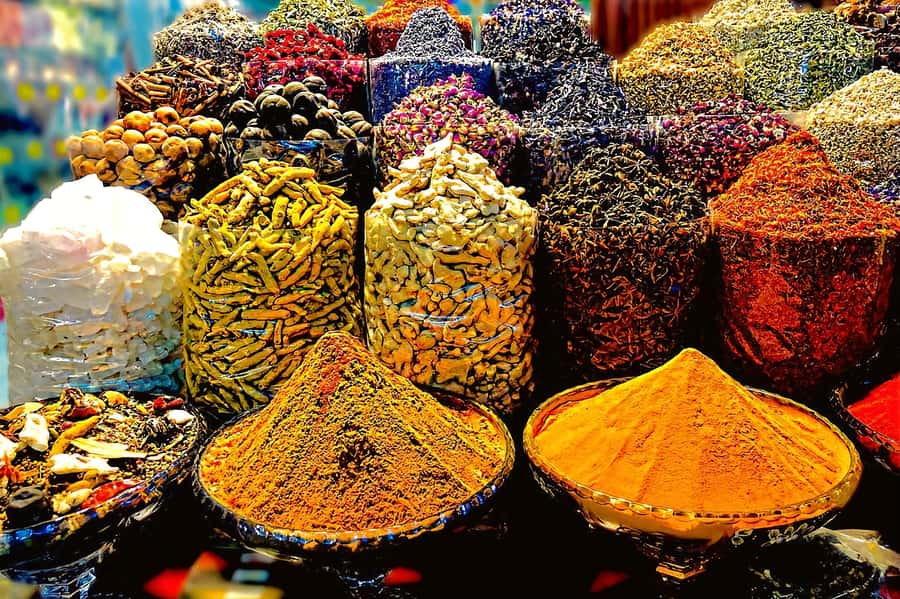
- Dubai Spice Souk: Guided Context Plus a Longer Browsing Window
- The Treasure House Stop: Leather and Fur Materials
- The Local Guide Factor: Why Questions Matter Here
- Price and Value: What $49 Buys You in Real Terms
- Who Should Book This Old Dubai Souk-and-Abra Tour
- Should You Book It
- FAQ
- FAQ
- How long is the walking tour?
- What does the tour cost?
- What’s included in the experience?
- How large is the group and what language is the guide?
- Where do I meet the tour guide, and where is the drop-off?
- Do I get free time to shop in the souks?
Key Highlights You’ll Feel on This Tour
- Small group (max 10): easier questions and a calmer pace on narrow streets
- Private abra ride: a practical taste of how people still move by water
- Souk shopping time: built-in free time at Gold and Spice
- Old-town walking loop: Al Fahidi, Al Seef, Al Bastakiya, and nearby markets
- Local guide story time: clear explanations in English, with room for questions
Why Old Dubai Feels Like the Beginning
Old Dubai doesn’t ask you to “imagine” history. It shows it in the street layout, the market clusters, and the way neighborhoods connect by foot and by water. This tour follows that logic instead of treating the area like a museum you rush through.
You start in the Al Fahidi area and move through the old-town landmarks that people associate with Dubai’s earliest days. In practical terms, that means the tour doesn’t just point at buildings—it ties them to everyday life: trade, community, and the trading routes that made the city matter.
Another reason I think this works is the mix of viewpoints. You get photo stops and short guided moments, then small stretches where you can look around on your own. That makes it easier to remember what you saw, instead of having your brain stuffed with facts.
You can also read our reviews of more tours and experiences in Dubai.

The 3-Hour Rhythm: How the Timing Works
The experience is designed for a focused 3 hours. You’ll do a guided walking circuit with brief pauses, then a short ride on the water, then more shopping-focused time at the souks.
A typical pattern goes like this:
- Short guided segments where the guide points out what matters
- Photo stops so you can actually frame the places you’re hearing about
- Free time blocks at the markets so you can interact, browse, and decide at your own speed
This timing is the big reason the tour feels efficient. You’re not spending the whole time in a bus window, and you’re not stuck doing only walking with no payoff. You do the walking, then you get the water taxi moment, then you get the souk time.
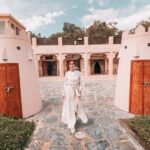
Al Fahidi and Al Seef: Starting Where the Story Begins
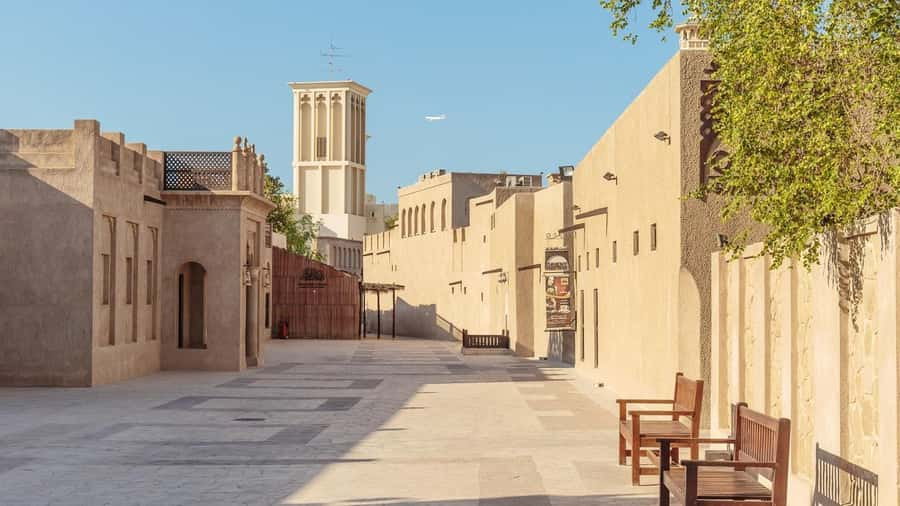
Your tour begins at the Al Fahidi area, with a guided walk element that helps you orient fast. This is the kind of start that helps you understand what you’re looking at before you get pulled into market chaos.
Then you move toward Al Seef for a photo stop and a chance to walk and sightsee. Al Seef works well early because it gives you a visual “anchor.” You see how the waterfront and old-town feel connect, and it sets you up for why the next transport method—an abra ride—makes sense.
One smart part of the approach is that you don’t bounce randomly between places. You move along a coherent old-town flow, so your brain keeps a thread.
Al Bastakiya: The Traditional Quarter Moment
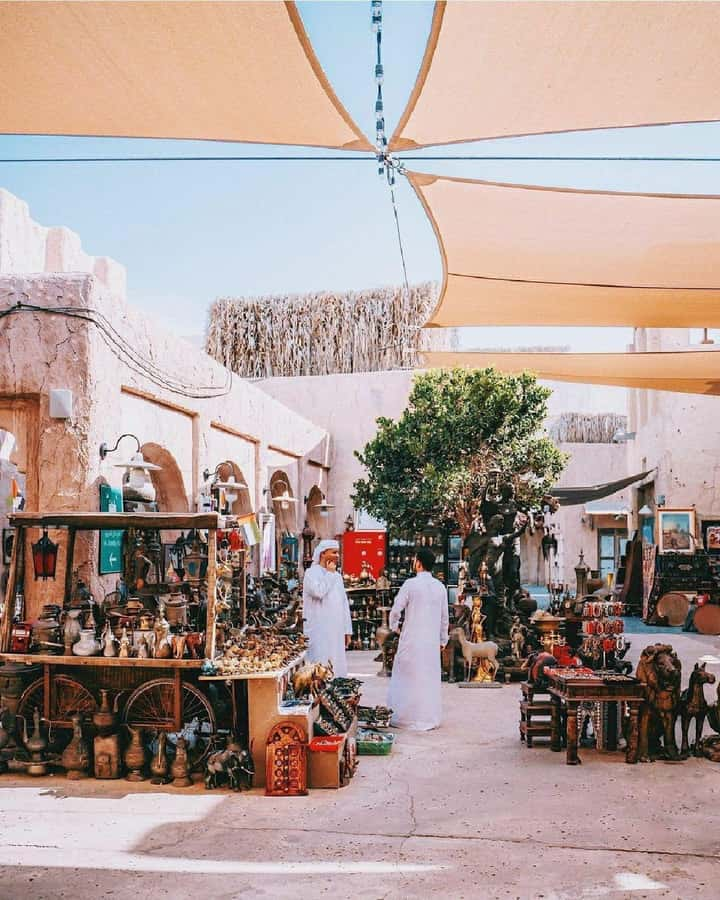
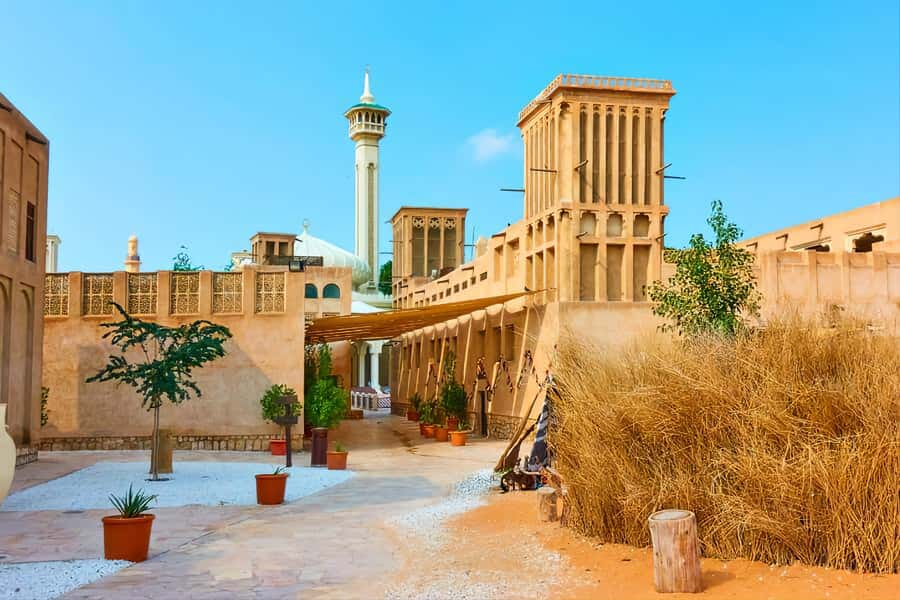
Next comes Al Bastakiya, another key stop in the story of Old Dubai. You’ll get a photo stop plus a guided visit and walking time. This is where you start feeling the “traditional site” side of the experience in a way that’s more than just a name on a sign.
The tour also frames Al Bastakiya and Al Seef as places tied to where Dubai started and where it’s worth revisiting. Whether you care more about architecture, daily life, or trade routes, this segment gives you the kind of grounding that makes the rest of the souks easier to understand.
If you like tours where the guide connects the dots—why this area matters, and how it links to trade—this is the part that usually clicks.
Al Fahidi Fort Area: A Short Stop with Big Context
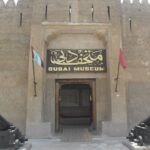
You’ll pass by Al Fahidi Fort for about 15 minutes. The time is brief, but it’s placed in the route at a moment when you’re already thinking historically. That helps. You’re not seeing it as a random detour—you’re seeing it as part of the old-town landscape.
This stop is also tied to the idea of seeing one of Dubai’s oldest monuments. Even if you’re only there for a short look, the guide’s context can turn that quick view into something you remember.
Practical note: since it’s a “pass by” segment, don’t expect a long, deep visit. Come ready to look, listen, and move on.



Souq Al Kabeer and the Textile Market: Walking Through Everyday Trade
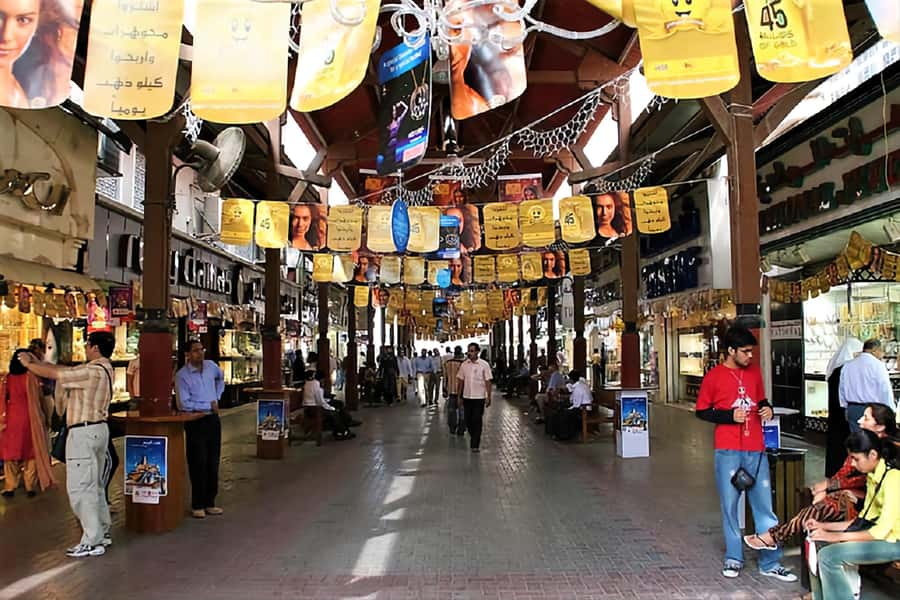
After the earlier anchors, you head toward Al Souq Al Kabeer, with a photo stop, sightseeing, and walking time. You also pass through the textile market area.
This is the part of the tour where Old Dubai starts to feel like a working place. It’s less about monuments and more about what markets do: connect people, goods, and bargaining culture.
What I like here is the pacing. You’re given guided context, but you’re also allowed time to wander within a guided umbrella. That’s the balance that keeps you from getting overwhelmed by stall density while still letting you feel the market atmosphere.
The Abra Ride: The Practical Magic of Old Dubai by Water
Here’s one reason this tour stands out for me: you don’t only talk about waterways; you ride them.
You’ll take an authentic abra water taxi ride for around 15 minutes. That time matters because it’s not just a novelty. Abra crossing gives you a physical understanding of how the old markets connect across the water. It turns a geography lesson into a body-level experience: you feel distance, orientation, and direction.
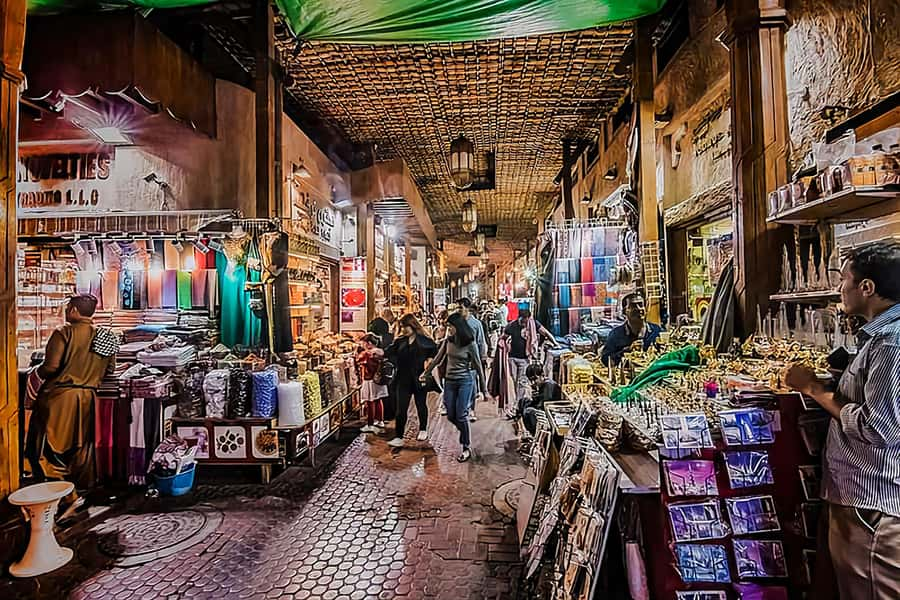
Then you arrive in the old-market zone associated with Spice and Gold souks, where narrow alleys and storefronts pull you forward.
If you like travel moments that are simple but meaningful, this abra segment is worth showing up for.
Dubai Gold Souk: Built-In Free Time for Real Shopping
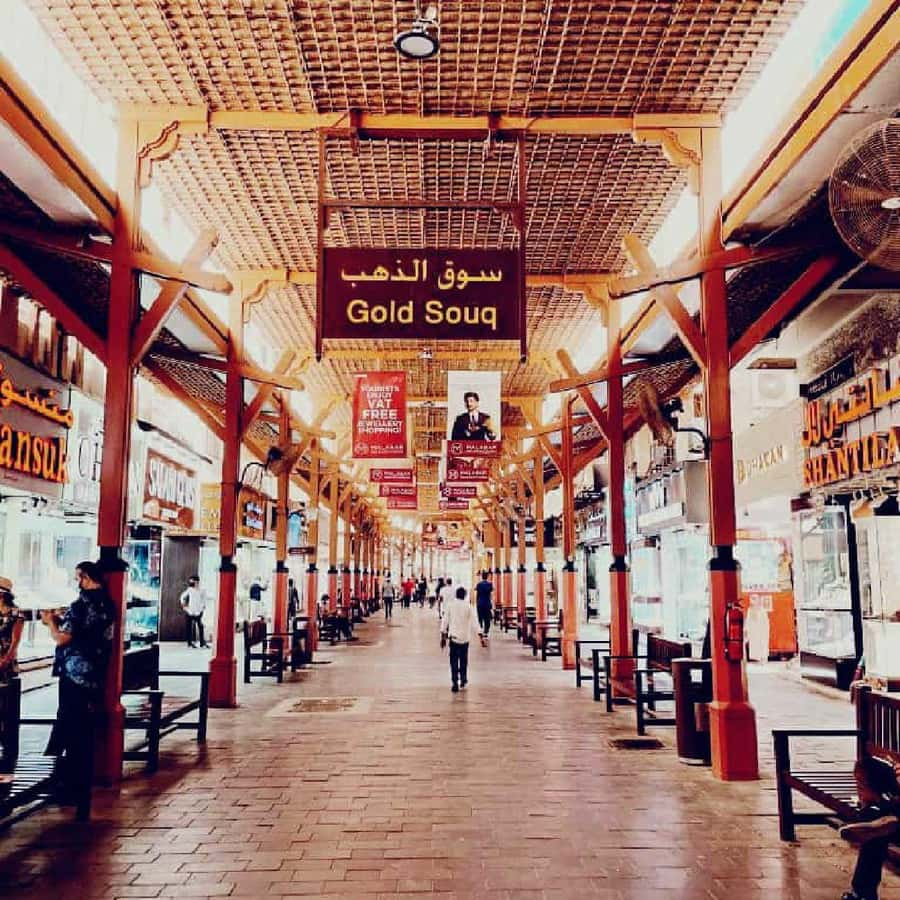
The tour includes a guided visit to the Gold Souk, plus free time and shopping for about 25 minutes. You also get a photo stop and walk time as part of this segment.
This is the “deal-with-it” stage of the tour. Gold shopping can get intense fast, especially when you’re deciding what to look at. Having a set time window is actually useful. You can browse without feeling like you’re trapped forever, and you can focus your questions instead of trying to process everything at once.
The best way to use this block is to go in with a quick plan:
- Decide if you want to look, ask questions, or compare styles
- Keep an eye on what catches your eye early, so you don’t waste all your time only reacting
Even if you don’t buy, the guided component helps you understand what you’re seeing and how the market works as a destination.
Dubai Spice Souk: Guided Context Plus a Longer Browsing Window
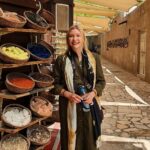
After Gold comes Dubai Spice Souk, with a photo stop, guided visit, plus free time and shopping for about 30 minutes.
This segment gives you a little more breathing room than Gold. That extra time helps if you want to stop for a closer look at goods, compare options, or simply slow down and take in the sights as you walk.
Spice markets are especially good for asking questions, because the guide can explain what you’re looking at and what items are typically sold there—without forcing you into a buying speech.
If your goal is to bring home something small and specific, you’ll likely use this segment better than the longer shopping districts. If you just want to feel the atmosphere, you’ll still get value out of the guided beats.
The Treasure House Stop: Leather and Fur Materials
At one point, the tour includes a stop through an area called the Treasure House, described as a unique shopping spot for an exclusive collection of leather and fur materials.
This isn’t a “pass-by” photo frame. It’s part of the experience where you’re meant to look and browse. If you’re shopping for leather goods or considering materials like that, it’s a practical inclusion because it gathers those items into one place within the route.
If you’re not interested in these categories, treat it as a quick visual and move on with your energy. You still get plenty of other market time.
The Local Guide Factor: Why Questions Matter Here
A walking tour only works as well as its guide. This one is set up with a professional local guide, live and in English, and the whole route is built around explanation, not just directions.
The guide quality is reinforced by names that come up in the experience context—Adnan and Ikram are specifically mentioned for patient answers, clear preparation, and staying on a good pace. If you ask questions—how places connect, why certain markets developed—you’re likely to get straight, useful responses rather than a rushed script.
Another subtle benefit: a good guide helps you avoid the common tourist trap of treating markets like photo backdrops only. You’ll walk through with more intention.
Price and Value: What $49 Buys You in Real Terms
At $49 per person for a 3-hour small-group walk, the value isn’t only in the walking. The math improves when you look at what’s included:
- A guided walking tour
- A private abra water taxi ride
- Visits connected to traditional houses and markets
- Water bottles
That private water taxi ride is a big part of why this price can make sense. Transport in busy cities costs money, and a guided old-town circuit costs time and planning. Here, you get the movement piece handled, plus the story piece handled.
Also, the small group size (limited to 10 participants) can be a quiet advantage. You’re less likely to get steamrolled by crowd flow, and you’re more likely to hear your guide clearly.
In short: if you want a structured Old Dubai experience that includes the water crossing and both major souks, this price is fairly aligned with what you’re actually getting.
Who Should Book This Old Dubai Souk-and-Abra Tour
This tour is a good fit if you:
- Want an Old Dubai heritage walk with context, not only pictures
- Like market visits where you get guided orientation and then freedom to browse
- Appreciate transport that helps you understand the geography—an abra ride does that
- Prefer a small group and a guide you can ask questions to in English
It’s also a decent pick for shorter trips. Three hours is enough time to learn the shape of the old town and still leave room to explore independently afterward.
Should You Book It
I’d book this tour if your goal is to get the essentials of Old Dubai in one clean, time-managed experience: Al Fahidi and Al Bastakiya for grounding, an abra crossing for understanding, then real souk time at Gold and Spice. The structure is built for people who want to walk, learn, and shop without feeling lost.
I’d think twice only if you want long, open-ended browsing in the souks. This tour includes shopping time, but it’s scheduled in set windows. If you want hours of wandering with zero structure, you may prefer independent exploring after the tour.
FAQ
FAQ
How long is the walking tour?
The tour lasts 3 hours.
What does the tour cost?
It’s $49 per person.
What’s included in the experience?
It includes a walking tour with a local guide, a private abra (water taxi) ride, visits connected to traditional houses and markets, and water bottles.
How large is the group and what language is the guide?
It’s a small group limited to 10 participants, and the live guide is in English.
Where do I meet the tour guide, and where is the drop-off?
The meeting point is at the exit gate 4. The tour has drop-off locations including Dubai and Al Ras Metro Station.
Do I get free time to shop in the souks?
Yes. You’ll have free time for shopping at the Gold Souk and the Spice Souk during the tour.