REVIEW · OBAN
Oban: Historical Tour with Seafood Lunch Option
Book on GetYourGuide →Operated by Tartan Tours Oban · Bookable on GetYourGuide
Oban history goes way beyond the harbor. In just 3 hours you’ll see Dunstaffanage Castle, St Conan’s Kirk (with a famous connection to Robert the Bruce), and Kilchurn Castle, then head into Glen Lonan where the Coffin Trail story comes alive. I love how the small tartan minibus keeps the day flowing, and I love the guide storytelling—Gus, Campbell, and Darryl all show up in recent experiences for being clear, kind, and good at pacing. One drawback to plan for: there’s a short walk and some steps, so wear shoes you trust on uneven ground.
You’ll start at a central spot in Oban (often the VisitScotland iCentre area), and you can finish near the fishing pier where Oban’s food culture shows up—there’s an optional seafood lunch, plus vegetarian and other dietary options if you request ahead. I also like that you’re not stuck staring at a single building; the tour moves between viewpoints, churches, ruins, and valley walking, so your photos don’t all look the same.
At $122 per person, the value comes from bundling transport + a live English guide + time at multiple historic sites, rather than picking your way around town on your own. Hotel pickup isn’t included, and while the tour is marked wheelchair accessible, some steps may be involved—so it’s smart to ask your operator what to expect for your specific mobility needs.
In This Review
- Key highlights worth getting excited about
- A 3-hour Oban history route that actually gets out of town
- Dunstaffanage Castle: a 12th-century ruin with a strong local story
- St Conan’s Kirk and the Robert the Bruce connection
- Kilchurn Castle (15th century): Campbell country and serious photo power
- Glen Lonan, standing stones, Highland cattle, and the Coffin Trail
- Seafood lunch on the pier: Oban’s fishing economy, plus a real meal
- What the tour is really like on the ground (and who it’s for)
- Booking value: Is $122 per person worth it?
- Should you book this Oban historical tour?
- FAQ
- How long is the Oban historical tour?
- How much does the tour cost?
- Does the tour include a seafood lunch?
- Where does the tour start and end?
- Is hotel pickup included?
- What kind of walking is involved?
- Is the tour wheelchair accessible?
- What age range is the tour suitable for?
- What should I bring for the tour?
- Is there free cancellation?
Key highlights worth getting excited about
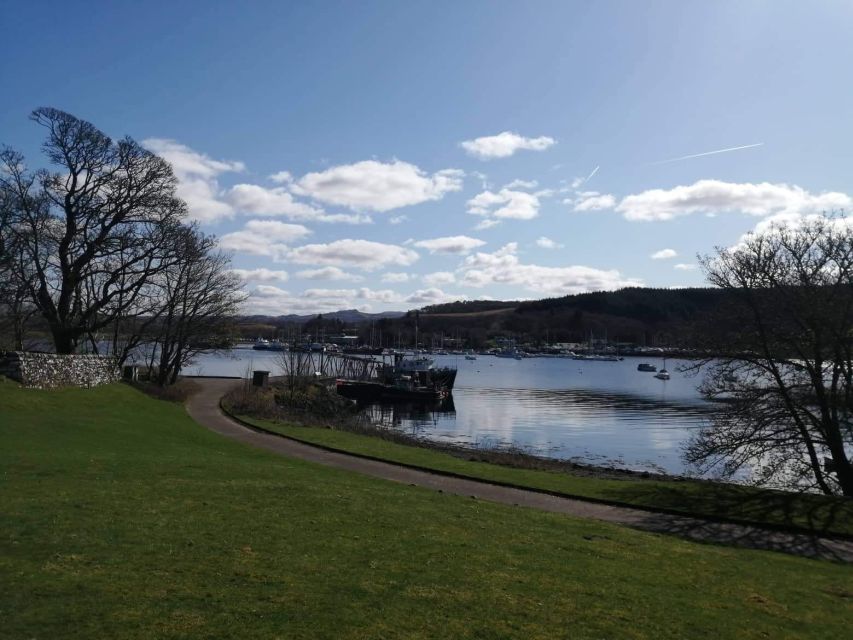
- Dunstaffanage Castle (12th century): a ruined site with real local backstory, not just a photo opportunity
- St Conan’s Kirk architecture: a standout church stop with a Robert the Bruce connection
- Kilchurn Castle (15th century): views and Clan Campbell history at the original home base
- Glen Lonan + Coffin Trail: standing stones and a walking route tied to Scottish royal burials to Iona
- Highland cattle up close: time for wildlife viewing, including calves if the timing is right
- Optional seafood lunch by the pier: local catches and Oban fishing-economy context
A 3-hour Oban history route that actually gets out of town
This is one of those tours where the time crunch works in your favor. You’re not trying to “see everything in the Highlands” with a half-day fantasy schedule. Instead, you get a tight circuit built around a handful of sites that connect directly to Oban’s story—how it grew, who moved through the area, and why these particular churches, castles, and burial routes mattered.
The practical magic is the pacing. Between drives and short walks, the tour keeps you moving without turning the day into a grind. You spend your time where it counts: guided stops long enough to understand what you’re looking at, plus photo moments when the views and details do the talking.
I also appreciate the small-group setup. With a smaller tartan minibus, it’s easier to hear your guide and to adjust when the group slows down for photos or wildlife. And because it’s a live English guide, you’re not stuck with a headset that covers history like a checklist.
You can also read our reviews of more tours and experiences in Oban.
Dunstaffanage Castle: a 12th-century ruin with a strong local story
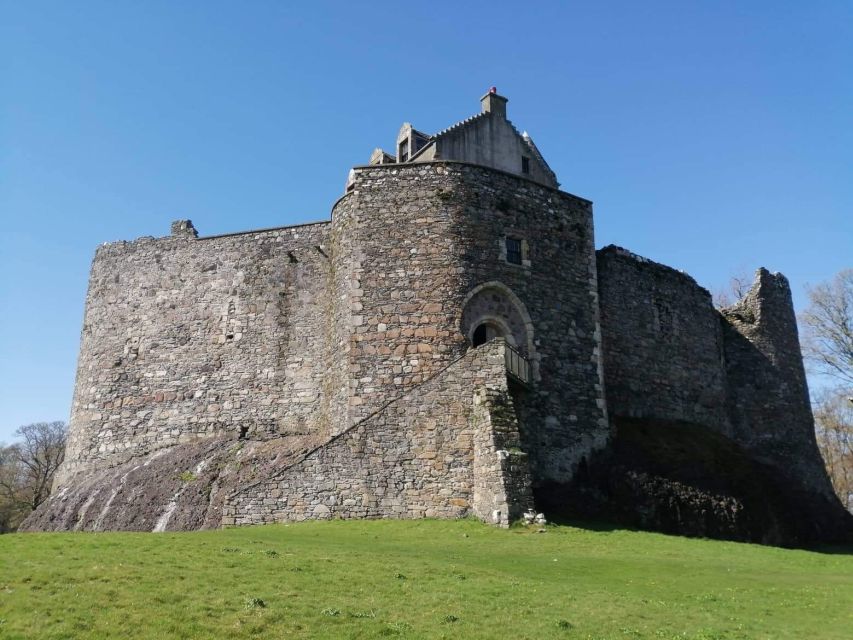
Your first big historic stop is Dunstaffanage Castle, described as a ruined castle with roots going back to the 12th century. Ruins are tricky on tours: sometimes you just see rocks and get a quick nod. Here, the point is the local history—how that site fits into the wider regional story, and why it’s still worth your attention even after centuries of weathering.
What I like about ruins on a guided route is that the guide can point out what your eye might miss. Instead of treating Dunstaffanage like background scenery, you’ll get context that makes the structure feel more “placed in time.” You’ll also get a sense of how power and authority moved through this part of Scotland, which matters once you shift from castle to church and then to the burial route.
Potential consideration: ruined castles can be uneven underfoot. The tour includes short walking segments, so it’s smart to bring warm layers and grippy shoes. Even if you’re not doing a long hike, you want confidence for steps and footpaths.
St Conan’s Kirk and the Robert the Bruce connection
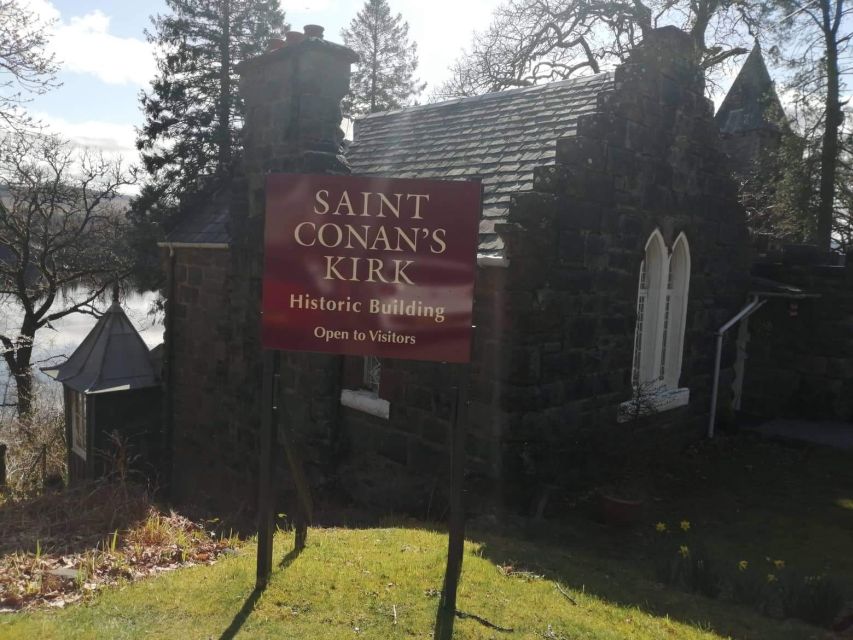
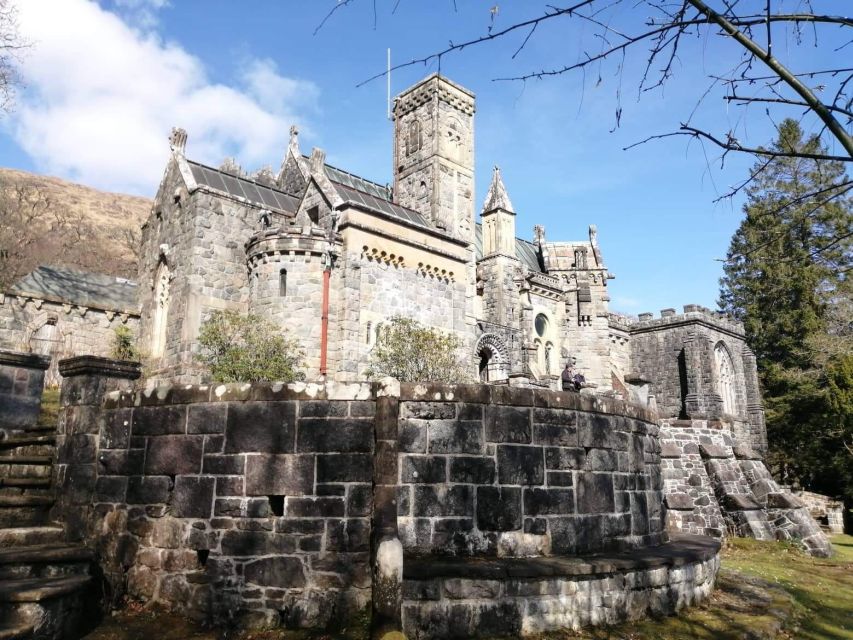
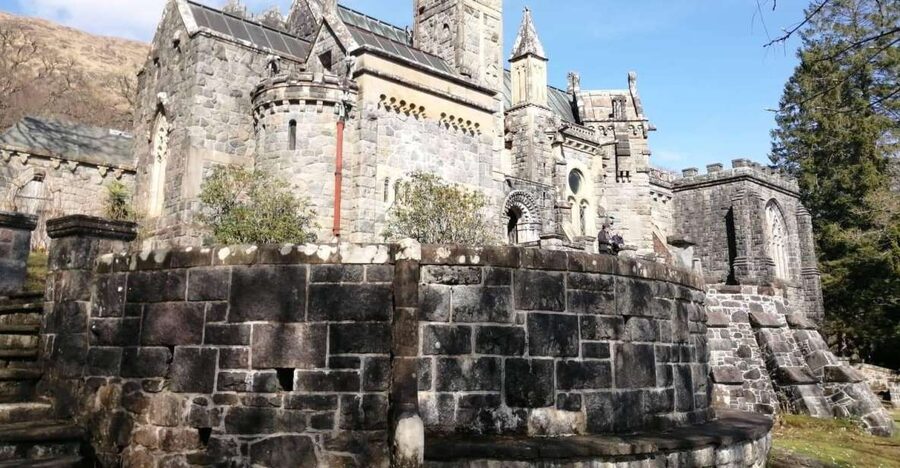
St Conan’s Kirk is one of those stops where the architecture does something most modern buildings don’t: it makes you slow down. You’ll visit the church area and get a guided tour, around 30 minutes based on the schedule.
The big draw here is that it holds bones connected to Robert the Bruce. That detail changes how you read the church. You’re not just admiring stonework; you’re standing in a place tied to one of Scotland’s most famous medieval figures. The guided time helps connect the building’s design and reputation to the era when kings, lands, and churches were tightly linked.
This stop also balances the day. After the castle ruins, a church visit gives you something different: a sense of continuity. Castles rise and fall; churches often keep going, even when the surrounding world changes. That contrast helps Oban’s history feel like a real chain, not a random collection of attractions.
Kilchurn Castle (15th century): Campbell country and serious photo power
Next comes Kilchurn Castle, dating to the 15th century. You’ll have a photo stop of about 15 minutes, with guided and scenic viewpoints tied to the broader section of the day.
The reason Kilchurn matters is Clan Campbell history. The tour frames it as the original home of the Clan Campbell, so your visit is more than a pretty silhouette on a loch. You’re learning who lived here, what kind of influence that clan had, and how this location fits into Scotland’s larger power map.
One of the nicest parts of this stop type is that it works for different styles of travelers. If you love castles, you’ll enjoy the visuals and the facts. If you prefer “story over stone,” the guide can connect the site to nearby features and to the Coffin Trail theme later in the day.
A drawback to keep in mind: photo-stop timing can feel short if you’re chasing the perfect shot or you arrive with lots of questions. You can still ask questions, but the guide has to keep the group moving, especially since you also have valley walking and wildlife viewing later.
Glen Lonan, standing stones, Highland cattle, and the Coffin Trail
After Kilchurn, you’ll move into Glen Lonan, a valley described as difficult to find and usually not part of the typical tourist route. You’ll spend around an hour here with scenic views and wildlife viewing, plus time for guided explanation and photo moments.
This is where the tour gets more “alive” than just historical buildings. Glen Lonan has standing stones, and it sits on the Coffin Trail—an ancient burial route tied to Scottish kings and queens on the way to Iona. That’s the kind of historical detail that changes the way you look at a path in the grass. Instead of thinking, Someone walked here once, you start thinking, This route had meaning—religious, political, and deeply symbolic.
And then there’s the Highland cattle. You’ll have repeated chances to get close and personal with Highland cattle and calves during your time in the glen. If you’ve ever wanted to see what “Highland cattle” really means beyond postcards, this is the practical payoff. You’re not just passing through a scenic spot—you’re in an area where wildlife is part of the day’s rhythm.
The big practical consideration is weather and footing. Warm clothing and rain gear matter because valleys can feel damp and windy. Also, since there are short walks and some steps involved, keep your pace realistic. This isn’t an all-day trekking mission, but you want to feel comfortable enough to stop for photos and look down at the path without rushing.
Seafood lunch on the pier: Oban’s fishing economy, plus a real meal
If you choose the seafood lunch option, you’ll end your tour enjoying food on the fishing pier in Oban. The schedule allows about 30 minutes for street food and regional food, and you’ll also learn about the local fishing economy during the food time.
I like this approach because it keeps the day from turning into “history only.” You finish with something current—how people in Oban actually earn a living, and why the seafood here has a place in everyday life, not just as a tourist treat. The lunch is built around local catches, and the experience ties into the tour theme: Oban isn’t only medieval castles and royal burials. It’s a working coastal town.
Vegetarian and other dietary options are available on request, which is important for planning. If you have dietary restrictions, it’s worth flagging them before your day, so you’re not stuck negotiating once you’re hungry and the group is moving.
One more practical note: because this is on the pier area, bring layers even if the sun is out. Coastal weather loves to change its mind.
What the tour is really like on the ground (and who it’s for)
The tone of the day tends to be “friendly, guided, and paced.” Several guide names come up in recent experiences—Gus, Campbell, and Darryl—and the consistent theme is clear explanation plus flexibility in how the day moves. That matters because outdoor time is never perfectly predictable: wildlife sightings can shape the moment, and weather can change how long people want to stand and photograph.
Here’s what you should expect from the structure:
- You’ll have multiple guided segments (including Dunstaffanage and the church visit), plus photo stops.
- You’ll get at least one stretch of walking time (about 30 minutes) and time in a valley.
- You’ll have wildlife viewing opportunities focused on Highland cattle and calves.
- You’ll finish near Oban’s food scene if you select the lunch option.
Who it suits best:
- If you like history but prefer it connected to places you can actually see and touch (ruins, churches, castles, and burial routes), this fits.
- If you’re in Oban for a short stay and want more than city-center wandering, you’ll appreciate the structure.
- If you’re a nature-meets-history person, Glen Lonan + Coffin Trail + cattle is a great combination.
Who may want to think twice:
- Children under 12 aren’t recommended, likely because of the walking and steps.
- If you have mobility limits, confirm how the short walks and steps are handled on your specific date.
Booking value: Is $122 per person worth it?
Let’s talk value, not just cost. At $122 per person, you’re paying for three things bundled together:
1) a 3-hour guided experience,
2) transport in a small tartan minibus,
3) and optionally a seafood lunch tied to the fishing pier.
If you tried to stitch this together on your own, you’d likely spend time coordinating rides between multiple sites, and you’d still want a guide to make sense of connections like the Robert the Bruce link and the Coffin Trail route to Iona. That interpretive layer is often what turns “seen it” into “understood it.”
So I see the price as fair if you want both the historical context and the practical convenience. If you already have a rental car, your savings might shrink. But you still pay for the guide’s ability to connect the stops into a coherent route.
Should you book this Oban historical tour?
Book it if you want a concentrated history day that includes real movement, countryside views, and Highland cattle—plus the option of a seafood lunch that ties back to Oban’s fishing life. It’s a strong choice for first-timers because the route gives you a good sweep of Oban’s story without forcing you to manage multiple logistics.
Skip it (or ask questions first) if steps and short walks are a problem for you, or if you’re traveling with kids under 12. Also, if you prefer long, unbroken time at one site instead of a multi-stop circuit, you may find some photo stops brief.
If you’re the type who likes your Scottish history specific—names, routes, and places you can stand on—this is the kind of tour that makes Oban feel like more than a stopover.
FAQ
How long is the Oban historical tour?
The tour lasts 3 hours.
How much does the tour cost?
The price is $122 per person.
Does the tour include a seafood lunch?
A seafood lunch is included if you select the seafood lunch option. Vegetarian and other dietary options are available on request.
Where does the tour start and end?
The meeting point can vary by option booked, with common starting points including the VisitScotland Oban iCentre area. Drop-off options include VisitScotland Oban iCentre and MacGillivrays Seafood.
Is hotel pickup included?
No. Hotel pickup and drop-off are not included.
What kind of walking is involved?
There are short walks to some sights, including a walk segment of about 30 minutes, and some steps may be involved.
Is the tour wheelchair accessible?
The tour is listed as wheelchair accessible, but some steps may be involved, so it’s worth checking the specific route details.
What age range is the tour suitable for?
It is not suitable for children under 12.
What should I bring for the tour?
Bring warm clothing and rain gear.
Is there free cancellation?
Yes, free cancellation is offered up to 24 hours in advance for a full refund.