REVIEW · VARANASI
Heritage Walking Tour in Varanasi
Book on Viator →Operated by Spiritual Tours of Varanasi · Bookable on Viator
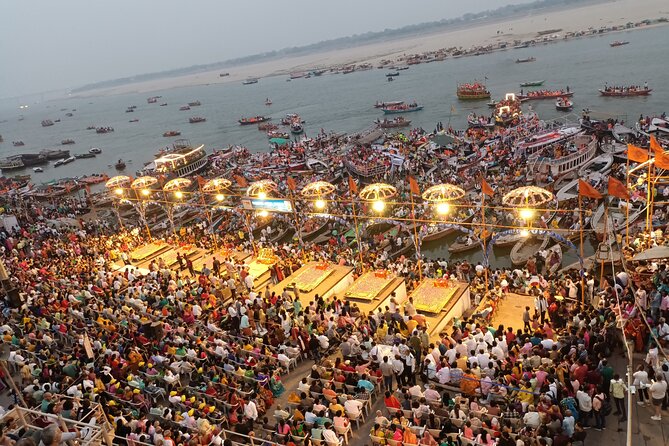
A walk along Varanasi’s ghats hits hard. In about 2 hours, you can go from Shiva at Kashi Vishwanath Temple to the solemn reality of Manikarnika Ghat, all on foot, with a guide who keeps things understandable. I love the way the route strings together temples and ghats without making it feel like a checklist, and I love how Manish stays patient—answering questions and adjusting to your pace. The one caution: Manikarnika is a cremation area, so if that topic makes you uncomfortable, think twice.
You’re also getting real value for around $21: it’s a private tour for your group, about 2 hours long, and you get a mobile ticket rather than hunting for paper. It’s a morning walk, and you’ll finish back near where you started at Girja Ghar Chauraha.
In This Review
- Key highlights you’ll feel during the walk
- Entering the Varanasi ghats route from Girja Ghar Chauraha
- Kashi Vishwanath Temple: Shiva’s Jyotirlinga stop
- Nilkantheshwar Ghat and the Beach of Narmada moment
- Man Mandir Ghat: Raja Man Singh’s 16th-century footprint
- Domraja Palace: cremation-ground custodians and the sacred fire
- Nepali Temple (Kathwala/Kanthwala): Mini Khajuraho architecture
- Manikarnika Ghat: the holy cremation ground on the Ganges
- How the tour fits into a 2-hour morning
- Price and value for about $21
- Who should book this heritage walk, and who should think twice
- Should you book the Heritage Walking Tour in Varanasi?
- FAQ
- What is the duration of the Heritage Walking Tour in Varanasi?
- Where does the tour start and end?
- What temples and ghats are included?
- Is this a private tour?
- What do I get for the ticket?
- Can I cancel for a full refund?
Key highlights you’ll feel during the walk
- A private, group-only walk with Manish, so the pace and questions stay personal
- Kashi Vishwanath Temple as a direct intro to Shiva and the Jyotirlinga tradition
- Man Mandir Ghat’s 16th-century story tied to Raja Man Singh of Amer and ornate window carvings
- Nepali Temple (Kathwala/Kanthwala), also called Mini Khajuraho, linked to wooden craftsmanship
- Manikarnika Ghat for a front-row view of cremation-ground significance on the Ganges
- Mobile ticket + straightforward meeting point at Girja Ghar Chauraha
Entering the Varanasi ghats route from Girja Ghar Chauraha
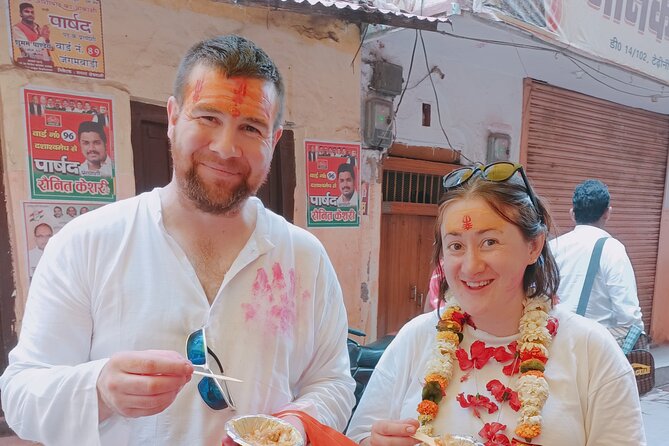
This tour starts at Girja Ghar Chauraha (Girja Ghar) and ends back there. That matters more than it sounds, because Varanasi can be a maze of lanes and steps. Having a fixed start point also helps you relax—you don’t spend your first hour trying to figure out where the group is supposed to be.
The walk is designed for a morning rhythm along the riverbank: you’re not just “seeing temples,” you’re moving through the living geography of the ghats. Expect short stop times mixed with walking time, which keeps the pace from dragging—especially if you’re traveling with jet lag, or you want the highlights without exhausting yourself for the whole day.
One practical note: ghats usually mean uneven stone and stairs. I recommend shoes you can trust on steps, and bringing water for the walk (even in the morning).
You can also read our reviews of more tours and experiences in Varanasi.

Kashi Vishwanath Temple: Shiva’s Jyotirlinga stop
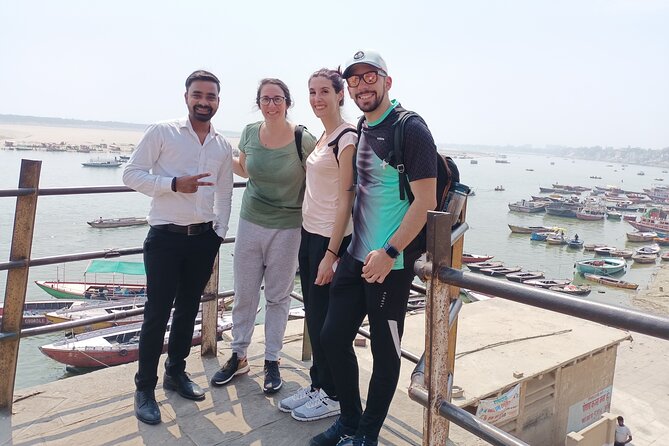
The tour’s first major anchor is Kashi Vishwanath Temple, a Hindu pilgrimage site dedicated to Shiva. It’s also one of the twelve Jyotirlinga shrines, which is a big deal in the Shiva tradition, and it’s the kind of stop that gives you a framework for everything else you’ll see.
What I like about this stop is that it doesn’t stay abstract. When you arrive, you’re in the center of a devotional world where names, meanings, and temple design all point toward the same core idea: Shiva and his presence. A guide like Manish helps you translate what you’re looking at so it doesn’t feel like random stonework and signs.
Drawback to keep in mind: temples bring crowds. Even at a walking pace, you’ll want to be ready for tight movement and a lot of people flowing in different directions.
Nilkantheshwar Ghat and the Beach of Narmada moment
Next comes a river-ghat stop called the Beach of Narmada and the Nilkantheshwar Temple Ghat. Even if you don’t know every religious reference ahead of time, the value here is very practical: this is where you start understanding how Varanasi “reads” from the riverfront.
This stop also helps you connect the spiritual and the physical. Ghats aren’t just scenery—they’re functional spaces tied to daily life and worship. By the time you reach this area, you’ll probably notice how naturally people move between steps, shrines, and open river views.
One thing to consider: because this is a ghats environment, your experience will depend on conditions that day—foot traffic, sound levels, and where you can comfortably pause for photos.
Man Mandir Ghat: Raja Man Singh’s 16th-century footprint
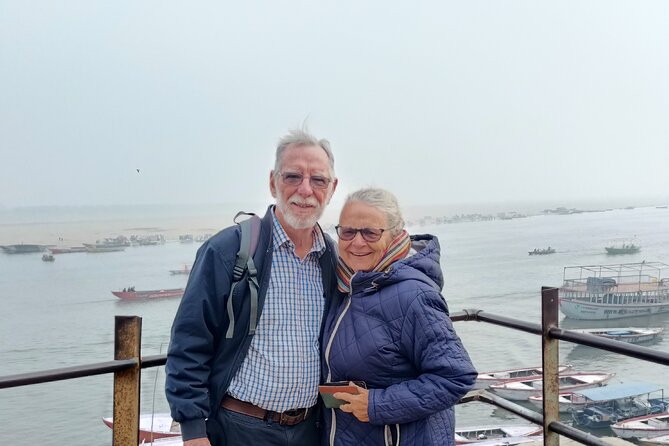
Man Mandir Ghat (earlier known as Someswara Ghat) is built in the 16th century CE by Raja Man Singh of Amer. The ghat was renamed after him, and he also built a palace here noted for ornate window carvings.
This is one of the tour stops where heritage turns into something you can actually picture. You’re not only learning a date—you’re seeing the way power and devotion shaped what people built along the riverbank. The “ornate window carvings” detail is a good clue that you should look up, not just ahead: often the prettiest parts of ghat architecture are higher than you expect.
How long do you spend here? Around 20 minutes. That’s enough time to get a feel for the ghat setting and catch the standout architectural notes without feeling rushed.
Potential drawback: if you’re very focused on photography, you might wish you had more time at the windows or along the palace-facing sides. The tour keeps you moving, which is great for overall coverage, but not ideal if you want to linger.
Domraja Palace: cremation-ground custodians and the sacred fire
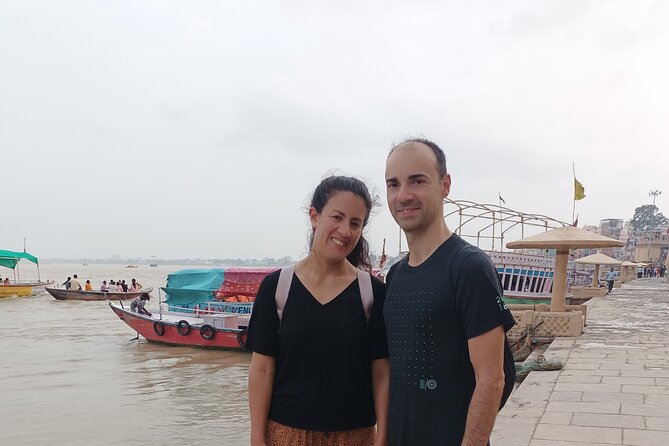
Domraja Palace is tied to the Dom community, traditionally associated with cremation grounds. The Doms are described as keepers of a sacred fire that is never allowed to die down, and they act as the cremators of the dead, including chief cremation undertakers at Manikarnika.
This stop can feel intense, but it’s also one of the most meaningful parts of the walk. It helps you understand that cremation-ground activity isn’t only something you witness—it’s supported by long-standing roles and responsibilities within the community.
If you’re the kind of person who hates vague explanations, this is where the guided context pays off. Manish can help you connect names and traditions to the real people living and working in this area.
Consideration: emotional comfort varies a lot. If you prefer to avoid death-related rituals while traveling, you may find the Domraja Palace and Manikarnika combination emotionally heavy.



Nepali Temple (Kathwala/Kanthwala): Mini Khajuraho architecture
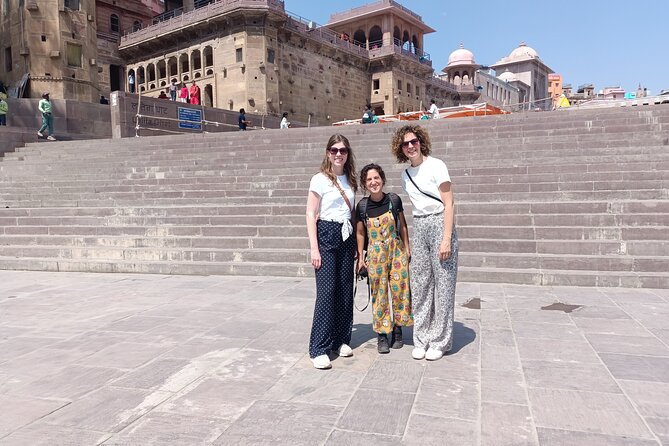
The Nepali Temple stop is also called the Kathwala Temple, and it’s associated with several names: Shri Samrajeswar Pashupatinath Mahadev Mandir, Nepali Mandir, and Kanthwala Mandir. It’s described as one of the oldest and most famous temples in Varanasi. You’ll also hear it compared to Mini Khajuraho, and the name Kanthwala relates to wooden.
This is a great change of pace from the ghats. Where the ghats tell you about river life and ritual geography, this temple helps you appreciate how craftsmanship and design communicate devotion. The wooden-language clue is especially useful: it signals that the temple’s character is meant to be noticed, not just passed by.
You’ll typically have about 20 minutes here, which is enough to take in the overall look and understand why it has that Mini Khajuraho reputation.
Practical tip: temples often involve rules about where you can stand and how you move. Keep your pace respectful, and let the guide position you for the best view without blocking others.
Manikarnika Ghat: the holy cremation ground on the Ganges
Manikarnika Ghat is one of the holiest cremation grounds among Varanasi’s sacred riverfronts on the Ganges. It’s central to Hindu beliefs about death as a gateway to another life.
This is the stop that makes this tour more than architecture and stories. It forces a direct encounter with how faith operates in real life. If you came to Varanasi for spirituality, this is where the meaning becomes undeniable. If you came for a calm sightseeing loop, this is where you’ll feel the contrast.
For many people, the value is in clarity: knowing what you’re seeing, understanding why people gather, and recognizing the difference between spectacle and ritual. A good guide matters here, and Manish is repeatedly described as attentive and patient—so you can ask questions instead of guessing.
Timing: about 30 minutes at Manikarnika, which gives you enough time to absorb the setting while still keeping the overall tour around 2 hours.
Big consideration: if you’re sensitive to cremation activity, approach this moment with honesty. The tour includes it, and you can’t skip it without changing the experience.
How the tour fits into a 2-hour morning
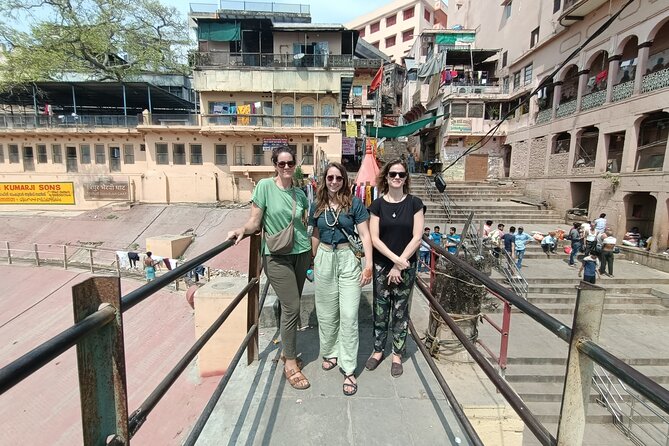
The pacing is part of the design. You’ll spend roughly 10 to 30 minutes at the major points, including a 30-minute window at Manikarnika and 20 minutes at several temple/ghat stops. Then you connect each place with walking time along the ghats and nearby lanes.
That schedule is useful if you:
- want key sights without committing to a full day
- prefer mornings in Varanasi when the light and activity feel different than later
- like a guide who can keep explanations going but doesn’t trap you in lectures
The tour is also private—only your group participates—which means fewer delays from waiting for everyone to catch up. In practice, that usually equals a smoother flow and less “tour herding.”
Price and value for about $21
At about $21 for a 2-hour private walking tour with a mobile ticket, the best value is the guide-to-time ratio. You’re paying for focused time with someone who can interpret what the sights mean, not just for the walking.
In places like Varanasi, where history, religion, and daily life overlap, translation is often what turns a walk into a memory. Based on the kind of experiences described for Manish—attentive, patient, responsive to comfort, and able to answer questions—the price feels fair for what you get: context, pacing, and a route that connects major sacred stops in a single morning.
What you should weigh: if you already know a lot about Hindu temple traditions and you’re comfortable reading the ghats scene on your own, you might feel the tour is less necessary. If you’d rather understand what you’re looking at while standing right where it happens, this price makes sense.
Who should book this heritage walk, and who should think twice
I think this tour is a strong fit if you want:
- a short but meaningful walk through Varanasi’s sacred core
- a guide who can explain Shiva and the temple context
- a private setting where you can ask questions and move at your own pace
- clear coverage from Kashi Vishwanath Temple to Manikarnika Ghat in about 2 hours
I’d think twice if:
- cremation-ground rituals will make you uncomfortable
- you’re looking for only light, scenic sightseeing with no serious religious content
- you have very limited mobility, because ghats and temple areas commonly involve stairs and uneven surfaces (even when the tour lasts only about 2 hours)
Should you book the Heritage Walking Tour in Varanasi?
If your goal is to understand Varanasi from the inside—Shiva devotion, temple culture, and the riverfront’s most solemn spaces—then yes, book it. The route hits major anchors in a tight timeframe, and the private format keeps you from feeling rushed or lost.
If you’re uneasy about the cremation setting, you can still enjoy Varanasi, but this specific walk may not match what you want to carry in your head and heart that day. For the right mindset, though, this is exactly the kind of focused morning experience that gives you context instead of confusion.
FAQ
What is the duration of the Heritage Walking Tour in Varanasi?
The tour is about 2 hours.
Where does the tour start and end?
The meeting point is Girja Ghar Chauraha, Girja Ghar, Varanasi. The activity ends back at the meeting point.
What temples and ghats are included?
The tour includes Kashi Vishwanath Temple, Nilkantheshwar Temple Ghat (Beach of Narmada area), Man Mandir Ghat, Domraja Palace, Nepali Temple (Kathwala/Kanthwala Temple), and Manikarnika Ghat.
Is this a private tour?
Yes. Only your group participates.
What do I get for the ticket?
You receive a mobile ticket.
Can I cancel for a full refund?
Yes, free cancellation is available up to 24 hours in advance of the experience start time for a full refund.