REVIEW · SARASOTA
Palmetto: Ghost & History Tour by Silent Slayer Ghost Tours
Book on Viator →Operated by Silent Slayer Ghost Tours · Bookable on Viator
If you like your evenings with history and a little supernatural spice, this Palmetto ghost walk fits the mood. I like how it keeps a clear route through downtown and teaches you at each stop, not just at the end. I also like that you use real ghost-hunting equipment with a paranormal investigator, so it feels interactive, not just “listen and hope.” One thing to consider: it’s an outdoor walking tour, so if the weather is rough, you’ll be dealing with that reality.
The tour is guided by paranormal investigator Ginger Mason, and that matters. Her style turns places you’d normally pass by into stories you can actually picture. You’ll start at Carnegie Library and move through several historic sites tied to local legends and hauntings. The pace is leisurely, but there is walking.
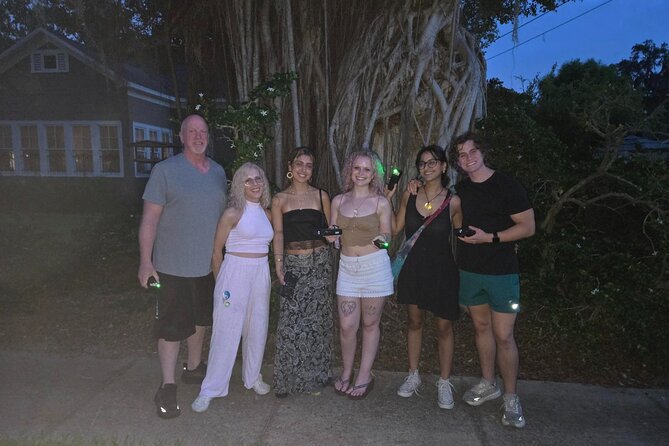
The good news is the group stays small. With a maximum of 15 people, you’re more likely to get the tips you need and not get swallowed by the crowd.
In This Review
- Key points to know before you go
- A small-town ghost walk built around real stops
- Price and what you actually get for $40
- Starting at Carnegie Library: the tour’s first real anchor
- The walking route: historic Palmetto stops with haunting focus
- Palmetto Historical Park: where stories get their setting
- The Great Chime Bell: a legend-friendly pause
- Riverside Bed & Breakfast: spooky stories meet real-world place
- J.A. Lamb House: where the legend vibe often peaks
- The Pistol Pete spirit thread
- Using ghost-hunting equipment: what hands-on really means
- The guide matters: Ginger Mason’s mix of history and paranormal talk
- Pace, walking, and what to bring for comfort
- Who this tour is for (and who might want a different night)
- Logistics that affect your decision (without the boring parts)
- Should you book Palmetto Ghost and Haunted History Tour?
- FAQ
- How long is the Palmetto Ghost & Haunted History Tour?
- What is the price per person?
- Where does the tour start?
- Is the tour route back-to-back with the starting point?
- What’s included in the tour?
- What is not included?
- How much walking is involved?
- How big is the group?
- Are service animals allowed?
- What happens if weather is poor?
Key points to know before you go
- Small group size (max 15) keeps it personal and easier to ask questions
- Ginger Mason leads with a paranormal-investigator approach, not just spooky storytelling
- Carnegie Library kicks things off at a key local landmark tied to early community life
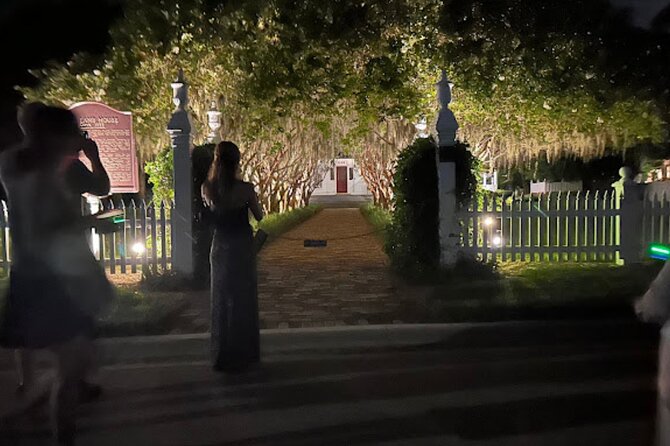
- Multiple haunted downtown stops include Palmetto Historical Park, the Great Chime Bell, Riverside Bed & Breakfast, and the J.A. Lamb House
- Hands-on ghost-hunting gear gives you a real chance to try the equipment
- About 1 mile of walking at a leisurely pace, so plan for comfort footwear
A small-town ghost walk built around real stops
This isn’t a bus tour and it isn’t a “haunted slideshow.” It’s a walk through Palmetto, Florida, focused on specific sites and the stories attached to them. That approach makes a difference. When you’re standing in the place where the legend is supposed to live, the whole thing clicks faster, even if you’re the type who laughs at ghosts in daylight.
I think the best part is that it combines two interests without one swallowing the other. You get local history and haunted lore, but you also get practical guidance on how to look for possible paranormal activity using the equipment. The balance keeps it fun whether you’re a history fan first, or a ghost-hunter-in-training first.
Also, the tour length is manageable. You’re looking at about 1 hour 30 minutes, and it includes the time moving between stops. In other words, you’re not signing up for an all-night event.
Price and what you actually get for $40
At $40 per person, this tour sits in the mid-range for paid ghost walks. What makes it feel like value is that it’s not just talk time. The tour includes:
- an overview of haunted history and local legends
- hands-on use of ghost-hunting equipment
- tips and guidance on how to detect paranormal activity
You also get a small group cap, which is a sneaky-but-important value factor. With fewer people, you’re more likely to understand what the guide is explaining. And if you’re the kind of person who wants to try the equipment instead of watching someone else hold it, that smaller setup matters.
What’s not included is simple: bottled water. That’s it. So if you want water on hand, bring it.
Starting at Carnegie Library: the tour’s first real anchor
The experience begins at Palmetto’s Carnegie Library, 515 10th Ave W, Palmetto, FL 34221. The library is described as the first real library in Manatee County, which sets a smart tone right away. You start with a place that’s important to the community, then you layer the haunting stories on top.
I like starting here because it gives you context before the paranormal claims start flying. The guide can explain why the site matters and then fold in the ghostly elements tied to the location. If you’re unsure whether this will be all scare-stuff, the opening gives you a real “okay, this is history plus legend” signal.
Practical note: since this is a walking tour, try to arrive with your shoes ready and your questions warmed up. You’ll likely want to know how the equipment part works soon after the start.
The walking route: historic Palmetto stops with haunting focus
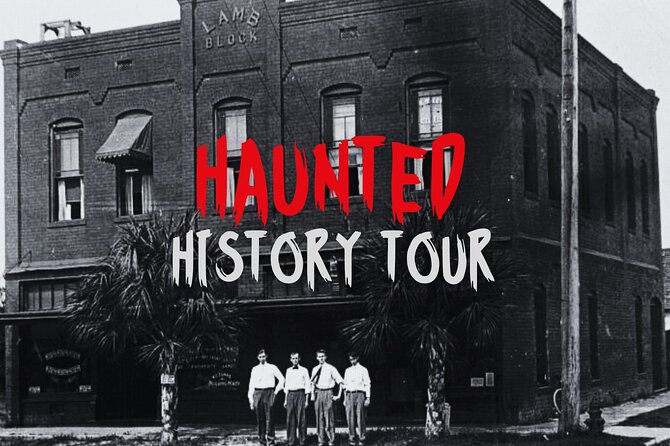
You’ll return to the same meeting point at the end, so you won’t need to worry about transportation back or finding your way out. The core of the tour is a string of named sites, each one used to tell a story.
Here’s how the stop list plays out and why it matters.
Palmetto Historical Park: where stories get their setting
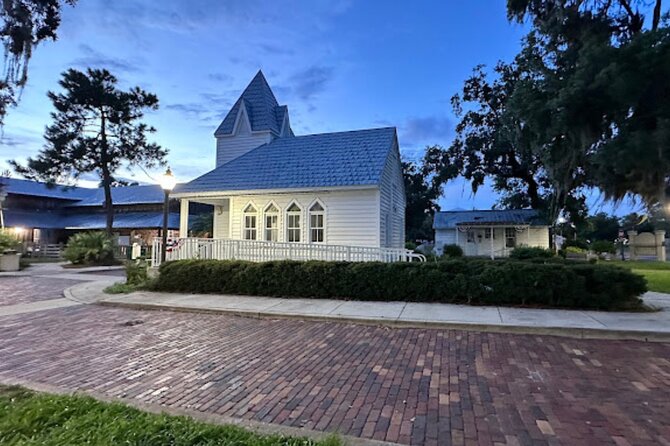
One of the featured stops is Palmetto Historical Park. This is the kind of place where you can almost feel how legends get attached to locations over time. On a tour like this, that matters because the guide can point out what makes the area significant and then connect it to local haunted lore.
The tradeoff is also real: you’ll get more atmosphere than concrete facts here, based on the nature of ghost tours. If you want strictly verifiable history, plan to treat the haunted parts as local legend and the history parts as the foundation.
The Great Chime Bell: a legend-friendly pause
Next up is the Great Chime Bell. Even without inventing details about what you’ll hear, a bell like this is the perfect “story hook.” It gives a clear landmark to focus on, and it’s the kind of site where a legend can feel extra memorable.
I recommend you pay attention to what the guide emphasizes here. Ghost walks often succeed when you’re not just drifting. Focus on the explanation tied to this stop, because it can help you understand how the tour’s themes evolve as you go.
Riverside Bed & Breakfast: spooky stories meet real-world place
The tour then includes Riverside Bed & Breakfast. Places used for hosting tend to collect stories, and a ghost tour is built to use that. Here, you’re likely to hear about hauntings and local legends tied to the property’s history or reputation.
One consideration: since this is a business-type setting, part of the appeal may be that you’re seeing the outside while the guide supplies the backstory. Don’t expect a full interior experience unless the guide specifically indicates it as part of what you’ll do, because the tour description frames the experience around the walk and landmark stops.
J.A. Lamb House: where the legend vibe often peaks
The final set of named stops includes the J.A. Lamb House. House stops are usually where audiences lean in the most, because they naturally feel like the right stage for ghost stories. The guide can connect the place to the rumored activity and the local lore tied to it.
If you like being able to picture a scene, this is likely one of your “okay, I get it” moments. It’s also a spot where you may get more questions, because people tend to want details when they’re standing in front of a specific structure tied to legend.
The Pistol Pete spirit thread
The tour description also mentions the infamous spirit of Pistol Pete. Even when a ghost tour doesn’t guarantee an encounter, that kind of recurring figure can help tie the storytelling together. You may hear the Pistol Pete legend woven into the nights’ themes as you move from site to site.
If you’re going in looking for a 100% paranormal “proof” moment, keep your expectations flexible. If you’re going in looking for an entertaining night where lore is treated seriously, this kind of thread is a nice payoff.
Using ghost-hunting equipment: what hands-on really means
A big selling point here is that you get to use real ghost-hunting equipment during the tour. That’s not just a prop moment. The tour includes tips and guidance on how to detect paranormal activity, which suggests you’ll be shown how to handle the gear and what the guide is looking for.
Here’s how to make this part go well for you:
- Listen closely when Ginger Mason explains the equipment, because you’ll get more out of it if you understand what the device is supposed to do.
- Ask one question early, not at the very end. Small groups make it easier, but late questions still get rushed.
- Don’t treat every sound or shift as supernatural. Use the guide’s approach to help you interpret what you’re seeing.
Even if you’re a skeptic, hands-on ghost gear can still be fun because it turns the tour from passive to active. It’s easier to stay engaged when you’re participating rather than just walking and listening.
The guide matters: Ginger Mason’s mix of history and paranormal talk
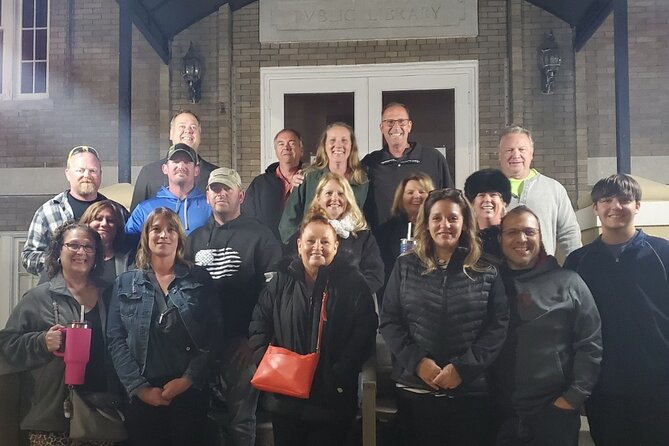
The tour is led by paranormal investigator Ginger Mason. Based on what you’re told to expect, she’s doing two jobs at once: translating local history into stories and then framing how the paranormal equipment fits the investigation-style vibe.
I appreciate this kind of dual-focus guide because it keeps the tour grounded. The history gives you something to hold onto even if you don’t believe. The paranormal discussion gives you a reason to stay curious even if you love facts.
And there’s something else practical: a guide who explains instead of just recites helps you feel like you’re part of the experience. The tour is designed for that, especially with the small group limit.
Pace, walking, and what to bring for comfort
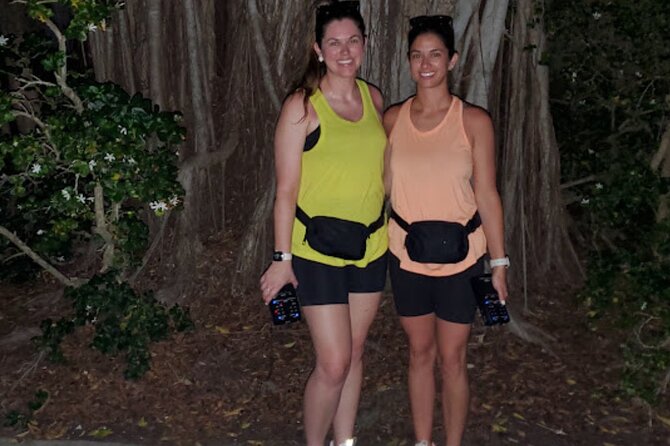
The experience includes travel time inside the total duration, so plan on about 1 hour 30 minutes total for the whole run. Walking is described as just over one mile at a leisurely pace.
That’s a key detail. One mile isn’t far, but it can feel longer at night if you’re in shoes that aren’t up to the job. I’d wear comfortable footwear and keep your water plan simple.
What to bring:
- A water bottle, since bottled water is not included
- Comfortable shoes for easy walking
- A light layer if the evening feels cool (not because the tour says it’s cold, but because Florida evenings can change fast)
The group size is capped at 15 travelers, which usually means you won’t get that chaotic “everyone talking over everyone” energy. Still, you should expect a normal walking-tour flow: stop, listen, move on.
Who this tour is for (and who might want a different night)
This tour seems built for two main types of people:
- History buffs who like local place-based stories
- Paranormal enthusiasts who enjoy hands-on ghost-hunting equipment and investigator-style discussion
It’s also a great fit if you want an evening plan that’s short enough to not hijack your whole day. One and a half hours is a sweet spot.
Who might not love it:
- If you hate walking at night or have trouble with steady walking for about a mile
- If you want a strictly academic history lesson with verified sources only
- If you’re sensitive to the idea of haunted claims and prefer purely historical tourism
If you fall somewhere in the middle, you’ll probably have the best time. This is a “stand in the place and hear the story” kind of experience.
Logistics that affect your decision (without the boring parts)
A few practical notes matter because they affect your comfort and expectations.
It uses a mobile ticket, and you’ll receive confirmation at booking time. Service animals are allowed. The tour is described as something most travelers can participate in, as long as you can handle the walking requirement.
Weather matters too. The tour is stated as requiring good weather, and if it’s canceled due to poor weather you’ll be offered a different date or a full refund. So, if you’re planning your whole trip around this one evening, it’s smart to keep one backup slot in mind.
Should you book Palmetto Ghost and Haunted History Tour?
I’d book this if you want an evening that feels local and interactive. The route through named sites, the small-group cap, and the chance to use ghost-hunting equipment make it more than a casual stroll with spooky background noise. Starting at Carnegie Library and having Ginger Mason guide the story thread through Palmetto’s historic spots gives it shape.
I’d skip it if you’re looking for a long, deep history lecture with lots of hard details, or if nighttime walking for a little over a mile isn’t your thing. Also, because it depends on good weather, it’s best to avoid scheduling it as your only outdoor plan if your trip has tight timing.
If you can handle a short walk and you’re curious about legends that local people keep telling, this is a fun, focused way to spend 90 minutes in Palmetto.
FAQ
How long is the Palmetto Ghost & Haunted History Tour?
The tour lasts about 1 hour 30 minutes.
What is the price per person?
It costs $40.00 per person.
Where does the tour start?
It starts at Carnegie Library, 515 10th Ave W, Palmetto, FL 34221.
Is the tour route back-to-back with the starting point?
Yes. The tour ends back at the meeting point.
What’s included in the tour?
The tour includes an overview of Palmetto’s haunted history and legends, hands-on use of ghost-hunting equipment, and tips and guidance on detecting paranormal activity.
What is not included?
Bottled water is not included.
How much walking is involved?
You’ll need to be able to walk just over one mile at a leisurely pace.
How big is the group?
The tour has a maximum of 15 travelers.
Are service animals allowed?
Yes, service animals are allowed.
What happens if weather is poor?
The experience requires good weather. If it’s canceled due to poor weather, you’ll be offered a different date or a full refund.