REVIEW · KATHMANDU
Kathmandu UNESCO World Heritage Site Tour
Book on Viator →Operated by Himalayan Holyland Treks and Expedition · Bookable on Viator
Few places feel this spiritual this fast. This Kathmandu Valley UNESCO World Heritage Site day tour packs four major landmarks into one efficient route, starting with an early morning pickup and ending with time to wander back in Kathmandu. I especially like the focus on the big four sites—Pashupatinath, Boudhanath, Patan Durbar Square, and Swayambhunath—because they each show a different side of Nepal’s Hindu and Buddhist traditions. I also like that the tour bundles the practical stuff (licensed guide, entrance fees, taxes, private vehicle, and even a bottle of mineral water), so you’re not stuck figuring it out at the ticket gates. The main drawback to keep in mind is the pace: it’s a long day with early hours, and you’ll likely do plenty of walking on temple paths and stairs.
You start at Tribhuvan Airport Kathmandu Nepal at 5:15 am, so this is best for you if you like getting an early start and want to beat the day’s bigger crowds. Because it’s a private tour/activity, the schedule can be adjusted to your group’s preferences, which is a real plus when you have slower walkers or you want extra time photographing carvings and stonework.
On top of the temples and stupas, you also get dinner included—Nepali cuisine in a Nepali-style restaurant. Still, lunch and snacks aren’t included, so it’s smart to plan for that if you get hungry between stops.
In This Review
- Key Highlights You’ll Care About
- A Very Early Start and a Tight UNESCO Route
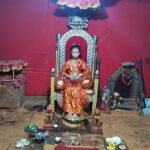
- Pashupatinath Temple: Hindu Pilgrimage and Shiva’s Living Presence
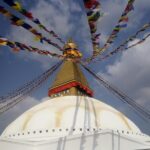
- Boudhanath Stupa: The 36-Meter Buddha Over the Skyline
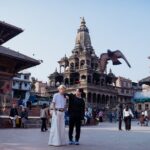
- Patan Durbar Square: Shrines, Carvings, and a Museum Break
- Swayambhunath (Monkey Temple): Chaityas, Shrines, and Big Buddha Views
- Dinner Included, Lunch Not: How to Avoid a Midday Energy Crash
- Price and Value: What $128 Buys You in Kathmandu
- Guide Quality and Driver Safety Matter More Than You Think
- Should You Book This Kathmandu Valley UNESCO Tour?
- FAQ
- Where does the tour start, and what time is it?
- How long is the Kathmandu Valley UNESCO tour?
- Which UNESCO sites are included?
- What’s included in the price?
- What is not included?
- Is it a private tour?
Key Highlights You’ll Care About
- Four UNESCO sites in one day, with clear transitions between Hindu and Buddhist landmarks
- Early 5:15 am start from Tribhuvan Airport, built for a smoother sightseeing rhythm
- Licensed, English or French-speaking guide who explains what you’re seeing (often including guides like Bijay, praised for French and professionalism)
- Entrance fees and taxes included for all four heritage sites, which helps the $128 price feel more fair
- Dinner included after the main circuit, plus a bottle of mineral water during the tour
- Private vehicle and private tour/activity, so you don’t share transport or timing with strangers
A Very Early Start and a Tight UNESCO Route
This tour is built around one simple idea: Kathmandu Valley UNESCO sites are close enough to tackle in a day, but only if you start early and move with purpose. The meeting point is Tribhuvan Airport, with a 5:15 am start. If your flight lands late, this may not be ideal. But if you’re already in Kathmandu the day before, it’s a nice way to avoid wasting a whole afternoon.
The best part of the schedule is that it doesn’t just list famous monuments. It connects them in a way that helps you notice differences. You’ll go from the Hindu world of Pashupatinath to the Buddhist spiritual gravity of Boudhanath, then into Patan’s artistic and architectural focus, and finally to Swayambhunath’s layered mix of shrines and viewpoints.
The trade-off is time on the road between sites and the amount of walking once you’re inside temple zones. You don’t need to be a marathoner, but you should be ready for steps, uneven stone, and long stretches without a sit-down café.
You can also read our reviews of more tours and experiences in Kathmandu.
Pashupatinath Temple: Hindu Pilgrimage and Shiva’s Living Presence
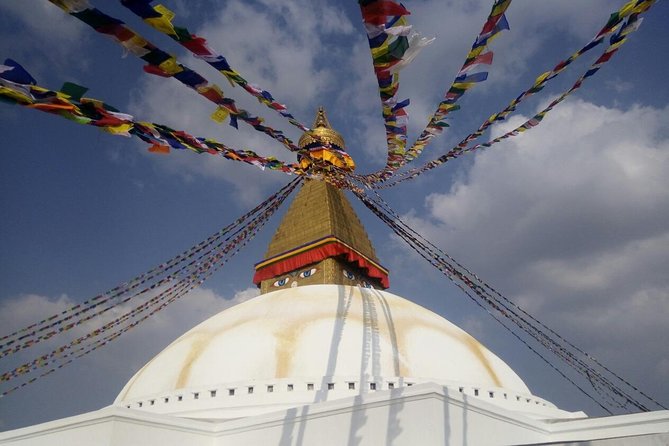
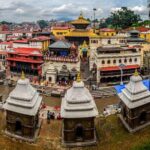
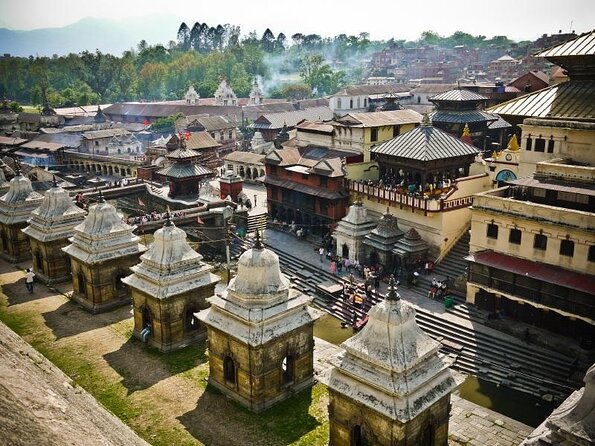
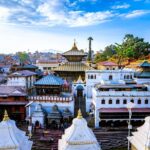
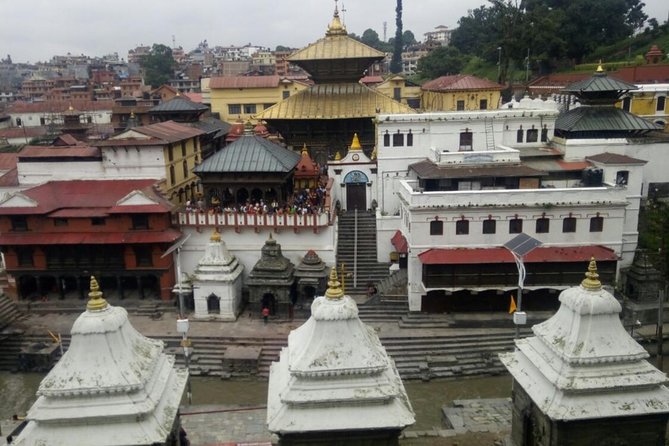
Pashupatinath Temple is the tour’s first stop, and it’s chosen for a reason: it’s one of the most significant religious sites for devotees and disciples of Shiva in Asia. This is where you’ll feel the daily rhythm of a living pilgrimage place, not a museum set.
What you’ll likely enjoy most here is the atmosphere—people come for worship, prayers, and spiritual practice. You’ll also get context from your guide on what you’re seeing, since the tour is designed around explanation as much as observation. If you’ve ever wondered why one place draws people from far beyond their own region, Pashupatinath is the kind of stop that answers that question quickly.
Practical note: these sacred spaces are active religious environments. That means respectful behavior matters—quiet observation helps, and dress that covers shoulders and knees is a safe bet. If you’re sensitive to crowds, consider that this is a morning start, which usually helps.
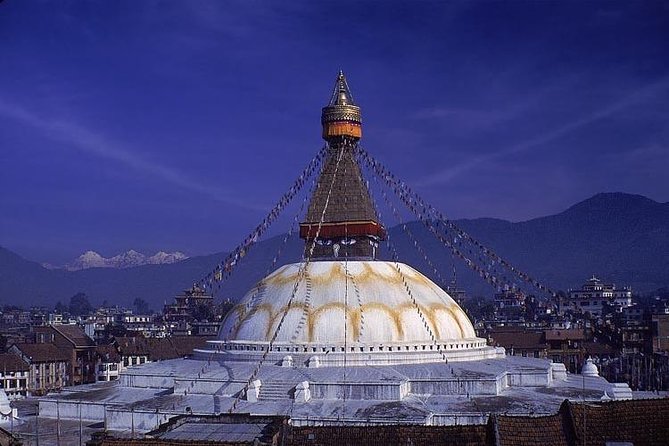
Boudhanath Stupa: The 36-Meter Buddha Over the Skyline
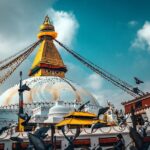
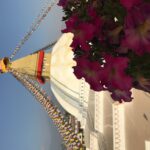
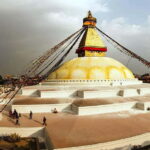
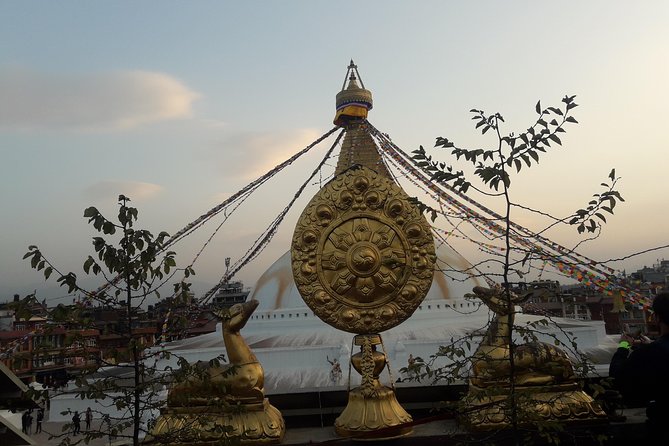
Next comes Boudhanath Stupa, and the headline detail is hard to miss: it’s home to a 36-meter-tall Buddha monument and dominates the skyline in a very cinematic way. It’s also known as Chorten Chenpo, described as the Great Tower or Great Stupa.
This stop is special because it’s not just one monument—it’s a whole spiritual center. You’ll see pilgrims and religious activity tied to Buddhist belief, including ceremonies. Your guide will put the site into context so the symbolism doesn’t feel like random decoration.
A useful thing to remember is that stupas work differently than temples. Instead of one main hall, you experience them through movement, ritual, and surrounding details. If you enjoy observing people doing their faith practices—without trying to interrupt—this is the kind of place where you can slow down and actually take in the atmosphere.
The likely drawback here is that you can feel the “stupa fatigue” if you rush. Try not to treat it like a checklist item. Spend time walking the perimeter areas and looking at the details your guide points out.
Patan Durbar Square: Shrines, Carvings, and a Museum Break
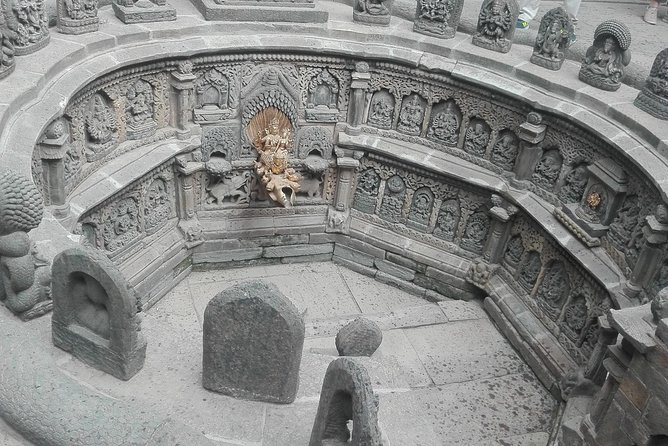
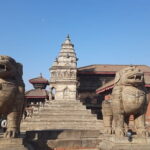
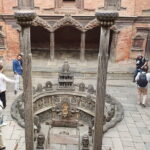
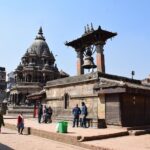
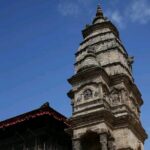
From Boudhanath you head to Patan, known for its sophisticated architecture and for being one of the oldest Buddhist cities in the world. The main target in Patan is Patan Durbar Square, with plenty of opportunities to connect architecture to belief.
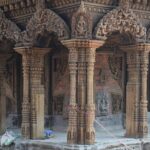
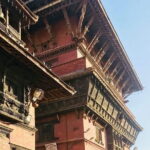
This part of the tour is where the storytelling shifts from religious ceremonies to craftsmanship. Durbar squares tend to be packed with carved stone, layered worship spaces, and a sense of how architecture reflects political and spiritual life. You’ll also visit sites listed as part of the day program, including the Patan Museum and the Krishna temple.
The Patan Museum is a highlight for many people because you get to step away from the open-air crowds and look at religious objects more calmly. The tour description specifically calls out bronze statues and religious objects, and that’s exactly the sort of thing that rewards your attention after you’ve been outside. Even if you don’t consider yourself a museum person, having an indoor segment can reset your energy for the next temple stop.
A consideration here: Patan can involve more walking through stone courtyards and temple edges. If you have limited mobility, mention it early to your guide so your pace and time inside each stop can be adjusted.
Swayambhunath (Monkey Temple): Chaityas, Shrines, and Big Buddha Views
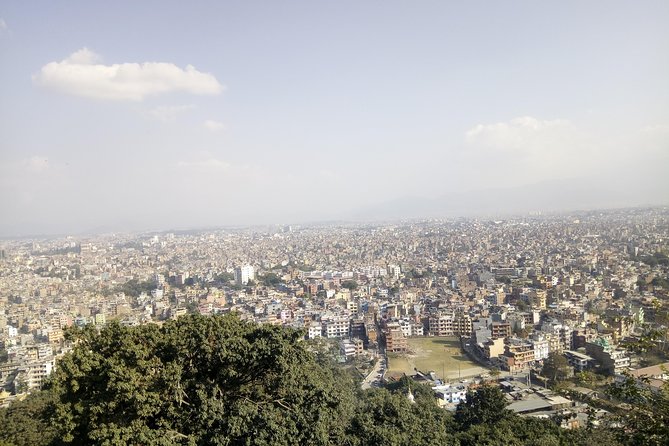
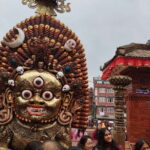
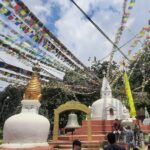
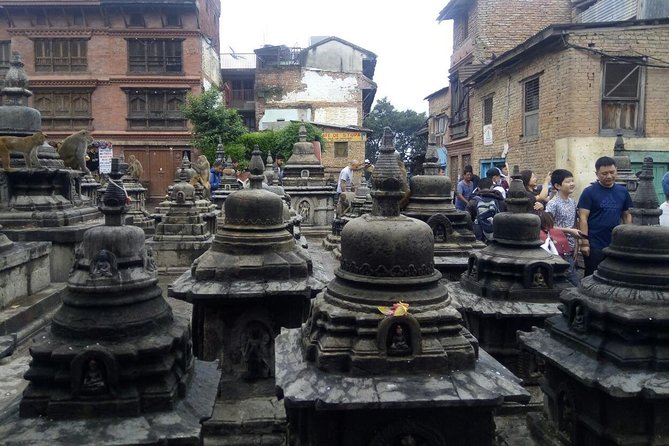
Your final UNESCO stop is Swayambhunath Temple, commonly called the Monkey temple. This is one of those places where the setting itself feels like part of the experience—there’s a lot going on, from shrines and monuments to chaityas and statues of Hindu and Buddhist deities.
The tour focuses on the Swayambhu stupa and the west side featuring Nepal’s largest image of Sakyamuni Buddha sitting on a high pedestal. From a photography standpoint, this is a key moment because it gives you a strong focal point above the surrounding structures.
What I think makes Swayambhunath work so well at the end of the day is variety. You’re not only looking at one style of religious artwork. You’re seeing layers—indicators of multiple traditions coexisting in the same spiritual landscape. Your guide will point out names and significance of deities mentioned in the tour program (like Manjushri and Saraswati), which helps you orient yourself instead of just guessing at what you’re seeing.
Practical note: Swayambhunath also has lots of people and active zones, so it’s worth keeping an eye on your belongings and watching your step. If you’re going for photos, go slow—some angles are worth the extra time it takes to stand still.

Dinner Included, Lunch Not: How to Avoid a Midday Energy Crash
One of the more “adult” parts of this tour is that it includes dinner—Nepali cuisine in a Nepali style restaurant. That’s not just a nice extra. It matters because a full-day UNESCO circuit can mess with your schedule, and getting a planned meal after the last stop helps you avoid hunting for food when you’re already tired.
What isn’t included is lunch, beverage, and other snacks during the day. That gap can become a problem if you’re the type who gets cranky from low energy. I’d plan for breakfast before you meet at 5:15 am, and I’d also consider carrying simple snacks with you if you know you’ll need them.
Also, the tour includes a bottle of mineral water during the tour, which helps, but it doesn’t replace the need for your own hydration strategy in a warm season.
Price and Value: What $128 Buys You in Kathmandu
At $128 per person for about a one-day tour, the value depends on what’s included—and in this case, enough is included to make it sensible.
You get:
- Entrance fees for 4 UNESCO heritage sites and government taxes
- A private vehicle to move between destinations
- A government licensed guide with proper English or French speaking skills
- Bottle of mineral water during the tour
- Dinner (Nepali cuisine) in a Nepali style restaurant
- A mobile ticket
- Pickup offered and a private tour/activity setup
What you don’t get:
- Lunch, beverages beyond what’s mentioned, and other snacks
- Tips for guide and driver
- Any expenses not listed
If you tried to do this route on your own, you’d pay separately for entrance fees, transportation, and a qualified guide who can explain what you’re seeing. That’s why this pricing can feel fair—especially when you consider four different UNESCO stops in one day.
The best “value” signal here is the emphasis on licensed guiding and private transport. It reduces friction. You’re spending your time looking at temples and stupas, not arguing about tickets or hunting for the right driver at each turn.
Guide Quality and Driver Safety Matter More Than You Think
The reviews tied to this operator put real focus on guide quality and smooth organization. Guides like Bijay are repeatedly described as friendly, professional, and French-speaking, with a serious command of local context. One person also noted a prudent driver, which matters on day tours because you’re moving early and back-to-back between heritage sites.
For you, that translates into less stress. When a guide can explain why Pashupatinath is so important or what to notice at Boudhanath beyond the obvious stupa form, your day becomes about understanding—not just counting stops.
Should You Book This Kathmandu Valley UNESCO Tour?
Book it if:
- You want a focused Kathmandu Valley overview in one day with four UNESCO sites
- You prefer having a guide rather than figuring out religious sites alone
- You like structured timing—especially with a 5:15 am start that helps the day feel smoother
- You want value in the form of entrance fees, taxes, private vehicle, guide, mineral water, and dinner included
Consider skipping (or adjusting) if:
- You need lots of downtime during the day, since this is packed and includes temple walking
- You’re traveling with very limited mobility and you want a route designed around that (the tour says most travelers can participate, but it doesn’t promise step-free access)
If you’re on a first trip to Kathmandu and you want the major UNESCO hits with context, this tour is a strong match. Just plan food for lunch and take care with respectful temple attire and slow walking on stony paths.
FAQ
Where does the tour start, and what time is it?
The tour starts at Tribhuvan Airport, Kathmandu, Nepal at 5:15 am.
How long is the Kathmandu Valley UNESCO tour?
It’s a single-day tour, approximately 1 day.
Which UNESCO sites are included?
The tour visits Pashupatinath Temple, Boudhanath Stupa, Patan Durbar Square (with Patan Museum and other listed stops), and Swayambhunath Temple.
What’s included in the price?
Included are entrance fees for the four UNESCO heritage sites and government taxes, private vehicle transport, a government licensed guide with English or French skills, bottle of mineral water during the tour, and dinner (Nepali cuisine in a Nepali style restaurant).
What is not included?
Not included are tips for guide and driver, lunch, beverages, and other snacks not mentioned above.
Is it a private tour?
Yes. It’s described as a private tour/activity, so only your group participates.