REVIEW · DATONG
Pingyao Ancient City Scenic Area Pass Ticket Only
Book on GetYourGuide →Operated by China Tour Guide · Bookable on GetYourGuide
Finding your way through Pingyao is much easier than you think. This pass is built for skip-the-line QR entry into a stack of key sights, and I like how it lets you pick your pace instead of being tied to a group plan. My other favorite bit is the 3-day validity, so you can spread visits if your day runs long. The one potential downside: this is strictly an entrance ticket with no guided tour, so you’ll need to enjoy it on your own (or bring your own background reading).
Pingyao itself is a UNESCO World Cultural Heritage Site, shaped by centuries of Ming and Qing growth and protected well enough to feel like you’re stepping into older daily life. You’re given a self-guided 3-hour window to tour major stops, but the pass covers a lot more than a single afternoon if you want to return within the validity period. Also note the big practical catch: there’s no hotel pickup or drop-off, so you’ll start from Pingyao and handle local transport yourself.
In This Review
- Key things to know before you go
- Pingyao in One Ticket: What This Pass Actually Gets You
- Price and Value for $36 in a UNESCO City
- QR-Only Entry: Skip the Line Without Paper Tickets
- Self-Guided Timing: How to Fit “3 Hours” Into a City This Big
- Your Stop-by-Stop Route: Walls, Banks, Temples, Museums, and Courtyards
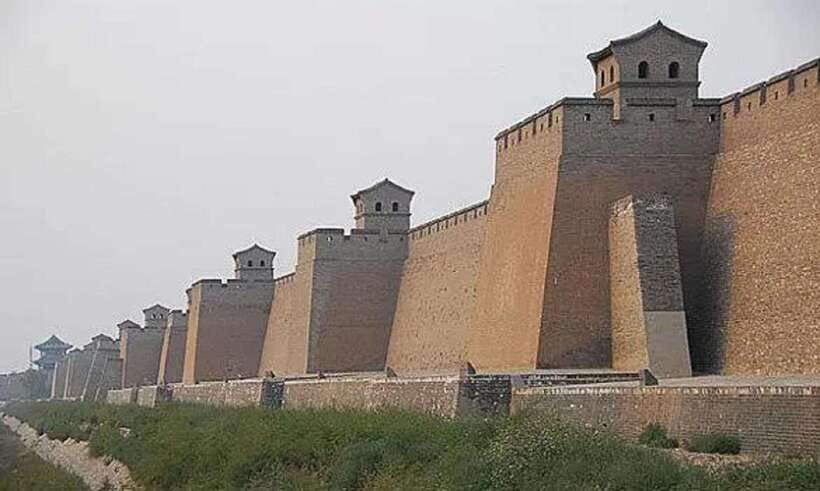
- Pingyao Ancient City Wall ( 平遥古城墙)
- Rishengchang Ancient Draft Bank ( 日升昌票号) + More Draft Banks
- City God Temple ( 城隍庙) + Pingyao Confucian Temple ( 平遥文庙)
- Ming and Qing Street ( 明清街)
- Ancient Government Buildings (县衙)
- Qingxu Taoist Temple(清虚观)+ Erlang Taoist Temple (二郎庙)
- Tianjixiang Musuem(天吉祥博物馆) + Pingyao Chamber of Commerce Museum(平遥商会博物馆)
- Bodyguard Agency Museums: Huiwuli and Tongxinggong + North China First
- Lei Lutai’s Former Residence (雷履泰故居) + Ma Family Courtyard (马家大院)
- Weitauxxx/Weishxxx/Bank Extras + Specialty Collections
- What’s Not Included: Shuanglin Temple and Zhenguo Temple
- What You Miss Without a Guide (and How to Make Up for It)
- Practical Tips That Keep Your Day Comfortable
- Who This Pass Suits Best
- Should You Book This Pass in Pingyao?
- FAQ
- How do I enter with this ticket?
- Do I need a tour guide included?
- Where is the pickup and drop-off?
- How long is the self-guided experience?
- Is the pass only valid on one day?
- What sites are included with admission?
- Are Shuanglin Temple and Zhenguo Temple included?
- Are meals included?
- Can I take photos inside?
Key things to know before you go
- QR-only entry: you show a QR picture at the entrance—no paper ticket needed.
- Entrance ticket only: no tour guide, no meals, no pickup or drop-off.
- 3-day validity: bought as a 1-day option, but usable within a 3-day window.
- Many sites under one price: walls, banks, temples, museums, old streets, government buildings.
- No flash photography: photos are allowed, but keep the camera dialed down.
- Not all major sites are included: Shuanglin Temple and Zhenguo Temple are excluded.
Pingyao in One Ticket: What This Pass Actually Gets You
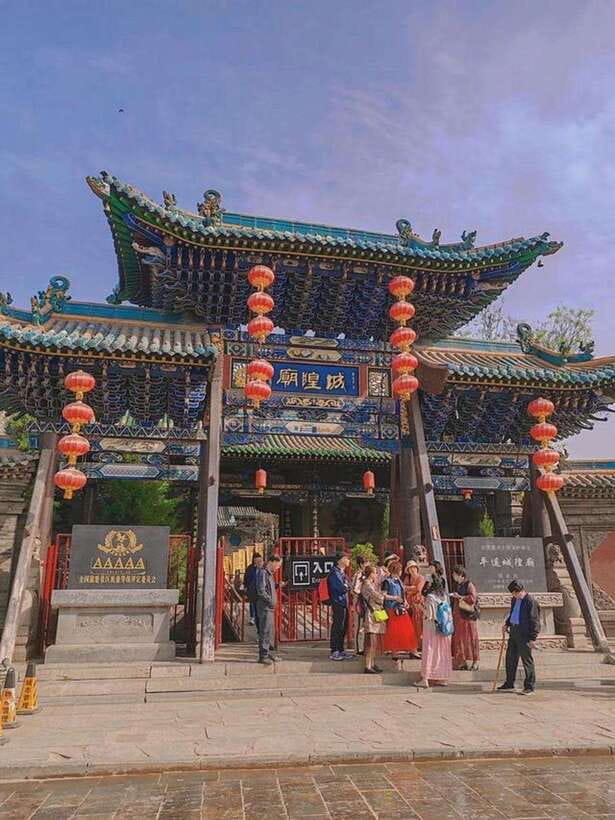
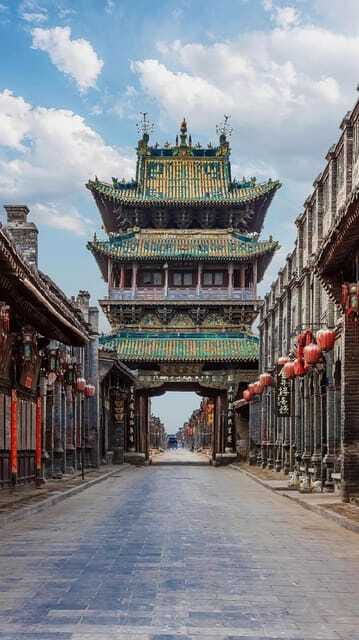
This isn’t just a ticket to a single monument. It’s a multi-site entrance pass for Pingyao Ancient City Scenic Area, covering a long list of places that represent how the city worked—trade, religion, education, security, and home life.
Pingyao (Ping Yao) sits in Jinzhong, Shanxi Province, about 600 km from Beijing. The city’s story goes back roughly 2700 years, but its big expansion happened later, especially during the Ming and Qing dynasties. That timing matters because many of the streets, courtyards, and institutions you’ll see today feel shaped by those later centuries, not just the earliest origins.
With this pass, you’re paying for access to a network of heritage spots, including:
- City Wall
- several important draft banks (old-style financial houses)
- major temples and teaching sites (City God Temple, Confucian Temple, Taoist temples)
- Ming and Qing Street for historical streetscape vibes
- the county government complex area (Ancient Government Buildings)
- museums connected to merchants and local commerce, plus bodyguard agencies and old weapons displays
The best way to think about it: you’re buying a way to connect the dots between Pingyao’s everyday systems—how people protected wealth, invested and stored money, practiced religion, and ran civic life.
Price and Value for $36 in a UNESCO City
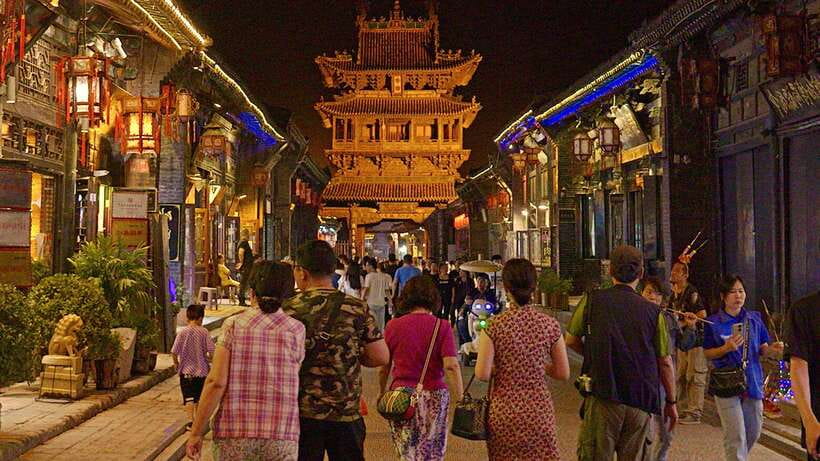
At $36 per person for admission access to a pile of stops, the value is strongest if you plan to actually use the ticket across multiple buildings—not just pop into one or two rooms.
Here’s why that matters. Entrance costs in historic sites can add up fast, and this pass bundles admissions to places that are very different from each other:
- financial history (draft banks)
- religious life (temples)
- civic order (government buildings)
- local culture and commerce (chamber of commerce and street scenes)
- private security and protection (bodyguard agency museums)
- artifacts and specialty collections (ancient weapons and even a rare newspaper exhibition)
Because there’s no guided tour included, you’re not paying for narration time. You’re paying to enter. If you like exploring with a phone map, a pocket guide, or just curiosity, this works well.
If you want a scripted explanation for every stop, this might feel like “lots of tickets, missing context.” You can still enjoy it, but you’ll get more out of it if you’re willing to read signs and connect themes yourself.
QR-Only Entry: Skip the Line Without Paper Tickets
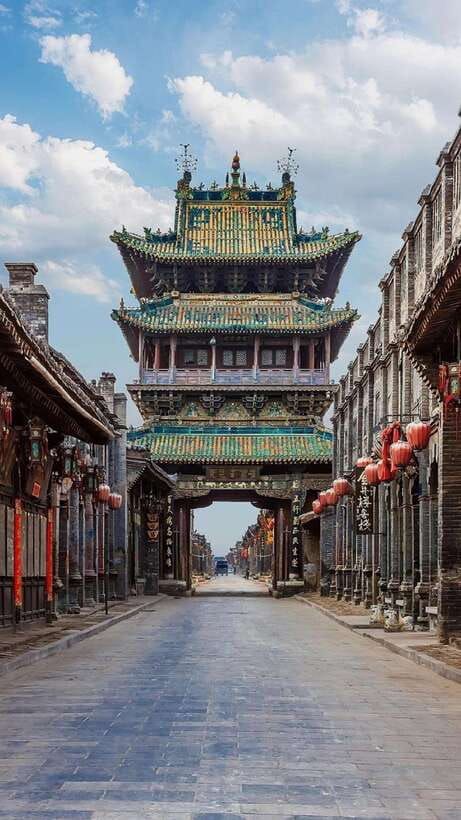
The most practical part of this experience is how entry works.
You’ll need to send everyone’s passport number and full name so the provider can generate your entry QR. After that, you’ll receive a QR picture. On arrival, you show that QR at the entrance—there’s no need for paper tickets.
In plain terms, this saves time on the ground. Instead of hunting for your printed ticket, you’re ready with your phone or printed QR image (depending on what you receive). One verified review highlighted that the code was easy to use without extra steps, and that matches what this QR system is designed to do.
Two more small-but-important notes:
- Flash photography isn’t allowed, so keep your camera settings in mind before you walk in.
- If you’re traveling as a group, double-check that each person’s details were submitted correctly. QR systems are fast, but they can’t fix wrong names or missing info.
Self-Guided Timing: How to Fit “3 Hours” Into a City This Big
The planned self-guided tour time is 3 hours. That doesn’t mean you’ll do everything inside that window. The pass covers many locations, and some of them are museums or indoor rooms where you’ll want more time than a quick glance.
My best advice: treat those 3 hours as your core circuit. Pick a theme or choose your top 5–7 sites based on what you’re most curious about.
A smart strategy:
- Start with one “anchor” theme (for example: banks and commerce).
- Add one civic stop (government buildings).
- Add one spiritual stop (City God Temple or Confucian Temple).
- Finish with one museum-style collection (weapons, newspapers, or chamber of commerce).
Then, if you’re still energized (or if you find yourself moving slower), remember the pass is valid for 3 days. That gives you flexibility to return for the remaining stops rather than trying to cram everything into a single afternoon.
Your Stop-by-Stop Route: Walls, Banks, Temples, Museums, and Courtyards
This pass includes a lot of sites, so I’m grouping them in a practical walking logic. You can follow this order loosely, or shuffle based on your preferences.
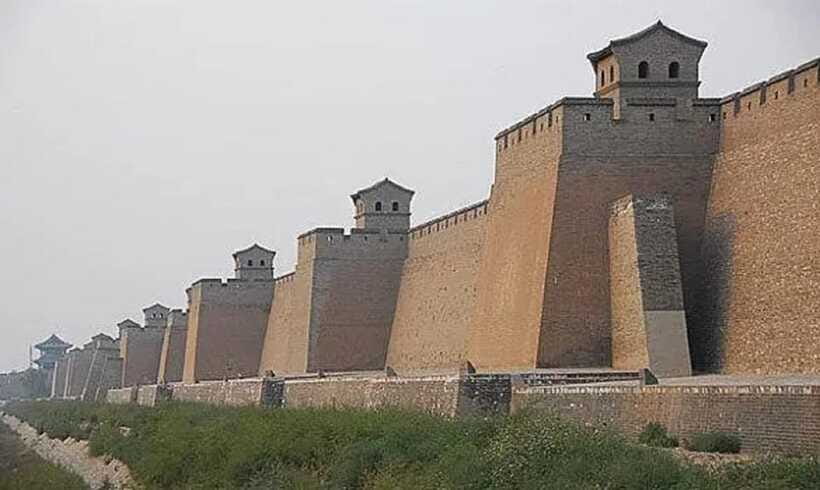
Pingyao Ancient City Wall ( 平遥古城墙)
If you only do one outdoor heritage stop first, make it the wall. City walls in places like Pingyao help you understand the geography and scale—how a walled city shapes movement, defense, and daily routes.
What I like about starting here: it sets a sense of place fast. Even if you don’t spend ages walking every section, the wall helps you orient yourself before you head into streets and museums.
Practical consideration: wear comfortable shoes. You’ll likely cover more walking than you expect in an ancient city layout.
Rishengchang Ancient Draft Bank ( 日升昌票号) + More Draft Banks
Pingyao is famous for historic draft banks, and these buildings are where the city’s wealth and trade networks become tangible. The draft bank sites included with your pass include:
- Rishengchang Ancient Draft Bank
- Weitaihou Draft Bank (蔚泰厚)
- Weishengchang Draft Bank (蔚盛长)
- Baichuantong Draft Bank (百川通)
- Xietongqing Draft Bank (协同庆)
What these places help you understand: Pingyao wasn’t only a cultural relic. It was part of an organized system for moving money and credit. Even if you don’t read every historical detail, the architecture and display layout communicate purpose—tables for dealing, counters, and spaces meant for business flow.
Drawback to plan for: if you’re not interested in financial history, you might need to limit how long you spend per bank. One solid stop plus two supporting ones usually keeps your day fun rather than tiring.
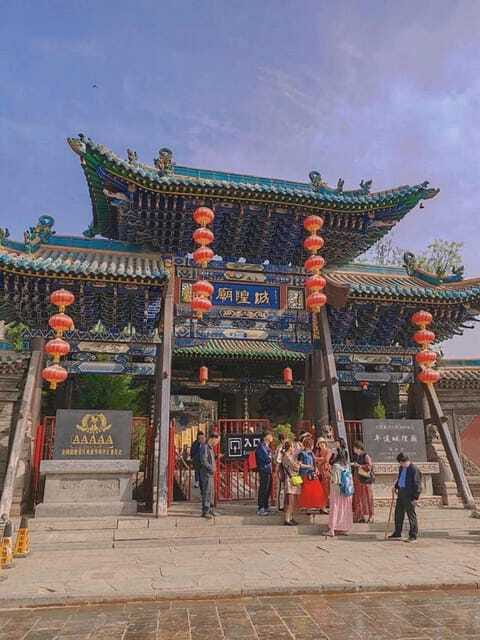
City God Temple ( 城隍庙) + Pingyao Confucian Temple ( 平遥文庙)
Religion in Pingyao isn’t just background decoration. Temples like the City God Temple connect to local beliefs tied to protection and civic order, while the Confucian Temple links to education, ethics, and the idea of learning and duty.
These stops work well in your itinerary because they break up the “commerce museums” feel and add a different pace. If you’re the type who enjoys seeing how people organized life—socially and spiritually—these will feel like the missing pieces between street life and commerce.
Practical tip: take a moment to pause and look around. In these sites, the small details—courtyard layout, space hierarchy, and signage—often do more than a rushed walk-through.
Ming and Qing Street ( 明清街)
After the temples and banks, you’ll likely enjoy stepping into Ming and Qing Street. This is the kind of place where the city feels lived-in even when it’s clearly heritage-focused.
My take: it’s a good spot to reset. People-watching and slow walking here gives your brain a breather after museums. If you want to buy small souvenirs, this is also one of the more practical places to check first because you can compare prices and styles while keeping your day efficient.
Ancient Government Buildings (县衙)
The Ancient Government Buildings site adds the civic layer. This is where the city’s authority would have been represented, and you can see how law and local administration were staged physically.
Why it’s valuable: it helps you understand Pingyao as an organized place, not just a set of old buildings. The layout usually encourages a sense of order and hierarchy, and that theme fits well with the City God Temple and Confucian Temple you visited earlier.
Consideration: if you’re tired, this stop can feel more “information-heavy” than “visual.” Plan to skim what you can and spend your energy on the areas that feel most relevant.
Qingxu Taoist Temple(清虚观)+ Erlang Taoist Temple (二郎庙)
Taoist temples included here—Qingxu Taoist Temple and Erlang Taoist Temple—give you another lens on local belief. You’ll get a different atmosphere than the Confucian site: more focus on Taoist ritual spaces and religious iconography.
I like pairing one Taoist temple with one other theme rather than doing too many in a row. Otherwise, the buildings can blend into each other if your day is packed.
Tianjixiang Musuem(天吉祥博物馆) + Pingyao Chamber of Commerce Museum(平遥商会博物馆)
Two museums included with the pass—Tianjixiang Museum and Pingyao Chamber of Commerce Museum—keep your day anchored in how Pingyao organized business life.
This is the kind of stop where you might learn more by slowing down and reading than by just photographing. If you tend to skim, you might want to pick one or two key areas to focus on and not try to absorb everything at once.
Bodyguard Agency Museums: Huiwuli and Tongxinggong + North China First
This is one of the most interesting story threads in the included admissions: security and protection as a local business.
Your pass includes:
- Huiwuli Bodyguard Agency Museum ( 中国镖局博物馆)
- Tongxinggong Bodyguard Agency ( 同兴公镖局)
- North China First Bodyguard Agency(华北第一镖局)
Why this matters: it turns the story from “money existed” to “money needed protection.” In an old commercial hub, wealth and goods weren’t safe just because they were valuable. They were vulnerable on roads and during transit.
If you enjoy human-scale history—how people worked and protected each other—this section of the ticket can be a highlight.
Practical tip: museums here can take time if you enjoy displays. If your feet are getting tired, pick one bodyguard agency museum to go deepest, and keep the rest as a quicker, high-level visit.
Lei Lutai’s Former Residence (雷履泰故居) + Ma Family Courtyard (马家大院)
Homes in Pingyao aren’t just architecture. They’re social history.
Included stops:
- Mr. Lei Lutai’s former residence (雷履泰故居)
- Ma Family Courtyard (马家大院)
These are excellent for understanding how status, wealth, and family structure shaped everyday life. Courtyards and room arrangements give you a sense of privacy, community, and the flow of people through a home.
Drawback to watch for: if you’re short on time, these residence/courtyard visits can take longer than expected because you’ll want to look at layouts from different angles. Use your 3-hour plan to make sure you still hit your top indoor museums.
Weitauxxx/Weishxxx/Bank Extras + Specialty Collections
Beyond draft banks, your pass covers several specialized collections that break the day into “different kinds of learning”:
- China Rare Newspaper Exhibition Hall(中国珍奇报纸陈列馆)
- Wentaofang Museum of Ancient Weapons(文涛坊)
- Wentaofang Museum of Ancient Weapons is the kind of stop that can be fast or long depending on your interest—either way, it’s a good contrast to the calmer temple atmosphere.
These specialty stops are great if you like moments of surprise. They also help you avoid the feeling that you’re doing the same type of building back-to-back.
What’s Not Included: Shuanglin Temple and Zhenguo Temple
Two major areas are excluded from this pass: Shuanglin Temple and Zhenguo Temple.
If those are on your must-see list, you’ll need separate tickets or a different plan. For many visitors, these excluded sites are the reason they plan longer than one day in Pingyao, so double-check your priorities before you commit.
What You Miss Without a Guide (and How to Make Up for It)
This ticket does not include a guided tour. That’s not automatically bad. It just changes what kind of day you’ll have.
With no guide, you’ll rely on:
- signs and museum displays
- your own curiosity
- whatever context you bring (notes from a guidebook, a map app, or a quick read beforehand)
To make it work smoothly:
- Pick one or two themes for the day. For example: commerce + protection, or religion + civic order.
- Use short stops for the rest. Don’t force yourself to fully “read everything” if you’re on museum overload.
- When you hit a place that feels quiet, slow down and look at layout and purpose. A lot of meaning is visual in heritage buildings.
Practical Tips That Keep Your Day Comfortable
A few details will make a big difference.
First, flash photography is not allowed. If you’re taking night or low-light photos with flash, change settings before you enter.
Second, you’re walking in and around an ancient city environment. Plan for shoes that can handle uneven surfaces.
Third, this pass includes a note that it’s wheelchair accessible. Still, ancient city layouts can vary. If you’re using a wheelchair or mobility aid, give yourself extra time and choose your stops with a slower pace.
Finally, the pass is entrance only with no meals included. So treat snack breaks as part of your planning, not an afterthought.
Who This Pass Suits Best
This pass is a strong match if you:
- want a self-guided day
- like visiting multiple types of places in one ticket: walls, banks, temples, streets, and museums
- prefer flexibility and don’t need an assigned guide
- are the type who enjoys connecting themes (commerce, protection, religion, civic life)
It’s a weaker match if you:
- need a guide to explain details constantly
- want a fully planned schedule with transport and meals
- only care about one site and don’t want to sort out a route
Should You Book This Pass in Pingyao?
Book it if you want an efficient way to access a wide range of Pingyao’s heritage for $36, especially with the QR skip-the-line entry and 3-day validity for flexibility. The ticket is most valuable when you’ll actually use it across multiple stops, not just one quick look.
Skip it (or plan a supplement) if you specifically want Shuanglin Temple and Zhenguo Temple, since they’re not included. Also consider booking something with a guide if you know you’ll feel lost without explanations.
If you’re happy to explore with your own pace and you like seeing how a historic city functioned, this is an easy, practical way to spend your time in Pingyao.
FAQ
How do I enter with this ticket?
You receive a QR picture and show it at the entrance. There’s no need for a paper ticket.
Do I need a tour guide included?
No. This option is ticket-only and does not include a guided tour.
Where is the pickup and drop-off?
Hotel pickup and drop-off are not included. You start from Pingyao on your own.
How long is the self-guided experience?
The self-guided tour time is listed as 3 hours.
Is the pass only valid on one day?
It is sold as a 1-day option, and the ticket is valid for 3 days, so you have some flexibility within that window.
What sites are included with admission?
Included admissions cover Pingyao Ancient City Wall, several draft banks, City God Temple, Pingyao Confucian Temple, Ming and Qing Street, Ancient Government Buildings, Qingxu Taoist Temple, Tianjixiang Museum, bodyguard agency museums, draft banks, Mr. Lei Lutai’s former residence, Ma Family Courtyard, Pingyao Chamber of Commerce Museum, a rare newspaper exhibition hall, Wentaofang Museum of Ancient Weapons, and Erlang Taoist Temple.
Are Shuanglin Temple and Zhenguo Temple included?
No. Shuanglin Temple and Zhenguo Temple are not included.
Are meals included?
No meals are included.
Can I take photos inside?
Photography is allowed, but flash photography is not.