REVIEW · SIEM REAP
Biking Tour in Angkor Wat, Angkor Thom Ancient Capital, Ta Promh
Book on Viator →Operated by Remorque Cambodia Tour · Bookable on Viator
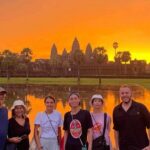
An ancient city on bikes is the move. This private Angkor tour is built for your pace, with a licensed guide who can explain what you’re seeing as you pedal through temple roads and shaded stretches. You’ll cover top sights like Angkor Wat, Ta Prohm, and Angkor Thom without feeling rushed.
I especially like the mix of big-ticket temples and the slower, more detailed feel around Angkor Thom. Another win is the practical setup: hotel pickup where a sign is available, a good mountain bike for the day, and cool water to keep you comfortable.
One thing to consider is that temple entry is not included in the $69 price. You’ll need to budget for the Angkor Pass/temple tickets separately, and the ride calls for strong physical fitness for a 6–8 hour day.
In This Review
- Key things you’ll love on this Angkor Wat cycling day
- Why biking Angkor feels smarter than just riding around
- Price and value: $69 plus the temple tickets you should plan for
- What’s included (and the small comforts that matter in heat)
- Entering Angkor Wat: the scale hits hardest when you can move
- Ta Prohm: where tree roots turn ruins into a story
- Angkor Thom: Victory Gate to Bayon, with real named stops
- Baphuon and the royal terraces: great if you like details
- Pace, timing, and photo stops: how the day really works
- Hotel pickup with signs: the practical version of “door-to-door”
- What kind of traveler should book this cycling Angkor day
- Should you book it? My straight answer
- FAQ
- How long is the Angkor cycling tour?
- What time does the tour start?
- Is hotel pickup included?
- Is the tour private?
- Which temples are included?
- Are temple entrance tickets included in the price?
- How much is the temple ticket/Angkor Pass?
- What’s included besides the guide and bike?
- Are kids allowed?
- Do I get a mobile ticket and booking confirmation?
- Is there free cancellation?
Key things you’ll love on this Angkor Wat cycling day
- Private pacing: pedal when your group is ready, not when a timetable says so
- Licensed guide storytelling: historical context that helps the temples make sense fast
- Two-way hotel transfers: pickup and drop-off from Siem Reap hotels with a sign
- Ta Prohm photo moments: tree roots and vines framing the ruins
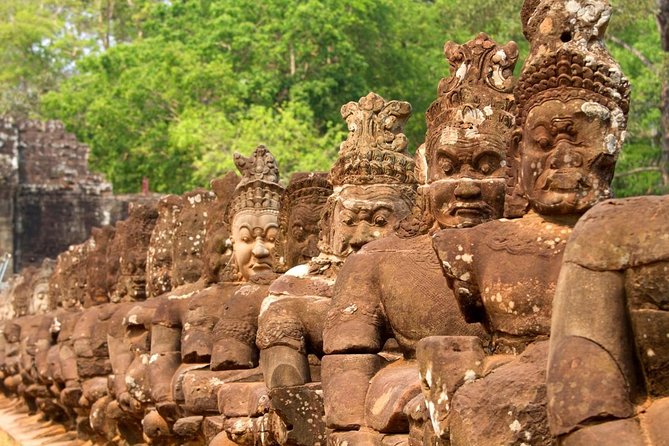
- Angkor Thom depth: Bayon faces plus terraces and named spots you won’t want to skip
- Comfort touches: cool water on board, with guests also mentioning a damp towel to cool off
Why biking Angkor feels smarter than just riding around
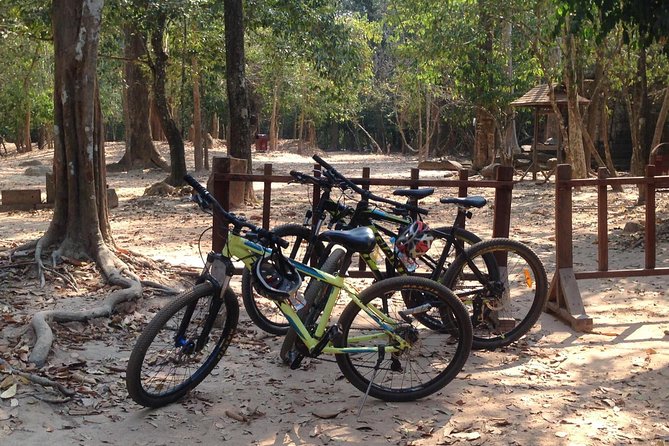
Angkor is huge, and it’s easy to waste energy staring at a map instead of seeing places. On a bike tour, you get a real rhythm: stop, look, learn, pedal again. That flow makes it feel less like a checklist and more like you’re moving through the civilization’s space.
I also like that this is private. You’re not squeezed behind strangers doing their own photo sprint. If your group wants extra time at Angkor Wat’s key angles or lingers for root-covered stone at Ta Prohm, you can usually make it happen.
The day is built with a mix of walking and cycling too. That matters because some temple moments are better on foot, and some sightlines are much easier from the saddle. You’ll feel that balance when you’re switching between bike lanes/temple paths and short walks to viewpoints.
Finally, a good guide changes everything. Here, the guide is licensed, and people specifically praise guides like Pierre and Veasna for explaining Cambodian history in a way that clicks while you’re there.
You can also read our reviews of more tours and experiences in Siem Reap.
Price and value: $69 plus the temple tickets you should plan for
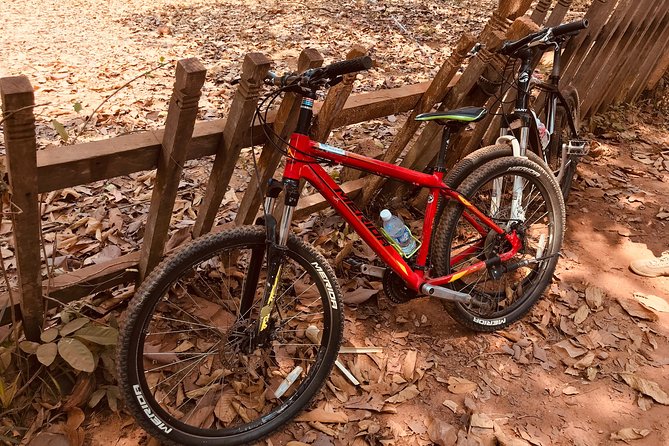
The tour price is $69 per person, and it’s a private day that runs about 6 to 8 hours starting at 8:30 am. That’s not just “a ride”—it’s a full guided circuit across several major temple zones, with a dedicated mountain bike and support throughout the day.
But here’s the big budgeting reality: temple entrance is extra. The data spells out an Angkor Pass/temple ticket expense (not included), listed as $37.00 USD per person for a 1-day pass, and it also notes the Angkor Pass is at your expense. So the true cost is usually $69 plus your entry budget.
Is it still good value? For me, yes—if you want a guided, paced way to cover Angkor without hiring multiple tuk-tuks or trying to piece together routes on your own. You’re paying for someone who knows the history and can place each stop in context while you ride.
Also, you get included transfers in a real-world way: two-way pickup and drop-off from Siem Reap hotels that have a sign. That saves time and hassle, especially on a day starting in the morning.
What’s included (and the small comforts that matter in heat)
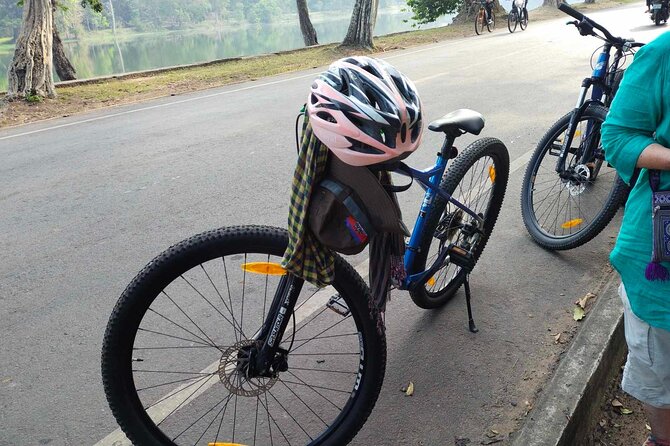
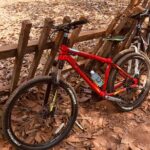
This tour includes a licensed local guide, a mountain bike suited for the day, and cool water. It also includes both walking and cycling during the day, so you’re not stuck doing only one thing. The tour is private, so it’s your group only.
A detail that shows up in guest feedback is comfort support: people mention cold water and sometimes a damp towel to cool off. Even if that’s not guaranteed for every stop, it tells you the approach is practical—think heat management, not just sightseeing.
You’ll also want to know what’s not included. Meals are not listed as included, and services not mentioned are on you to plan. There’s also no insurance coverage noted, so you’ll want to have your own travel coverage sorted.
Lastly, the bike is described as a good-quality mountain bike for the day, with kids also available 10 years up (so long as they can handle the ride). That’s important if you’re traveling as a family and want to make sure the route is realistic for everyone.
Entering Angkor Wat: the scale hits hardest when you can move
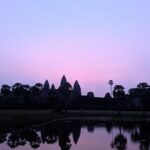
Angkor Wat is the headline, and your day starts there. The temple dates to the early-mid 12th century and was built by King Suryavarman II, dedicated to the Hindu god Vishnu. It’s the kind of site where every angle feels meaningful, but it also can overwhelm you if you don’t know what you’re looking at.
With a guide, you get help spotting why Angkor Wat’s layout matters—without needing to read a book while standing in the sun. You’re given around 3 hours at Stop 1, with entry tickets not included.
The biking part matters here too. You’re not just arriving, walking, and leaving. You pedal through the broader area so you can feel the temple’s position and scale in the Angkor region. And because you’re private, you can focus on the parts you care about most—whether that’s the main temple-mountain views, key carvings, or the best photo angles.
Drawback? The bigger the site, the more you’ll need hydration and energy. It’s also an early start, so bring your “morning body” game—comfortable shoes for walking, and something for sun protection.
Ta Prohm: where tree roots turn ruins into a story
Ta Prohm is the stop that tends to stay in your memory. The temple dates to the mid-12th to early 13th centuries and is famous because it was left largely as it was found—overgrown with jungle trees and vines, with crumbling stone that gives it that wild, time-lapsed feeling.
You’ll have about 2 hours here, again with temple entry not included. This is a great length: long enough to wander slowly, but not so long that your energy fades before you still have Angkor Thom to see.
This is where the biking tour’s rhythm helps. The route gets you into position so you can stop at the right moments for photos, then move on without feeling like you’re stuck behind a crowd.
If you want the kind of photos where tree roots colonize stone and frame faces, Ta Prohm is where you’ll get them. And if you care about history context, this is one of the places your guide’s explanations can make the setting feel less spooky and more understandable.
Possible downside: Ta Prohm can be uneven and shaded in spots, which affects footing. Wear shoes with decent grip and be ready for walking on temple paths, not just cycling.
Angkor Thom: Victory Gate to Bayon, with real named stops
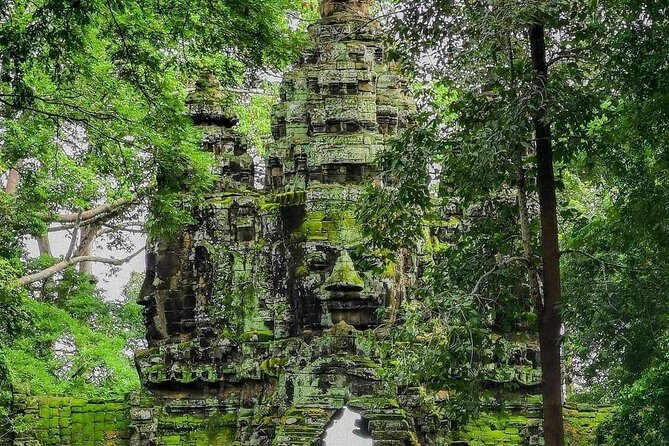
Angkor Thom is where the tour becomes less about single monuments and more about a whole royal city layout. You’ll have about 3 hours at this stop, and you’ll pass through major highlights that people often miss when they rush.
Your day includes a photo moment at the Victory Gate on the way to Bayon. Then you reach Bayon, known for its 54 towers and the famous smiling faces—associated with the compassionate bodhisattva idea in the Khmer tradition.
From there, you continue through other named areas inside Angkor Thom, including:
- Baphuon, the nearby temple-mountain
- The Royal Enclosure with the Phimeanakas temple
- The Elephants Terrace
- The Terrace of the Leper King
Why this matters on a bike tour: you’re not only seeing the famous “smiling faces.” You’re getting the surrounding royal context—terraces and temple-mountain spaces that explain how Angkor Thom functioned as a center of power and ceremony.
The private pacing helps here. Bayon and its terraces are visually dense. If your group wants more time mapping what you’re seeing, you can usually slow down. If you’d rather keep moving and get a cleaner shot without crowds, you can also aim for that.
Baphuon and the royal terraces: great if you like details
Even when Angkor Thom is the most famous part of the day, it’s the “in-between” stops that reward you. Baphuon brings a different feel from the smiling faces, and the royal terraces give you a chance to understand how space and symbolism work together.
The Elephants Terrace and the Terrace of the Leper King are exactly the kind of named locations that can sound odd until you see them in place. With a good guide, you learn what these spaces were for and why they’re arranged the way they are.
This is also where I think a licensed guide earns their keep. Without context, terraces can feel like stone platforms. With context, they start to become part of the story.
You’ll walk some of these sections, and your feet will likely feel it after a full day. Still, the pacing keeps it manageable: you cycle to get between points, then walk where it makes sense.
Pace, timing, and photo stops: how the day really works
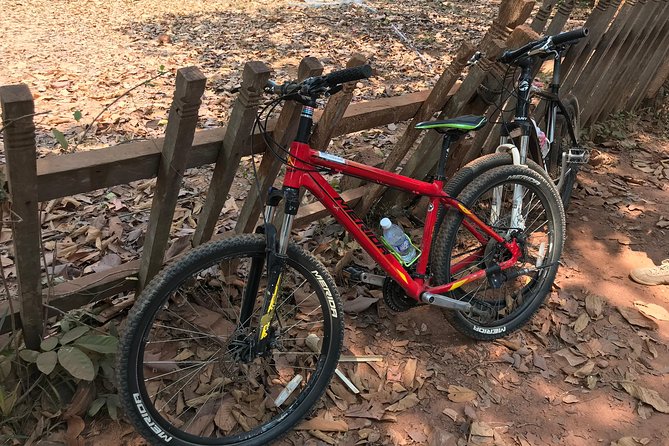
This tour starts at 8:30 am and runs roughly 6–8 hours. That start time is a smart move in Siem Reap because it helps you avoid the worst of the afternoon heat. You’ll still have sun, but you’ll usually get better comfort if you’re moving early.
Because it’s private, the pace is adjustable for your group. That’s a bigger deal than it sounds in Angkor. If someone is slower on foot, you don’t lose the whole tour to waiting. If someone is quick and wants more sight angles, the guide can help you time it.
I’d also plan your body for a day that mixes biking and walking. The tour info explicitly calls for strong physical fitness. If your fitness level is lower, you’ll still maybe enjoy the cultural side, but the ride itself may feel like a grind.
For photos: you’ll have natural moments to stop, especially around Victory Gate and the key temple clusters. Ta Prohm is the big root-photo destination. Angkor Wat is where you’ll likely shoot your “grand view” shots. Bayon is where you’ll shoot close-up face symmetry and tower angles.
Hotel pickup with signs: the practical version of “door-to-door”
One of the simplest quality-of-life perks here is that two-way transfers are offered from Siem Reap hotels that have a sign. That wording matters because it suggests pickup is easier when the driver can identify the location quickly.
You also get a “near public transportation” note for the starting area, which usually means you’re not tucked into an impossible-to-reach spot. And you’ll receive confirmation at booking, plus the tour uses a mobile ticket.
What you should do: plan to be ready a few minutes before pickup time, and make sure your driver can find the exact hotel entrance. That’s how you protect the flow of a day that includes multiple temple stops.
What kind of traveler should book this cycling Angkor day
This tour is best for you if you want:
- A private Angkor day with control over pacing
- A licensed guide who can connect what you see to what it means
- An active way to cover Angkor’s core sites: Angkor Wat + Ta Prohm + Angkor Thom
It’s also a strong fit if you care about photography. Ta Prohm’s root-in-ruins scenes and Bayon’s face towers are built for camera time, and the route helps you reach them without turning the day into a long vehicle-only session.
If you’re traveling with kids, the tour notes 10 years up can be included, assuming they can handle the ride and walking segments.
Where it may not fit: if you don’t have strong physical fitness for a 6–8 hour day that mixes cycling and walking, this could feel too much. In Angkor, stone paths and heat add to the workload.
Should you book it? My straight answer
Book it if you want a guided, private Angkor day that combines major temples with context and a pace that feels human. The licensing of the guide, the private group setup, the mountain bike, and comfort touches like cool water are exactly the right ingredients for a first or second Angkor visit.
Skip it or consider an easier day if temple entry costs are a dealbreaker for your budget, since the Angkor Pass/temple tickets are not included and you’ll pay around the listed per-person amount. Also, if your fitness level isn’t strong, the mixed cycling-and-walking format may not be the best match.
If you’re on the fence, ask yourself this: do you want Angkor as a ride-and-look day, or do you want it as a guided, moving story? This tour leans hard toward the second option.
FAQ
How long is the Angkor cycling tour?
The tour runs about 6 to 8 hours total, depending on the pace of your group and time spent at each temple stop.
What time does the tour start?
Start time is 8:30 am.
Is hotel pickup included?
Yes. Two-way transfers are offered from Siem Reap hotels that have a sign.
Is the tour private?
Yes. It’s private, meaning only your group participates.
Which temples are included?
You’ll visit Angkor Wat, Ta Prohm, and Angkor Thom (including Bayon and several terraces/temples inside the area).
Are temple entrance tickets included in the price?
No. Temple entrance tickets are not included, and the Angkor Pass is at your expense.
How much is the temple ticket/Angkor Pass?
The provided information lists a 1-day temple entrance ticket at $37.00 USD per person.
What’s included besides the guide and bike?
The tour includes a licensed local guide, a mountain bike for the day, cool water, and both walking and cycling during the day.
Are kids allowed?
Kids are available starting around age 10, as long as they can meet the ride expectations.
Do I get a mobile ticket and booking confirmation?
Yes. Confirmation is received at the time of booking, and the tour uses a mobile ticket.
Is there free cancellation?
Free cancellation is offered up to 24 hours in advance of the experience start time for a full refund.