REVIEW · PLOVDIV
Plovdiv Walking Tour To Old Town And Ancient Roman Landmarks
Book on Viator →Bookable on Viator
Plovdiv stacks eras like plates, and this walk helps you sort them fast. You start at the old Roman heart, then swing through Ottoman-era worship, ancient Christian walls, and 19th-century Old Town streets. I especially love how Roman Philippopolis and the medieval-to-modern city feel right next to each other, not like separate textbook chapters.
My second favorite part is the human scale of the group. With a maximum of 10 people and an English professional guide, the pace stays friendly and you actually get answers as you go, including extra context about what you’re looking at.
One consideration: the route is mostly free-entry stops, but there’s at least one spot where admission isn’t included (and there can be small extra fees for related ruins/museum entries). If you want a super-story-heavy tour with lots of legends and anecdotes, plan on a more landmark-and-explanation style day than a theatrical one.
In This Review
- Key things I’d plan around
- Plovdiv in 2–3 Hours: What This Walk Actually Helps You See
- Rimski Stadion Square: Starting at a 2nd-Century Roman Stadium
- Djumaya Mosque: A Measuring Stick for Old Plovdiv’s Center
- Ancient Theatre of Philippopolis: One Ticket If You Want the Full Show
- Plovdiv Old Town: 19th-Century Streets After Roman and Ottoman Layers
- St. Konstantin & Elena Church: Christianity Built Into the Fortress Wall
- Nebet Tepe: The Archaeological Complex That Explains the City’s Timeline
- Sveta Bogoroditsa Church: Orthodox Heritage in the Old Town Center
- Price and Value: Why $31.28 Can Make Sense Here
- Timing, Timing, Timing: A Walk You Can Fit into Real Days
- The Guides: The Difference Between Facts and a Story
- Who Should Book This Plovdiv Walking Tour
- Should You Book It
- FAQ
- How long is the Plovdiv Old Town and Roman landmarks walking tour?
- Is the tour offered in English?
- What does the tour cost?
- What’s included in the price?
- Are museum or monument entry fees included?
- Where does the tour start and end?
- How many people are in the group?
- Is the meeting point near public transportation?
- What if the weather is poor?
Key things I’d plan around
- Small group (max 10) makes the walk feel conversational, not rushed.
- Most stops are free, so the tour cost goes mostly to your guide and route.
- Roman Stadium + Ancient Theatre give you big “wow” anchors for the whole route.
- Old Town layering shows how Plovdiv kept reusing the same strategic ground.
- Multiple religious sites (mosque and churches) help you understand the city’s changing identity.
Plovdiv in 2–3 Hours: What This Walk Actually Helps You See
This is a tight, efficient route through Plovdiv’s central historic area. In a little over two hours, you can connect major landmarks that would otherwise feel disconnected if you visit them one by one.
What makes this tour useful is the order. You begin with Roman-scale planning, then move into later cultural layers, and finish in the Old Town fabric—so the city reads like one story, not a scatter of monuments.
You also get a real guide voice for the English-speaking traveler. The tour format is built for clarity: you stop, you look, you learn what matters, then you keep walking.
Rimski Stadion Square: Starting at a 2nd-Century Roman Stadium
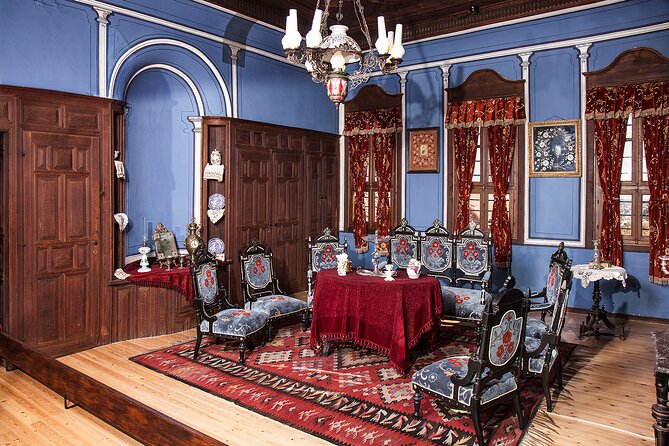
You kick off at the Ancient Stadium of Philipopolis, in the Staria grad area. This Roman stadium dates to the 2nd century AD, and it’s one of the biggest and best-preserved Roman buildings in the Balkan region, which is exactly what you want for a first stop.
Here’s why that first moment matters: Roman Plovdiv wasn’t just a “cool place with ruins.” It was a designed city with public space, crowds, and serious engineering. Seeing the stadium structure early helps you understand why later Plovdiv kept choosing the same strategic ground.
Good news for planning: admission for this stop is free, and it’s scheduled as a short visit. That means you don’t waste time waiting in line for your first big highlight.
Djumaya Mosque: A Measuring Stick for Old Plovdiv’s Center
Next you head to the Djumaya Mosque, set in the middle of today’s pedestrian zone, west of the Old Town core. The site is impressive not because it’s a grand museum display, but because it sits in the living urban center—so you get the sense of continuity.
The mosque is described as measuring about 40 by 30 meters. That’s a handy way to picture its scale while you’re standing there, especially if you’re used to “site photos” that hide size.
This stop is also free for visitors, and it’s timed for a quick look. It’s the kind of pause that breaks up the heavier stone-and-ruin stops without turning the walk into a detour.
Ancient Theatre of Philippopolis: One Ticket If You Want the Full Show
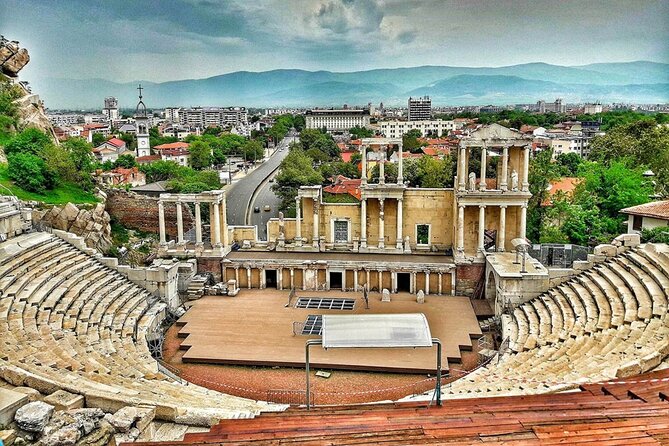
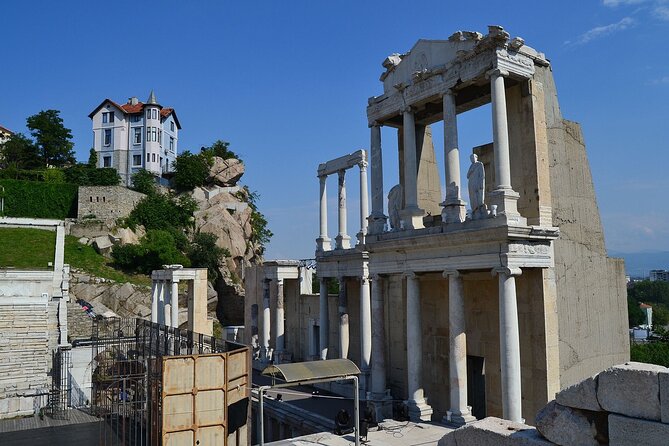
Then comes the Ancient Theatre of Philippopolis, widely regarded as one of the best-preserved ancient theatres. If Roman Plovdiv is your opening chapter, this is the page that really shows performance space—how the city gathered people around sound, sight lines, and spectacle.
Practical note: admission here is not included. So even though many stops are free, set aside a little extra budget for this one if you decide you want the theatre access.
What I like about this placement in the route is the visual rhythm. You move from the stadium into a theatre, and your brain starts comparing public spaces. Both are about crowds, but they function differently—one for athletic competition, the other for staged performances.
Plovdiv Old Town: 19th-Century Streets After Roman and Ottoman Layers
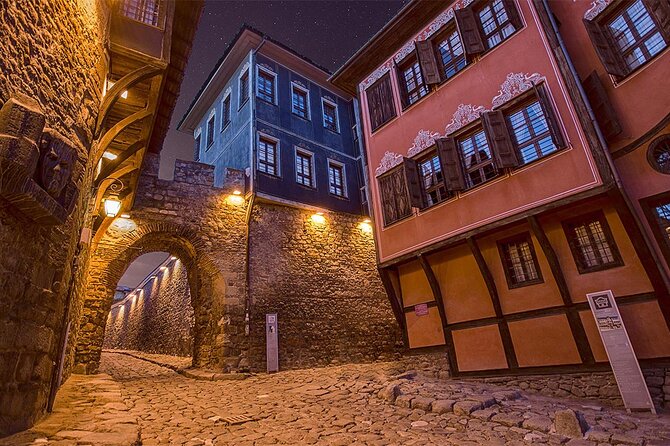
After the major ancient anchor stops, you step into Plovdiv Old Town—focused on 19th-century buildings that have been renovated. This part matters because it’s where the city’s texture becomes more human-scale and walkable.
Think of it as the decompression stretch. Instead of only dealing with monumental ruins, you’re seeing how later Plovdiv created a street life on top of a landscape that had been sacred and strategic long before.
Admission for this stop is listed as free, so you’re not paying again just to wander the streets and absorb the vibe. Still, keep an eye out for details your guide points to—these are the moments where the city starts to feel personal.
St. Konstantin & Elena Church: Christianity Built Into the Fortress Wall
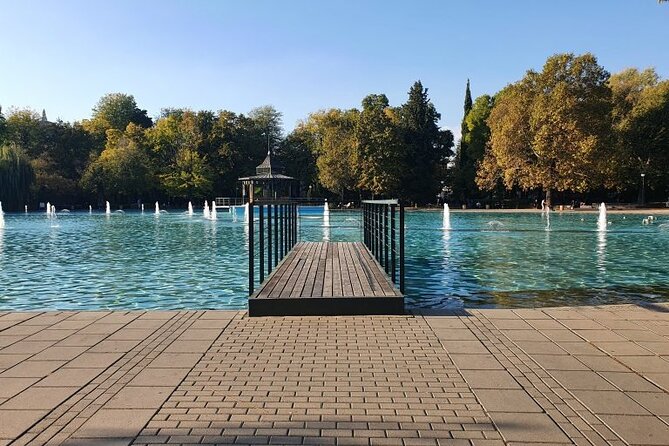
You then visit St. Konstantin & Elena Church, located in the center of the old part of the city on the fortress wall of the Acropolis. That exact placement is a big deal: churches here aren’t isolated buildings. They’re inserted into the city’s defensive story.
This is one of those stops where the guide’s explanation can turn “pretty church wall” into “why this location, why here.” The Acropolis setting helps you understand how Plovdiv’s religious identity formed around the same high ground used for earlier power and protection.
Admission is free, and it’s a short scheduled stop. That works well because the walk is meant to keep momentum while still giving you enough time to look up, not just look forward.
Nebet Tepe: The Archaeological Complex That Explains the City’s Timeline
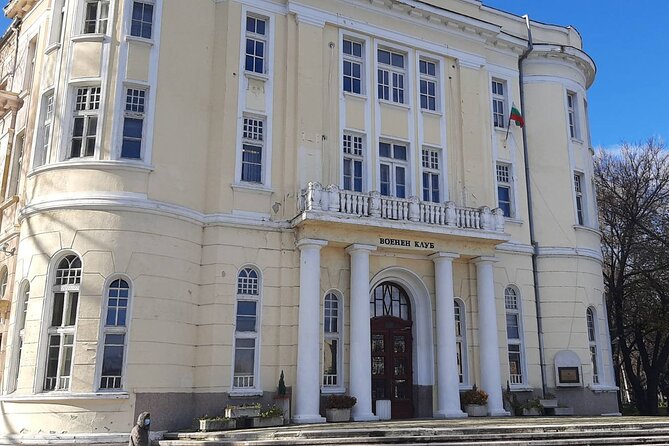
Next is the archaeological complex called Nebet Tepe, recognized as a cultural monument of national importance. This is the kind of stop that rewards even a quick visit, because it gives you the feeling that Plovdiv wasn’t “one era at a time.”
Archaeology sites help you understand layering: the same geography can keep getting used, rebuilt, reinterpreted. You’re walking among evidence that the city’s occupation and significance stretches across long stretches of time.
This stop is listed as free for admission, which makes it an especially good value moment in the tour.
Sveta Bogoroditsa Church: Orthodox Heritage in the Old Town Center
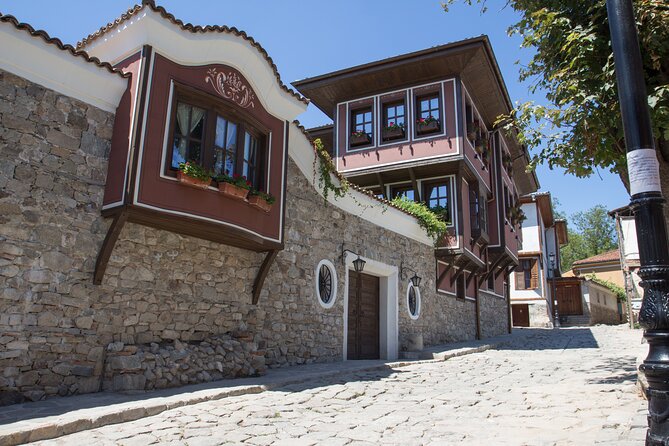
Your last major church stop is Sveta Bogoroditsa (Holy Virgin), described as an Orthodox church in the Old Town and tied to the high priest of the Orthodox Church in Plovdiv. In other words, it’s not just architecture—you’re seeing a religious institution connected to local leadership.
Orthodox churches often feel more alive when you understand their role in the local community, not only their exterior appearance. The location in the Old Town also reinforces the theme: this tour isn’t only about empire-era stone. It’s about what survived and stayed meaningful.
Admission is listed as free, and the stop is scheduled for about 15 minutes—enough time to look around carefully without turning this into a long detour.
Price and Value: Why $31.28 Can Make Sense Here
At $31.28 per person, this tour isn’t “cheap,” but it’s also not trying to charge you for multiple paid tickets. Most of the named stops are free-entry experiences, and your main cost goes into the guide service in English.
That matters because Plovdiv’s historic center can be confusing if you show up as a casual observer. Roman sites, Ottoman-era architecture, and church buildings can look like separate stops. A good guide helps you connect them and avoid the feeling of just taking photos and moving on.
There is a catch: the Ancient Theatre of Philippopolis has admission not included, and the tour also notes that Roman ruins and Old Town museums have an additional fee (listed as $2.5 per entry). So when you’re budgeting, think in terms of mostly free walking plus a small extra line item if you want to enter the paid site(s).
The group size—up to 10—also adds value. It usually means less time waiting at stops and more room to ask questions without feeling like you’re in a herd.
Timing, Timing, Timing: A Walk You Can Fit into Real Days
The tour runs about 2 to 3 hours, which is a sweet spot for an “orientation” day. You can use it on your first day in Plovdiv to understand where everything sits, then return later on your own for slower looking.
It’s offered in English, and confirmation is received at booking time. The start and end point is the Ancient Stadium of Philipopolis area, so you’re not ending in a far-off part of town.
One more practical angle: this experience requires good weather. If rain or bad conditions roll in, it can be switched to a different date or you can get a full refund. That’s helpful for a city walk where slippery streets can slow you down.
The Guides: The Difference Between Facts and a Story
I like that the tour is built around an actual guide, not just a self-guided audio loop. In particular, Dimitar is mentioned for hitting a strong balance—giving the right amount of information and pointing out areas of interest without making you sit through long lectures.
There’s also a note on what to expect in style. Some people prefer more anecdote-style storytelling and legends tied to what they’re seeing, while this kind of walking tour can lean more toward straightforward explanations. If you’re the story-first type, you can get more out of it by asking your guide to add local details as you stand in each location.
Either way, the best moments will come when you slow down for the “why” behind the “what.”
Who Should Book This Plovdiv Walking Tour
This tour is a good match if you want a structured walk that covers Roman, Ottoman, and Orthodox landmarks without spending your whole day hopping between far-apart sites.
It also works well if you like history but don’t want a long, sit-down museum day. The route gives you a mix: big-ticket ancient public buildings, then Old Town streets and active religious sites.
If you’re traveling in a small group or as a couple, the max-10 size makes it easier to keep the conversation going. If you’re the type who enjoys asking questions, bring them—this is the kind of tour where your questions can steer the best moments.
Should You Book It
If you’re in Plovdiv for a short stay, I think this tour is a strong way to get your bearings. You’ll see the city’s major historic layers quickly, and the English guide helps you understand what you’re looking at instead of guessing.
I’d only hesitate if you dislike tours that are mostly landmark-focused, or if you know you won’t pay for the theatre admission. In that case, you might prefer a self-guided walk where you choose exactly what to enter.
My practical takeaway: book it early in your Plovdiv trip, then use the rest of your time to wander with a clearer map of what matters.
FAQ
How long is the Plovdiv Old Town and Roman landmarks walking tour?
It lasts about 2 to 3 hours.
Is the tour offered in English?
Yes, it’s offered in English.
What does the tour cost?
The price is $31.28 per person.
What’s included in the price?
The tour includes professional guide services in English.
Are museum or monument entry fees included?
Not all entries are included. The Ancient Theatre of Philippopolis admission is not included, and Roman ruins and Old Town museums have an extra entry fee of $2.5 per entry.
Where does the tour start and end?
It starts and ends at the Ancient Stadium of Philipopolis Staria grad, Plovdiv Center, ul. Hristo G. Danov, 4000 Plovdiv, Bulgaria.
How many people are in the group?
The maximum group size is 10 travelers.
Is the meeting point near public transportation?
Yes, the meeting point is near public transportation.
What if the weather is poor?
This experience requires good weather. If it’s canceled due to poor weather, you’ll be offered a different date or a full refund.