REVIEW · SANTORINI
Private Tour: Ancient Akrotiri and Santorini Wineries Tour
Book on Viator →Operated by Santorini Day Tours · Bookable on Viator
Akrotiri plus wine is a very smart combo. I like how this private day links buried Bronze Age streets with real, hands-on wine education, from frescoes and pottery to cellar explanations. You’ll also get tastings built around Santorini’s volcanic soils and classic pairings like cheese, salami, olives, and breads.
One thing to plan for: the morning and afternoon move at a steady pace, so if you want to linger slowly over every corner of Akrotiri, you may wish you had a bit more time there.
In This Review
- Key points to know before you go
- From your hotel to the buried city of Akrotiri
- Entering Akrotiri: the Minoan city preserved by ash
- How the winery visits work: from vineyards to cellar tours
- Gavalas Winery: your first taste of Santorini style
- Santo Wines: tasting multiple varietals with food pairings
- Estate Argyros: a strong finish for wine lovers
- A possible extra stop: brewery time instead of just wine
- What wines you’ll likely try (and what to notice)
- Food, pacing, and the practical reality of a long morning
- Pickup logistics and comfort: worth it on a steep island
- Price and value: where the money actually goes
- Should you book this Akrotiri and Santorini Wineries private tour?
Key points to know before you go
- Akrotiri’s drainage system makes the ruins feel practical, not just pretty ruins
- Small-group energy (often around 8 people) keeps questions from getting lost
- Cellar tours at multiple wineries mean you’re not just tasting and rushing
- Santorini wines tied to volcanic soil explains the crisp, high-acid style you’ll notice
- Food pairings show up at each stop, not just at the end of the day
- Pickup helps you skip Santorini traffic and steep navigation
From your hotel to the buried city of Akrotiri
Santorini has two kinds of “wow”: views that make you pause, and history that pulls you in. This tour aims for both, starting with pickup from your hotel or cruise ship area. You meet your guide and climb into a comfortable, air-conditioned minivan, then head out for the day.
Timing matters here. The tour starts at 9:30 am, and the day runs long enough to feel like a proper outing, even though the official duration is about 5 hours. In practice, you’ll often feel like it’s a morning + afternoon plan, with a short pause between major experiences.
This is also where the tour’s “private” promise shows up in comfort and attention. A small group means you’re not squeezed into a huge bus setup. One review mentioned a group of eight friendly people, and that kind of size tends to make a difference when you’re asking questions at an archaeological site.
You can also read our reviews of more tours and experiences in Santorini.

Entering Akrotiri: the Minoan city preserved by ash
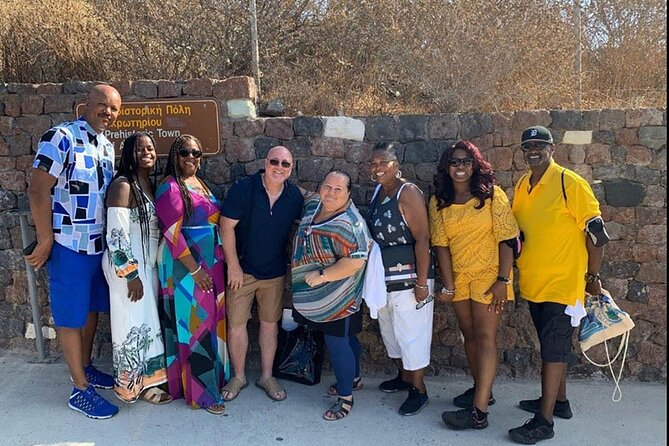
Your first stop is Akrotiri Archaeological Site, a Bronze Age settlement destroyed and buried after a volcanic eruption around 3,600 years ago. Walking through Akrotiri doesn’t feel like wandering through a museum. It feels like you’re stepping into a place that got interrupted mid-life—then sealed for millennia.
What I like most at Akrotiri is the detail guides can point out. You’ll see the remains of multi-storied buildings and get context for what life may have looked like. Guides typically guide you through frescoes, pottery, and other relics, but the standout detail is the ingenious drainage system. That single feature turns the site from “ancient ruins” into “people solving everyday problems.”
Another thread you may hear about is the Atlantis connection. Some people connect the story of Atlantis (as described by Plato) with Santorini’s volcanic history, and Akrotiri is often brought up in that conversation. Whether you buy the Atlantis idea or not, it gives your visit an extra layer of story.
In a few reviews, guides like Katie at Akrotiri are singled out for making the place click—clear explanations, good English, and even humor. Guides such as Michael and George also show up in the mix across the day, and that matters because Akrotiri is complex: you want someone who can translate why things look the way they do.
How the winery visits work: from vineyards to cellar tours
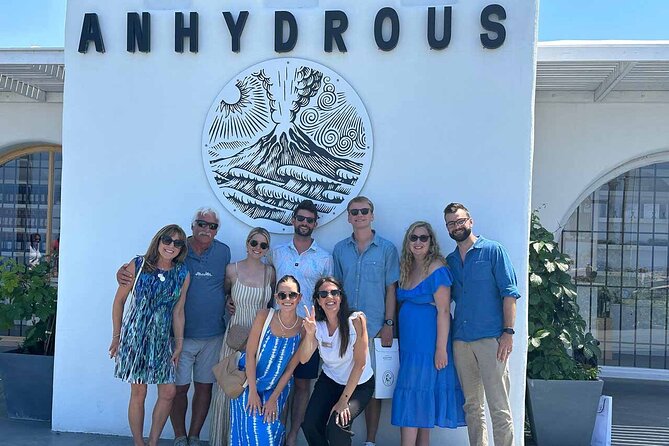
After Akrotiri, the day shifts gears from ruins to vineyards. You’ll travel between wineries with vineyard views along the way. This is a key part of the experience because Santorini wine isn’t just a drink—it’s tied to how the island grows grapes in a dry, windy environment with minimal rainfall.
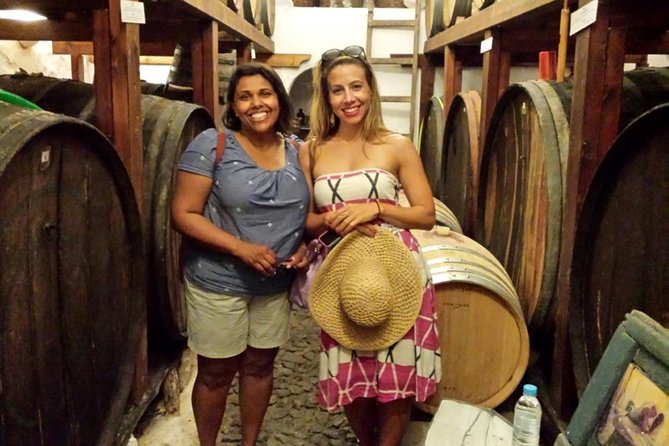
At each winery stop, you get a cellar tour plus a tasting. You’re not just sampling blindly. You learn how grapes are grown—specifically, grapes are planted in baskets close to the ground rather than trellised upward. That method helps capture moisture from the air and protects vines in a climate that doesn’t always cooperate.
You’ll also hear how Santorini’s volcanic soil affects the wine. This is where the tour earns its keep: Santorini winemaking is said to date back more than 4,000 years, and the style is famous for crispness and high acidity—often attributed to the island’s unique volcanic soil (sometimes described as aspa). Once you taste, that explanation stops being theoretical.
Gavalas Winery: your first taste of Santorini style
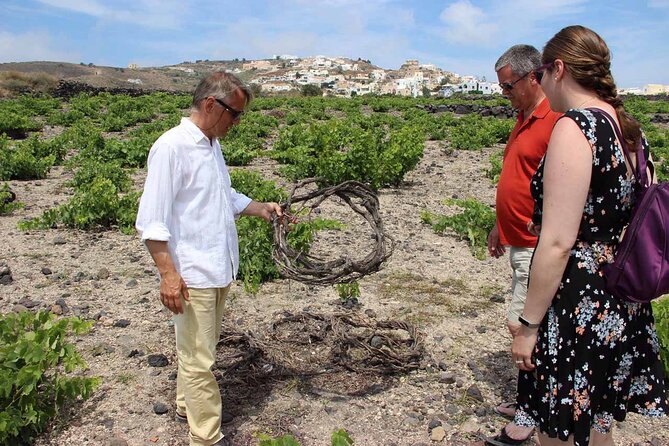
One of the listed winery stops is Gavalas Winery. The day begins tasting here, so this first stop acts like your baseline. You’ll likely be nudged to pay attention to what acidity feels like on the palate and how “minerally” crisp whites from Santorini can taste compared with wines from wetter regions.
At Gavalas, you should expect the standard rhythm: a short introduction, a walk through how things are made (including the cellar side), and then tastings paired with local food. Based on what’s been described, pairings commonly include cheese and snack platters like olives, salami, and breads—foods chosen to balance salt, fat, and texture so you can actually taste the wine rather than drown it in heavy flavors.
If you’re the type who wants to understand why one wine feels drier or more aromatic than another, this first winery is a good place to start asking questions. In the reviews, wine guides such as Ilias and Ivan are mentioned as being strong at explaining the wine through comparison, including how food changes what you perceive.
Santo Wines: tasting multiple varietals with food pairings
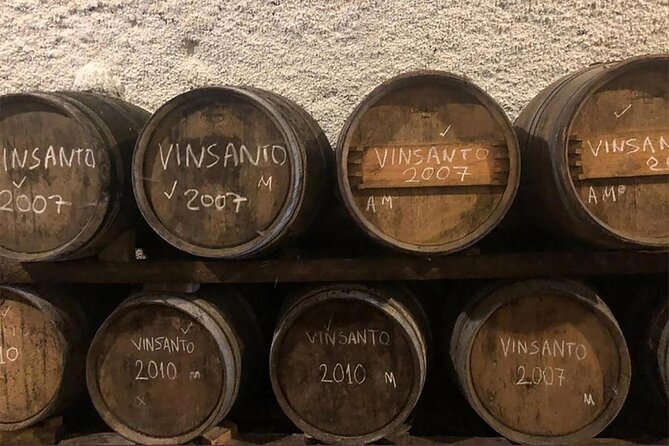
Next up is Santo Wines, where the experience leans deeper into Santorini’s signature varietals. The tour descriptions and feedback point to tastings that may include whites and sweet styles, such as assyrtiko, nykteri, and vinsanto.
Here’s what makes this valuable: Santorini isn’t one-note wine. Even if you mostly like dry whites, the sweet options help you understand the island’s range. And if you already love dessert wine, a local style like vinsanto gives you a real taste of regional tradition.
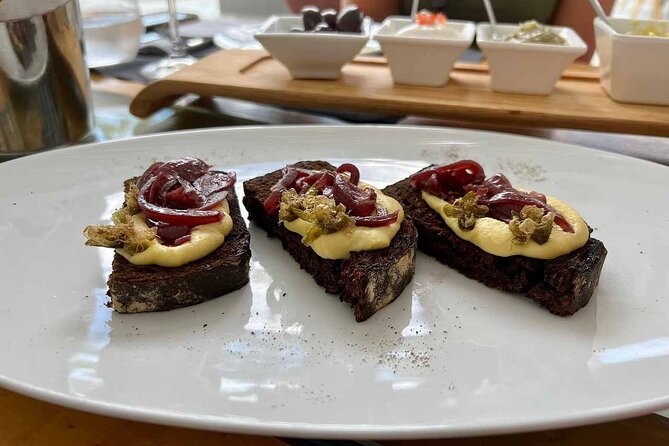
The pairing approach is a big deal. You’re typically offered a platter of local delicacies alongside the tastings. Reviews repeatedly mention cheese and meat plates at every tasting and enough appetizers to feel like a real lunch rhythm—not just a few crackers with wine.
One review also notes that guides explain how food impacts flavor perception. That’s exactly what you want if you’re trying to learn, not just drink. You’ll leave knowing what to order next time you’re in Santorini, even if you’ve never been on a wine tour before.
Estate Argyros: a strong finish for wine lovers
The final major winery stop listed is Estate Argyros. By this point, you’ve already learned how Santorini grows grapes and why the volcanic soil matters. So the Argyros stop is often where the tastings start to feel more “decoded.”
You’ll likely continue with cellar access and tasting rounds, again paired with local foods designed to match the wines. This is a good stage to slow down a little. After a couple of tastings, your palate is warmed up. That’s when you can start picking out differences—dry vs sweet, crisp vs rounder, and how the acidity holds up after a bite of cheese or salami.
In the reviews, guides who have worked this kind of route are frequently described as sommelier-level explainers, including Stephano and Angeloos (for the wine portion). Their common strength is translating wine terms into real-life taste. You don’t need to be a sommelier to benefit, because the explanation tends to connect to what you’re tasting right now.
A possible extra stop: brewery time instead of just wine

Some versions of the day include more than wine. In reviews, people mention a stop at the Santorini brewing company and a beer tasting—described as four beers in at least one account.
So here’s the practical takeaway: if you’re doing this day for both history and alcohol variety, don’t be shocked if the program adds beer tasting as a bonus. If you only want wineries, it’s still usually a light add-on rather than a replacement for the core wine route.
What wines you’ll likely try (and what to notice)

Even without naming every pour, you can expect the tastings to revolve around Santorini’s core grapes. The tour highlights point to:
- Assyrtiko: often crisp, with high acidity and a clean, mineral feel
- Nykteri: a local style that tends to show Santorini’s character in a different way
- Vinsanto: a sweet wine tradition, often a highlight for people who enjoy dessert-style pours
What to pay attention to as you taste:
- How acidity makes flavors feel sharper and cleaner
- How pairing affects perception (cheese and salty meats can change the way the wine reads)
- How different wineries can lead to different interpretations even with the same region in the spotlight
You’ll also hear why Santorini wines often feel “lively.” The dry conditions, volcanic soil, and the island’s growing technique all support grapes that keep structure and acidity. The tour’s explanations aim to help you understand that connection while you’re still in the tasting room.
Food, pacing, and the practical reality of a long morning
A tour like this is built on two strong anchors—Akrotiri and wineries. The tradeoff is time. Some people wish they had an extra 30 minutes at Akrotiri. Others call out pacing as mostly fine, but they still recommend starting the day prepared.
One clear practical note from feedback: eat a solid breakfast before you go. While the tour includes local snack plates and tastings with food at the wineries, it’s not always treated like a full sit-down lunch on the itinerary.
The good news is that the food isn’t an afterthought. Reviews mention appetizers at each tasting and cheese and tapas-type selections that act like a lunch rhythm. But if you’re sensitive to early hunger—or you’re ordering extra tastings—you’ll be happier if you’ve already eaten.
Also, bring water habits to match the schedule. Bottled water is mentioned in reviews, but don’t assume you’ll want only wine later without hydrating first.
Pickup logistics and comfort: worth it on a steep island
Santorini is famous for its views, and it also comes with slopes and narrow access roads. The tour includes pickup and drop-off, but it does so with a practical rule: if your accommodation isn’t reachable by vehicle due to steps or steep terrain, you’ll be asked to meet at a main accessible spot within walking distance.
That detail matters. It reduces the “I’m stuck uphill in the heat” problem that can happen on your own. One review praised the prompt pickup, a clean van, and a smooth schedule—exactly what you want when you’re trying to fit Akrotiri and multiple wineries into a single day.
And since you’re in an air-conditioned minivan, you’re not doing this transfer hop-by-hop with taxis.
Price and value: where the money actually goes
At $482.73 per person, this isn’t a cheap outing. The value comes from how the day bundles two very different experiences under one coordinated plan:
- Professional guided time at Akrotiri (not just wandering ruins)
- Multiple winery visits with cellar tours
- Tastings that may include several varietals like nykteri, assyrtiko, and vinsanto
- Food pairings such as cheese, salami, olives, and breads across the tastings
- Pickup and drop-off handling across the island
So when does it make sense? I think it’s best if:
- You want a guide for both history and wine, not two separate tours
- You care about learning (how drainage systems work at Akrotiri; how volcanic soils shape wine)
- You want a small-group pace so your questions aren’t rushed
- You’re okay spending for convenience rather than trying to DIY everything by rental car
If you already know you’ll only skim Akrotiri and then rush through wineries, you might feel the cost more. But if you enjoy guided interpretation and tastings with real food, this price can feel justified.
One extra “value signal” from the feedback: the tour averages 4.9 out of 5 across 64 reviews, with a high recommendation rate. That usually means the core experience hits the mark, not just the locations.
Should you book this Akrotiri and Santorini Wineries private tour?
Book it if you want a single day that blends archaeology with wine education—and you like the idea of walking out with both better context and a clearer sense of what you like.
I’d especially recommend it to:
- Wine lovers who want to taste multiple Santorini styles, not just one safe pour
- History fans who get pulled in by how people lived, not only by what collapsed
- People who don’t want to drive and park their way across the island
Skip it (or consider a different option) if you’re trying to maximize time in the ruins and you’re picky about pacing. The day moves, and Akrotiri may feel like it goes by faster than you’d like.
If you’re the kind of traveler who likes your best stories to come with both an explanation and a snack, this is a very solid match.