REVIEW · RIO DE JANEIRO
African Heritage: Gastronomy and Musicality Experience
Book on Viator →Operated by Traveller XP · Bookable on Viator
Rio tells a second story here. This 5-hour private tour connects African heritage to Rio street life through art, archaeology, and music. You start near Praça Mauá and end at Largo de São Francisco da Prainha, where the sound of samba and chorinho hangs in the evening air, museum to street to rhythm.
I especially love two things: first, the Morrinho Project at Museu de Arte do Rio (MAR) reframes favelas with dignity and detail, so you see community life instead of a one-note stereotype. Second, the Pedra do Sal stop is hands-on, mixing Afro-Brazilian and Yoruba gastronomy with a percussion workshop led by an instructor and drummer from the African continent.
One consideration: the experience includes food tastings connected to African-origin religions, so it is not suitable for people with food restrictions. Also, you should expect some outdoor time as you move between sites.
In This Review
- Key highlights you should know
- The real payoff: a day built around ancestry, not stereotypes
- Stop 1 at MAR: Morrinho turns the favela into a place with faces
- Eduardo Kobra at street-level scale: ancestral themes in paint
- IPN and Valongo: the part you remember after the photos
- Pedra do Sal: where Yoruba food, faith, and percussion meet
- Afro-Brazilian and Yoruba tastings
- A percussion workshop led by an African musician
- Largo de São Francisco da Prainha: sunset music in a Portuguese square
- Price and logistics: $110 for a full narrative day
- Who this tour suits best
- Should you book African Heritage: Gastronomy and Musicality in Rio?
- FAQ
- How long is the African Heritage: Gastronomy and Musicality Experience?
- What time does it start, and where do I meet?
- Where does the tour end?
- What is included in the price, and what is not?
- Are admissions free for the museum and historical stops?
- Is there music or a hands-on activity?
- Is it private, and what happens with weather issues or cancellations?
Key highlights you should know
- Morrinho Project at MAR: a detailed model of Pereira da Silva favela and daily life
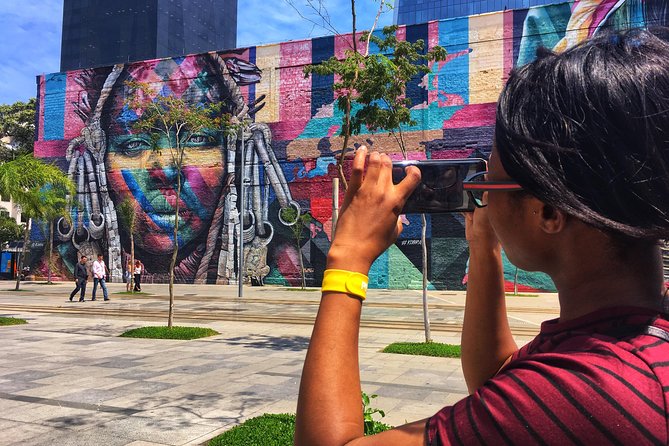
- Eduardo Kobra mural: you’ll pause for the largest graffiti mural in the world and its ancestral themes
- IPN (Instituto de Pesquisa e Memoria Pretos Novos): the bone exhibition that changes how you understand Brazil’s slave period
- Cais do Valongo and Little Africa: a short stop that carries big human-history weight
- Pedra do Sal: Afro-Brazilian and Yoruba food tastings plus a percussion workshop
- Largo de São Francisco da Prainha: sunset-to-night energy with samba, funk, jazz, and chorinho
The real payoff: a day built around ancestry, not stereotypes
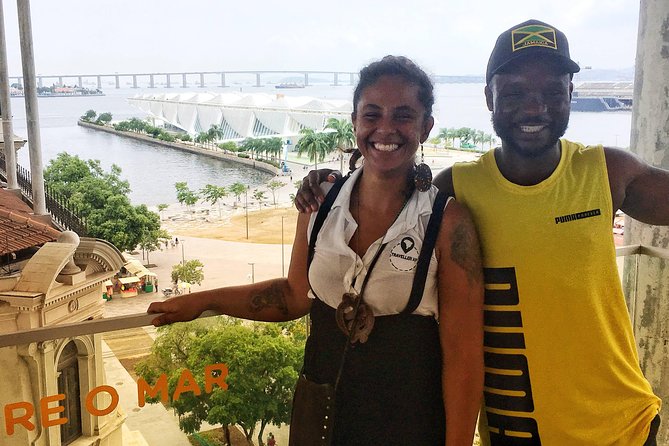
This tour is for you if Rio feels like one big postcard and you want the version with fingerprints. Instead of treating Afro-Brazilian culture as a sidebar, the route links it to the places where history was made, resisted, and then transformed into daily life.
The best part is the pacing of ideas. You move from art that challenges assumptions, to sites that document suffering and survival, to a neighborhood where culture still shows up in food and music. It is not just a list of monuments. It is a guided argument, explained clearly, that Afro-descendant communities shaped Brazil’s modern identity.
Also, you get a guide who’s not reciting facts like a script. People consistently mention how passionate the guidance feels, and how it reframes what you thought you already knew about Brazil. In the middle of serious history, you still learn how music and food connect to community.
You can also read our reviews of more tours and experiences in Rio de Janeiro.
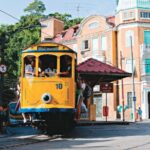
Stop 1 at MAR: Morrinho turns the favela into a place with faces
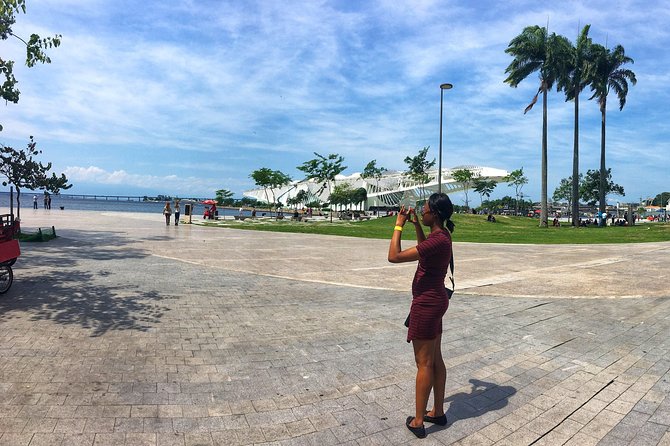
Museu de Arte do Rio (MAR) is your first anchor point, and the Morrinho Project is the reason to care. Morrinho is a permanently on-display installation that reproduces, in detail, the streets, inhabitants, and day-to-day life of the Pereira da Silva favela.
What I like about this kind of stop is how it forces you to slow down. You are not looking at a favela through a tourist lens. You are looking at it through daily structure: where people live, how streets relate to one another, how community space works. Even if you think you already understand favelas, this installation pushes back on the usual shortcuts.
Practical note: the MAR portion is about 25 minutes. That is enough time to take it in, but not enough time to daydream. If you’re the type who likes to photograph everything, you might want to save photos for the bigger moments and spend more time looking at the human details.
Eduardo Kobra at street-level scale: ancestral themes in paint
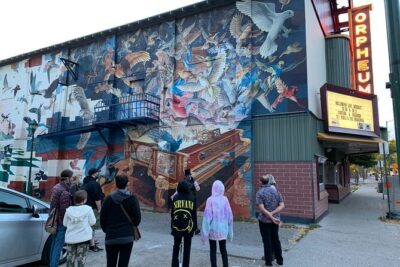
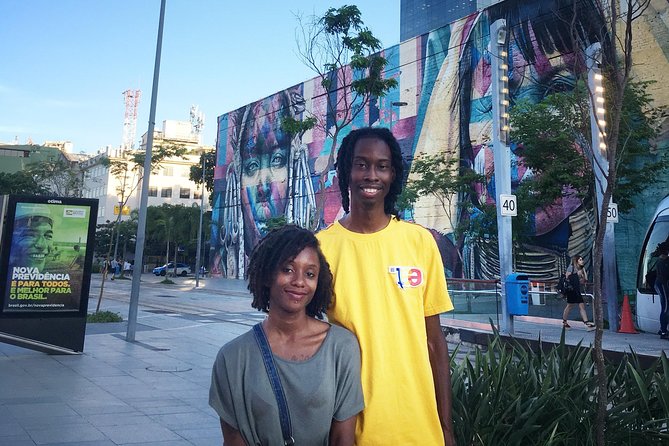
Right after MAR, you’ll contemplate Eduardo Kobra’s work, including his massive graffiti mural described as the largest of its kind in the world. The focus here is not just size. You’ll be invited to notice how the mural connects to ancestral ethnic groups and very old cultures that are tied to Brazil’s history, directly and indirectly.
This stop works because it meets you where Brazilian street art already lives—on walls, in public space, for anyone passing by. You get a different kind of education than museum labels. You also get a visual reminder that identity in Brazil is layered, not one straight line.
If you like art that has a message, you’ll appreciate how the tour frames Kobra’s mural as a way of seeing history. It is easy to walk past graffiti in big cities. This makes you pay attention.
IPN and Valongo: the part you remember after the photos
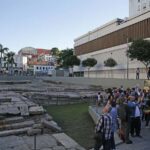
At Instituto de Pesquisa e Memoria Pretos Novos (IPN), the tone changes. The visit focuses on an archaeological site and a permanent exhibition showing the bones of Africans discovered at the place. It’s designed to hit you with the physical reality behind the slave period in Brazil—and then connect that reality to what survived.
This is the stop that many people remember long after the rest of the day. The explanation is tied to understanding, not shock value. You come away with a clearer sense of how brutal the system was, and how the aftermath shaped culture, community, and belief.
The IPN visit is about 40 minutes, with admission ticket free noted for the stop. That timing matters. You get time to take it in without feeling rushed out the door.
Then you head to Cais do Valongo, the Historical Site of the Pier of Valongo and the surrounding area known as Little Africa. This is a shorter stop (about 15 minutes), but it teaches a lot in a compact form: why Valongo matters and how Little Africa became a cultural center with traditions that connect to the history of humanity.
One thought to keep in mind: because Valongo is brief, it’s worth being mentally ready. If you treat it like a quick photo break, you’ll miss the point. If you show up ready to listen and connect names to places, you’ll leave with stronger context for everything that comes next at Pedra do Sal.
Pedra do Sal: where Yoruba food, faith, and percussion meet
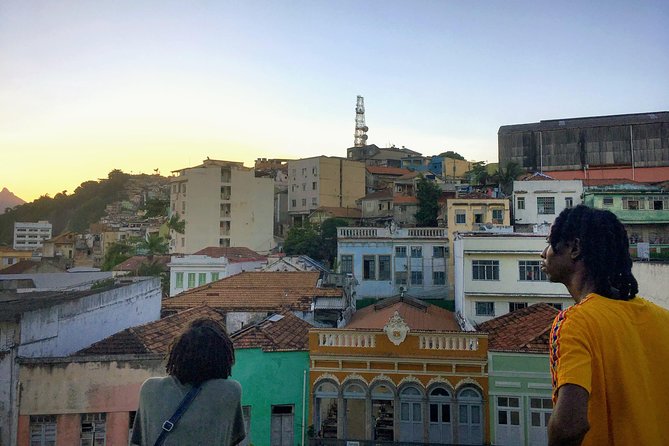
Pedra do Sal is where the tour shifts from historical evidence into living culture. You’ll meet the remaining community of Quilombo Pedra do Sal, described as a place of cultural resistance. The focus is on how Afro-descendant heritage survived—and how it is protected through community.
And then you get the part that makes this tour feel different from standard sightseeing: the gastronomy and the rhythm.
Afro-Brazilian and Yoruba tastings
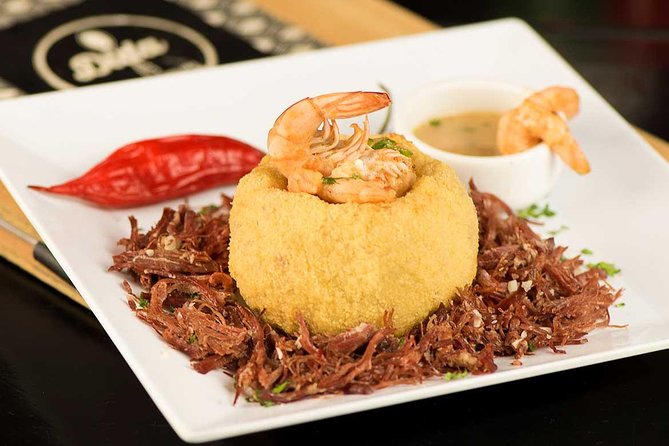
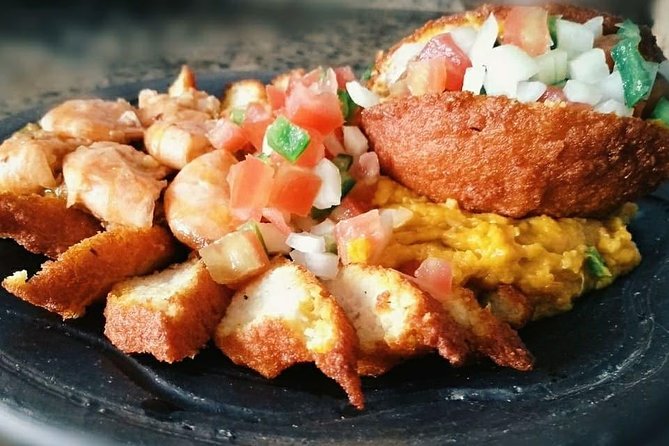
The Pedra do Sal segment includes tastings of typical dishes connected to Afro-Brazilian and Yoruba cuisine. You’ll also learn how these foods connect to daily practice of religions of African origin.
Even if you are not deeply into religious history, food works as a translator. It makes abstract ideas tangible. You taste something and then the guide explains why it exists in this place, not just in a cookbook.
This also ties back to the tour’s theme: you are not only learning about what happened to enslaved Africans. You’re learning what African-derived culture built after that, including culinary traditions that still matter.
A percussion workshop led by an African musician
Next comes the musicality piece: a percussion workshop with an instructor and drummer from the African continent. You learn through sound and participation, not just listening.
This is valuable for a practical reason. Many visitors hear samba and think it’s only entertainment. The workshop gives you a way to understand percussion as language—structure, timing, and community energy. And because you experience it right after learning about Valongo and resistance, the music feels less like background and more like a continuation.
The Pedra do Sal stop is about 3 hours, with admission ticket included. That’s a generous block for a tour day, especially compared with shorter museum segments.
Largo de São Francisco da Prainha: sunset music in a Portuguese square
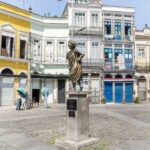
Your final move is to Largo de São Francisco da Prainha in the Saúde area. The atmosphere here is described as a blend of history, music, and everyday urban life.
The best timing is around sunset. When the sun sets behind Morro da Conceição, the square comes alive with sounds of samba, funk, jazz, and chorinho. It’s also set up for comfort: outdoor seating, cold beers, and snacks from local bars are part of the feel.
A small practical tip: drinks are not included on the tour, so if you want a beer or soda with your listening, you’ll need to buy it yourself. The tour provides the cultural entry point. You supply the liquid.
The square also sits among Portuguese architecture, which adds another layer to the walking you’ve already done across Afro-focused sites. It’s not about mixing everything into one big pot. It’s about noticing how layers of Brazilian history share the same streets.
Price and logistics: $110 for a full narrative day
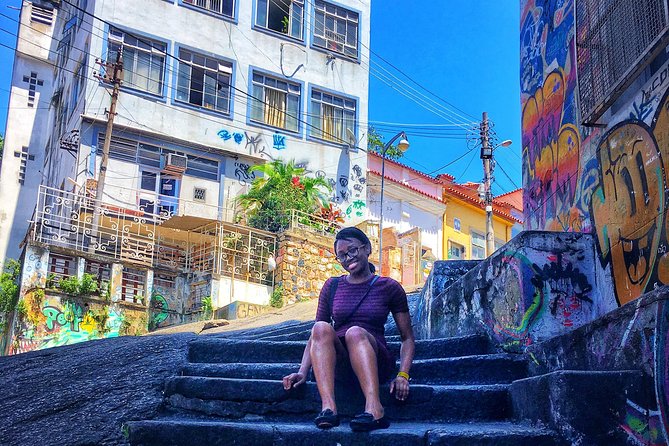
At $110 per person for about 5 hours, this is priced like a serious culture tour, not like a quick walk-through. The value is in two included parts: the Afro-Brazilian gastronomy tasting and the IPN tickets. Pedra do Sal is listed with admission ticket included, which is where your workshop time fits.
Admissions for MAR, IPN, and Cais do Valongo are noted as free in the itinerary details. That means you’re paying mostly for guidance and the hands-on parts, not for a pile of museum fees. For a private tour format, that’s where the budget makes sense.
Two practical notes for planning:
- Drinks are not included, so budget a little extra if you want a beer at the end.
- You’ll spend time outdoors at multiple stops, so plan for sun and comfortable shoes.
If you want a tour that leaves you with a stronger sense of how African heritage actually shows up in Rio today, the price will feel fair.
Who this tour suits best
This is a strong fit if you care about Afro-Brazilian culture beyond generalities. The route is built for people who want a diasporic perspective and for anyone who likes learning from specific places, not just broad talking points.
It also suits solo travelers who want a focused experience. The tour is private, so you’re not squeezed into a crowded group. People have specifically valued how personal the day feels when the group is small.
If you’re traveling with family, you’ll likely appreciate the balance: serious history is paired with music and food, so the day doesn’t become one long lecture. Just be aware that it is not suitable for people with food restrictions.
Should you book African Heritage: Gastronomy and Musicality in Rio?
Yes, if your goal is understanding Rio’s Afro-Brazilian backbone through art, archaeology, food, and percussion—and you’re okay with spending the day learning history that can be heavy. The day has enough variety that it stays engaging, and the food-and-drumming segment helps the lessons land in a way you can feel.
Skip it if food restrictions are an issue for you, because the tasting part is central and the tour data says it is not suitable for that situation. Also, if you want a purely light, entertainment-only afternoon, this route will likely feel too grounded in real history.
If you do book it, arrive mentally ready to connect the dots: Pereira da Silva’s model at MAR, the bone exhibition at IPN, the pier at Valongo, and then the culture of Quilombo Pedra do Sal. When you link those places in your head, the tour stops being a sequence of stops and becomes a story.
FAQ
How long is the African Heritage: Gastronomy and Musicality Experience?
It runs for about 5 hours.
What time does it start, and where do I meet?
It starts at 10:00 am. The start is Museu do Amanhã, Praça Mauá, 1 – Centro, Rio de Janeiro – RJ 20081-240, Brazil.
Where does the tour end?
The tour ends at Largo de São Francisco da Prainha, Largo São Francisco da Prainha – Saúde, Rio de Janeiro – RJ 20081-270, Brazil.
What is included in the price, and what is not?
Included are the Afro-Brazilian gastronomy tasting and IPN tickets. Drinks are not included.
Are admissions free for the museum and historical stops?
The itinerary notes admission ticket free for Museu de Arte do Rio (MAR) and Cais do Valongo, and the IPN tickets are included (with the stop also listed as ticket free in the itinerary details).
Is there music or a hands-on activity?
Yes. Pedra do Sal includes a percussion workshop with an instructor and drummer from the African continent.
Is it private, and what happens with weather issues or cancellations?
It is a private tour/activity, meaning only your group participates. It requires good weather; if it’s canceled due to poor weather, you’ll be offered a different date or a full refund. Free cancellation is available up to 24 hours in advance for a full refund.