REVIEW · DHAKA
Private Tour: Sonargaon Full-day Sightseeing Tour; The Ancient Capital
Book on Viator →Operated by Travel Trips · Bookable on Viator
Sonargaon is a perfect break from Dhaka’s tempo, and this private day trip helps you get there without the headache of planning every transfer. I especially liked the mix of medieval ruins and hands-on local culture, guided by art historian Al-Amin Farazi, who clearly connects the sites into one story. The boat and traditional rickshaw ride also add a slower, more human pace. One thing to consider: the day runs long (about 8 to 10 hours), and parts of Sonargaon can feel quiet, so if you’re chasing crowds and constant action, this won’t match that vibe.
You start early with hotel pickup and drop-off, then head out with private transfers plus included local transport for key segments. You’re not just hopping from one photo spot to another; you also get a walk through the old-town lanes and time to absorb what’s left of Sonargaon’s trading-and-administration past.
At $102.57 per person, the price looks like a splurge until you add up what’s covered: historian guidance, lunch, attraction entry fees, and the boat + pulling rickshaw. Drinks and personal expenses are extra, and tipping isn’t included—so I’d budget a little for that.
In This Review
- Key things that make this Sonargaon tour worth your time
- Why Sonargaon Feels Like a Reset From Dhaka
- Hotel Pickup, Private Transfers, and a Smooth 8–10 Hour Rhythm
- Folk Art and Craft Museum: Start With the Region’s Story
- Goaldi Mosque: The Single Dome and the Medieval Survival
- Panam Nagar Ruins: Medieval Layouts That Make Great Photos
- River Meghna Boat Ride and Pulling Rickshaw: Slow Travel Wins
- Lunch and Local Snacks: Fuel Without Turning It Into a Food Hunt
- Price and Value: What $102.57 Covers (and Why It Adds Up)
- Who This Tour Suits Best (And Who Might Find It Too Quiet)
- Quick Tips to Make the Day Feel Effortless
- Should You Book This Sonargaon Full-Day Tour?
- FAQ
- How long is the Sonargaon full-day sightseeing tour?
- What time does the tour start?
- What major stops are included during the day?
- Is lunch included?
- Are entry fees included?
- Do I need tickets on my phone?
- Is cancellation free, and what if weather is bad?
Key things that make this Sonargaon tour worth your time
- Professional historian guidance: you get interpretation, not just a route
- Boat on the River Meghna + traditional pulling rickshaw: local transport is part of the experience
- Entry fees are handled for you: museum/ruins admission is included
- Built-in lunch break: a local meal keeps the day from turning into constant snacking
- Old-town walking lanes: you get street-level context, not only major monuments
Why Sonargaon Feels Like a Reset From Dhaka
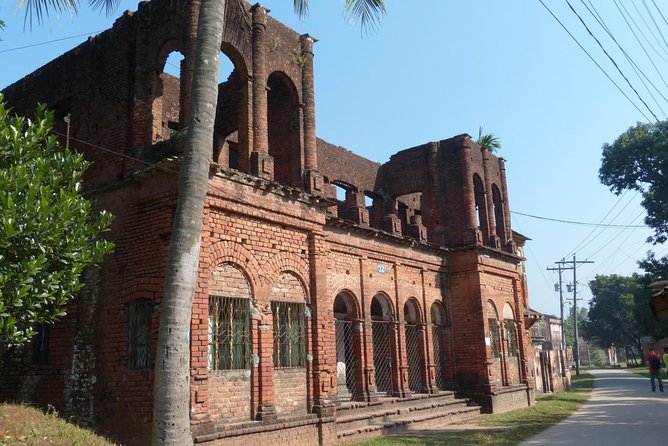
Sonargaon sits in central Bangladesh and is often described as one of Bengal’s ancient capitals. What I like about this day trip is that it doesn’t treat Sonargaon as one stop. Instead, it frames it as an administrative center that also functioned as a port and trading hub. That matters, because it changes how you look at the ruins and monuments—you start thinking about movement of people, goods, and ideas, not just architecture.
Dhaka can feel nonstop, even on a good day. Getting out for a full day makes the contrast real. You trade city noise for calmer surroundings, then come back with a head full of history and a more local rhythm. If you’re the kind of traveler who likes culture with context, this is the right structure.
You can also read our reviews of more tours and experiences in Dhaka.



Hotel Pickup, Private Transfers, and a Smooth 8–10 Hour Rhythm
The tour starts at 8:00 am, and it’s designed for a full day—about 8 to 10 hours. That length is normal for a Dhaka day trip to another town, but the payoff is that you don’t waste time negotiating transport or guessing schedules.
You’ll get hotel pickup and drop-off, and the transport mix is practical: private transfers plus communal vehicle use when needed. This is a smart design for two reasons. First, you keep control of your day with private logistics. Second, you still experience local movement during the ride segments that matter, including the boat and rickshaw parts.
Because it’s private, only your group participates. That usually means fewer awkward pauses and more room for the guide to tailor explanations to your pace. I’d still plan for a long day: comfy clothes and shoes you can walk in will make everything easier, especially during the old-town lane section.
Folk Art and Craft Museum: Start With the Region’s Story
You begin at the Sonargaon Folk Art and Craft Museum for about two hours, with admission included. I like museum starts like this because you’re not wandering monuments first and hoping the meaning clicks later. Here, you get a foundation for what Sonargaon represented—historic city, administrative center, and trading point—so later stops land better.
A strong guide makes this kind of museum time useful, and this tour’s historian-led approach is one of its biggest strengths. Al-Amin Farazi’s style, based on the experience I’m seeing repeated in feedback, is to explain thoroughly and connect objects and architecture to the bigger story. That’s exactly what you want when you’re learning a place you can’t easily research on your own in advance.
If you care about craft traditions and regional identity, this stop is also a good place to slow down. Museums can feel like a checklist, but with a guide you get interpretation—why certain forms matter, how everyday life ties into design, and how history shows up in material culture.
Practical note: wear something light but coverable. Museums and walking are different comfort needs, and the day is long.
Goaldi Mosque: The Single Dome and the Medieval Survival
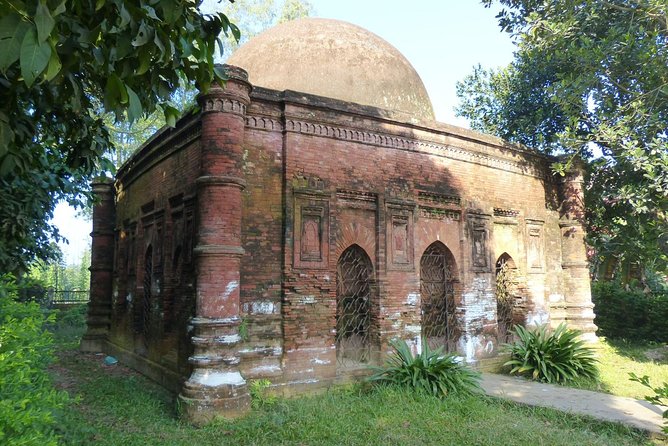
Next comes the Goaldi Mosque, around one hour. The ticket is described as free, and it’s one of the few surviving medieval monuments in Sonargaon. The standout detail is that it’s a single-domed mosque—simple in form but powerful as a survival story. When you travel in South Asia, you learn to value what remains, because whole eras often don’t leave much behind. This is one of those cases.
What makes a stop like this worthwhile on a guided tour is interpretation. The mosque isn’t just something to look at and move past. You’ll get context for why it’s still here, what it represents, and how medieval monuments reflect the historical importance of the area.
If you’re someone who likes architectural details, go slowly at this stop. Look at proportions and the dome shape, and give yourself a moment to compare it in your mind with what you saw earlier in the museum. That mental link is where the day becomes more than a series of photos.
Panam Nagar Ruins: Medieval Layouts That Make Great Photos
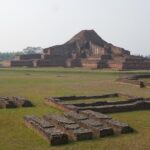
Panam Nagar is where the day gets more dramatic. You’ll spend about two hours here, with admission included. The site is known for ancient traditional structural and architectural views from the medieval era, and it’s especially appealing if you like photography or just want to see how a place was built and planned long ago.
This is also the stop that tends to feel most “alive” visually, even if you’re not in a crowd. The remains give you texture: you can trace lines, imagine past functions, and get a feel for the scale of what used to exist. One useful insight from feedback: Panam was seen as a highlight even in a day that felt quieter overall. That tells me it’s a strong stop on its own.
There’s also a payoff if you’re coming with a little patience. Ruins reward attention. Don’t just walk through. Stop, scan, and let the layout register. A guide can help you do that without turning it into complicated academic talk—just clear, practical meaning.
River Meghna Boat Ride and Pulling Rickshaw: Slow Travel Wins
After the ruins, the tour shifts gears with two classic transport experiences: a wooden rowboat ride and a traditional pull rickshaw ride. If you only cared about monuments, you could skip this part on your own. But included local transport is exactly where the day becomes memorable in a more personal way.
The boat ride on the River Meghna gives you a breather. It’s not just scenic; it’s a reset for your brain after walking and looking at stone and structure. And the rickshaw ride adds that human-scale movement. You feel the pace of the area, not just the speed of a vehicle.
From the experiences shared, the boat ride is frequently singled out as a highlight. That matches how these segments usually work: they’re short enough to stay fun and long enough to feel like an actual experience, not a token stop.
If you’re traveling with older family members or anyone who dislikes lots of standing, this is one reason I’d still choose the tour. The transport segments provide natural rhythm changes.
Lunch and Local Snacks: Fuel Without Turning It Into a Food Hunt
Lunch is included, described as a traditional local cuisine meal. This matters more than it sounds. Dhaka-to-outside-town day trips often end up turning food into extra stress: you either find a place with limited options or end up paying for convenience meals that don’t match your budget or preferences.
With lunch provided, you can focus on the sights. You’ll also likely appreciate the small local snack moments your guide may suggest. In at least one experience, the guide introduced local snacks, which is a nice extra because it gives you flavors that aren’t just routine roadside stuff.
Drinks aren’t included—soft or hard. So plan on water, especially in warm conditions. Also, tips for guide and drivers are not included, so keep a small amount ready if you want to reward good service.
Price and Value: What $102.57 Covers (and Why It Adds Up)
Let’s talk value in real terms. At $102.57 per person, this isn’t a budget hop-on tour. But it also isn’t priced like a bare-bones taxi day.
You’re paying for:
- Hotel pickup and drop-off
- A professional art historian guide
- Lunch (local cuisine)
- Boat ride and traditional pulling rickshaw
- Entry fees to attractions (museum/ruins are included; mosque is noted as free)
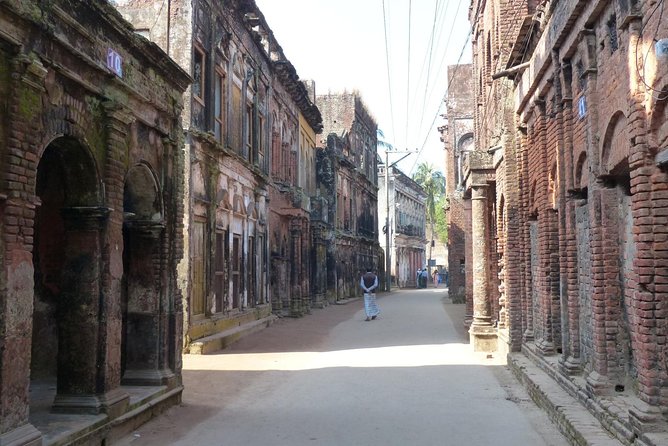
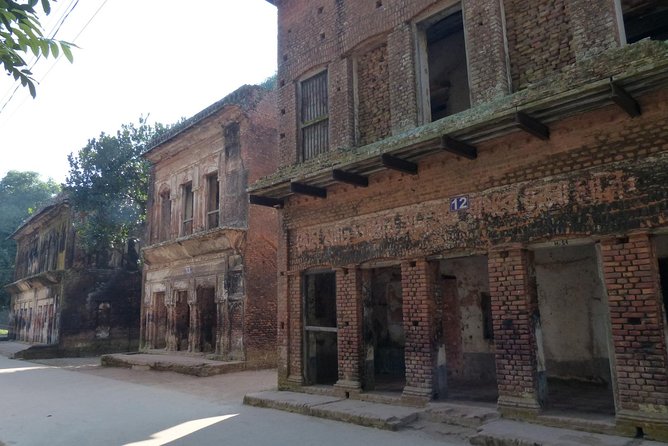
- A walking tour through small narrow streets around the old town
When you price those items individually, the cost starts to make sense—especially the guide and the transport segments that can be hard to arrange smoothly. The “easy escape” angle is real, too. Not having to coordinate transport between the museum, mosque, ruins, and the water segment saves time and energy.
The only real financial “gotcha” is simple: drinks and personal expenses are extra, and tipping isn’t included. If you budget for that, the overall deal feels fair.
Who This Tour Suits Best (And Who Might Find It Too Quiet)
This tour is a great fit if you:
- Want a history-and-culture day with real explanation
- Prefer guided context over wandering alone
- Appreciate local transport experiences like the boat and rickshaw
- Like moderate pacing with breaks, not a sprint
It might be less ideal if you’re chasing constant bustle. One part of the experience that stood out in feedback: the day felt very quiet, and Panam was noted as awesome even though there weren’t many other tourists around. That’s not a flaw in the sites—it’s just how the region can feel outside peak tourist patterns.
If you want social energy, this probably won’t deliver that. But if you want calm, thoughtful sightseeing with a guide who knows how to explain, you’ll likely enjoy it more than you expected.
Quick Tips to Make the Day Feel Effortless
A few practical choices will help you get the most out of an 8–10 hour day:
- Bring water and small cash for drinks you want beyond lunch.
- Wear shoes you trust for walking in narrow old-town lanes.
- Use sun protection. You’ll be outside during several segments.
- If photography matters, plan to linger at Panam Nagar and let the guide point out the best angles.
The tour is designed to reduce logistics stress, so your job is mostly comfort and attention.
Should You Book This Sonargaon Full-Day Tour?
I’d book it if your goal is a well-guided, story-driven day outside Dhaka that includes real local experiences, not just monuments. The strongest reasons are the art historian guidance, the included boat and pulling rickshaw ride, and the way the stops fit together from museum to medieval mosque to Panam Nagar.
If you hate long days, don’t handle walking well, or need a crowd-like atmosphere, look elsewhere or shorten your expectations. But for most culture-minded travelers, this is one of the easier ways to get a meaningful day trip without juggling transport yourself.
FAQ
How long is the Sonargaon full-day sightseeing tour?
It runs about 8 to 10 hours.
What time does the tour start?
The start time is 8:00 am.
What major stops are included during the day?
You visit the Sonargaon Folk Art and Craft Museum, the Goaldi Mosque, and Panam Nagar, plus you enjoy a boat ride on the River Meghna and a traditional pull rickshaw ride.
Is lunch included?
Yes. A traditional local cuisine lunch is included.
Are entry fees included?
Yes. Entry fees to attractions are included for your convenience, with the museum and Panam Nagar having admission included and the Goaldi Mosque noted as free.
Do I need tickets on my phone?
A mobile ticket is included for the tour.
Is cancellation free, and what if weather is bad?
Cancellation is free up to 24 hours in advance for a full refund. The experience requires good weather, and if it’s canceled due to poor weather, you’ll be offered a different date or a full refund.