REVIEW · DHAKA
Private Tour: 9 Days – World Heritage Tour of Bangladesh
Book on Viator →Operated by Travel Trips · Bookable on Viator
A week of monuments and waterways in Bangladesh feels like a real education. This 9-day World Heritage tour strings together Dhaka’s political and religious landmarks with UNESCO sites like the Sundarbans mangroves and Sompur Mahavihara, plus old Bengal capitals such as Sonargaon and Mahasthangarh. You’ll travel with a guide and historian, and you’ll get the practical benefit of pickup, transfers, and included tickets on many stops.
I especially like the way this itinerary mixes “big-ticket” sites with places that explain daily life—Shakhari Bazaar in Old Dhaka, the river port at Sadarghat, and craft-focused stops in Sonargaon. I also like that the tour doesn’t just drop you at gates; it connects the dots between empires, religions, and centuries, from Louis Kahn’s National Parliament design story to the medieval Muslim and Hindu heritage around Rajshahi and Puthia.
One consideration: the trip includes a 2 nights/3 days Sundarbans forest experience that’s shared, non air-conditioned, and runs on a specific Friday-to-Sunday schedule—plus it’s not available April through August. If your travel dates fall in those months, you’ll need an alternative plan arranged by your guide.
In This Review
- Key things to know before you go
- Dhaka as your launchpad: politics, religion, and architecture in one day
- Sonargaon and Old Dhaka: medieval Bengal down to market life
- Bagerhat’s Sixty Dom Mosque and the route into the mangroves
- Sundarbans: tiger country, shared boat cabins, and real wildlife rhythm
- Puthia Temple Complex and Rajshahi: temples, markets, and Padma river mornings
- Mahasthangarh on the way back to Dhaka: ancient Bengal’s oldest city vibe
- Price and value: $1,450 per person for what you’re actually getting
- Who this tour suits best (and who should think twice)
- Should you book it?
- FAQ
- How long is the Bangladesh World Heritage tour?
- Where does the tour start, and what time does it begin?
- Is airport pickup and transfer included?
- What kinds of accommodation are included?
- Are meals included?
- Which UNESCO World Heritage sites are included?
- When is the Sundarbans forest trip available?
- Is the Sundarbans experience private?
- What is not included in the price?
Key things to know before you go
- UNESCO-heavy routing: You’ll hit Sundarbans, Sompur Mahavihara, and the Sixty Dom Mosque (Bagerhat) on the same loop.
- Dhaka’s layered heritage: Day 1 stacks politics and identity with stops like Shahid Minar and national temples such as Dhakeshwari Temple.
- Old capital contrast: Sonargaon gives you the medieval Bengal setting, then you transition toward the Mughal-era center that became Dhaka.
- Sundarbans is real logistics: The forest portion is shared group travel on a motorboat with shared facilities, not a quiet private lodge.
- Temple and monastery variety: Puthia’s “Temple Village” and Sompur’s Buddhist monastery let you see major South Asian faith footprints.
- Some places have fixed closures: The National Museum is closed Thursday, and Lalbag Fort is closed Sunday, so the exact weekday matters.
Dhaka as your launchpad: politics, religion, and architecture in one day
Dhaka can feel loud and fast, but this tour uses a smart approach: you start with landmarks that explain Bangladesh’s modern identity, then you move into the city’s religious and historic spine. With a start time of 8:00 am and hotel pick-up and drop-off included, you’re not wasting daylight guessing where to go.
On the first run, you begin at the Bangladesh National Parliament House, designed by the American architect Louis I. Kahn. Even from the exterior, the building comes with a story that’s hard to ignore: it began in 1964 under the Pakistan era, was interrupted by the independence war, and was completed in 1982. If you’re the kind of traveler who likes context, this stop gives you a frame for everything else.
Then comes the Bangladesh National Museum. It’s a four-storied building with separate departments covering natural history, history/classical art, ethnography/decorative arts, and contemporary/world civilization. The practical note here is that it’s closed on Thursday—so if your dates land on Thursday, you’ll want to confirm what your guide swaps in.
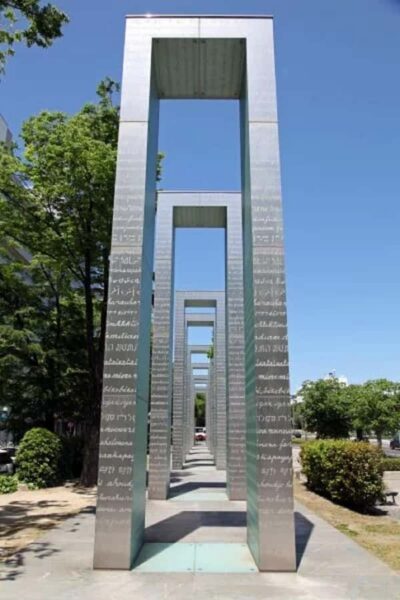
Next you hit identity-making monuments. Shahid Minar commemorates the 1952 language movement and the martyrs tied to it. The tour’s timing focus is clear: this is the kind of place where Bangladesh’s “why” is written into brick and public ritual, especially around 21 February, when people gather with flowers in a solemn atmosphere.
After that, you move through different religious architectures without trying to force a single narrative. Hussaini Dalan (17th century Mughal-era, associated with Imam Hussain’s martyrdom story in Karbala) sits near Old Dhaka and includes a pond in front of the complex. Dhakeshwari Temple is the national Hindu temple and a major worship site; it’s described as originally dating to the 12th century Sena Dynasty period, even though the current structure reflects repairs over time. This is a great reminder that heritage sites in Bangladesh often mean “layers,” not one frozen moment.
You also get two Mughal-era stops that are worth slowing down for: Lalbag Fort and the Star Mosque (Tara Masjid). Lalbag Fort was built in 1678 during Aurangzeb’s Mughal era, and it carries the feeling of an unfinished Mughal dream. Note the schedule reality: it’s closed on Sunday, which can matter depending on your departure day. The Star Mosque is a white marble structure decorated with star and floral patterns, and it’s said to date to 1711 based on the trustees.
Finally, you’ll see the Armenian Church area. It’s described as abandoned now, but the story matters: Armenians had a trading presence in Dhaka, with the community tied to the older area still known as Armanitola. Even if the building is quiet, the cultural geography of the city becomes clearer once you’ve heard that backstory.
Why this day works: you cover politics, national identity, and multiple faith traditions in one continuous sweep. You’ll also understand how Dhaka’s modern role grew on top of older cultural currents.
What to watch: this is a lot of stops in a single day. If you dislike packed schedules, treat Dhaka Day 1 like a guided walk with short pauses, not a slow roam—because the strength of the day is the sequence.
You can also read our reviews of more tours and experiences in Dhaka.



Sonargaon and Old Dhaka: medieval Bengal down to market life
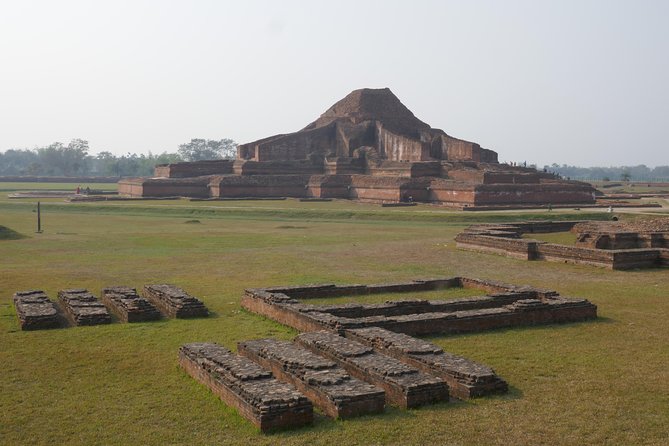
After Dhaka’s big landmarks, Day 2 shifts into older Bengal territory. You head to Sonargaon, described as the medieval old capital of Bengal—an administrative and commercial center with maritime importance. The tour points out how it served as a capital for different rulers from the 13th century onward, and how it was used as a mint capital. It was abandoned as capital in 1610, when the Mughal power center shifted toward Jahangirnagar (later Dhaka). The best way to “feel” a place like this is exactly what the itinerary offers: short stops, museums, and village atmosphere rather than just ruins.
Your Sonargaon list is practical and varied:
- Goaldi Mosque, the only medieval structure remaining from Sonargaon’s peak, built in 1519.
- Panam Nagar, an abandoned city tied to Hindu merchants—more mood than museum labels.
- Sonargaon Folk Art and Craft Museum, where you can see everyday tools, ornaments, arms, musical instruments, boats, decoration pieces, and more, mostly tied to the 17th century onward.
Then you transition toward Old Dhaka life with a stop for horse cart and street hawker market time (the itinerary describes a traditional horse cart share ride), followed by Shakhari Bazar. That market neighborhood is presented as a residential and commercial area tied to Hindu artisans and communities, lasting over 400 years. You should expect narrow streets and a crowd-energy pace—this is where you learn how heritage isn’t only monuments; it’s also how people trade, craft, and live.
You end the Dhaka arc at Ahsan Manzil, known as the Pink Palace, sitting by the Buriganga River. It’s tied to the Nawab dynasty, and it’s the kind of stop that helps you imagine the “power economy” behind the buildings and markets you just walked through.
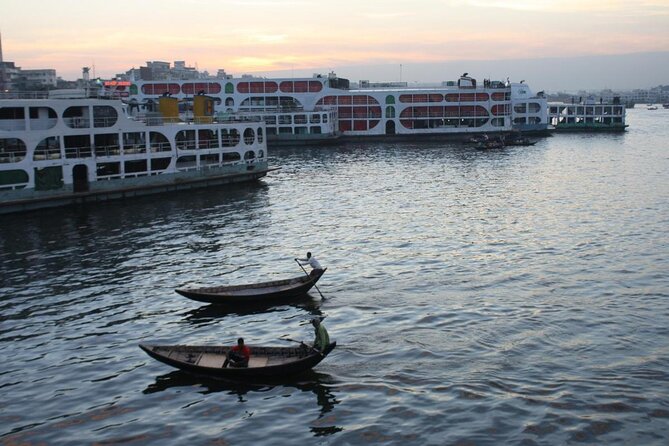
Then comes one of the most memorable logistical elements: Sadarghat. This is a central river port on the Buriganga, described as one of the busiest river terminals in the world. You get a small rowboat ride in the evening, and then you board a passenger ferry for a cruise-night setup to head toward the south-western part of the country. The itinerary notes a reserved sleeping cabin with a common washroom—so you’re trading comfort for movement, and that trade makes sense here because it gets you closer to the next UNESCO zone.
Why this day matters: Sonargaon and Old Dhaka don’t just show you beauty. They show you function—capital cities, craft systems, market geography, and river transit.
Possible drawback: it’s a long day with lots of transitions (village, market streets, palace, then overnight river travel). If you’re prone to motion sickness or prefer consistent hotel comfort, plan for that.
Bagerhat’s Sixty Dom Mosque and the route into the mangroves
On Day 3, you shift from Dhaka’s river pulse into the UNESCO history of Bagerhat. The itinerary describes travel via ferry toward the Hularhat launch terminal or districts such as Jhalakathi or Barishal, and then a bus ride into Mosque City Bagerhat.
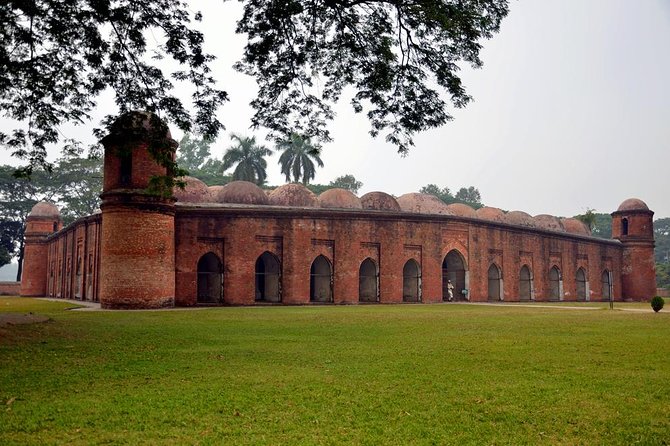
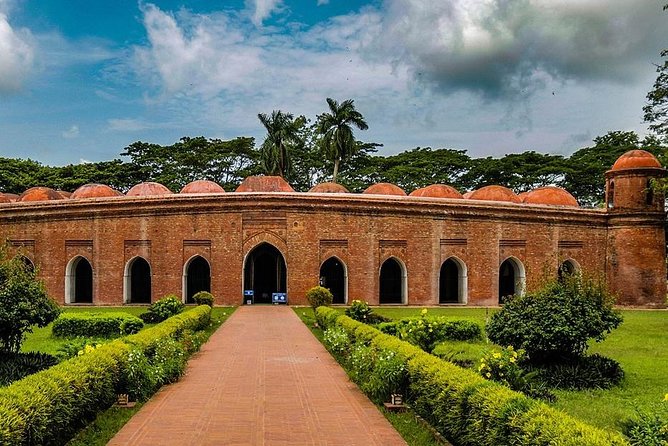
The day’s anchor is the mosque-city complex, including the Sixty Dom Mosque, a UNESCO World Heritage Site. Bagerhat is described as important in archaeology, and you’ll likely move around the area by tuk-tuk and rickshaws, which fits the “small-city scale” of mosque neighborhoods.
This is a day where timing matters because ferry and bus connections can be subject to availability. The itinerary explicitly notes that the ferry ticket depends on availability, so if you have any strict plans outside the tour timeline, build breathing room.
Why it’s valuable: Bagerhat adds a medieval Islamic heritage layer right before you step into the Sundarbans ecosystem. It’s a smart sequence: culture first, then nature.
What to consider: the day uses mixed transportation. If you strongly prefer fixed timetables, treat this day as connection-heavy and plan to stay flexible.
Sundarbans: tiger country, shared boat cabins, and real wildlife rhythm
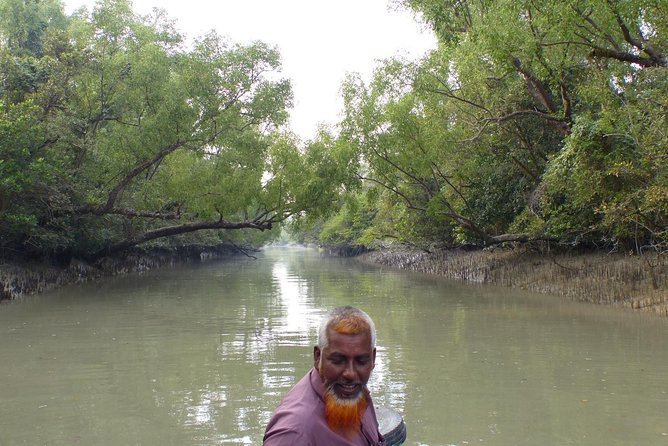
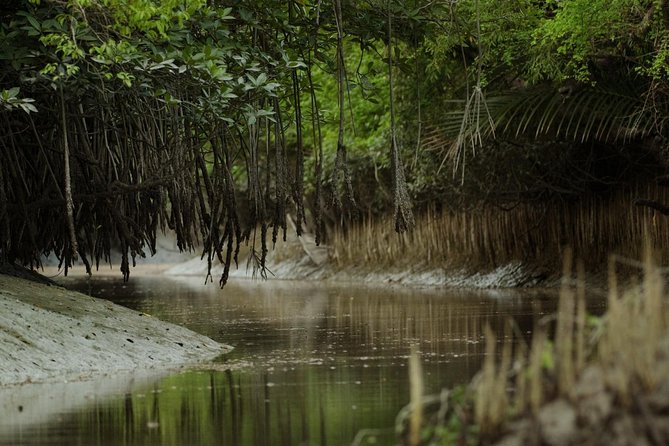
The big star of this trip is the Sundarbans—described as the largest mangrove forest on Earth and a UNESCO World Heritage Site. You get three days inside the forest area, built around early morning and evening boat time. The itinerary emphasizes sliding through narrow creeks and canals on a wooden rowboat in search of wildlife, including royal Bengal tigers and birds.
You’ll also get forest walking and an evening observation tower activity. The overall rhythm is wildlife-paced rather than schedule-paced. That’s the right way to do a place like this, because animals don’t perform on cue.
Now the logistics, because this is where expectations matter:
- The forest trip is described as a shared group tour.
- You travel on a small motorboat with sleeping cabin, and the itinerary notes non air-conditioned sleeping cabins with common washroom facilities.
- You also get a government forest gunman and a guide on board, plus full-board meals while you’re in the forest zone.
- The trip operates on a Friday through Sunday schedule.
- It’s usually closed from April through August by the forest department—so those months require alternatives.
This is also where you should mentally separate “private tour” from “shared experience.” Your overall tour may be private for your group, but the Sundarbans portion is openly described as shared. That can be totally fine—many travelers actually prefer it for safety, cost, and the fact that the boat route works better when grouped—but it’s good to know up front.
Why I think this is worth it: Bangladesh’s Sundarbans isn’t a zoo-style visit. You’re moving by boat and walking into a mangrove system that is shaped by tides and waterways. The tour gives you that structure: early/late viewing times and guided observation.
Possible drawback: the sleeping setup is basic. If you’re expecting hotel-like comfort, you’ll be disappointed. Also, if you’re traveling in April to August, the Sundarbans portion won’t run, so you’re relying on the guide’s alternative plan.
Puthia Temple Complex and Rajshahi: temples, markets, and Padma river mornings
After the Sundarbans window, the tour shifts back into heritage stops. Day 7 takes you to Rajshahi by train, arriving around noon, and then you visit the Temple Village of Puthia. The description frames Puthia as important for archaeology and full of Hindu temples. This day is a change in pace from boats and observation towers—now you’re in a temple district where you can slow down and take in architectural details.
Day 8 is a full day in Rajshahi, with a long drive element. It begins with the Padma River early in the morning. You’ll have time to walk and take photos. Then you head to Saheb Bazaar, described as a local wholesale market that starts very early and is busiest before noon. If you like street-level culture, this is a prime spot for quick visual storytelling.
From there, you visit:
- Kusumba Mosque, a medieval stone-built historic mosque (noted as one of two stone-built historic mosques in Bangladesh).
- A street-side market stop on the way to Kusumba Mosque.
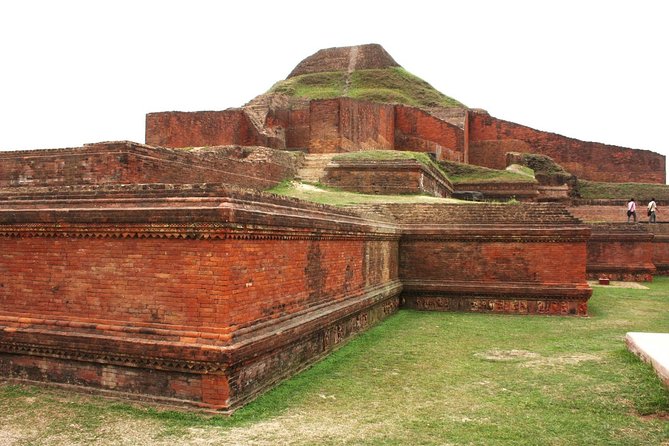
- Sompur Mahavihara, an 8th-century Buddhist monastery and a UNESCO World Heritage Site. The itinerary describes it as the largest Buddhist monastery on the southern side of the Himalaya in the ancient Varendra territory.
Why this segment works: it gives you both “people” (markets by the river) and “faith footprints” (temples and monasteries). Many heritage tours over-focus on stone. This one balances stone with the commerce around it.
What to watch: Day 8 is scheduled for multiple moving parts—river time, market time, mosque time, then a major UNESCO site. Bring patience, not just energy.
Mahasthangarh on the way back to Dhaka: ancient Bengal’s oldest city vibe
Your Day 9 starts with Mahasthangarh, described as dating to the 3rd century BC. The tour focuses on the ruined city of the ancient Pundravardhana kingdom, described as the oldest known city of Bengal in that time range. Even when you’re not a hardcore archaeologist, a site described at this scale helps you understand why Bangladesh is often discussed as a long-history crossroads rather than a single era.
From there, the itinerary drives you back toward Dhaka by highway coach, arriving late afternoon or evening. There’s also an optional stop that depends on time: Atia Mosque from 1609 CE in the Tangail district.
This last day is about ending with an anchor—going from UNESCO back to a very ancient sense of place.
Possible consideration: if you want the Atia Mosque stop, your schedule is time-dependent and includes replacing buses twice if needed. If you prefer an unhurried ending, you might treat it as optional and not stressful.
Price and value: $1,450 per person for what you’re actually getting

At $1,450 per person for a 9-day World Heritage route, you’re paying for several things that tend to cost real money in South Asia travel: guided heritage coverage across multiple districts, internal transport, multiple nights of accommodation, and the full operational setup for the Sundarbans forest experience (permissions, government forest staff on the boat, shared cabin logistics, and full-board meals).
Here’s how I’d think about value in your decision:
- You get 5 nights in choice hotels and 1+2 nights on board, which matters in Bangladesh where long-distance travel is often done by ferry/overnight boat rather than quick day hops.
- You get a package approach to tickets and entries, with many key stops including admission tickets (and many listed as free entries).
- The Sundarbans component is included as a structured 2 nights/3 days forest tour, with full-board meals and forest permissions handled.
Where the value question can get tricky is comfort expectations. The Sundarbans sleeping setup is basic by design, and the trip includes shared components. If you’re comparing this to a more comfortable, private-lodge safari-style product, you might feel the price is high. If you compare it to a “do it yourself” approach—arranging permissions, transport timing, and multi-day forest logistics—this packaged structure starts to look more reasonable.
Also, you should know the tour quality can vary in how smoothly communications and timing are handled. One earlier account in the provided info describes serious issues with responsiveness. That doesn’t automatically mean every departure is the same, but it does mean you should verify your confirmations, your pickup details, and your emergency contact plan before you leave home.
Who this tour suits best (and who should think twice)
This tour is a strong fit if you want:
- UNESCO sites plus heritage context in one organized loop
- A mix of Dhaka city heritage, medieval Bengal ruins, and a wildlife-focused Sundarbans experience
- Included guides and tickets so you can spend your mental energy on seeing, not planning
You might think twice if:
- You’re uncomfortable with shared Sundarbans boat travel and common washroom facilities
- You’re traveling in April to August, when Sundarbans is usually closed, and you don’t want alternatives
- You strongly prefer slow travel with fewer transfers and lighter daily schedules
Should you book it?
If your goal is a serious Bangladesh sampler—Dhaka + Sonargaon + Bagerhat + Sundarbans + Rajshahi (UNESCO + markets) + Mahasthangarh—this route makes a lot of sense. The itinerary is built around major geographic and historical “chapters,” and the inclusion of the Sundarbans permissions and forest-led boat program is the kind of detail that’s hard to replicate casually.
I would book only after you do two things:
- Confirm your travel dates fall on workable days for fixed closures like the National Museum (Thursday) and Lalbag Fort (Sunday).
- Make sure you have written proof of your pickup and the people you’ll contact if something changes on the ground, especially given the earlier complaint about responsiveness.
If those boxes are checked, this is the kind of trip that can make Bangladesh feel both personal and huge at the same time.
FAQ
How long is the Bangladesh World Heritage tour?
It runs for 9 days.
Where does the tour start, and what time does it begin?
It starts in Dhaka with a start time of 8:00 am. Pickup and drop-off are included.
Is airport pickup and transfer included?
Yes. The tour includes return transfers from the airport as part of pickup and drop-off.
What kinds of accommodation are included?
The trip includes 5 nights in choice hotels and 1+2 nights on board.
Are meals included?
Yes. The itinerary lists 7 breakfasts, 5 lunches, and 4 dinners, and it also includes full-board meals during the Sundarbans forest trip.
Which UNESCO World Heritage sites are included?
The tour includes Sundarbans, Sompur Mahavihara, and the Sixty Dom Mosque (Bagerhat).
When is the Sundarbans forest trip available?
The forest trip is usually closed from April through August by the forest department, and the shared group Sundarbans portion runs Friday through Sunday.
Is the Sundarbans experience private?
No. The Sundarbans portion is described as a shared group tour with accommodation on board and a government forest team on board.
What is not included in the price?
The tour does not include personal expenses, guide tips/gratuities, and hotel or restaurant tips.