REVIEW · DHAKA
Private Tour: Dhaka Heritage & Cultural Tour – Full Day
Book on Viator →Operated by Travel Trips · Bookable on Viator
Dhaka can feel loud, chaotic, and totally unforgettable. This tour gives you structure while still letting you experience real Old Dhaka street life. I love the traditional rickshaw and wooden rowboat rides, and I love how the day mixes major monuments with smaller neighborhood moments. One drawback to plan for: rain can change how much time you get on the river, since the route can be adjusted on the fly.
The pickup and A/C vehicle help you move without burning up the day in traffic. I also like the professional art & historian guide approach, because you’re not just looking at buildings—you’re getting context as you go. On my kind of schedule, you’d still want comfy shoes and a little patience for city pace.
At about 8 hours, it’s a lot packed in, and the $67.78 price starts to make sense when you add in guided commentary, entry fees, bottled water, snacks/tea, and the rides. If you want a fast, guided introduction and you’re booking as a group, it’s also the kind of tour that tends to get picked up early (it’s commonly booked about 24 days in advance).
In This Review
- Key highlights you’ll feel right away
- Why this Dhaka day tour works when you only have one day
- Starting at Shahbag Flower Market: where the morning smells like Dhaka
- University of Dhaka and Shahid Minar: the story behind the symbols
- Lalbag Fort: the stop most likely to become your favorite
- Temples and mosques in one circuit: Dhaka’s religious layers
- Shankhari Bazar Road: the neighborhood feel between big monuments
- Ahsan Manzil (Pink Palace): riverbank power and palace drama
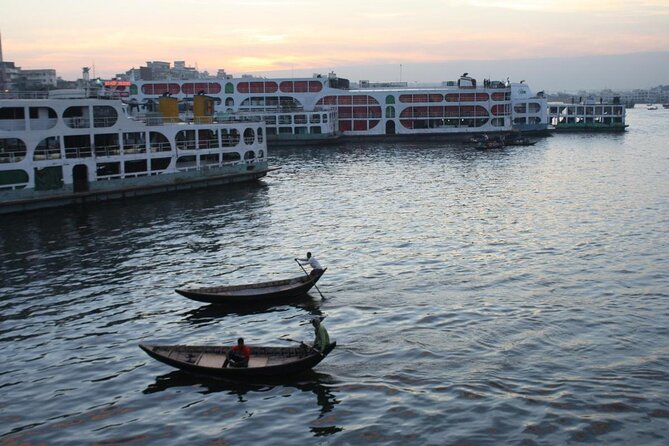
- Sadarghat Central River Port and the Buriganga rhythm
- Bara Katra, Armenian Church, and the quieter history stops
- Bangladesh National Parliament: architecture you can spot, access you might not
- Rickshaw and rowboat: the city at human speed
- Price and value: what you’re really paying for
- Rain, traffic, and closures: how your day might change
- Who should book this tour (and who might not)
- Should you book this Dhaka Heritage & Cultural Tour?
- FAQ
- Where does the tour start and when?
- How long is the Dhaka heritage tour?
- Is this tour private?
- What rides and food are included?
- Are admission tickets covered?
- Can I cancel for free?
Key highlights you’ll feel right away
Private-by-default day for your group only (hotel pickup and drop-off included)
Shahbag to the river port route that ties landmarks to daily life
Rickshaw + wooden rowboat rides to see Dhaka at human speed
Meals and basics handled with traditional lunch, bottled water, snacks, and tea
Guide-led flexibility when crowds or weather throw off timing
Old-town walking through narrow lanes you’d miss on your own
Why this Dhaka day tour works when you only have one day
Dhaka hits you fast. The streets are tight, the landmarks are layered, and the city’s identity shows up in places you might not notice if you’re rushing from photo spot to photo spot. This full-day private tour is built to help you get your bearings fast.
The big win is that you don’t just do monuments. You also move through the streets by rickshaw, and then you shift perspective on a traditional wooden rowboat on the Buriganga River area. That combination turns a history tour into a city-sensing experience.
I also like the way it stays practical: it includes lunch of traditional local cuisine, bottled water (500ml), and light snacks plus tea while you’re on the go. It’s the difference between sightseeing and actually surviving a long day in a hot, active city.
The main consideration is weather. Dhaka weather can change quickly, and one heavy-rain day can affect timing around river stops and outdoor segments. Still, the tour is designed to adapt, and the guide can often shift priorities to keep the day meaningful.
You can also read our reviews of more tours and experiences in Dhaka.

Starting at Shahbag Flower Market: where the morning smells like Dhaka
Most days begin around Shahbag Square at 8:00am, and the tour kicks off at the Shahbag Flower Market. Even if you’ve never seen wholesale flower trading up close, this is one of those places that instantly makes the city feel real. You’re seeing how goods move before you move into the grand buildings.
You’ll get about 20 minutes here, plus admission is included. It’s not a long stop, but it’s the right kind of short. You get color, motion, and a sense of what’s happening locally before the tour turns toward history and national identity.
Then you’re set up for the next lesson: how Dhaka built its modern identity through education and language.
University of Dhaka and Shahid Minar: the story behind the symbols
From the flower market, the itinerary moves to two places that explain why Dhaka is more than architecture.
First up is the University of Dhaka area. It’s known as one of the city’s major education landmarks, and the tour frames its history from the British Raj period into the role it played in shaping early reputation. This is where your guide helps you understand why modern Dhaka culture isn’t only religious or political—it’s also academic and civic.
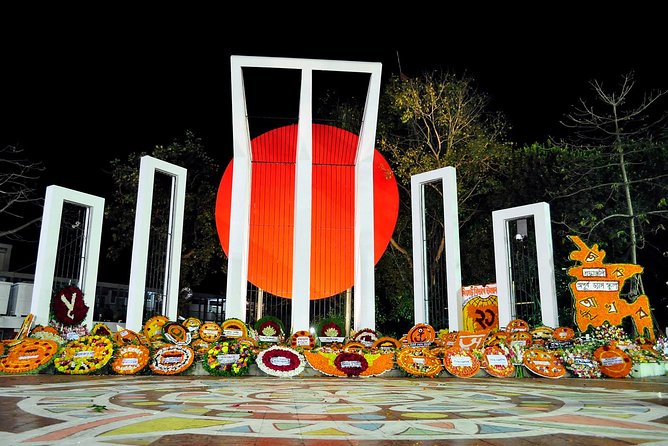
Next is Shahid Minar, built to commemorate the martyrs of the language movement of 1952. The monument is a symbol of Bengali nationalism, and it’s one of those stops where the emotional weight lands even if you’re not fluent in the full background. Admission is free here, and you’ll have around 20 minutes.
If you like history that connects directly to identity—rather than just dates and rulers—this section is a strong payoff.
Lalbag Fort: the stop most likely to become your favorite
No Dhaka day feels complete without Lalbag Fort. The fort dates to the late 1600s, associated with Mughal-era rule, and it carries that “you can feel the centuries” mood. In practice, this is the kind of landmark where guided context makes a big difference: you’re not just walking inside walls, you’re learning why it was built and what it represents.
You’ll spend about 45 minutes, and admission is included. In the real-world experience of this tour, Lalbag Fort is often the star attraction. It’s also a good break from constant street motion—fort grounds give you space to slow down, look around, and reset your sense of direction.
Practical tip: if you’re photographing, plan for a mix of wide views and close details. Fort stops work best when you take a few steps back for the overall shape, then zoom in for inscriptions and textures.
Temples and mosques in one circuit: Dhaka’s religious layers
After the fort, the tour shifts to sacred architecture from different traditions, all within a city-scale journey.
You’ll visit Dhakeshwari Temple, described as Bangladesh’s national Hindu temple. The site is state-owned, and the meaning of Dhakeshwari ties directly to being connected to Dhaka itself. You’ll have about 25 minutes, with admission included.
Then there’s Star Mosque (Tara Masjid), a striking Mughal-era mosque known for white marble and patterned design. This is a shorter stop (about 20 minutes) and admission is free. Even if you’re not a mosque-goer, it’s the kind of building where your eyes want to keep moving—carved details reward slow walking.
These stops matter because they show how Dhaka’s identity isn’t locked into one narrative. It’s a layered city, and this tour makes you experience that layering in a single day.
Shankhari Bazar Road: the neighborhood feel between big monuments
Between major landmarks, you get a more everyday slice of Dhaka at Shankhari Bazar Road. This area is closely linked with Hindu and artisan communities, and the tour frames it as a center that has been around for centuries.
You’ll have about 40 minutes here, with admission free. This is where the walking tour through narrow lanes really earns its keep. It’s also where you’ll see how residential life and commerce sit side-by-side.
If you’re worried that a “heritage tour” will turn into only temples and forts, this neighborhood stop helps balance the day. You start to recognize patterns: where people gather, how markets operate, and how crowded streets still function.
Ahsan Manzil (Pink Palace): riverbank power and palace drama
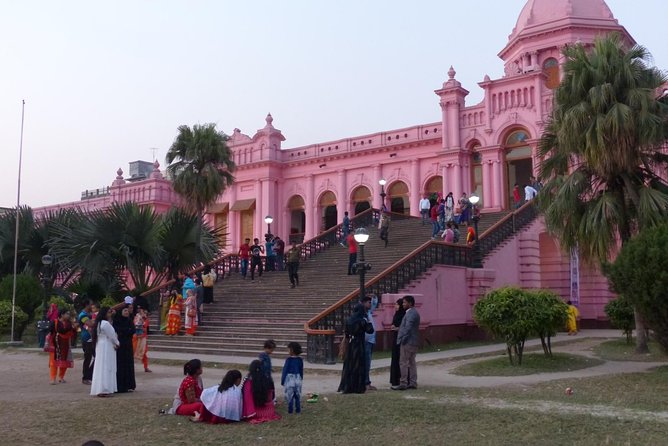
Next is Ahsan Manzil, often called the Pink Palace, located by the Buriganga River. This stop gives you a classic Dhaka contrast: grand structure next to a working river world.
You’ll spend about 45 minutes, with admission included. The name Pink Palace is widely used, but the real value here is in how the building sits in the river landscape—your guide helps you connect the palace to the city’s historic river economy and governance.
This is also a point where timing can matter. If rain hits, you may find your schedule shifts. In one case, a heavy shower changed the river plan and made staying inside a safer option for the moment. The key takeaway for your planning: be ready for adjustments around this stop, and trust the guide to keep the day moving.
Sadarghat Central River Port and the Buriganga rhythm
A big part of what makes this tour different is the river side of Dhaka.
The itinerary includes Sadarghat (Central River Port) for about 1 hour, with admission included. Sadarghat is known as one of Dhaka’s most dynamic river terminals, and this is where you see how the city’s life travels on water.
You’ll also get the traditional wooden rowboat ride. This part is the best antidote to seeing Dhaka only from roads and sidewalks. From the water, the city feels different. Streets become lines, movement becomes flow, and you understand why river life shaped the city’s layout.
One caution from real-life experience: during heavy rain, outdoor river segments may be reduced or re-timed. The tour doesn’t ignore weather—it adjusts.
Bara Katra, Armenian Church, and the quieter history stops
Toward the later part of the day, you’ll hit a couple of historic stops that feel less rushed than the main monuments.
Bara Katra is near the Buriganga River and associated with 17th-century construction. You’ll have around 10 minutes with admission included. It’s not a long stop, but it’s a useful anchor for how Dhaka’s historic planning worked near waterways.
Then there’s the Armenian Church (Armanitola area), known as the Armenian Apostolic Church of the Holy Resurrection. Plan about 15 minutes, admission included. This is one of those places that helps you realize Dhaka’s history includes more than just the dominant regional powers. Even in brief time, it adds another thread to the city’s story.
Bangladesh National Parliament: architecture you can spot, access you might not
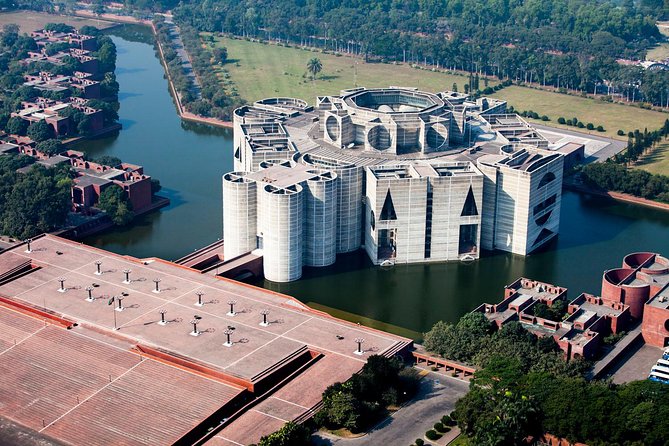
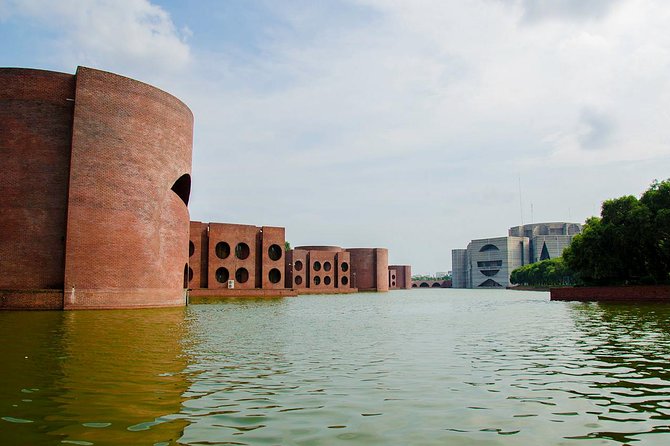
The day can also include a look at the Bangladesh National Parliament Building (Jatiya Sangsad Bhaban), designed by Louis I. Kahn. This is often timed so you can get a strong viewpoint and context even if full access isn’t possible.
In at least one experience, access to get close was limited for a foreign visitor, so you might find you get explanations from the outside rather than roaming inside. That’s normal for major civic sites with security constraints.
Even so, it’s a worthwhile “modern landmark” pause, since it shows how Dhaka’s identity continues into contemporary civic architecture.
Rickshaw and rowboat: the city at human speed
If you’re trying to decide whether this tour is worth your time, look at the rides. A lot of Dhaka sightseeing feels like standing still while the city passes by. Here, you’re in it.
The traditional pulling rickshaw ride helps you feel the street geometry up close. You’ll move through narrow lanes where cars can’t fully dominate, so the rhythm is different. In real feedback from the day, people consistently mention how exciting the rickshaw feels in Old Dhaka traffic conditions—because you’re not traveling on a wide road.
Then the wooden rowboat ride gives the counterpoint. It’s a traditional way to experience the river edges and riverport life without needing to be a sailor. It’s also the most scenic part when the light is good.
The practical message: wear shoes you can handle on uneven surfaces, and keep your phone protected if rain threatens.
Price and value: what you’re really paying for
At $67.78 per person for an 8-hour private tour, the price looks fair once you break down what’s included.
You’re getting:
- hotel pickup and drop-off
- a professional art & historian guide
- private transportation in an A/C vehicle
- the rickshaw ride, wooden rowboat ride, and walking tour around old-town lanes
- traditional lunch
- bottled water (500ml) plus light snacks and tea
- all fees and taxes
The only commonly expected extras are tips/gratuities and personal expenses. That matters because “cheap private tour” often means missing the rides or skipping entry fees. Here, the structure includes the activity parts that actually cost money.
Also, because it’s private for your group only, you can usually ask for pace changes. Some guides are known for patient, friendly energy—examples include guides named Mahim, Mahib, Nazmul, Razu, Al Amin, Farazi, Jafar, and Rahman. Your exact experience depends on your guide, but the emphasis on personable guiding shows up again and again.
Rain, traffic, and closures: how your day might change
Dhaka can throw timing challenges at any plan. In one heavy rain situation, the river schedule got disrupted and the boat session became the victim of weather and safety. The tour team tried to handle it with umbrellas and offered choices like staying sheltered at Ahsan Manzil while rain passed.
Traffic can also limit how much time you truly have at a site. Even on a day with calm weather, you’re still in a major city, so you may end with less lingering time at certain stops than you’d want.
What you can do: go in expecting flexibility. If you have a strong priority—like the boat ride—say it early with your guide so they can structure the day around it.
Who should book this tour (and who might not)
This tour is a great fit if:
- you want a one-day orientation to Dhaka
- you like history tied to real city life, not just isolated museums
- you enjoy being guided through tight neighborhoods and river areas
- you want the rides handled for you, including the rickshaw and rowboat
You might choose something else if:
- you hate long, packed itineraries and would rather slow-walk fewer sites
- your tolerance for schedule changes in rain is low (river segments are the most sensitive)
- you want full-control independent pacing without a driver/guide timeline
Should you book this Dhaka Heritage & Cultural Tour?
Yes, if you want the smartest way to see a lot of Dhaka in a single day without feeling lost. The real value here is the combination: major landmarks + neighborhood lanes + river time, all with guide context and the comfort of pickup, A/C transport, lunch, and basic snacks handled.
If your travel window includes a strong rainy season, book it anyway—but go in with a mindset of flexibility. Ask your guide early where your “must-see” items land, especially the rowboat timing. When the day goes well, it’s one of those tours that makes Dhaka feel understandable fast—and memorable for the right reasons.
FAQ
Where does the tour start and when?
The tour starts at Shahbag Square, Dhaka 1205, Bangladesh at 8:00am. The tour ends in a different location, based on the day’s routing.
How long is the Dhaka heritage tour?
It runs for about 8 hours.
Is this tour private?
Yes. It’s a private tour/activity, meaning only your group participates.
What rides and food are included?
You’ll have a traditional pulling rickshaw ride and a traditional wooden rowboat ride. A traditional local lunch is included, along with bottled water and light snacks and tea while you’re on the go.
Are admission tickets covered?
All fees and taxes are included. Some stops have admission included, and some are free, depending on the site.
Can I cancel for free?
Yes. You can cancel up to 24 hours in advance for a full refund.