REVIEW · ZANZIBAR CITY
Private Zanzibar Stone Town Historical Tour
Book on Viator →Operated by Hamad Mady · Bookable on Viator
Stone Town can feel big and confusing fast, but this private tour keeps it focused and clear. I like that you get round-trip hotel pickup and a guide who connects the dots between buildings, power, and everyday life in Zanzibar City. I also like the mix of stops: serious history sites plus a few lighter moments like Forodhani Gardens and the Freddie Mercury Museum.
The main trade-off is time. It’s only about 2 hours 30 minutes, so you’ll get smart highlights rather than lingering for hours at each place. Also, Hamamni Persian Baths isn’t included for admission in the details, so budget a little extra if you want to go in.
In This Review
- The highlights that matter
- A private 2.5-hour Stone Town loop with hotel pickup
- Old Fort (Ngome Kongwe): prison walls and a women’s amphitheater
- Slave-trade monuments area: Edward Steers and the Anglican Cathedral surroundings
- Freddie Mercury Museum: pop legend meets Zanzibar culture
- Forodhani Gardens: a shaded coastal breather
- Hamamni Persian Baths: community space and shared rituals
- Darajani Bazaar: spices, fruits, and real shopping time
- Price and value: what $30 really buys you
- Who should book this private Stone Town tour
- Quick practical tips before you go
- Should you book the Private Zanzibar Stone Town Historical Tour?
- FAQ
- How long is the Private Zanzibar Stone Town Historical Tour?
- What is the price per person?
- Is this a private tour?
- Is hotel pickup included?
- Where does the tour take place?
- What are the main stops on the tour?
- Are admission tickets included?
- What’s included in the tour price?
- Does the tour require good weather?
- What is the cancellation policy for a full refund?
The highlights that matter
- Private guide with full-history storytelling: The tour is led by Hamad Mady, and reviews praise his passion and detail that many guides skip.
- Hotel pickup and a tight route: You spend less time figuring out logistics and more time looking at the sites.
- Slave-trade related landmarks with context: You’ll see monuments and key locations tied to this dark chapter of history.
- Freddie Mercury Museum stop: A dedicated visit that turns pop-culture curiosity into a cultural story.
- Forodhani Gardens break with real coastal atmosphere: A quick pause in a shady garden along the waterfront.
- Market time at Darajani Bazaar: Spices, fruit, and handmade items with time built in for shopping and tastes.
A private 2.5-hour Stone Town loop with hotel pickup
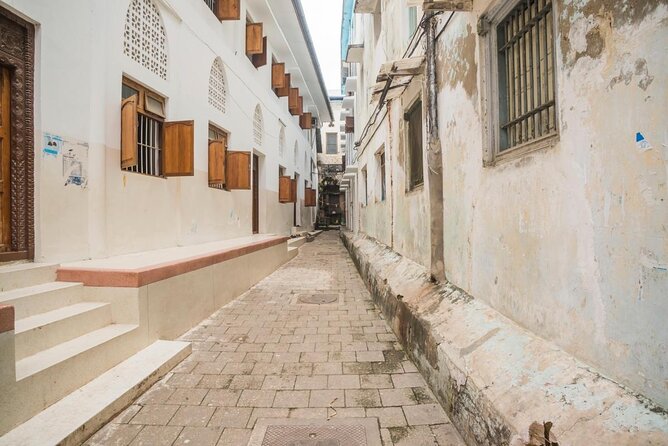
This is built for travelers who want a smart overview without spending your whole day stuck in transit. The tour lasts about 2 hours 30 minutes, and it’s private, meaning only your group goes with the guide.
The hotel pickup is a big practical win. In Stone Town, walking is common, roads can get busy, and it’s easy to lose time. With round-trip transportation offered from area hotels, you can start your tour already oriented. Plus, the meeting area is described as near public transportation, which can be helpful if you’re bouncing between spots on your own.
The other point I appreciate is pacing. The itinerary moves through major landmarks that tell one connected story, but it’s not a nonstop sprint. You also get shopping time, and there’s mineral water included, which sounds small until you’re in the midday heat.
If you’re someone who prefers to learn as you walk—asking questions, getting context, and understanding what you’re looking at—this format fits well. If you’re the type who needs slow, photo-by-photo time at every wall and doorway, you may feel the time pressure.
Old Fort (Ngome Kongwe): prison walls and a women’s amphitheater
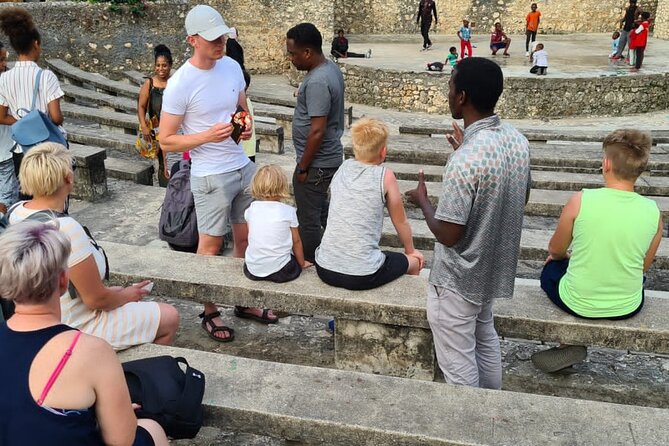
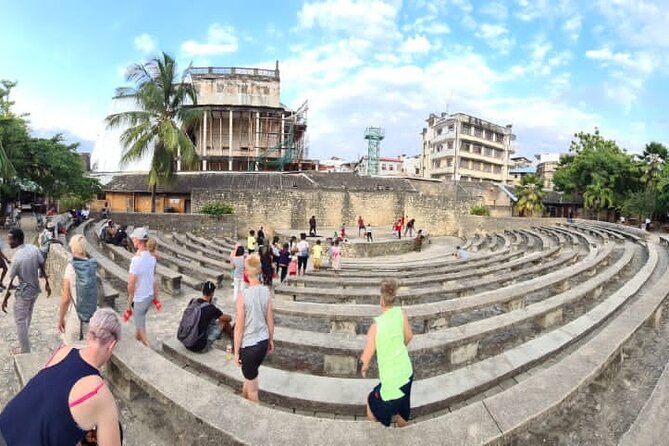
The tour starts at the Old Fort (Ngome Kongwe), where you’ll see the place used as a prison. That alone is a powerful opener, because it sets the tone for the rest of the history you’ll encounter in Stone Town.
You’ll also notice an older amphitheater used for ladies. That detail matters because it hints that the fort wasn’t only about force and confinement. It also had space for public life and events, which adds complexity to how you interpret the site.
The stop is short—about 10 minutes—but admission is included. For me, this works best when you’re willing to look quickly and ask your guide to explain what you’re seeing. If you want more than a highlight tour, you might later return on your own for a longer look.
Slave-trade monuments area: Edward Steers and the Anglican Cathedral surroundings
Next comes the Old Slave Market area and the nearby Anglican Cathedral. This is one of those stops where your guide’s framing makes the difference between seeing artifacts and actually understanding what they represent.
In the route, you’ll be taken through the area to see slave monuments and the tomb of Edward Steers. You’ll also spend about 45 minutes here, and that longer time signals that the tour expects you to take this section seriously.
Admission is included for this portion, which is convenient. More importantly, the tour is set up so you’re not just walking past plaques. You’re directed to key points, which helps you avoid the common mistake of missing the meaning of what you’re standing in front of.
Potential consideration: this part of Stone Town’s story is heavy. If you prefer lighter sightseeing on vacation, mentally prepare for the emotional weight before you go. The guide’s context should help you process it, but it’s still history tied to human suffering.
Freddie Mercury Museum: pop legend meets Zanzibar culture

After the darker history stops, the tour shifts to the Freddie Mercury Museum in Zanzibar. This visit is described as a deep look at the iconic musician’s world, with exhibits featuring memorabilia, personal artifacts, and interactive displays.
What I like about including this museum in a historical tour is that it breaks the idea that Stone Town is only about politics and trade. Zanzibar’s culture includes music, identity, and global connections. This stop gives you a different lens on how a place can influence art—and how art can reflect a place.
The itinerary doesn’t specify the time length for the museum stop, but it’s clearly treated as a dedicated component rather than a quick photo stop. One practical note: the details you shared only state admission for some stops, and it doesn’t clearly confirm whether museum entry is included. If you’re budgeting tightly, it’s smart to verify whether you’ll pay anything at the door for this particular stop.
Forodhani Gardens: a shaded coastal breather

Then you get a pause at Forodhani Gardens (Forodhani Park Garden). This is listed with free admission, and the description focuses on why it feels different from the historic sites: lush greenery, flowers, and palm trees that create shade along the coastline.
This is a good reset point. Even if the rest of your day is intense, Forodhani is the kind of place where you can slow down, look at the waterfront atmosphere, and let your guide’s story sink in.
The stop is about 30 minutes, which is long enough to catch the mood but short enough to keep the tour moving. If you’re the kind of person who likes to people-watch and take in street life, this garden stop gives you a calmer frame before the final historic-and-market combo.
Hamamni Persian Baths: community space and shared rituals
Next is Hamamni Persian Baths, with a brief stop time listed at about 5 minutes.
The emphasis here is on historical significance: these baths were once an important meeting place and a symbol of communal life in Stone Town. Your guide is expected to explain the traditional bathing rituals, the cultural practices tied to the baths, and the role they played in local society.
In other words, this isn’t just architecture sightseeing. It’s social history—how people gathered, interacted, and maintained community through everyday routines.
Important practical note: admission is not included for this stop. If you want to actually enter and spend time inside, you’ll want to plan for that extra cost. Given the short time on the schedule, you may also need to decide quickly whether you’re going in fully or keeping it as a look-and-learn stop.
Darajani Bazaar: spices, fruits, and real shopping time
The final major stop is Darajani Bazaar, described as a busy, colorful market. This part is where the tour turns from monuments to daily life.
You’ll walk through narrow streets where you can see and smell a mix of spices, fresh fruits and vegetables, and handmade items. You’ll also have time to buy special souvenirs and taste different fruits, with the market stop scheduled for about 15 minutes.
Admission is listed as free here, and the itinerary is designed so you’re not just browsing quickly. The tour includes shopping time, so this is one of your best chances to pick up small items without doing extra planning.
One consideration: markets like this move fast. If you want to take lots of photos, buy gifts, and try foods, you may want to go in with a clear sense of what you’re looking for. Your guide can help steer you toward the kinds of items people actually want to bring home.
Price and value: what $30 really buys you
At $30 per person, this tour is priced as an affordable way to get a private, guided Stone Town experience without turning it into a half-day project of your own.
Here’s why the price can make sense for many travelers:
- You’re paying for an experienced professional guide plus a private format, so you aren’t stuck listening to someone else’s schedule.
- Round-trip hotel pickup removes the hassle of sorting out where to meet and how to return.
- Some admissions are included—specifically Old Fort and the Old Slave Market/Anglican Cathedral area, plus Forodhani Gardens is free.
- You get mineral water and built-in shopping time.
The only real “cost pressure” risk is that Hamamni Persian Baths doesn’t include admission in the details. Also, if the Freddie Mercury Museum has any separate ticket fee (not clearly stated here), you’ll want to check so you don’t get surprised.
Overall, this feels like good value if you want history context plus a few culturally meaningful stops, and you appreciate the structure of a guided loop.
Who should book this private Stone Town tour
This tour is especially suited for:
- First-time visitors to Zanzibar City who want the big landmarks in a tight window.
- Travelers who prefer a guide who explains what you’re looking at, not just someone who reads off a timeline.
- People who want a balanced day: serious history plus a museum stop and a market-and-garden finish.
Based on the high ratings and the specific mention of Hamad Mady being passionate and detailed, you’ll likely enjoy it most if you like learning directly from a person who can connect the story between stops. In short: if your ideal tour feels like asking questions while walking, this one matches that style.
Quick practical tips before you go
- Wear comfortable shoes. Stone Town sightseeing often involves uneven ground and walking between sites, and markets are not the place for fragile footwear.
- Bring a small amount of cash for shopping at Darajani Bazaar and for any non-included admission you decide to cover at Hamamni Persian Baths.
- If you care about photography, tell your guide early. Quick stops mean you’ll want to prioritize what you photograph most.
- Come with at least one question. The best tours aren’t just facts on a map—they’re explanations that answer what you’re wondering.
Should you book the Private Zanzibar Stone Town Historical Tour?
I think you should book this tour if you want a private guide, hotel pickup, and a history-focused route that still gives you time for market life and a well-known museum stop. The biggest selling point is the combination of structured pacing and a guide style that’s praised for going deeper than surface-level commentary.
Skip it if you’re looking for a slow, free-roaming day with long museum hours and zero time pressure. For that style, you’d probably want to build your own schedule and spend extra time at the places that match your personal interests.
If your goal is to get oriented fast, learn the story behind what you see, and end with a taste of Zanzibar day-to-day life, this one is a strong fit.
FAQ
How long is the Private Zanzibar Stone Town Historical Tour?
It runs for about 2 hours 30 minutes.
What is the price per person?
The price is $30.00 per person.
Is this a private tour?
Yes, it’s a private tour/activity, and only your group participates.
Is hotel pickup included?
Pickup is offered, and the tour includes round-trip transportation from area hotels.
Where does the tour take place?
It takes place in Zanzibar City, Tanzania, covering Stone Town sights.
What are the main stops on the tour?
Key stops include the Old Fort (Ngome Kongwe), the Old Slave Market/Anglican Cathedral area, the Freddie Mercury Museum, Forodhani Gardens, Hamamni Persian Baths, and Darajani Bazaar.
Are admission tickets included?
Admission ticket inclusion is listed for the Old Fort and the Old Slave Market/Anglican Cathedral area, and Forodhani Gardens is free. Hamamni Persian Baths is listed as not included. Admission for the Freddie Mercury Museum is not specified in the details provided.
What’s included in the tour price?
The included items are the services of a professional tour guide, shopping time, and mineral water.
Does the tour require good weather?
Yes, it requires good weather. If it’s canceled due to poor weather, you’ll be offered a different date or a full refund.
What is the cancellation policy for a full refund?
You can cancel up to 24 hours in advance for a full refund. If you cancel less than 24 hours before the experience starts, the amount paid is not refunded.