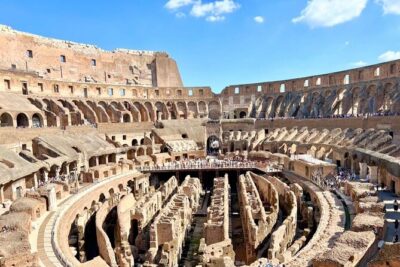
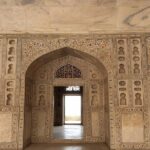
Few places in Delhi feel this story-driven. This Qutub Complex Heritage Walk turns a scatter of famous monuments into one clear route, with a guide who ties the whole area together. I also like that it covers a big span of the complex, from the 11th century to the 18th, so you get more than one snapshot.
Two things I really like: the guided storytelling that makes the site easier to understand, and the chance to see multiple highlights in just about two hours without feeling rushed. One thing to consider is that this is a walk that depends on good weather, so plan for outdoor time and check conditions on the day.
In This Review
- Key highlights you should care about
- Why this Qutub Complex walk works in two hours
- Starting at Qutab Minar: where to meet and what to expect first
- Qutab Minar to Alai Darwaaza: what each stop adds
- Qutub Minar
- Mughal Sarai
- Alai Minar
- Royal Graveyard
- Iltutmish Tomb
- Madarsa
- Alauddin khilji Tomb
- Quwwat Ul Mosque
- Alai Darwaaza
- The guide factor: why Parul’s storytelling gets mentioned again and again
- Price and logistics: $44 for nine monuments in about two hours
- Comfort, timing, and the weather reality
- Who should book this walk (and who might skip it)
- Should you book A Walk to Remember at Qutub Complex?
- FAQ
- FAQ
- How long is the walk?
- Where do I meet, and does the tour end nearby?
- Is admission included in the price?
- What does the $44 price cover?
- Do I get pickup from my hotel?
- How big is the group?
- Does the tour run in any weather?
- Can I cancel and get a full refund?
Key highlights you should care about
- Parul as the guide: named in multiple reviews as a strong storyteller with deep local context
- Small group size (max 12): easier questions, less crowd pressure
- Admission included: you’re not doing math at the ticket counter mid-trip
- Nine monuments covered: Qutub Minar plus several tombs, mosques, and gates within the complex
- 2 hours on foot: a tight, doable format if you have limited time in Mehrauli
Why this Qutub Complex walk works in two hours
Qutub Complex isn’t one monument. It’s a cluster of monuments stretched across centuries, and that can feel confusing if you’re doing it alone. This walk gives you a route that helps everything click: you start with the big anchor (Qutub Minar) and then move through other structures—tombs, a mosque, and notable gateways—so the stories feel connected rather than random.
I also appreciate the pace. Two hours is long enough to walk and absorb meaning, but short enough that you can still enjoy the rest of your Delhi day. If you like historical sites but don’t want to spend half a day stuck in monument-line mental math, this format is a strong fit.
You can also read our reviews of more tours and experiences in New Delhi.



Starting at Qutab Minar: where to meet and what to expect first
You’ll meet at Qutab Minar, Seth Sarai, Mehrauli, New Delhi 110030. The walk ends back at the same meeting point, which is handy when you’re trying to get your bearings quickly and keep transportation simple.
Because this meeting location is described as near public transportation, you’re not locked into one specific arrival method. If you’re staying elsewhere in Delhi, you can usually make your plan around common transit options rather than needing a pickup.
Also note this tour uses a mobile ticket, so have it ready on your phone.
Qutab Minar to Alai Darwaaza: what each stop adds
This route covers these monuments within the Qutub Complex area: Qutub Minar, Mughal Sarai, Alai Minar, Royal Graveyard, Iltutmish Tomb, Madarsa, Alauddin khilji Tomb, Quwwat Ul Mosque, and Alai Darwaaza. Your guide’s job is to connect the dots—what each site is, and how the complex’s long timeline helps you understand why it looks the way it does today.
Here’s how I’d think about each stop as you move through the walk:
Qutub Minar
You start here, and it works as a practical choice. When a complex has one famous centerpiece, it’s easiest to orient yourself around it. Expect the walk to open with the bigger-picture framing of the site as a centuries-spanning area, not just a single photo spot.
Mughal Sarai
After the main landmark, the Mughal Sarai brings a different angle to the complex. Instead of focusing only on towers and worship spaces, you’ll hear the story of a structure tied to movement and staying—something that helps you picture how the area functioned over time.
A small drawback here: if you’re the type who wants only the “most famous” structures, this stop may feel less instantly recognizable than Qutub Minar. That said, it’s exactly the kind of pause that makes the tour more interesting.




Alai Minar
The Alai Minar stop adds another dramatic vertical presence to the walk. It’s a great point to listen closely, because guides usually use this kind of monument to explain relationships between structures—how one part of the complex sits in dialogue with another.
If you like comparing styles and intentions across the complex, this is one of the spots where the guide’s narration matters.
Royal Graveyard
This is where the mood shifts. A Royal Graveyard stop is a reminder that monumental spaces weren’t only built for public views; they were also built to mark lives and legacies. Expect the storytelling to focus on the meaning of remembrance within the larger Qutub Complex setting.
Iltutmish Tomb
Next comes the Iltutmish Tomb, which is an important stop for anyone who likes to understand “who” a site is connected to, not just “what” it looks like. A guided approach helps here, because tombs and mausoleums can be easy to overlook when you’re just passing through.
If you’re visiting with limited time, this stop is worth slowing down for—even short listening moments can make a tomb feel less like background scenery.
Madarsa
The Madarsa stop brings in the education and learning angle, and that matters in a complex like this. Instead of only seeing religious or funerary structures, you’re getting a reminder that these sites also supported community life and instruction.
This is a good moment to ask questions if something sparked your curiosity earlier in the walk, because the guide’s explanations should tie back to the theme of Delhi’s settlement in the area.
Alauddin khilji Tomb
The Alauddin khilji Tomb continues the theme of notable figures and how monuments act like historical signposts. If you’re trying to understand the complex as a record of changing rulers and time periods, this stop helps you see that continuity and change in the same frame.
Quwwat Ul Mosque
The Quwwat Ul Mosque stop is one of the walk’s most meaningful transitions: from tomb-based storytelling to worship and architectural purpose. Even if you’re not an architecture specialist, a good guide can help you look beyond the obvious and understand what you’re seeing.
A practical consideration: if you prefer photos over sitting for explanations, you may want to manage your time here so you don’t rush the narration. The value is in the guide’s interpretation.
Alai Darwaaza
You close with Alai Darwaaza, which is a fitting ending because gateways and entrances are easy to “read.” They suggest arrival, boundary, and status—ideas that match well with the walk’s overall goal: learning how Delhi took shape around this monumental zone.
Ending on a gateway also gives you a clean last mental image. You’ll likely leave with a sense of how the complex moves as a space, not only how it looks as individual monuments.
The guide factor: why Parul’s storytelling gets mentioned again and again
One name comes up in multiple accounts: Parul. The consistent theme is that she’s not just reciting facts—she’s telling the story in a way that makes the complex feel navigable. That matters, because Qutub Complex can overwhelm you if you’re trying to interpret it alone.
What you’re really paying for with a guide like this is pattern recognition:
- You hear how one monument connects to the next
- You learn how Delhi’s settlement story fits into what you see
- You get context that turns walking into understanding
In short, Parul’s role is to make the site feel like a living timeline. That’s the kind of value that doesn’t show up in a brochure.
Price and logistics: $44 for nine monuments in about two hours
At $44 per person, you’re paying for a guided walk that lasts about two hours and covers admission included for the monuments in the route. For many people, admission + guide + a structured route is the sweet spot—especially when you’re visiting a major site and want to avoid piecemeal ticketing decisions.
A few logistics notes that actually matter:
- No pickup is included, so you should plan on meeting at Qutab Minar
- The group is kept to a maximum of 12, which usually makes the experience feel more personal
- This is a walking format, so comfortable footwear helps you enjoy it instead of counting steps
If you’re comparing value, this isn’t just “cheap vs expensive.” It’s structured time in a site that’s hard to decode without help.
Comfort, timing, and the weather reality
This experience requires good weather. That doesn’t just mean it runs or doesn’t run. It also affects how enjoyable the walk feels—sun, heat, or rain can turn a two-hour walk into a survival exercise.
If you’re visiting in a season where weather can shift fast, keep a flexible mindset. And since the tour is outdoors and ends where it starts, you’re also responsible for your own day plan once you finish.
Who should book this walk (and who might skip it)
This is a great choice if you:
- Want a guided introduction to Qutub Complex without getting lost
- Like having someone connect sites into a single story
- Have about two hours and want to use them well
- Prefer a small group experience (max 12)
You might consider skipping if you:
- Don’t enjoy walking and narration together
- Only want the single most famous monument and nothing else
- Are visiting on days when weather might be unpredictable and you can’t adjust
Should you book A Walk to Remember at Qutub Complex?
I’d book it if you want the best odds of leaving Qutub Complex feeling oriented and informed. The price makes sense because admission is included, and the route covers enough variety—minar, mosque, tombs, a graveyard, and a gateway—to give you a real sense of the site as a whole.
The biggest deciding factor is the guide experience. With Parul’s storytelling being a clear recurring highlight, this isn’t the kind of tour you take just to tick off monuments. It’s the kind of tour that helps you make sense of why those monuments belong to one another in the story of Delhi.
FAQ
FAQ
How long is the walk?
It’s about 2 hours.
Where do I meet, and does the tour end nearby?
You meet at Qutab Minar, Seth Sarai, Mehrauli, New Delhi 110030, and it ends back at the same meeting point.
Is admission included in the price?
Yes. Admission is included as part of the experience.
What does the $44 price cover?
The listing price covers all fees and taxes, and you get a guided walk of the Qutub Complex monuments included in the route.
Do I get pickup from my hotel?
No pickup is included, so plan to arrive at the meeting point yourself.
How big is the group?
The walk has a maximum of 12 travelers.
Does the tour run in any weather?
It requires good weather. If it’s canceled due to poor weather, you’ll be offered a different date or a full refund.
Can I cancel and get a full refund?
Yes. You can cancel up to 24 hours before the experience for a full refund.
If you tell me your travel dates and what else you want to see in Mehrauli that day, I can help you plan the time window around this walk.