REVIEW · ZANZIBAR CITY
Zanzibar: Stone Town Heritage & Slave Market Tour
Book on GetYourGuide →Operated by Tropianza Adventures Ltd · Bookable on GetYourGuide
Stone Town talks back at you. I love the way this walk takes you from the sea-breeze start at Forodhani Gardens to the Former Slave Market, with stories that land in your chest. I also like how the route mixes big landmarks with everyday Zanzibar life, from markets and snacks to a photo stop tied to Freddie Mercury. With licensed local guides like Haji and Saleh, the history feels personal, not like a list.
One watch-out: you need comfortable shoes, and it’s not suitable for people with mobility impairments. Stone Town streets can get hot, slippery, or damp, and the tour may shift with weather conditions, so plan for sun or rain.
In This Review
- Key highlights to look forward to
- Forodhani Gardens to House of Wonders: your orientation starter pack
- House of Wonders and Old Fort: architecture as a storybook
- St Joseph’s Cathedral, Jaws Corner, and the mix of streets you can feel
- Darajani Market and Memories of Zanzibar: shopping with a compass
- Freddie Mercury childhood home photo stop: a fun moment with local roots
- Tanzanite Museum: why that rare blue stone has a story
- Former Slave Market and Anglican Cathedral: the hardest stop, handled with care
- Price, timing, and value for $19 per person
- Who should book this Stone Town heritage walk
- Practical tips before you go
- Should you book the Zanzibar Stone Town Heritage and Slave Market Tour?
- FAQ
- Where do I meet for the tour?
- Is hotel pick-up and drop-off included?
- What’s included for the Former Slave Market visit?
- Is the Freddie Mercury Museum entrance included?
- Is bottled water provided?
- Is this tour suitable for people with mobility impairments?
Key highlights to look forward to
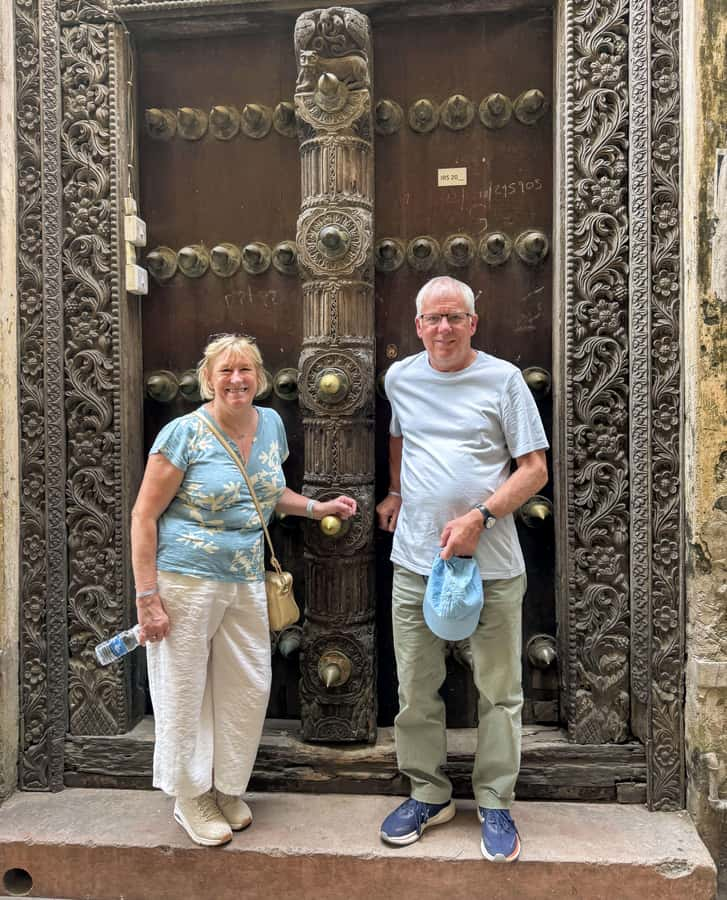
- Forodhani Gardens meet Stone Town’s vibe right from the bandstand start point.
- Slave Market + Anglican Cathedral with private-tour access for a more focused, respectful visit.
- House of Wonders and Old Fort to see how different cultures shaped the city’s architecture.
- Darajani Market and Memories of Zanzibar shopping where you can browse without feeling lost.
- Freddie Mercury childhood home photo stop for a fun pop-culture moment without turning the trip into a gimmick.
- Tanzanite Museum visit that explains the story behind the rare blue gemstone.
Forodhani Gardens to House of Wonders: your orientation starter pack
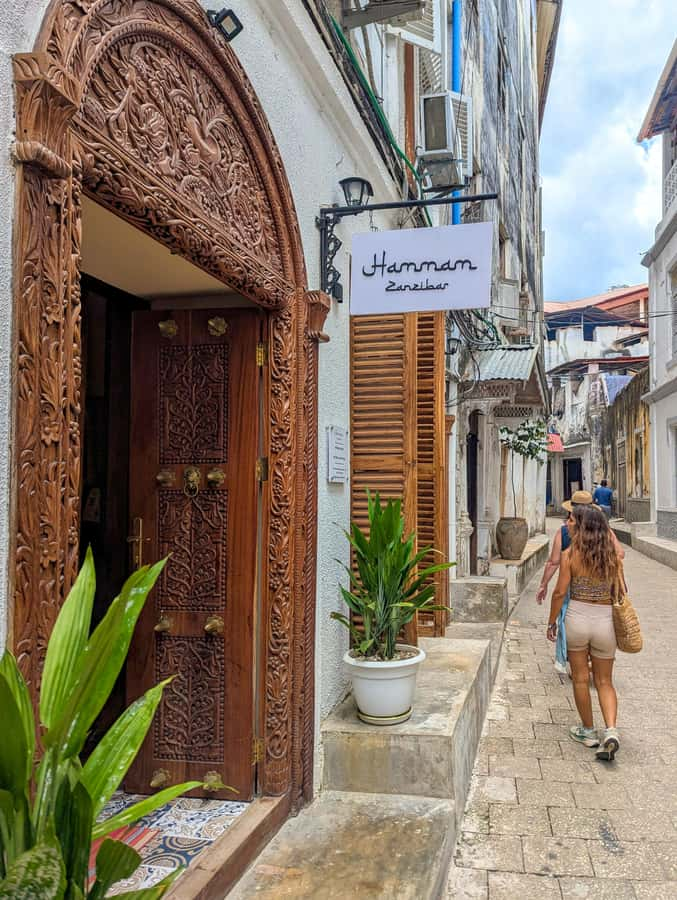
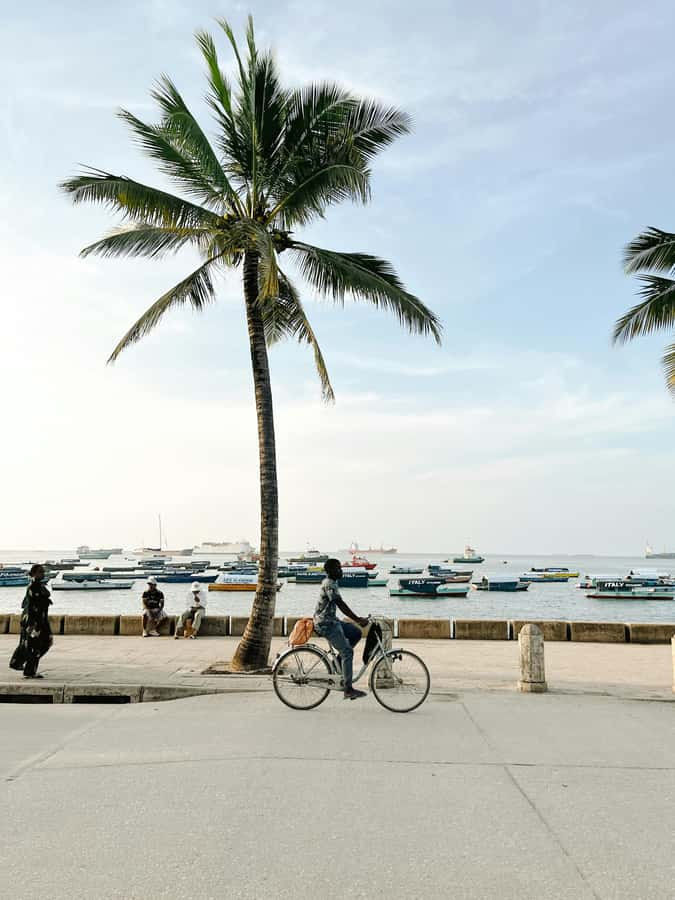
The tour starts at the bandstand in the middle of Forodhani Gardens, directly opposite the House of Wonders and next to the Old Fort. That location matters. If you’ve only got limited time in Stone Town, being pointed at the right “spine” of the city helps you stop wandering in circles (it happens fast in those alleys).
Forodhani Gardens is where I’d begin anyway, because you feel the meeting of sea air and spice before you even get into the tight streets. Your guide starts you with the basics: what you’re looking at and why it mattered to Zanzibar. You’ll also get a sense of how the island’s mix of people and trades shows up in daily life, not just monuments.
From there, the walk flows toward the major architectural markers: the House of Wonders and the Old Fort area. The value of this opening stretch is that you learn the logic of Stone Town early. Instead of seeing buildings as random backdrops, you start reading them like a map.
What I’d pay attention to here:
- Watch for details your eyes might skip if you were self-guiding.
- Use the guide’s pacing to take quick photos, then look again with fresh context.
You can also read our reviews of more tours and experiences in Zanzibar City.
House of Wonders and Old Fort: architecture as a storybook
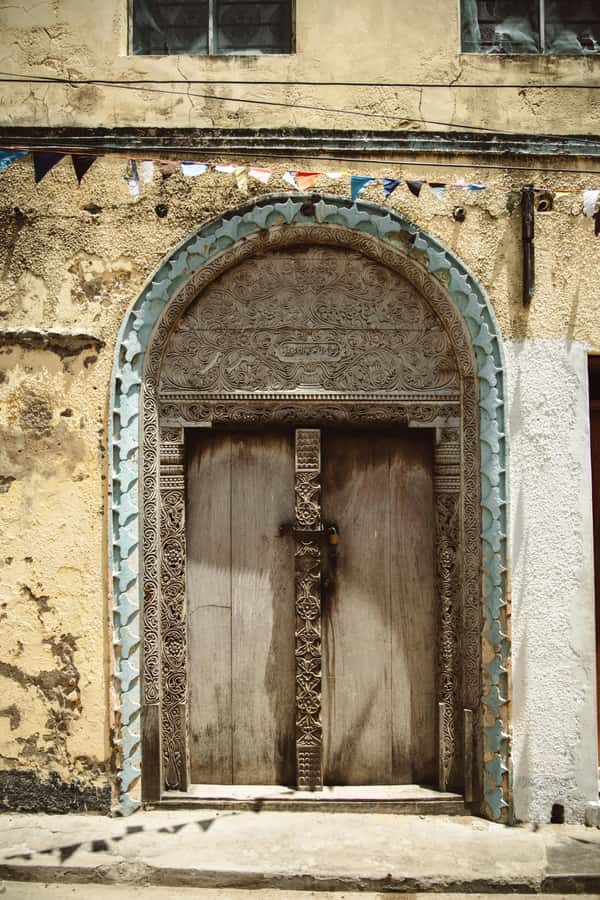
Stone Town’s power is how it compresses centuries into walkable distances. On this tour, you don’t just pass by the House of Wonders and Old Fort. You get guided explanations that connect the sites to Zanzibar’s cultural layers—Swahili, Arab, Indian, and European heritage.
The House of Wonders stop is especially useful if you’re the type who hates feeling overwhelmed by dates. The guide’s angle is simpler: how influence shows up in the physical space and in the way Zanzibar’s people organized life around trade, authority, and identity.
Then you move into the Old Fort’s orbit. Even if you’re not a “history museum” person, Old Fort is a good anchor. It helps you understand why Stone Town developed where it did and why so much of what you see today looks like it grew through contact rather than isolation.
Possible drawback: this part can feel concentrated—lots of names, influences, and visual cues in a short span. If that’s not your thing, lean on your guide and ask one follow-up question you care about, like how trade shaped the city’s layout.
St Joseph’s Cathedral, Jaws Corner, and the mix of streets you can feel

After the big landmark stops, you get into the human-scale Stone Town experience. The tour includes a walk past St. Joseph’s Cathedral, where you can marvel at the Gothic architecture. This is a nice contrast moment. You go from heritage linked to commerce and empire to a religious landmark that adds another layer to Zanzibar’s story.
Then there’s Jaws Corner, a true local hangout. This is where the tour gets less about monuments and more about the mood of the city. You’ll sense how people actually spend time here—what they talk about, how the street feels at ground level, and where locals naturally gather.
What I like about having Jaws Corner in the plan is that it prevents your brain from turning Stone Town into only big-photo sightseeing. You’re reminded that the city is still lived in, not frozen in a time capsule.
Quick practical note: expect strong sun and strong smells around food areas. That’s normal. Bring sunscreen and a hat so you can enjoy it instead of just enduring it.
Darajani Market and Memories of Zanzibar: shopping with a compass
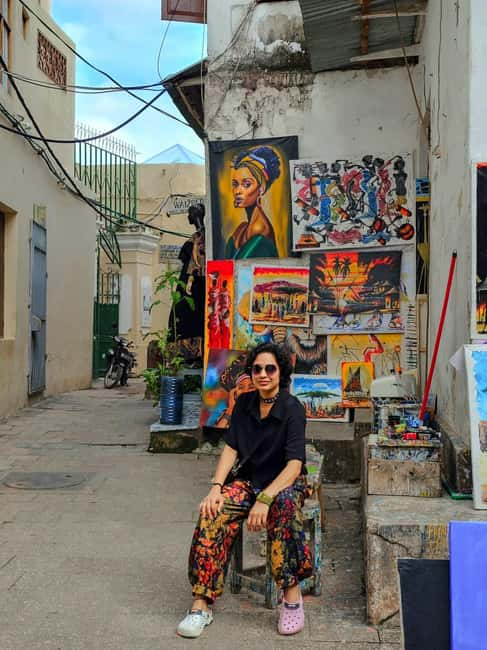
Darajani Market is one of those places where you can either have fun fast or get overwhelmed in minutes. The difference here is the guide. You’ll spend time in the market with an organized walk through the colors, spices, fresh produce, and handmade goods.
I like this stop because it’s sensory in a useful way. You learn what to look for, and you can understand how everyday commerce fits into the city’s larger story. Also, it’s where shopping feels less like chaos and more like browsing with a plan.
The tour also includes Memories of Zanzibar with shopping opportunities. This matters for value. Instead of paying random prices for souvenirs later, you’re already on the ground with context and local recommendations from your guide.
A real tip: if you’re buying small gifts, start here. By the time you’re back near your hotel, your negotiation style is either improved or you’re tired. Hitting Darajani earlier gives you more energy to compare options thoughtfully.
Freddie Mercury childhood home photo stop: a fun moment with local roots
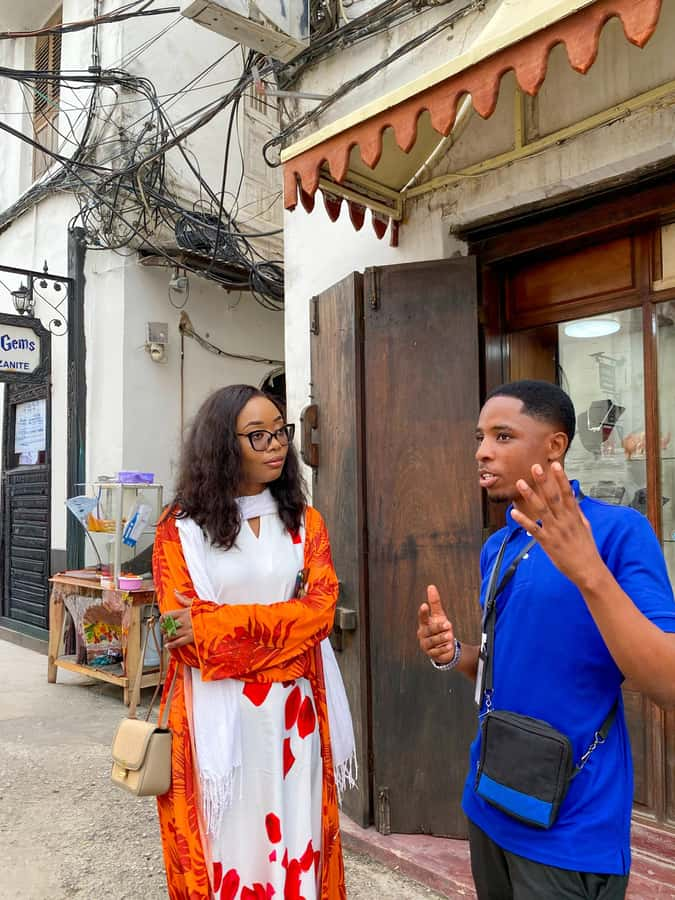
Not everyone wants pop culture on a heritage tour. Fair. But this stop works because it’s framed as part of Zanzibar’s identity, not as a separate themed excursion.
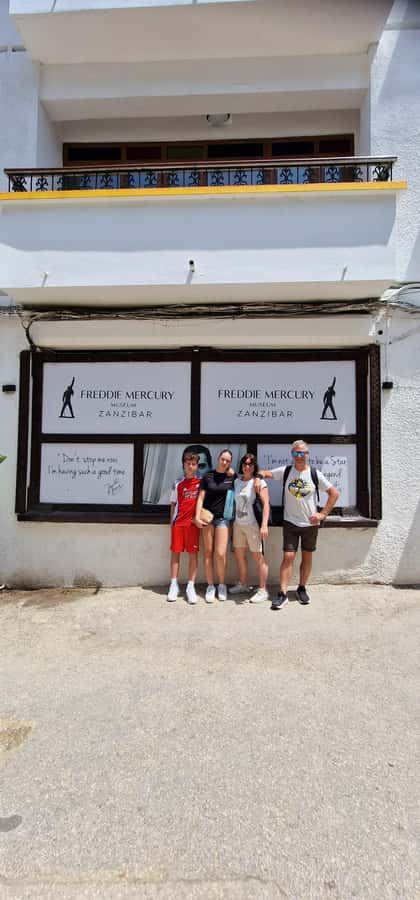
You’ll get a photo stop at Freddie Mercury’s childhood home and legacy. Even if you skip the optional Freddie Mercury Museum (not included), the photo stop gives you an easy anchor point. It’s also a good conversation starter with your guide, since Zanzibar is full of stories that connect famous names to local places.
My take: treat this as a palate cleanser between heavier historical content. Then, keep your eyes open. The best souvenir from a photo stop is not the photo—it’s the way it helps you remember where you were and what you learned in the hours before.
Optional add-on detail: entry to the Freddie Mercury Museum costs $8 per person. That’s simple enough to decide on the spot if it matters to you.
Tanzanite Museum: why that rare blue stone has a story
The tour includes a visit to the Tanzanite Museum, which focuses on the story behind the rare blue gemstone. This stop is good value because it shifts you from architecture and trade networks into a tangible product tied to Tanzania’s identity.
If you like geology or simply enjoy learning where things come from, you’ll appreciate this. Tanzanite is one of those stones people recognize by color before they understand where it fits in a national story. A museum stop helps connect the dots in a short, guided visit.
What to do if you’re not into gemstones: use it as a cultural snapshot. Ask your guide how the stone became associated with Tanzania and what people think about it locally. You’ll come away with a different kind of souvenir—one that lives in your head.
Former Slave Market and Anglican Cathedral: the hardest stop, handled with care

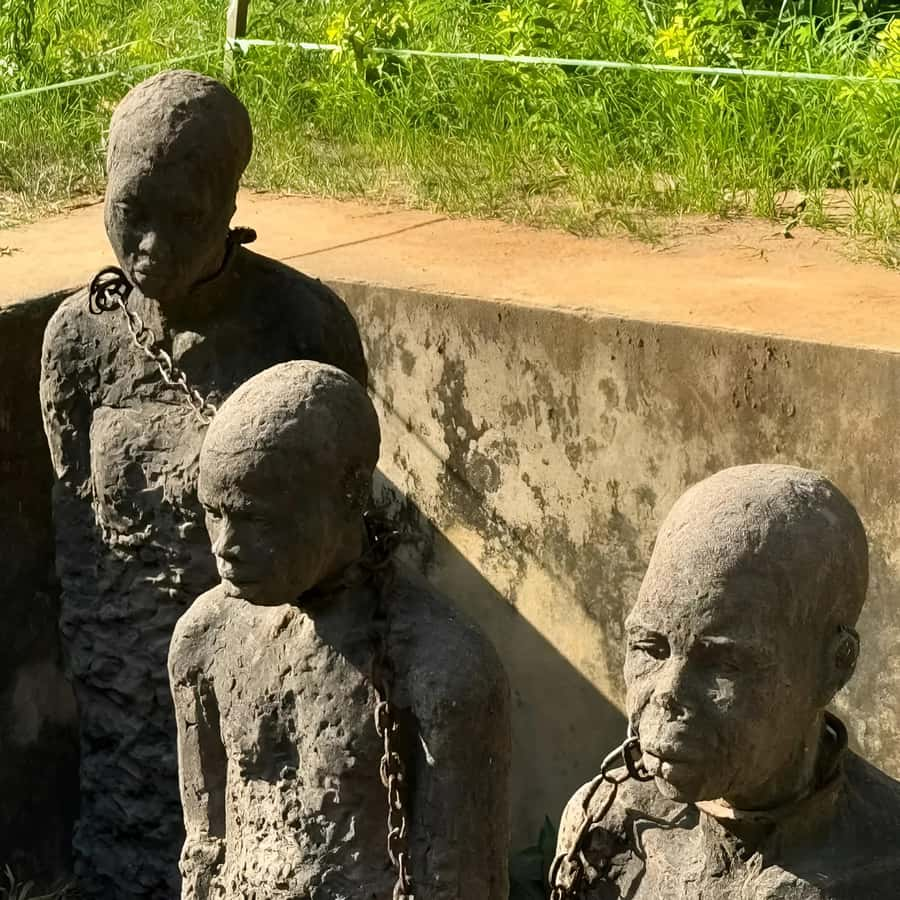
This is the part you don’t skip. The tour ends with a moving visit to the Former Slave Market and Anglican Cathedral, with entrance included for a private tour.
The value here isn’t just that the location is famous. It’s that the guide shares moving stories and connects the site to Zanzibar’s complex past and the fight to end the trade. That framing matters. It keeps the visit respectful and grounded instead of turning it into a shock-photo moment.
If you’re the type who gets emotional on dark history, plan for it. Take a slower pace when you’re there. I also recommend keeping your phone put away for at least part of the visit. Let the place do its job.
This ending choice also makes the whole tour feel more complete. Earlier stops show Zanzibar’s blend of cultures in buildings and markets. Then the Slave Market stop puts the human cost in the foreground, so you don’t leave with only aesthetics.
Price, timing, and value for $19 per person
The price is $19 per person, and that’s a fair deal for what you get on paper: a licensed local guide, hotel pick-up and drop-off in Stone Town, bottled water, guided walks through key areas, and included entrance to the Former Slave Market & Anglican Cathedral.
The smart value move is in the combination. You’re not just ticking boxes. You’re being guided through the places that connect to how Stone Town functions—seafront gardens, fortress space, street life, markets, and a major historical site. That’s harder to replicate on your own because you’d need to research context and navigate the alleys efficiently.
What isn’t included also matters:
- Freddie Mercury Museum entry is $8 per person, optional.
- Personal shopping isn’t included (obvious, but worth saying).
- Any additional museum or attraction costs beyond what’s listed are not covered.
If you’re trying to stretch your budget, this tour can help you. For $19, you’re paying mainly for orientation and context, not just access to a single site.
Who should book this Stone Town heritage walk
This tour is a great fit if you want:
- A guided walking route through the core of Stone Town, with stops tied together by theme.
- A guide who can adapt—some guides on this tour have helped last-minute bookings and adjusted what you see based on your interests.
- Both sides of Stone Town: architecture and markets, plus the difficult history.
It might not be for you if:
- You have mobility limitations (the tour specifically isn’t suitable for people with mobility impairments).
- You hate walking or you dislike crowds in markets like Darajani.
For solo travelers: it’s a strong way to get grounded fast. For couples or small groups: the guide’s pacing can keep everyone engaged. For families: it depends on kids and attention span, since the Slave Market portion is emotionally heavy.
Practical tips before you go
You don’t need much, but you do need the right basics.
- Wear comfortable shoes with grip.
- Bring a sun hat and sunscreen. Stone Town sun can be intense.
- Check forecasts. Weather can affect the tour.
If you get easily distracted by shopping, decide your budget before you enter Darajani Market and Memories of Zanzibar. That keeps the tour from turning into a scramble for deals.
Also, keep your pace flexible. The best tours give you space to look twice—once at what’s there and once at what your guide says it means.
Should you book the Zanzibar Stone Town Heritage and Slave Market Tour?
If you only choose one guided way to experience Stone Town, I’d lean toward this. The combination of landmarks, markets, and included access to the Former Slave Market and Anglican Cathedral makes it feel like more than sightseeing. It’s guided context, and the route helps you understand the city as a living place with layered history.
Book it if you want a well-paced introduction that mixes culture and real streets, and you don’t mind that the final stop is heavy. Skip it only if walking is tough for you or if you’re looking for a light, purely entertainment-focused itinerary.
FAQ
Where do I meet for the tour?
Meet at the bandstand located in the center of Forodhani Gardens, directly opposite the House of Wonders and next to the Old Fort. Your guide will be waiting there with a visible badge or sign.
Is hotel pick-up and drop-off included?
Yes. Convenient hotel pick-up and drop-off in Stone Town are included.
What’s included for the Former Slave Market visit?
Entrance to the Former Slave Market and Anglican Cathedral is included via private tours.
Is the Freddie Mercury Museum entrance included?
No. Entry to the Freddie Mercury Museum costs $8 per person and is optional.
Is bottled water provided?
Yes. Bottled water is provided during the tour.
Is this tour suitable for people with mobility impairments?
No. It is not suitable for people with mobility impairments.