REVIEW · GIFU PREFECTURE
Shirakawa-go Half day tour (UNESCO World Heritage near Takayama)
Book on Viator →Operated by Happy Tour · Bookable on Viator
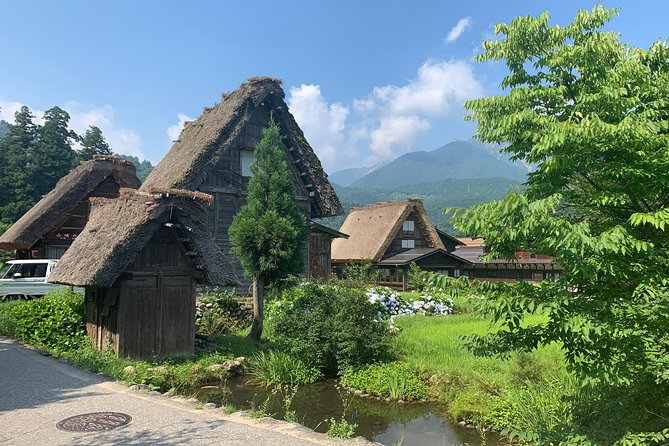
Thatched roofs tell better stories up close. I love the small-group feel and the way an English guide helps you read Shirakawa-go beyond just taking photos. I also like that you start early enough to see the village before the big crowd wave, which makes the walk feel calmer; one thing to factor in is the main gassho-house area admission at the first stop is not included, so you’ll pay that along the way.
You’ll meet your guide at Takayama Station at 8:30am and spend about 2–4 hours walking, looking, and asking questions. With a maximum group size of 9 travelers, the pace is easier to manage, and you get time at viewpoints like the village view stop and short visits like the oldest local shrine.
In This Review
- Key highlights you’ll care about
- Why this UNESCO village fits a half-day schedule
- Getting from Takayama to Shirakawa-go without headaches
- The real “tour” part: walking Shirakawa-go with a guide
- Stop 1: Historic villages of Shirakawa-go gassho houses
- Stop 2: Shirakawa-mura viewpoint
- Stop 3: Nagase House
- Stop 4: Shirakawa Hachiman Shrine
- Stop 5: Rice paddy field and village life glimpse
- What the early start really changes for you
- English guide + small-group size: why it matters here
- Price and value: is $97.73 a good deal?
- What to bring (and what to skip)
- Who should book this Shirakawa-go half-day tour
- Should you book it?
- FAQ
- How long is the Shirakawa-go half day tour?
- What time does the tour start?
- Where do I meet the guide in Takayama?
- Is pickup included?
- Is there an English-speaking guide?
- Are admissions included?
- Does the tour include lunch?
- What is the group size?
- What is the cancellation policy?
Key highlights you’ll care about
- Early start from Takayama can mean a calmer first look at the village
- Max 9 people keeps it from feeling like a conveyor belt
- English-speaking guide turns what you see into context you can actually use
- Stop mix: gassho houses, a traditional house visit, shrine, and rice paddy views
- Pickup and drop-off in Takayama City keeps the logistics simple
Why this UNESCO village fits a half-day schedule
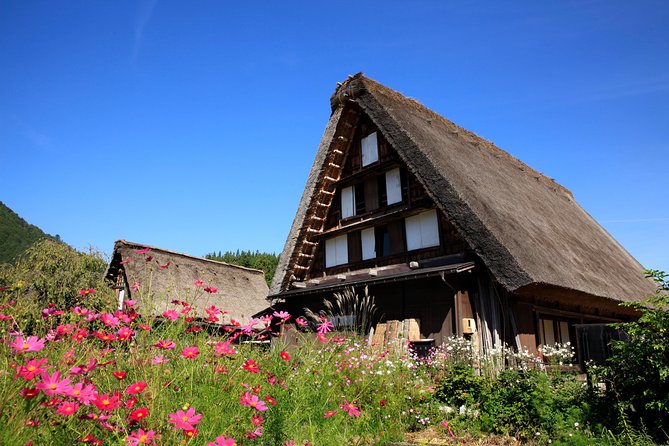
Shirakawa-go is famous for its gassho-style thatched A-frame houses, but the real magic is how the design ties to daily life. A half-day works because you’re not trying to do everything. You’re getting the core visual and cultural beats—enough to understand why this village earned UNESCO recognition—without spending your whole day in transit.
The tour is also built around a walking plan that stays realistic. Expect around 2–4 hours total, with short stops that let you look closely and then move on. That structure is perfect if you’re using Takayama as your base and want one standout day without stealing time from nearby sights.
You can also read our reviews of more tours and experiences in Gifu Prefecture.

Getting from Takayama to Shirakawa-go without headaches
You’ll start at Takayama Station (昭和町1丁目222) at 8:30am. If you’re staying in Takayama City, pickup and drop-off are included, which is a big deal for a day trip like this—less time hunting for meeting points, more time actually enjoying the village.
Also note the tour includes a mobile ticket, so you’re not juggling paper confirmations while you’re on the go. And since the tour runs as a small group (maximum of 9), transport tends to feel more comfortable than the giant-bus scene you might dread on famous day trips.
The real “tour” part: walking Shirakawa-go with a guide
Here’s how the experience plays out, stop by stop, and what you should watch for.
Stop 1: Historic villages of Shirakawa-go gassho houses
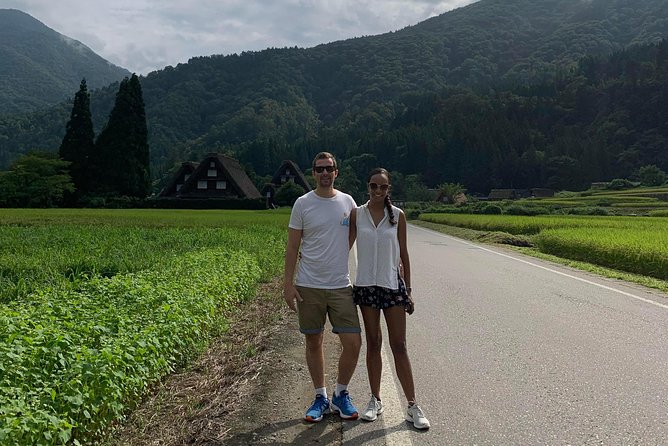
This is the heart of the visit. You’ll spend about 2 hours here learning how the gassho-style houses are constructed and what village life is like. The value of a guided visit is that you get answers to the questions your brain naturally asks when you see the steep thatched roofs: Why this shape? How did people manage weather and seasons? How did the houses support day-to-day routines?
One important drawback to plan for: the admission for this stop is not included. So even though you’re paying the tour price (which covers the guide and transport), you’ll still need budget for this specific ticket when you arrive.
Stop 2: Shirakawa-mura viewpoint
After the main village area, you get a quick 10-minute viewpoint stop. This is short on purpose: it gives you a wider sense of how the village sits in its setting, then you move on before the day gets too spread out.
What I like about this stop is that it helps your brain switch from close-up details (the roof angles, wood, and pathways) to the bigger picture. If you’re the type who likes photos, this is also a solid moment to grab a view without feeling like you’re hunting endlessly.
Stop 3: Nagase House
This is a focused traditional-house visit for about 15 minutes. The standout here is that the guide can explain what you’re seeing in real time, and you get the kind of details that are hard to pull from just walking around on your own.
Admission for Nagase House is included, which is good value. It also means you’re not juggling extra small ticket purchases at multiple stops. The guide explanation is one of the most praised parts of the day, so if you care about understanding how people lived, this short indoor time is worth paying attention to rather than treating it as a quick photo break.
Stop 4: Shirakawa Hachiman Shrine
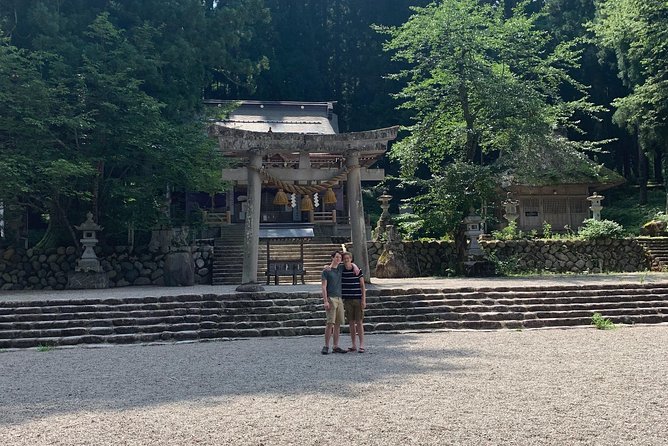
Next is the Shirakawa Hachiman Shrine, visited for about 5 minutes. It’s described as the traditional and oldest shrine in the area, so even though the stop is brief, it adds a cultural layer beyond houses and views.
This stop is best if you like moments that feel grounded and local—less about spectacle, more about continuity. In a half-day itinerary, that small timing window keeps things from turning into a history lecture, but you still get a meaningful pause.
Stop 5: Rice paddy field and village life glimpse
The final look is another chance to understand daily life in a small rural community. You’ll spend around 15 minutes at the village area where you can see traditional rice paddy fields and learn how life works in this kind of setting.
This is one of those stops that helps you connect the dots between architecture and agriculture. The steep-roofed houses aren’t just pretty; they’re part of a way of living shaped by seasons, work, and the rhythms of the land.
What the early start really changes for you
One of the best advantages you’re likely to feel is timing. With an 8:30am start, you’re positioned to see the village before the later crowd surge. In practice, that usually means:
- More space to walk and photograph without constantly stepping aside
- A calmer feel as you take in the thatched roofs up close
- Better chances to notice small details that get lost in rush-hour visitor flow
Even if your visit isn’t during snow season, the experience can still feel special simply because you arrive while the village is still waking up. One traveler’s experience in winter included a snow-covered Shirakawa-go scene, which is a reminder of how different this place can look by season.
English guide + small-group size: why it matters here
This tour is built for personal attention. With up to 9 travelers, the guide can actually respond to questions and adjust the pace based on what people want to see. That’s a big difference from large-group tours where you’re listening to explanations while you’re already half-turned toward the next stop.
The other advantage: the day is short, so the guide’s explanations make your time count. Instead of spending half the visit trying to figure out what you’re looking at, you get the context fast—especially around construction style at the gassho-house area and interpretation inside Nagase House.
If you want even more flexibility, private tours can also be arranged, which is useful if you’re traveling as a couple, have special interests, or want a less structured pace.
Price and value: is $97.73 a good deal?
At $97.73 per person, this is not a budget transfer, but it also isn’t a luxury-priced day. Here’s the practical way to judge value:
You’re paying for:
- An English-speaking guide
- Pickup and drop-off from Takayama City
- A curated walking experience across multiple village stops
You’re not paying for:
- Lunch (it’s not included)
- Admission for the first stop (historic gassho houses)
So the value depends on how you travel. If you planned to DIY Shirakawa-go, you’d still spend money on getting there and back, and you might spend more time figuring things out than actually learning. The guide is what you’re truly buying: the ability to ask questions and understand what makes gassho construction and village life meaningful.
If your top priority is photos only, you could DIY. But if you want to understand the place while you’re there, the price starts to make a lot of sense.
What to bring (and what to skip)
The tour involves walking and several short stops, so think comfort over fashion.
Bring:
- Comfortable shoes for village pathways
- A light layer, especially if you’re going early in the morning
You can plan meals separately since lunch isn’t included. If you’re the type who gets hungry during sightseeing, decide ahead of time where you’ll stop to eat after your tour ends back at the meeting point.
Who should book this Shirakawa-go half-day tour
This tour is a strong fit if:
- You want a cultural guide instead of just wandering
- You’re using Takayama as your base and want one “big” day without overcommitting
- You prefer small-group pacing and question time
- You care about understanding architecture, village life, and local religious/cultural context
It may feel a bit short if you’re the type who likes to linger for long stretches in one place. But for most people, the structure keeps the day active without dragging.
Should you book it?
I’d book this tour if you want the best combination of time and understanding: gassho houses first, then viewpoints, then a guided traditional house stop, plus a shrine and rice paddy glimpse. The small-group size and English guide help your visit feel like more than a photo stop.
Skip (or consider a different option) if you dislike paying extra for admissions at the first stop or if you want a long, unhurried wander with no scheduled segments. For a half-day mission from Takayama, this one is thoughtfully put together.
FAQ
How long is the Shirakawa-go half day tour?
The duration is approximately 2 to 4 hours.
What time does the tour start?
The start time is 8:30am.
Where do I meet the guide in Takayama?
You meet at Takayama Station (Japan, 506-0053 Gifu Prefecture, Takayama, Showamachi 1-chome 222).
Is pickup included?
Yes. Pickup and drop-off from Takayama City are included.
Is there an English-speaking guide?
Yes. The tour includes an English speaking guide.
Are admissions included?
Admission for the historic village gassho houses (Stop 1) is not included. Admission for Nagase House (Stop 3) is included. The viewpoint and the shrine stops list admission as free, and the rice paddy area stop is also free.
Does the tour include lunch?
No. Lunch is not included.
What is the group size?
The tour has a maximum of 9 travelers.
What is the cancellation policy?
You can cancel for a full refund up to 24 hours in advance of the experience start time. Free cancellation is available, and changes within 24 hours of the start time aren’t accepted.