REVIEW · GIFU PREFECTURE
Shirakawago(UNESCO world heritage)/ Onsen / Hiking / 1day tour
Book on Viator →Operated by Happy Tour · Bookable on Viator
Shirakawa-go moves at your pace. This private day blends UNESCO village views with hot springs and waterfall nature stops, and a guide keeps the whole day smooth. You’ll get between sights in an air-conditioned vehicle, and the language barrier factor goes way down because your guide translates as you go.
I especially love how the day is built around variety without feeling rushed: Gassho-style houses, a traditional onsen stop, and the dramatic energy of Hirayu Falls. A second win for me is the way guide Yama explains what you’re seeing, including the Japanese spiritual side of the region, so the places feel less like checkboxes and more like a story you can actually follow.
The main thing to consider is cost add-ons: key entrances and the hot spring admission are not included, and meals aren’t provided either. Also, the day depends on good weather, so if conditions are poor you may need to shift plans.
In This Review
- Key highlights worth planning around
- Why this Shirakawa-go day tour feels different
- Getting there and how the timing works (without stress)
- Stop 1: Historic Shirakawa-go Gassho-style houses (2 hours)
- Stop 2: Wada House (15 minutes)
- Stop 3: Hirayunomori hot springs to reset (1 hour)
- Stop 4: Hirayu Falls and a 1000+ year giant tree (2 hours)
- What you actually get from a private guide (Yama’s effect on the day)
- Price and value: $190.58 and what makes it make sense
- Comfort tips that match what this tour includes
- Who this tour fits best
- A quick reality check before you book
- Should you book this Shirakawa-go UNESCO + onsen + hiking day?
- FAQ
- How long is the Shirakawa-go UNESCO, onsen, and hiking day tour?
- What time does the tour start?
- Where do I meet the guide?
- Where does the tour end?
- Is admission included for Shirakawa-go and Wada House?
- Is the onsen admission included for Hirayunomori?
- Is Hirayu Falls admission included?
- How many people are in the group?
- What happens if the weather is bad or plans change?
Key highlights worth planning around
- Small private group (max 10) means you get a real conversation, not just a lecture while people shuffle ahead
- A/C vehicle between stops saves energy on a long day outside city transport
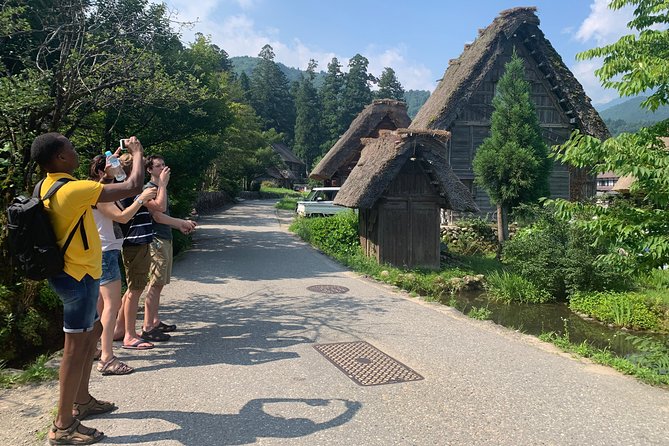
- UNESCO Shirakawa-go at a guided pace including how the village is lived in, not just a photo stop
- Hirayunomori hot springs (1 hour) built right into the day to reset after hiking time
- Hirayu Falls plus a 1000+ year old giant tree for a nature payoff that feels bigger than a typical roadside stop
- Mobile ticket helps you keep things simple on the ground
Why this Shirakawa-go day tour feels different
Most day trips to Shirakawa-go try to cram too much into too little time. This one is different because you’re traveling with a private guide and moving as a small group, so you don’t lose the day to logistics, confusion, or the usual stop-and-rush rhythm. When you’re dealing with a rural area, that matters. A comfortable ride between locations buys back energy, and the translation support helps you spend time looking, not decoding.
The other thing I like is that the day isn’t only about buildings. It’s set up like a nature-and-lifestyle day: historic village context first, then hot springs, then the waterfall area. That sequencing is smart. You start with the cultural center, then physically relax, then finish with the outdoors when your legs are warmed up and ready.
You can also read our reviews of more tours and experiences in Gifu Prefecture.
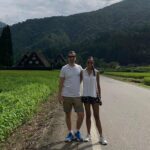
Getting there and how the timing works (without stress)
The day runs about 9 hours, with a start at 8:30 am. Your meeting point is the Shirakawa-go Bus Terminal at 1086 Ogimachi, Shirakawa, Ono District, Gifu 501-5627. From there, you move by vehicle between the sights.
At the end, you’re not sent back to the same exact spot. You finish in Takayama (Takayama station) or at the Hirayu bus terminal, which can make it easier to keep your plans flexible—especially if you’re staying in Takayama and want a natural handoff back into town.
Also, booking tends to fill fairly well; the average booking timing listed is about 49 days in advance. If you’re traveling in a busy season, I’d treat this as a “book earlier than later” kind of tour.
Stop 1: Historic Shirakawa-go Gassho-style houses (2 hours)
This is the heart of the day: the Historic Villages of Shirakawa-go Gassho Style Houses. You get about 2 hours, and the emphasis isn’t just walking past photo angles. You can learn how the houses are made and how the villagers live—exactly the kind of context that turns a UNESCO site from scenery into understanding.
One practical note: admission isn’t included for this stop. That doesn’t make the tour bad value, but it does mean you should budget a little extra for entrances once you’re on the ground.
What you should expect here is a guided stroll through the village area while your guide keeps the meaning attached to what you’re seeing. That’s where the private format helps most. You’re not trying to guess what matters; you’re being shown.
Stop 2: Wada House (15 minutes)
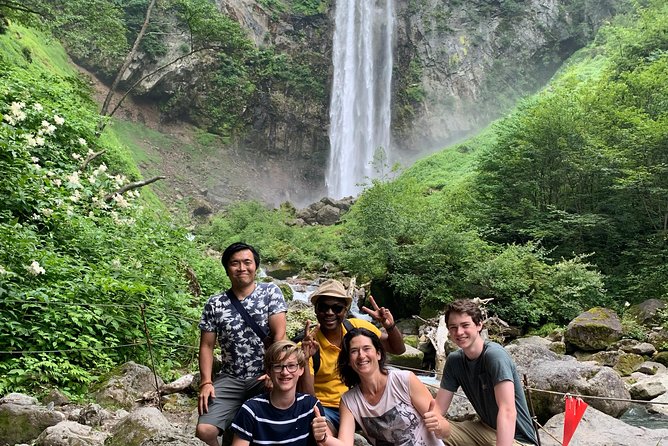
Next is Wada House, where you’ll see traditional goods inside. The time here is short—about 15 minutes—but the point isn’t duration; it’s access. This stop works well if you want a quick, focused look at how things are arranged and preserved in a traditional house setting.
Again, admission isn’t included, so factor that in. The upside is your guide explains what you’re looking at, so the short visit doesn’t feel like time lost.
If you’re the kind of traveler who hates “drive-by” stops, you can use this as a checkpoint: tell your guide if you want slower pacing here, because the day’s best moments are the ones where you actually connect with what’s in front of you.
Stop 3: Hirayunomori hot springs to reset (1 hour)
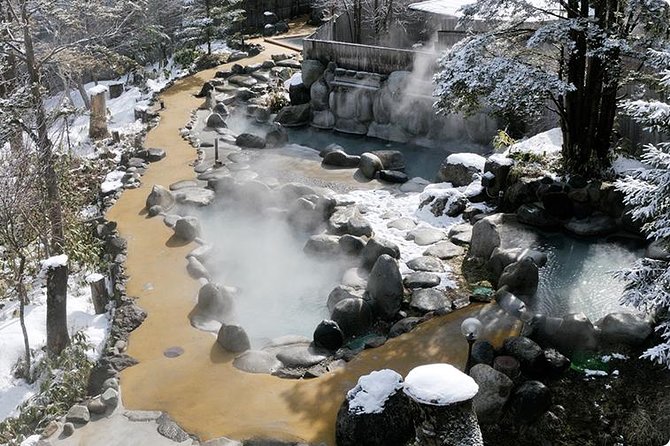
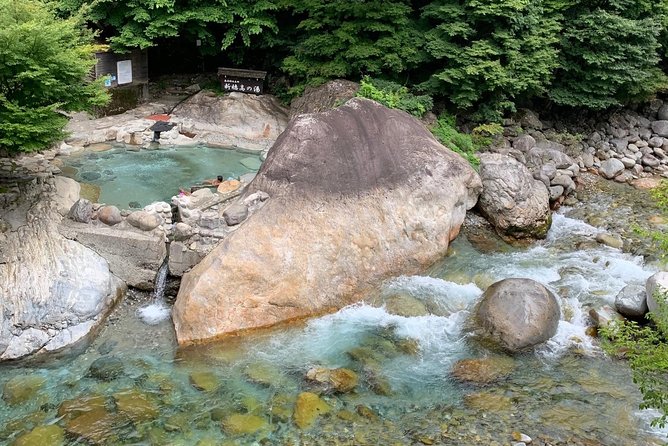
Then you get to the part that turns a long travel day into a comfortable one: Hirayunomori, a traditional Japanese hot springs stop. You’ll have about 1 hour here, and it’s specifically placed to help you recover from the hiking effort during the day.
The onsen admission isn’t included, so this is one of the places where you’ll pay directly at the site. Still, I think it’s worth it. After walking and viewing village streets and then moving toward waterfall terrain, having a planned reset reduces the odds you’ll end the day cranky.
If you want a practical strategy: treat this stop as your energy switch. Even if the weather is cold, getting warm on schedule makes the later outdoors portion easier to enjoy.
Stop 4: Hirayu Falls and a 1000+ year giant tree (2 hours)
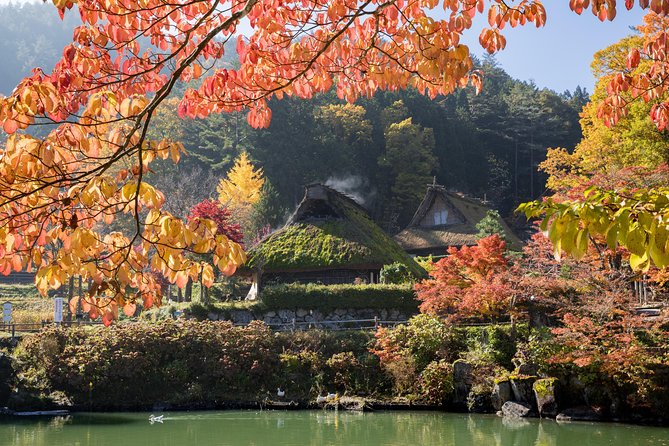
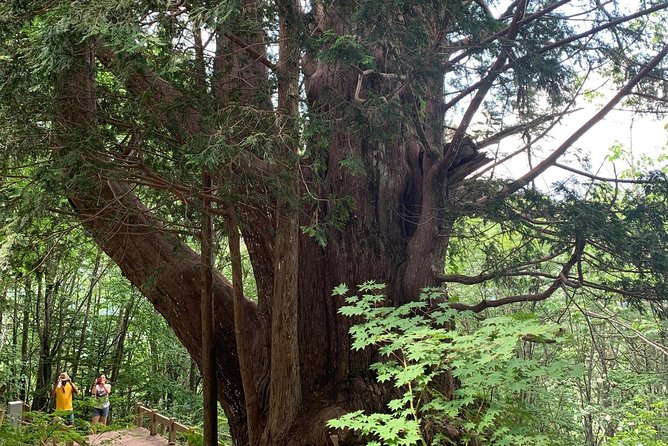
You finish with Hirayu Falls, where the scenery is designed to feel big and physical. You’ll get about 2 hours, and the stop highlights the dynamic waterfall experience plus the giant tree called 大ネズコ with an age of 1000+ years.
The admission for this stop is listed as free, which is a nice bonus. It also means you can spend more of your day on looking and less on counting extra fees.
This is also the stop that best rewards people who like the outdoors and enjoy a little walking. The tour is described as including hiking time, and the hot spring stop is built as recovery—so don’t treat the falls area as a quick photo and leave. The time on-site is long enough to slow down and feel the place.
What you actually get from a private guide (Yama’s effect on the day)
A lot of tours can say private guide, but what matters is what your guide does with that access. In this case, your guide accompanies you and translates to reduce language barriers, and the tour includes explanations of the Japanese spiritual side of the region.
Guide Yama shows up in the feedback repeatedly, and the themes are consistent: clear history of Shirakawa-go, a friendly and helpful tone, and the ability to answer questions along the way. There are also notes about him adjusting to the situation—even when weather doesn’t cooperate—while still getting you to the key places.
That’s the value of a small-group private format: you can ask, you can pause, and the day doesn’t have to be about guessing.
Price and value: $190.58 and what makes it make sense
At $190.58 per person (about 9 hours), this is not a cheap day trip, but it’s also not trying to be a luxury resort experience. It’s priced like a practical private guided outing in rural areas where transportation and a guide are the real costs.
Here’s why it can feel like good value if Shirakawa-go and the surrounding nature are top priorities for you:
- You’re paying for translation and guidance, not just a ride. That can save you time and frustration in a place where language helps a lot.
- You get multiple stops across culture, onsen, and waterfalls instead of one long drive for a single sight.
- Group size is limited (max 10), so the day still feels human-sized.
- The itinerary includes at least one spot with free admission (Hirayu Falls), which helps offset on-the-day costs.
Where the price can feel less friendly is the add-ons. Meals aren’t included, and some admissions and hot spring fees are not included. If you’re the type who also pays for every entrance separately anyway, you’ll probably be fine. If you’re trying to keep the entire day on a tight budget, you’ll want to plan for those extra payments up front.
Comfort tips that match what this tour includes
This day blends village walking, some hiking-style movement, and an onsen reset. Keep that in mind when you pack and dress.
- Wear comfortable shoes. The day is built for walking and hiking time, not museum slippers.
- Bring a small layer for cold or wet weather. Even when the itinerary is the same, the outdoors portion can shift fast.
- If you’re planning to buy snacks or lunch, keep in mind meals aren’t included, and your guide can point you toward good options once you’re on schedule.
Also, since the experience requires good weather, it’s smart to be flexible with your wider trip plan. Rural sightseeing can be weather dependent, and the tour provider may offer a different date or a refund if it needs to be canceled.
Who this tour fits best
This is a strong fit if you want a day that feels guided but not stiff. It’s especially good for:
- First-time visitors to the area who want easy translation support
- People who like a structured day that still includes nature and relaxation
- Travelers who prefer small group energy over crowd navigation
It might be less ideal if you only want one major site and you’d rather travel independently, or if you dislike paying entrance fees on top of the tour price.
A quick reality check before you book
This tour is built around four major experiences: Shirakawa-go village (2 hours), Wada House (15 minutes), Hirayunomori hot springs (1 hour), and Hirayu Falls with the 1000+ year giant tree (2 hours). The schedule is full but not absurd, and the hot springs stop is placed for a reason—so you can handle the outdoors without suffering through it.
Just be aware of what you’ll still need to pay for: entrances at some stops, onsen admission, and your own meals. If you’re good with that, you’re basically buying the convenience of a translated guided day plus a well-paced mix of culture and nature.
Should you book this Shirakawa-go UNESCO + onsen + hiking day?
If Shirakawa-go and the surrounding natural sites are a must-do for you, I think this is the kind of tour that makes the day easier and more meaningful. The private guide support (with Yama as a standout), the mix of UNESCO village, hot springs, and Hirayu Falls, and the small-group cap are the reasons to lean in.
My advice: book it if you want to understand what you’re seeing and you don’t want to wrestle with language or timing on rural routes. Skip it only if you’re trying to minimize extra entrance and meal costs, or if you prefer to wander at your own speed with no guide at all.
FAQ
How long is the Shirakawa-go UNESCO, onsen, and hiking day tour?
It runs for about 9 hours.
What time does the tour start?
The start time is 8:30 am.
Where do I meet the guide?
You meet at the Shirakawa-go Bus Terminal (1086 Ogimachi, Shirakawa, Ono District, Gifu 501-5627, Japan).
Where does the tour end?
The tour ends in Takayama (Takayama station) or at the Hirayu bus terminal.
Is admission included for Shirakawa-go and Wada House?
No. Admission tickets are not included for the Historic Villages of Shirakawa-go and Wada House.
Is the onsen admission included for Hirayunomori?
No. The Hirayunomori stop lists admission not included.
Is Hirayu Falls admission included?
Yes. The Hirayu Falls stop lists admission as free.
How many people are in the group?
The maximum group size is 10 travelers.
What happens if the weather is bad or plans change?
The experience requires good weather. If it’s canceled due to poor weather, you’ll be offered a different date or a full refund, and there is free cancellation up to 24 hours in advance for a full refund.