REVIEW · NAGOYA
Shirakawago & Takayama Bus Tour from Nagoya w/Optional Lunch
Book on Viator →Operated by VIP Japan Tours · Bookable on Viator
One-day trips don’t get more scenic than this. This bus tour strings together Takayama and UNESCO-listed Shirakawa-go with classic mountain views and gassho-zukuri houses, plus an optional lunch stop built around Hida beef.
I like two things a lot: the Hida beef lunch option at Koshiyama (and you can choose an Oden set instead), and the fact you get live narration on the ride with guides who do real explanations, not just a timer.
One heads-up: it’s a long day (around 9–10 hours, with a lot of driving), and in rain or winter timing, the time you want in Takayama can feel tight—so bring warm layers and plan for slower walking.
In This Review
- Key highlights at a glance
- A one-day hit: Nagoya to Takayama and UNESCO Shirakawa-go
- Takayama in 90 minutes: Edo-era streets and snack hunting
- Koshiyama lunch stop: Hida beef teppanyaki or an Oden set
- Shirakawa-go wandering: gassho roofs, sericulture history, and small thrills
- The winter reality check: snow closures and the Gujo Hachiman backup
- Bus logistics that matter: timing, meeting points, and luggage rules
- Guides and group rhythm: why the narration helps
- Price and value: is $65.78 a good deal for this day?
- Tips to make this day trip actually feel enjoyable
- Should you book this tour?
- FAQ
- How long is the Shirakawago & Takayama bus tour from Nagoya?
- Where do I meet the bus?
- Do I need to bring anything for weather?
- What are the main stops on the itinerary?
- Is lunch included?
- What happens in winter if roads to Shirakawa-go are closed?
- How much luggage can I bring?
- Is the tour guided?
- What is the cancellation policy?
Key highlights at a glance
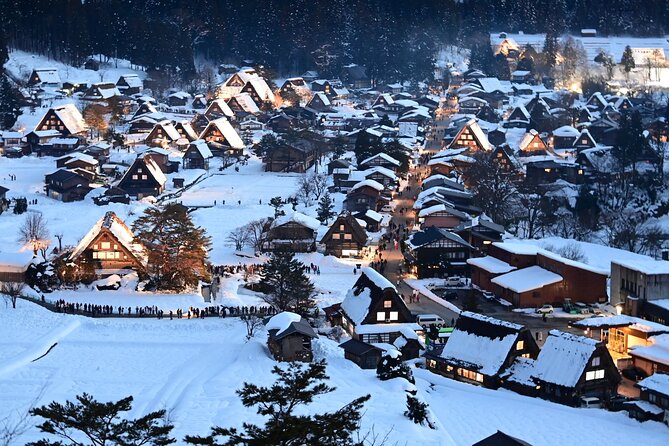
- UNESCO gassho-zukuri in Shirakawa-go with time to wander the preserved village areas
- Hida beef lunch option at Koshiyama, including a Japanese-style teppanyaki set and an Oden alternative
- Edo-period Takayama with about 1.5 hours to shop, snack, and soak up street-town vibes
- Photo-worthy specifics like the narrow, swaying Encounter Bridge and countryside valley views from an observation deck
- Winter-friendly plan B: if roads to Shirakawa-go are closed, you’ll switch to Gujo Hachiman, often called Little Kyoto of Gifu
- Comfortable bus day with a maximum group size noted and a driver/conductor team running the schedule
A one-day hit: Nagoya to Takayama and UNESCO Shirakawa-go
If your base is Nagoya and you want the famous Shirakawa-go experience without changing trains, this tour is built for you. You’re doing a round-trip bus ride from Nagoya (morning start at 8:00 am) and spending the day focused on two heavy hitters: Takayama and Shirakawa-go.
What makes it especially appealing is the pacing: you get a proper walk-around in Takayama first, then you head to Shirakawa-go for the main scenery and village atmosphere. And yes, there’s an optional meal plan at Koshiyama, so you can turn a long day into an easier, food-included one.
The bus portion matters more than people expect. You’re looking at roughly 9–10 hours total, so this works best if you’re okay with a packed schedule and you treat it like a highlights day rather than a slow, flexible sightseeing marathon.
You can also read our reviews of more tours and experiences in Nagoya.
Takayama in 90 minutes: Edo-era streets and snack hunting
Takayama is your first stop, and the tour gives you about 1 hour 30 minutes there. That’s short, but it’s the right length for a first pass: you can pick one or two streets to walk, browse small shops, and grab a snack without losing the whole day to transit.
This is also where the town’s identity shows up fast. Even in a limited window, Takayama has the feel of an old merchant town, and it’s a great place to look for local souvenirs (including the Sarubobo style mascot theme you’ll commonly spot in shops). If you’re a food person, you’ll be in the right zone for trying things like Hida-beef-related snacks and local pudding favorites such as Purin no Ie, as long as you’re willing to line up.
A practical note: Takayama weather can shift quickly. In rain, sidewalks can get slick, and one good layer of planning helps—comfortable shoes you can trust, plus a lightweight rain layer. If your trip is in winter, add warm socks and hand protection, because the walking still happens even if the weather turns.
Koshiyama lunch stop: Hida beef teppanyaki or an Oden set
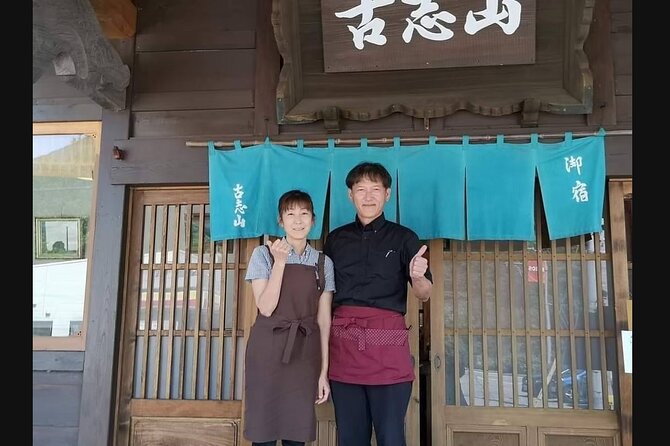
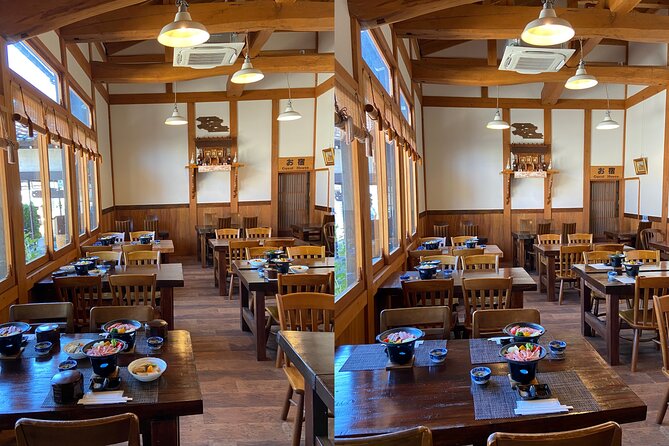
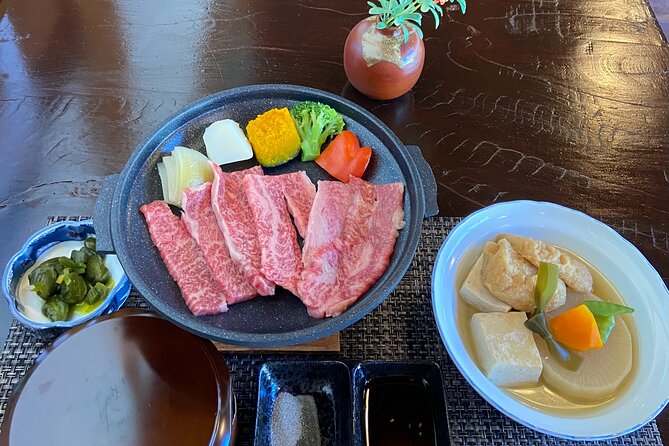
The Koshiyama stop is shorter—about 45 minutes—but it’s where the optional lunch plan becomes a big value. If you choose the meal option, you’re getting a Japanese-style teppanyaki set lunch centered on Hida Gyu (Hida beef), served at a noted restaurant in the Shirakawa-go area.
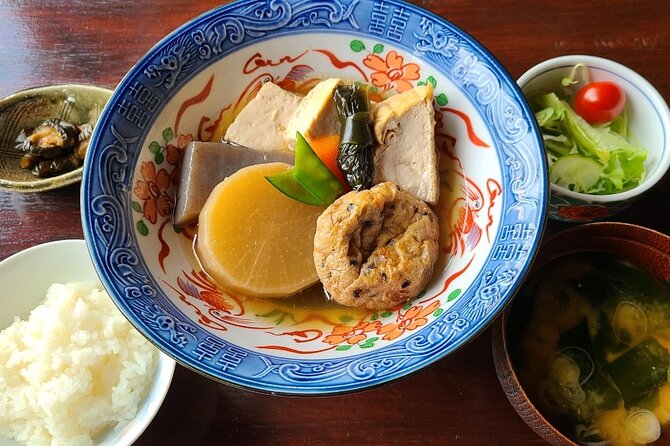
If beef isn’t your thing, you can choose the Oden set instead. That option is useful because it keeps the meal comforting even when temperatures drop, and oden is the kind of warm food that helps you keep walking without feeling wiped out.
Here’s how I’d think about the lunch value: you’re not just paying for calories. You’re buying time and convenience. On a day this long, having your meal handled at a planned stop means less decision fatigue and fewer chances to end up chasing a restaurant that’s closed or full when you’re hungry.
Shirakawa-go wandering: gassho roofs, sericulture history, and small thrills
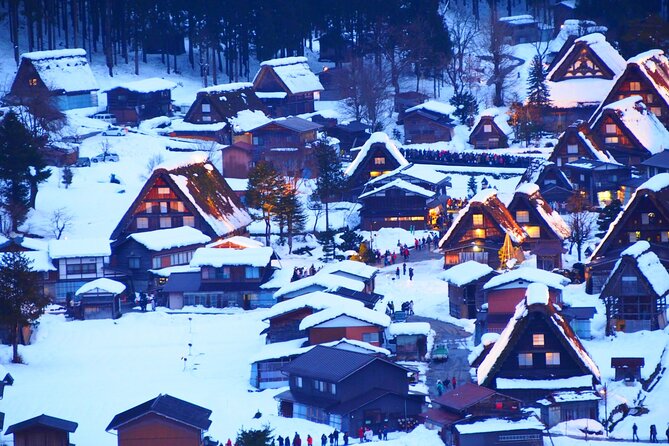
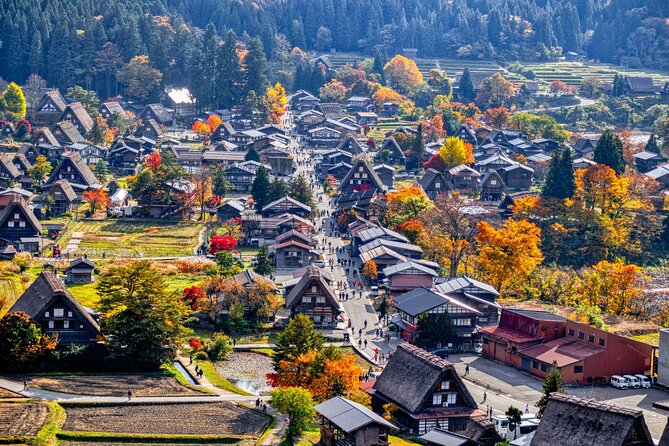
Now for the main event: Shirakawa-go. You get about 1 hour 30 minutes here, which means you’ll be walking at a steady pace, hitting the key village areas, and taking photos between moments.
Start with the old gassho-zukuri (thatched-roof) houses scattered around rice paddies. This is the part that feels unmistakably different from city Japan: you’re in a mountain village setting with a slower tempo, and the architecture is the headline. Plan your walking like you’re trying to see both the village lanes and a couple of view angles—if you only chase photos, you’ll miss the village feel; if you only wander, you might feel rushed on the best photo spots.
A few standout stops built into the time here:
- Encounter Bridge: It’s narrow and can feel a little swaying. If you’re okay with heights and quick photos, this is fun. If you’re not, just take it slow and keep your eyes on your footing.
- Observation deck views: You can reach a countryside view overlooking forest-covered hills, rice fields, and village farms. There’s a shuttle bus option costing 300 yen one way, and there’s also a 10-minute walk alternative if you’d rather keep it simple.
- Sericulture history: You’ll have a chance to learn about raising silkworms in Shirakawa-go. This is valuable because it explains why the village developed the way it did, not just what it looks like.
- Preserved gassho-style area: You’ll visit a section with wooden houses from the late 19th century. Think of it as a walk through a preserved way of living.
- A shrine stop: There’s time to visit a shrine that feels connected to the village’s spiritual life, not just a photo stop.
How crowded will it feel? You should assume you’ll run into lines at popular spots—especially around the most photographed viewpoints and busier walk-through sections. The best strategy is to keep your camera ready but not glued to it. Walk first, stop second, and you’ll get better photos with less frustration.
The winter reality check: snow closures and the Gujo Hachiman backup
This tour includes a winter travel note that you should take seriously. Snowfall can occasionally lead to road closures to Shirakawa-go. If that happens, the plan is to switch to a substitute journey that brings you to Gujo Hachiman, often described as the Little Kyoto of Gifu.
Even without seeing the original plan, the logic here is solid: you’re still getting a classic historic town atmosphere, and you’re not just getting canceled and refunded with no sightseeing time. If you’re traveling in winter, I’d treat warm clothes and rain gear as non-negotiable, because road conditions and weather can change the pace of the day.
Also note the general schedule can shift when traffic is heavy due to holidays or adverse weather. If the day has to be reworked, planned attractions may be reduced, and refunds are not part of that adjustment.
Bus logistics that matter: timing, meeting points, and luggage rules
This is a bus tour, so logistics decide whether you enjoy it or spend half the morning hunting for the right curb. You meet at the VIPLINER Nagoya bus stop at 20-20 Tsubakichō, Nakamura Ward, Nagoya. Start time is 8:00 am, and the tour asks you to arrive at the meeting point at least 10 minutes early—the bus will not wait for late arrivals.
It ends back in Nagoya at Nagoya Station (Meieki area). During the day, the bus does its job, but you should assume you’ll be managing your own timing on walking stretches. When stops happen, you’re exploring on your own within the scheduled windows.
Luggage is another detail worth planning for. You’re allowed one piece of luggage per person stored in the trunk, with a maximum combined dimension guideline of 155 cm (height + width + depth). And you should know items stored in the trunk won’t be accessible between stops, so keep valuables with you.
Finally, check language expectations. The tour includes English or Chinese-speaking commentary and a conductor. The format may change on days with fewer participants, where English and Chinese commentary might be given on the same bus, so don’t rely on a miracle if you need constant narration at every second.
Guides and group rhythm: why the narration helps
Even though you explore most stops on your own, the ride time still shapes your day. Good guides help you understand what you’re looking at—architecture, village history, and what to prioritize within limited time.
There’s also a real-world comfort factor to consider: the bus runs with a driver and conductor team, and the tour experience depends on everyone being on schedule. Guides like Bara-san, Liu, Alberto, and Miss Guo have been praised for being punctual, kind, and informative in past departures, which usually translates into fewer awkward moments at pickup and better suggestions once you’re on foot.
I’ll be blunt about what this kind of day trip does well: it gives you structure. It’s not trying to recreate a private tour; it’s designed to get you to the main sights, explain them clearly, and then let you enjoy the walking portion without constant lecturing.
Price and value: is $65.78 a good deal for this day?
At $65.78 per person, the headline price looks budget-friendly for a whole-day bus trip—especially because the cost is tied to round-trip transport and included fees. You’re also getting a guide/conductor with English or Chinese commentary, plus the tour format is set up to cover multiple distant stops from Nagoya without you needing to plan transportation yourself.
The real value comes down to whether you select the optional lunch. If you do, you’re adding a planned Hida beef teppanyaki set (or an Oden set) at Koshiyama. That can be a smart choice because the meal is built into the schedule and reduces the risk of losing sightseeing time to food searches.
One cost reality to keep in mind: lunch in Takayama is explicitly at your own expense, so your day budget should include that unless you only plan to snack and then rely on the Koshiyama meal. Also, optional expenses like the 300 yen shuttle to the observation deck may come up if you prefer not to walk.
If you want the fastest route to the most famous village-with-architecture photos from Nagoya, this tour is priced like a practical way to do it.
Tips to make this day trip actually feel enjoyable
A few small moves can make a big difference on a packed day like this:
- Wear shoes with grip. Shirakawa-go walking can get slippery in winter or rain.
- Bring a compact rain layer even in dry forecasts. One rainy hour can change how fast you move.
- If you’re picking the observation deck shuttle, decide early. The 300 yen option can save energy when you’re already tired from the village walk.
- Keep your valuables with you. Trunk luggage won’t be reachable between stops.
- Don’t show up late to the meeting point. The bus won’t wait, and that’s when stress kills your day.
- If you’re picky about narration language, check what commentary format is being offered for your departure day and keep your expectations flexible.
Should you book this tour?
Book it if you want a high-impact day with real highlights: Takayama’s old-town feel, Shirakawa-go’s gassho-roof village, and an optional meal built around Hida beef. It’s also a good fit if you’d rather let someone handle the transport and timing from Nagoya.
Skip it (or reconsider the lunch plan) if you hate tight schedules. With about 1.5 hours in both Takayama and Shirakawa-go, you’ll be moving. If rain or weather slows walking, it can feel like the day got even shorter.
If you’re flexible, pack for cold and wet, and show up early, you’ll get a satisfying taste of Gifu’s most famous rural experience without the stress of planning intercity transport.
FAQ
How long is the Shirakawago & Takayama bus tour from Nagoya?
The tour runs about 9 to 10 hours, starting at 8:00 am and ending back in Nagoya at Nagoya Station.
Where do I meet the bus?
You meet at the VIPLINER Nagoya bus stop (20-20 Tsubakichō, Nakamura Ward, Nagoya). The bus will stop near Nagoya Station.
Do I need to bring anything for weather?
Yes. The tour notes that it requires good weather, and snowfall can occasionally cause road closures in winter. Bring warm clothes and rain gear, since rain can affect how comfortable the walking feels.
What are the main stops on the itinerary?
You visit Takayama, Koshiyama for lunch (if you choose that option), and Shirakawa-go. There are also multiple Shirakawa-go sites during the village time, including gassho-style areas and viewpoints.
Is lunch included?
Lunch is included only if you select the optional lunch plan. The Koshiyama lunch option features a teppanyaki set with Hida beef, or an Oden set instead.
What happens in winter if roads to Shirakawa-go are closed?
If snowfall or conditions close roads to Shirakawa-go, the tour switches to a substitute route visiting Gujo Hachiman, sometimes called the Little Kyoto of Gifu.
How much luggage can I bring?
You can bring one piece of luggage per person stored in the trunk, with a maximum combined dimension guideline of 155 cm (height + width + depth). Trunk items can’t be accessed between stops, so keep valuables with you.
Is the tour guided?
You get an English or Chinese-speaking conductor and commentary. At times, English and Chinese commentary might be provided on the same bus depending on the number of participants.
What is the cancellation policy?
You can cancel for free up to 24 hours in advance for a full refund. If you cancel less than 24 hours before the start time, the amount paid isn’t refunded.