REVIEW · ROME
Ostia Antica Guided Tour Including the Ancient Theater and Baths
Book on Viator →Operated by Vatican Private Tour Guide · Bookable on Viator
A quieter Rome awaits at Ostia Antica. I like the fact it feels less crowded than the main-ticket ruins and you still get a serious, story-driven visit. I also love the setup: a private historian guide, plus art-historian style context, so the stones make sense fast. One catch: you cover about 2 km on site, so wear real walking shoes and expect uneven ground.
This is a 3-hour private tour from the meeting point in Lido di Ostia (Viale dei Romagnoli), and it ends back there. With a mobile ticket and admission handled, you can focus on the ruins instead of juggling logistics. You’ll get guaranteed skip-the-long-lines entry and a guide who points out what most people miss when they wander on their own.
You’re stepping into the ancient port city of Ostia, where the town’s layout grew from early military planning—tufa walls, main streets called the Cardus and Decumanus, and a name tied to the mouth of the Tiber. If you like clear explanations and a quick route through major highlights, this format works well.
In This Review
- Key things I’d prioritize on this Ostia Antica tour
- Why Ostia Antica Feels Like the Roman Side Trip You’ll Remember
- Price and What You Actually Get for $311.40 Per Person
- Meeting at Viale dei Romagnoli: Start Clean, Not Frazzled
- Parco Archeologico di Ostia Antica: Streets Built for Movement
- The Ancient Theater: Where the City Gathered
- The Baths: Reading Daily Life in Stone and Plan
- How the 3-Hour Timeline Keeps You Focused (Not Rushed)
- Who This Tour Suits Best
- Booking Checklist: Small Choices That Make the Day Better
- Should You Book This Ostia Antica Guided Tour?
- FAQ
- How long is the Ostia Antica tour?
- Is admission included?
- Will I skip the long lines?
- How much walking is involved?
- Where does the tour start and end?
- Is transportation included?
Key things I’d prioritize on this Ostia Antica tour
- Skip-the-line entry so you don’t burn your morning standing still
- Private historian + local guide for a tighter pace and better questions
- Ancient theater and baths so you see public life, not just street corners
- A Pompeii-like feel without Pompeii crowds
- About 2 km of walking with breaks, so you can actually enjoy the details
Why Ostia Antica Feels Like the Roman Side Trip You’ll Remember
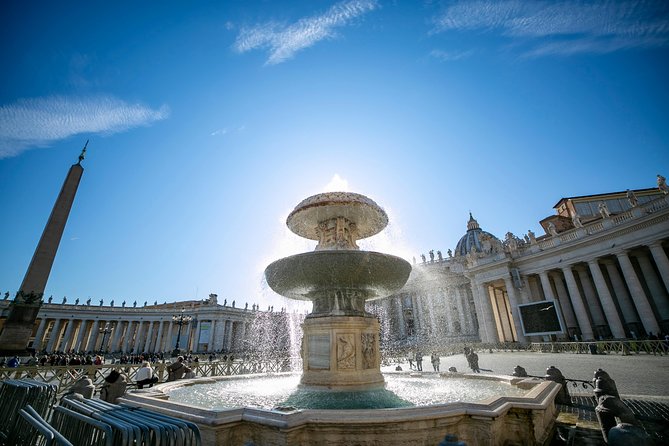
If Rome is a loud playlist, Ostia Antica is the quieter track that lets you hear the lyrics. It’s still unmistakably Roman—stone streets, wall fragments, and architectural skeletons—but it doesn’t overwhelm you the way the most famous sites can. You’re only a short distance from Rome by the standards of Italian travel, yet it feels worlds away in tone.
What I like most is that the site rewards attention. When a guide explains what you’re looking at, you start seeing patterns: where the town pushed movement, where people gathered, and how everyday needs shaped the buildings. That matters at Ostia because it’s not just ruins laid out randomly. You’re walking through an ancient port city that served Rome, shaped by both military and civilian life over time.
You also get a practical win: a structured route. Without that structure, it’s easy to drift and then realize you missed the major zones. Here, the emphasis is on high-value stops like the theater and the baths, so your time turns into understanding rather than just photos.
You can also read our reviews of more tours and experiences in Rome.

Price and What You Actually Get for $311.40 Per Person

At $311.40 per person for about 3 hours, this isn’t a budget outing. But it is priced like a private specialist experience: a guide component, skip-the-line access, and included taxes and admission. That’s the part you should weigh.
Here’s the value math I use when deciding on private tours in Rome-area sites:
- If you hate waiting, skip-the-line can quickly justify the cost—especially in high season when lines can eat up your energy.
- If you want a guided explanation, you’re paying for interpretation, not just entry. With a historian-style guide and a local guide working together, you’re likely to leave with clearer context about how Ostia functioned.
- If you’re coming as a small group, the private format can feel more reasonable because you’re not buying a one-size-fits-all experience.
The one limitation to keep in mind is that the price includes what happens at the ruins, not getting there. Private transportation isn’t included, so you’ll need to handle your own route to the meeting point in Lido di Ostia.
Meeting at Viale dei Romagnoli: Start Clean, Not Frazzled

The tour starts at Viale dei Romagnoli, Lido di Ostia RM, Italy, and it ends back at the meeting point. That round-trip setup is simple and helpful—no awkward end-of-tour transfers or extra planning.
I also like that the meeting area is described as near public transportation. If you’re traveling without a car, that reduces one more headache. The tour also uses a mobile ticket, which is a small detail, but it matters when you’re trying to keep your day organized on Italian time.
One practical note: because it’s a private tour for your group only, you should expect a more tailored pace. That’s great when you want to ask questions or pause to rest, but you still need to show up ready to walk the route. Comfortable shoes are not optional here.
Parco Archeologico di Ostia Antica: Streets Built for Movement
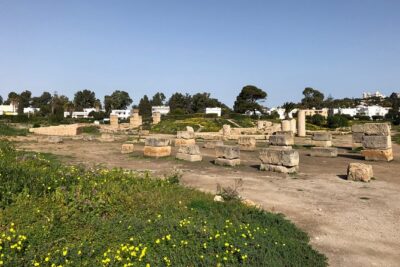
Your first stop is the Parco Archeologico di Ostia Antica, where you’ll walk through the core of the ancient site. Ostia often gets compared to Pompeii, but what I find useful is this: Pompeii is famous for a specific moment frozen in time, while Ostia gives you more of a sense of a working town—organized, connected, and built for real traffic.
The guide focus here helps you make sense of the layout. You’ll hear how the original settlement and its later expansion trace back to around the early 4th century B.C., and how a more sustained post (castrum) was assembled toward the later part of that century. The castrum was surrounded by tufa dividers and structured around major streets named the Cardus and the Decumanus.
Those names matter because they’re not trivia. They’re a map. Once you understand what the Cardus and Decumanus represent in a Roman plan, the town’s remains start to look less like scattered walls and more like a grid created for movement, control, and daily flow. That kind of explanation turns a walk into a story you can track.
What can be challenging: ruins are uneven and exposed. So even though you get breaks to sit and take in the site, you’ll still need to handle ground-level walking. It’s manageable, just don’t plan to wear thin-soled sneakers.
The Ancient Theater: Where the City Gathered

The tour includes the ancient theater, and it’s one of the best places to start understanding Ostia as a living community. Even when the structure is broken, theater design still tells you how people organized social time. You can often picture the sound, the sightlines, and the energy of a crowd even if you’re staring at fragments.
I like the theater stop because it shifts the conversation. Rome’s ruins can lean “palace and power” in people’s minds. A theater puts the lens on public life—gathering, performance, and civic culture. When a guide ties the theater to how the town worked, it helps you connect the dots between a street grid and where people actually went for entertainment.
One more thing the guide can do well in this kind of stop: explain what you can see now versus what you’re imagining. With an art-historian-style approach, you’ll usually get help reading materials, shapes, and placement rather than just hearing dates. That’s a big reason a guided visit pays off here.
If you’re someone who likes architecture, this is usually the part where you stop thinking of ruins as background and start using them like clues.



The Baths: Reading Daily Life in Stone and Plan

The baths are included, and I’d call that the smart choice for anyone who wants more than monuments. Bath complexes show how routine mattered. They’re practical buildings: space planned for movement, temperature changes, and social interaction.
Even without detailed technical specifics handed to you on a plate, a guide can point out how bath areas are organized and what the layout suggests about daily behavior. You’ll likely notice how different sections relate to each other—how people moved through zones, how the building controlled flow, and how the design served everyday needs.
What makes this stop valuable is contrast. The theater is about gatherings and performance. The baths are about repeated use—normal life, not occasional spectacle. Together, they help you understand Ostia as a place with rhythm, not just a collection of stone shells.
Potential drawback: if you expect the baths to be fully intact in the way a museum room is intact, you may feel a bit of disappointment. But that expectation usually doesn’t hold up at any large archaeological site. The better mindset is to treat each surviving segment as a clue, and then let your guide help you interpret the pattern.
How the 3-Hour Timeline Keeps You Focused (Not Rushed)
This tour runs about 3 hours and includes admissions. It’s designed to cover major highlights without turning your day into a marathon. You’ll also have breaks to sit and enjoy the site, which is important at an outdoor ruin park where the best details are often at eye level, not while you’re speed-walking.
You’ll be doing about 2 km of walking. For some people, that sounds small. For archaeological sites, it can feel longer because the route includes uneven surfaces and the stops are spread out. Still, the structure helps: you’re not wandering aimlessly, and the guide’s pacing reduces the chance you’ll miss key areas while you chase views.
The private format also changes how time feels. In a larger group, you might lose time waiting or being forced to move on before you’re ready. Here, the guide can slow down for questions and speed up when you’re comfortable—within reason, of course.
Who This Tour Suits Best
This is a strong fit if you fall into any of these categories:
- You like history, but you want it explained in a way that connects to what you’re seeing
- You want the theater and baths specifically, not just a general stroll
- You prefer a private experience where your questions shape the walk
- You’d rather spend 3 hours well than chase ruins independently and miss the best parts
It’s also a good choice if you want to avoid big crowds. Ostia Antica is described as generally less crowded than Rome’s main ruins, and that’s exactly what you want if you’re tired of squeeze-and-shuffle sightseeing.
If you’re traveling with kids, note that children must be accompanied by an adult, and the tour is set up so most people can participate. The walking distance is the main physical factor to plan for.
Booking Checklist: Small Choices That Make the Day Better
Before you book, I’d line up a few practical details so you start stress-free:
- Wear comfortable shoes since you’re walking about 2 km on-site
- Plan your own way to the meeting point in Lido di Ostia because private transportation isn’t included
- Treat the day like a guided walk, not a self-guided free-for-all
- If weather is iffy, have an extra layer ready since ruins are exposed
Also, the tour uses a mobile ticket, and confirmation comes at booking. If you’re the type who likes flexibility, the experience allows free cancellation up to 24 hours in advance, which can be helpful when plans depend on train timing or weather.
If the minimum number of travelers isn’t met, you may be offered another date/experience or a full refund. That’s not unusual, but it’s good to remember if you’re traveling on a tight schedule.
Should You Book This Ostia Antica Guided Tour?
I’d book it if your goal is clear: see the ancient theater and baths, learn how Ostia was organized, and do it with a guide who helps you read the site instead of just walking through it. The private setup, admission included, and skip-the-line promise are all practical reasons. You’re paying for time saved and understanding gained.
I wouldn’t book it if you’re hoping for a mostly effortless, minimal-walking outing or if you only want sweeping views and don’t care about explanation. The value here depends on you being willing to walk, look closely, and use the guide.
If you’re trying to experience a calmer side of Roman ruins without skipping the big highlights, this one fits the bill.
FAQ
How long is the Ostia Antica tour?
It runs for about 3 hours.
Is admission included?
Yes. The admission ticket is included with the tour.
Will I skip the long lines?
Yes, the tour includes guaranteed skip-the-long-lines entry.
How much walking is involved?
Plan for about 2 km of walking, with breaks to sit and enjoy the site.
Where does the tour start and end?
It starts at Viale dei Romagnoli, Lido di Ostia RM, Italy, and ends back at the same meeting point.
Is transportation included?
No, private transportation isn’t included. You’ll need to make your own way to the meeting point.