REVIEW · SYRACUSE
Syracuse: Traditional Cooking Class & Ancient Market Visit
Book on GetYourGuide →Operated by Empeeria · Bookable on GetYourGuide
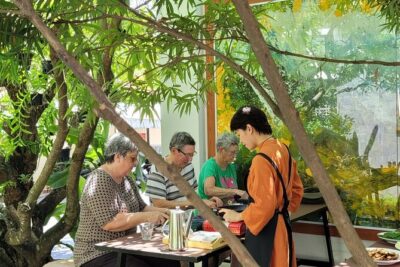
Ortigia smells like lunch waiting to happen. This Syracuse experience pairs a guided walk through the ancient market with a real hands-on cooking session, then ends with the lunch you helped make. It’s the kind of tour where food is the main event, not a side quest.
I especially love the chef-led market shopping where you taste and choose ingredients based on what’s fresh. I also love that you actually cook—pastas, sauces, and classic Sicilian dishes—so lunch feels earned. The main drawback to consider is that the Ortygia Market is closed on Sundays, so on those days the chef adapts and you’ll still buy local ingredients via a different street route.
In This Review
- Key takeaways before you go
- Ortygia Market in Syracuse: Where Shopping Turns Into Cooking Lessons
- Piazza Pancali Meeting Point and Getting to the Kitchen Without Stress
- Picking the Ingredients: How the Chef Guides You Through Sicilian Choices
- Cooking Sicilian Classics: Hands-On Pasta, Sauces, and Seafood Skills
- What you might cook (and why it’s memorable)
- The teaching style: practical, not performative
- Lunch You Made: Eating Sicilian Food Right After Cooking
- Price and Value: Why This Costs More Than a Generic Cooking Demo
- Who This Syracuse Class Is For (and Who Should Rethink It)
- Quick Practical Tips for a Smooth Day
- Should You Book This Syracuse Cooking Class?
- FAQ
- Where is the meeting point?
- How long is the cooking class and market visit?
- Is the Ortygia Market included?
- What happens if the Ortygia Market is closed?
- How big is the group?
- What’s included in the price?
- Is lunch included, and what about drinks?
- Are there any booking or cancellation perks?
- What languages are used during the experience?
Key takeaways before you go
- Ortygia Street Market first: ingredient shopping is part of the class, not a pre-show
- Small group (up to 8): more hands-on instruction and less watching from the sidelines
- Chef chooses with you: the menu shifts based on what looks best and what you like
- Real cooking work: from fresh pasta to sauces and seafood dishes
- Sunday adjustment: the market visit isn’t possible, but you’ll still shop locally with the chef
- Lunch is included: you eat what you cook, right after cooking
Ortygia Market in Syracuse: Where Shopping Turns Into Cooking Lessons
This tour starts in Syracuse with the Ortygia Street Market as the heart of the day. You’ll walk among stalls on the Ortigia island, and it’s exactly what you want a food market to be: loud, colorful, and full of the kind of smells that make it hard to think about anything except lunch.
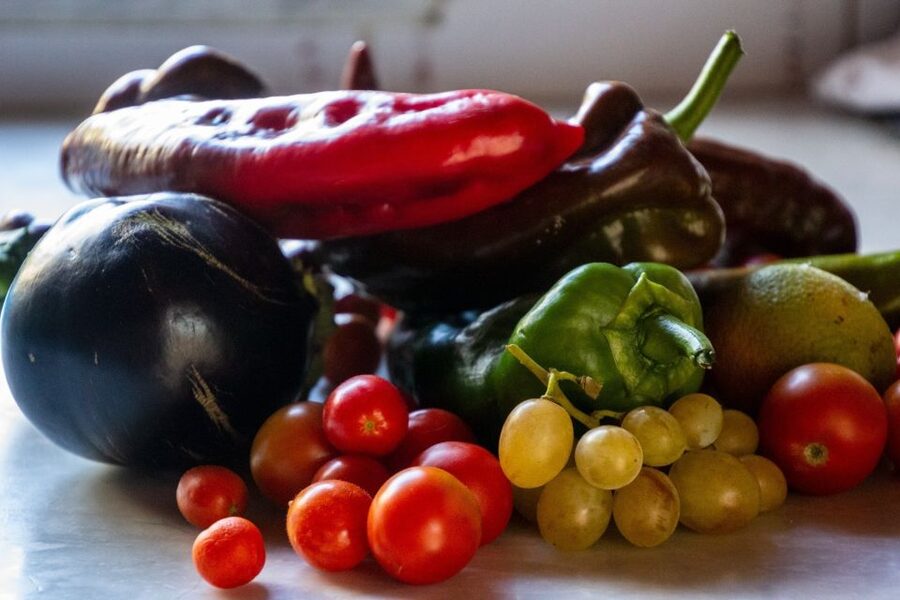
The best part is the way your chef (and market guide) leads you through decisions. You’re not just following rules like buy tomatoes because tomatoes are good. You get help spotting freshness—especially for seafood and produce—and you’ll often get quick tastings as ingredients are chosen. In many sessions, chefs like Ettore are known for chatting with vendors and pointing out what’s really worth buying that day.
And yes, you’ll hear vendor calls and see stalls compete for attention. That’s not a distraction; it’s part of the point. Market energy is where Sicilian cooking starts, because recipes are built around ingredients you can actually get that morning.
If you like a tour that teaches you how to think like a cook (what to pick, what to combine, how to avoid bland choices), this is a strong match. The market walk sets up your cooking later so you cook with confidence instead of fearfully copying steps.
Piazza Pancali Meeting Point and Getting to the Kitchen Without Stress
You meet at Piazza Pancali n°24, Bar Cristina. It’s a straightforward start, but Bar Cristina can be busy. So I’d treat this like any good food stop: arrive a touch early, scan for the group, and keep an eye out for your host/greeter.
The tour is described as being guided in Italian and English, and the host or greeter is there for your group. With a small team (limited to 8 participants), you’re less likely to feel lost in translation, and more likely to get personal attention while you’re picking ingredients.
After the market, transfers may be arranged from the market to the cooking class kitchen if needed. That matters because the goal here is time for cooking, not time lost crossing the island. You end back at the meeting point, so the day has a clean loop instead of turning into a scavenger hunt.
Picking the Ingredients: How the Chef Guides You Through Sicilian Choices
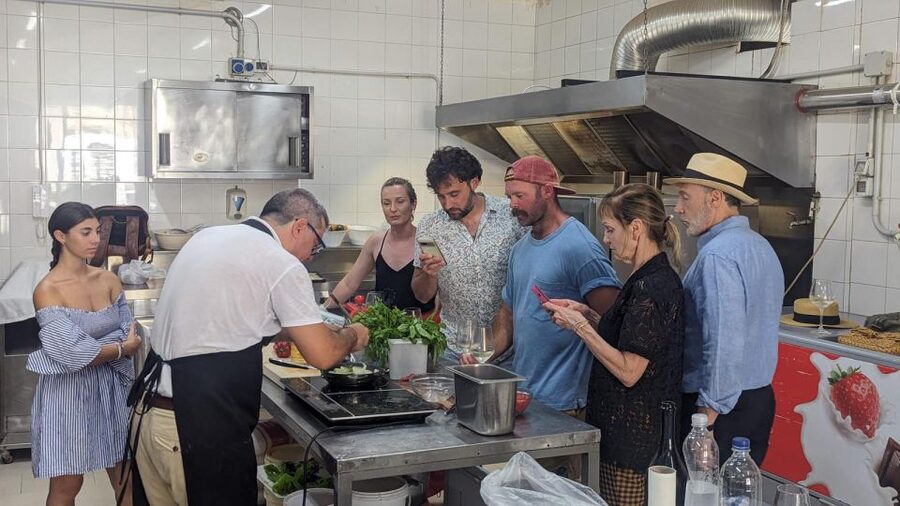
When I’ve done market-centered experiences like this, the difference between a good day and a great day is whether you leave with choices that make sense. Here, your chef guides you through Ortigia with a clear logic: buy what will taste best, then build your menu around it.
Expect discussion around:
- what’s freshest (especially seafood)
- what’s in season
- which flavors fit together
- how to use key ingredients in sauces, not just as toppings
A lot of Sicilian cooking is about making depth. That’s why you may see your chef encouraging you to pick ingredients like citrus, olives, herbs, and peppers—flavor builders that don’t just add taste, they create the backbone of a dish.
The menu can also adapt to you. One of the strongest signals from past groups is how flexible chefs can be if you have preferences (like leaning away from fish-heavy plates). That makes the class feel less like a fixed script and more like a lesson with your palate in the room.
One more practical note: the Ortygia Market is closed on Sunday. If that happens on your date, the chef will guide you through the streets of the island to purchase local products anyway. So you’re not left out of the ingredient stage—you just get a different route to reach it.
Cooking Sicilian Classics: Hands-On Pasta, Sauces, and Seafood Skills
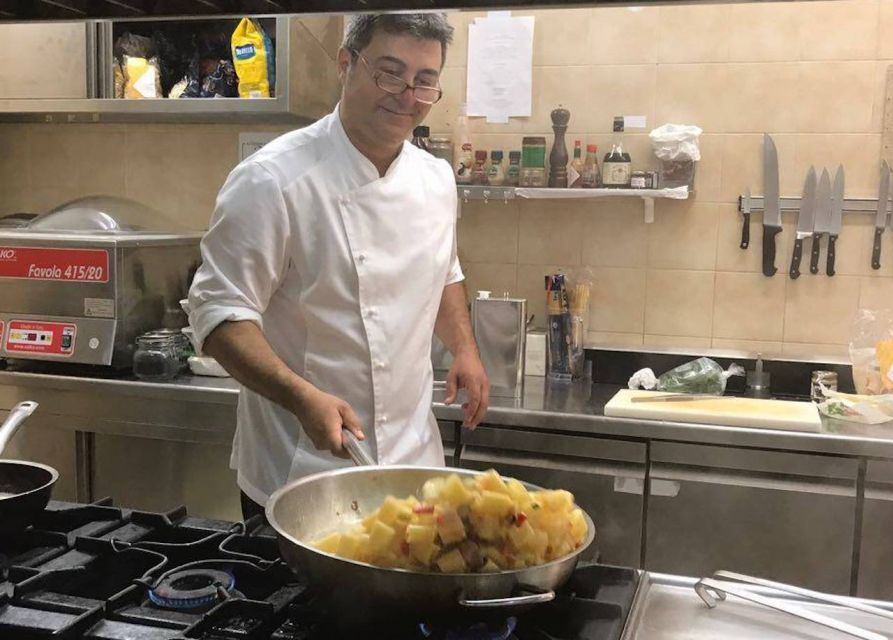
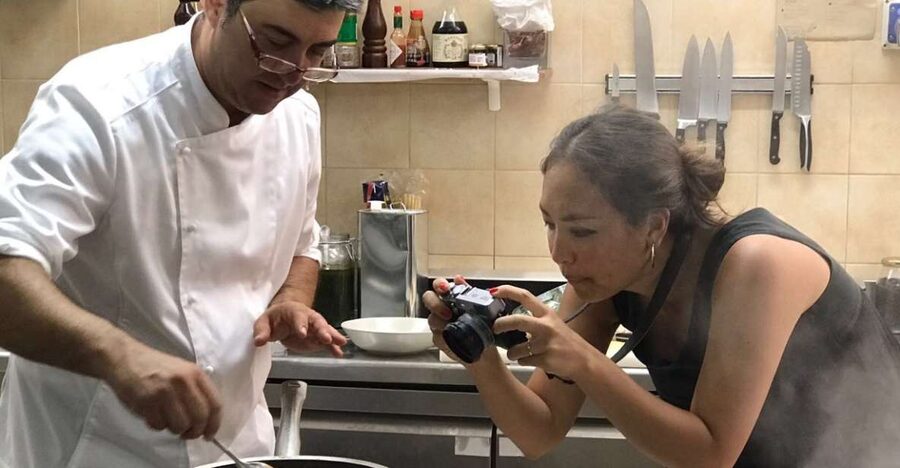
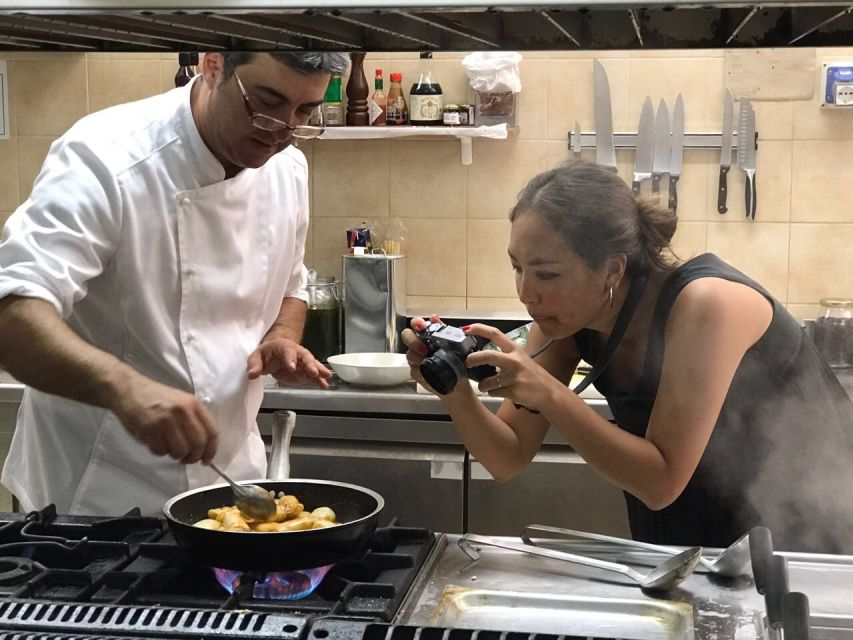
Once you arrive at the cooking kitchen, the whole day shifts from shopping mode to work mode—in the best way. You don’t just stand there and watch. You help prepare typical dishes of Sicilian tradition with your chef.
This is where you’ll feel the value of a small group. With up to 8 people, you can actually participate. Someone’s rolling pasta dough. Someone’s prepping ingredients. Someone’s learning how sauces get built. Even if you only have basic cooking skills, the chef’s job is to keep you moving and make the steps clear.
What you might cook (and why it’s memorable)
Menus can vary based on market finds and preferences, but you can expect Sicilian classics with a strong emphasis on pasta and seafood. Dishes that have shown up in real past sessions include:
- Fresh pasta techniques, including fast methods for making dough and shaping it
- Sauces where flavor comes from smart base-building, like using shrimp shells with olive oil to create a richer sauce foundation
- Seafood pasta combinations, such as pasta with shrimp, calamari, mussels, and other island flavors
- Tuna preparations built with Mediterranean staples like peppers, onion, olives, garlic, and tomatoes
- Sicilian sweets such as cannoli and fruit-based desserts like Macedonia (fruit salad)
Some groups also mention a wood-fired oven experience (including pizza prepared with the oven). Others highlight an approach that feels like learning from a professional kitchen rather than a demo stage—more practical, more direct, and more focused on how to actually make the food taste right.
The teaching style: practical, not performative
The chef energy matters. In groups led by chefs such as Enzo (and also Ettore in other sessions), the vibe tends to be warm and teaching-focused: quick tips, direct explanations, and a lot of hands-on guidance while you cook.
If you enjoy cooking, you’ll like that the lesson isn’t only about finishing a meal. It’s about understanding how to build flavor—what to sauté first, what to simmer, and why certain ingredients show up again and again in Sicilian kitchens.
And if you don’t cook much at home, you’ll still get a win. The best moments are the ones where you realize a sauce isn’t magic. It’s steps. It’s timing. It’s using the right ingredients in the right order.
Lunch You Made: Eating Sicilian Food Right After Cooking
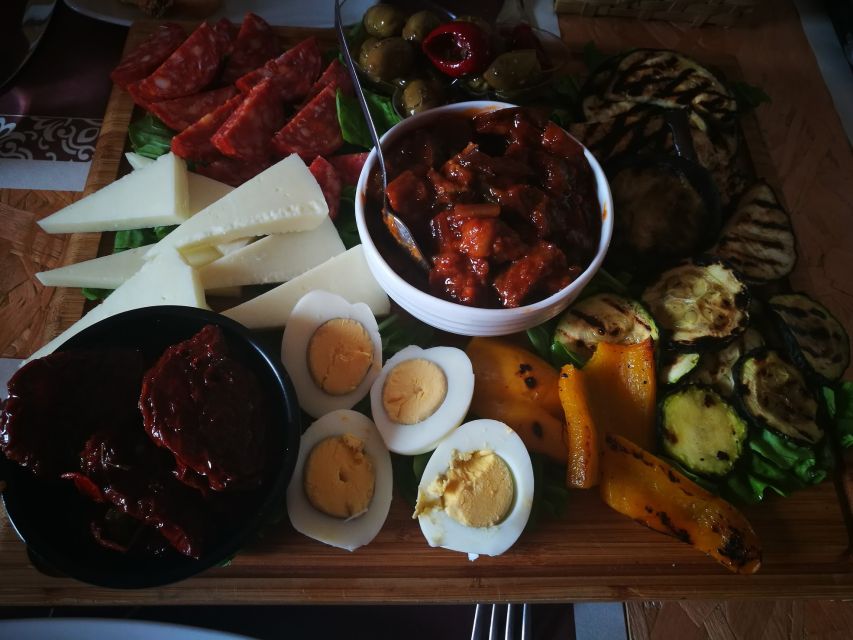
Lunch is included, and it’s served as the natural finish to your work. You’ll eat what you prepared, which turns the meal into a feedback session. You can taste your decisions: the ingredient quality you picked at the market, the sauce balance you built in the kitchen, and the pasta texture you learned to create.
This is also why the market shopping matters. If you pick ingredients thoughtfully with the chef, lunch doesn’t taste like a generic cooking class meal. It tastes like that day in Syracuse—Sicilian flavors tied to what looked best that morning.
One note on drinks: the info provided says food and drinks aren’t listed in a specific menu way, and that drinks are organized by the local chef. So if you want to know what’s included for beverages, ask ahead when you book. You can usually figure it out quickly, but don’t assume every glass of wine or liqueur is automatically included.
Still, even without guessing on drinks, lunch itself is a real part of the package. You’re not paying for watching and then going off to find your own meal. You get the full loop: buy, cook, eat.
Also, if you like to save leftovers, you may be able to take some away, depending on how your group finishes up and the chef’s process.
Price and Value: Why This Costs More Than a Generic Cooking Demo
The price listed is $134.81 per person for about 4 hours. That’s not cheap—but it’s also not priced like a quick tourist show. You’re paying for a guided market visit, a small-group cooking class, and lunch, plus possible transfer between the market and kitchen.
Here’s where the value really shows:
- Market shopping is included, so you get ingredient context before you cook
- The group size is capped at 8, which helps you participate instead of just observing
- You eat what you make, so you’re not paying for effort only to be disappointed at the end
- Your menu can flex based on what you like and what the market has that day
Some chefs in this experience have been described as bringing high-level restaurant experience (including accounts of work in Michelin-level kitchens). That doesn’t guarantee every minute will be perfect, but it does explain why instruction quality tends to be strong—especially around pasta and sauce-making.
If you’ve ever taken a cooking class that’s mostly prepped for you, this one feels different. The market selection stage makes it feel grounded. And the hands-on cooking makes it stick.
Who This Syracuse Class Is For (and Who Should Rethink It)
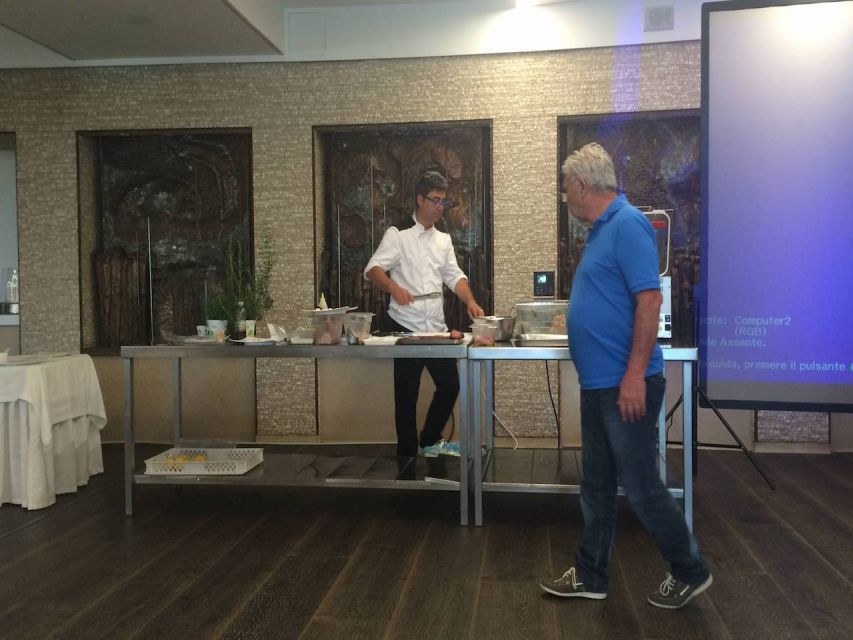
This experience is a great fit if you:
- want to learn Sicilian cooking through ingredients, not just recipes
- enjoy hands-on cooking rather than watching
- like seafood or Mediterranean flavors, but still appreciate that chefs can tailor to preferences
- prefer small-group tours where you talk with the chef and get direct help
It’s less ideal if you:
- want a quiet, sit-and-sip class (the day includes market walking and kitchen prep)
- are expecting a museum-style guided tour with major monument stops (this is food-focused)
- are very sensitive to market-level noise and crowd energy
On Sundays, remember the Ortygia Market can’t be visited. The chef will still guide you to buy local products, but the exact market atmosphere may differ on that day.
Quick Practical Tips for a Smooth Day
Because the class mixes market walking and kitchen work, plan for comfort. Wear shoes you don’t mind getting worn out by uneven pavement and busy market lanes.
If you have preferences—especially about seafood—speak up early when you start choosing ingredients. The menu is designed to adapt, and your chef can work with what you like once the ingredients are in your basket.
Finally, at the meeting point (Bar Cristina on Piazza Pancali), give yourself a few minutes buffer. Bar Cristina is a busy place, and you want to catch the right moment when your host is ready to start.
Should You Book This Syracuse Cooking Class?

Yes, if your idea of a great day in Syracuse is: see the market, pick real ingredients, cook them with a chef, then eat immediately. The small-group size and the market-first approach make this feel more authentic and more educational than typical cooking classes.
If you’re visiting on a Sunday, don’t assume you’ll have the exact same Ortigia market walk—but the chef will still guide you to buy local products and keep the cooking portion of the day on track. That flexibility is a big plus.
If you want to experience Sicily through food you can taste and recreate later, this is a smart use of your time. Book it.
FAQ
Where is the meeting point?
The chef will be waiting for you in Piazza Pancali, Syracusa at Bar Cristina (Piazza Pancali n° 24).
How long is the cooking class and market visit?
The experience lasts 4 hours. Starting times vary, so check availability when booking.
Is the Ortygia Market included?
Yes. You get a guided visit of the Ortygia Street Market on days when it can be visited.
What happens if the Ortygia Market is closed?
Ortygia Market is closed on Sunday. If it cannot be visited, the chef will guide you through the streets of the island to purchase local products instead.
How big is the group?
It’s a small group limited to 8 participants.
What’s included in the price?
Included are the guided visit of the Ortygia Street Market, a local chef, the cooking class, lunch, and transfers from the market to the cooking class kitchen if needed.
Is lunch included, and what about drinks?
Lunch is included as part of the experience. Food and drinks aren’t listed as included as a fixed menu item, since they are organized by the local chef—so confirm specifics if you care about beverages.
Are there any booking or cancellation perks?
There is free cancellation up to 24 hours in advance for a full refund, and you can reserve now and pay later to keep your plans flexible.
What languages are used during the experience?
The host or greeter speaks Italian and English.