REVIEW · TOKYO
Asakusa: Kitchen knife store visits after history tour
Book on GetYourGuide →Operated by Arumachi, Inc. · Bookable on GetYourGuide
A knife shop is usually a detour. Here it is the point, after a fast, well-paced walk through Asakusa’s most famous sights. You start near Asakusa Station, build context with a guide, then end at Kappabashi Street, where multiple stores specialize in Japanese kitchen knives.
I especially like the expert guidance during shopping. You get candid, practical feedback as you listen to store clerks, which helps you avoid the usual confusion when you only catch half the conversation.
One thing to consider: there’s no hotel pickup, and the tour runs rain or shine with lots of walking. If you prefer lots of rest breaks or a ride from your hotel, plan accordingly.
In This Review
- Key things to know before you go
- Where the tour fits: Asakusa first, knife shopping second
- Meeting at Burger King and setting the pace
- Step-by-step itinerary: what each stop is really for
- Starting point: Burger King Asakusa Azumabashi
- Tokyo Cruise Asakusa Pier (brief orientation walk)
- Asakusa Culture Tourist Information Center (context stop)
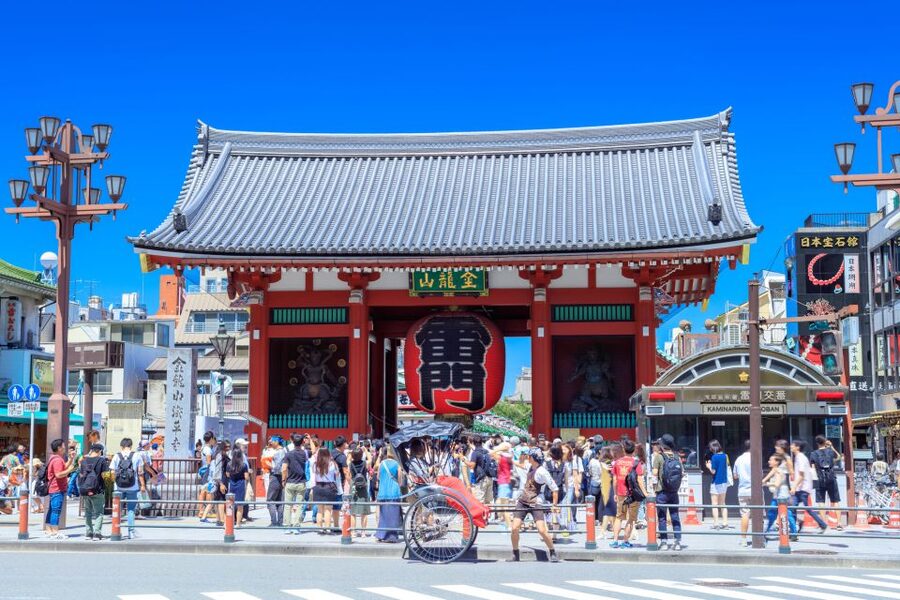
- Kaminarimon (the iconic gate moment)
- Nakamise Shopping Street (30 minutes of old-school shopping lanes)
- Hōzōmon Gate (a classic threshold)
- Sensō-ji Temple (Tokyo’s oldest temple site)
- Kappabashi Street (the one-hour knife-focused payoff)
- Knife-shopping strategy: how to use the hour well
- Snacks and the small-group feel that keeps things comfortable
- Price and value: is $77 actually fair?
- Who this tour suits best
- Should you book the Asakusa knife-store tour?
- FAQ
- FAQ
- How long is the tour?
- How much does it cost per person?
- Where do I meet the guide?
- Is the tour in English?
- Is hotel pickup included?
- Do I need to book around the weather?
Key things to know before you go
- Small group (up to 8) keeps the shopping part from feeling chaotic
- English-speaking certified guide helps you connect history to what you’re buying
- Headset system for groups of 3 or more means you can hear instructions at a distance
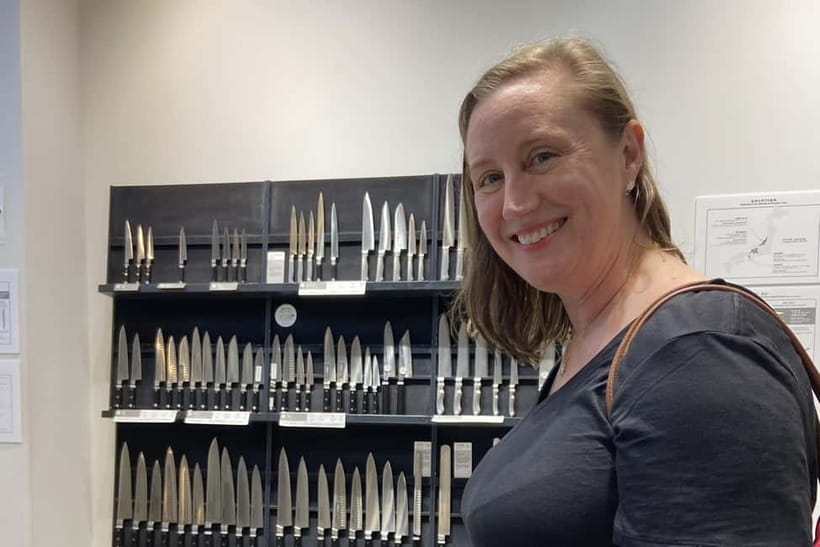
- Kappabashi Street is set up for restaurant-style shopping, with many knife-focused shops nearby
- Senso-ji Temple is included, letting you see Tokyo’s oldest temple site before you shop
- Japanese sweet snacks are part of the tour, so you’re not shopping on an empty stomach
Where the tour fits: Asakusa first, knife shopping second
This is not a random knife-shopping errand. The structure matters. You walk through the classic Asakusa sights with a guide who sets the scene, then you head straight to Kappabashi Street, where dozens of shops cater to people who work in kitchens.
For you, that means less time “figuring it out” and more time making smart choices. I like that the shop visit isn’t left to chance. You get taken to the right area, in the right order, without needing prior research or wandering around side streets.
At $77 per person for about 210 minutes, the price makes sense if you value two things: interpretation (history plus context) and help (a guide who can translate what the stores are selling and what you actually need). If you only want to browse casually, you could do this on your own. But if you want to come home with a knife you picked for the right reasons, the guided format is where the value shows.
You can also read our reviews of more tours and experiences in Tokyo.
Meeting at Burger King and setting the pace
You meet outside a Burger King in Asakusa Azumabashi, right by Exit 4 of Asakusa Station on the Ginza line (G19). It’s a handy landmark—fast to find, and it keeps the start simple if you’re navigating Tokyo transit.
The tour runs about 3.5 hours and moves on foot. That’s long enough to see major sights without it dragging, but short enough that you still have energy for the shopping end. The good news: the shopping time is protected. You’re not spending two hours in the temple area and then racing to the shops.
Since it’s rain or shine, bring a compact umbrella or a light rain layer. You’ll be walking a lot between stops, and the schedule assumes you can keep going.
Step-by-step itinerary: what each stop is really for
Starting point: Burger King Asakusa Azumabashi
This start point might sound basic, but it’s useful. The area is close to the subway, and it keeps the group together right away. You’ll get your bearings fast, then head out as a unit.
If you’re carrying a bag, keep it close during the first walk. Asakusa streets can get crowded, especially near landmark gates and shopping lanes.
Tokyo Cruise Asakusa Pier (brief orientation walk)
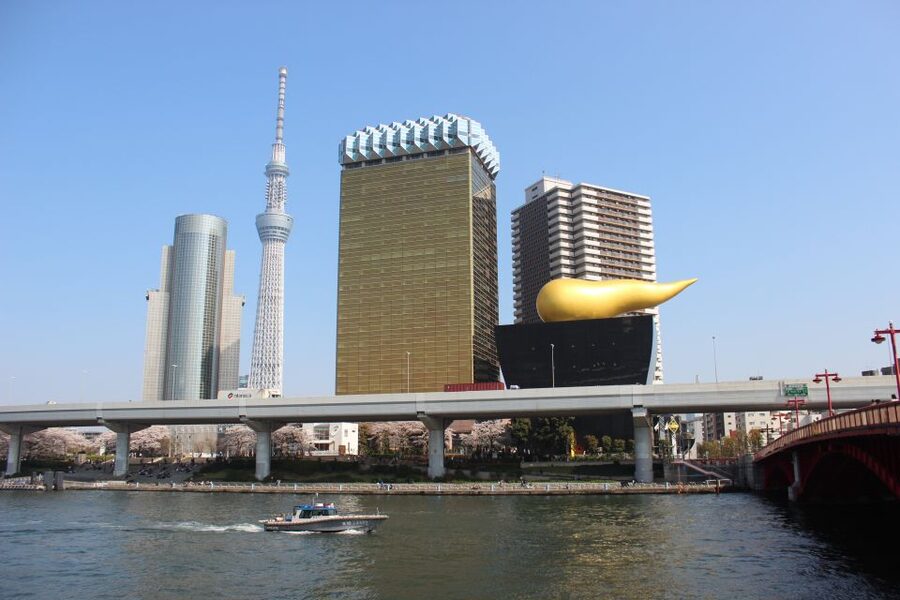
You’ll spend about 15 minutes in the Asakusa Pier area. It’s a quick orientation moment that sets your location in the broader Asakusa waterfront zone and helps you understand why this part of Tokyo became a hub for visitors and commerce.
Even if you don’t plan to do a cruise, this stop gives you a sense of how the neighborhood is laid out before you enter the densest sightseeing lanes.

Asakusa Culture Tourist Information Center (context stop)
Next is another 15-minute guided stop at the Asakusa Culture Tourist Information Center. This is where the guide can frame what you’re about to see in a way that makes the later walk feel logical instead of random.
I like this kind of “setup” because it changes how you notice details. Without context, temple gates and old shopping streets can blur together. With context, you start seeing the pattern: where people enter, what lanes mattered, and why certain streets became the place to buy things.
Kaminarimon (the iconic gate moment)
Then you reach Kaminarimon, also about 15 minutes. This is one of the most recognizable entrance gates in Asakusa, and it’s the kind of stop that works as a photo anchor—but it’s not only for pictures.
What you’ll get here is the guide’s explanation of what you’re looking at and how this gateway fits into the temple approach. It’s a nice point in the route because you’re transitioning from general Asakusa streets into temple grounds.
Nakamise Shopping Street (30 minutes of old-school shopping lanes)
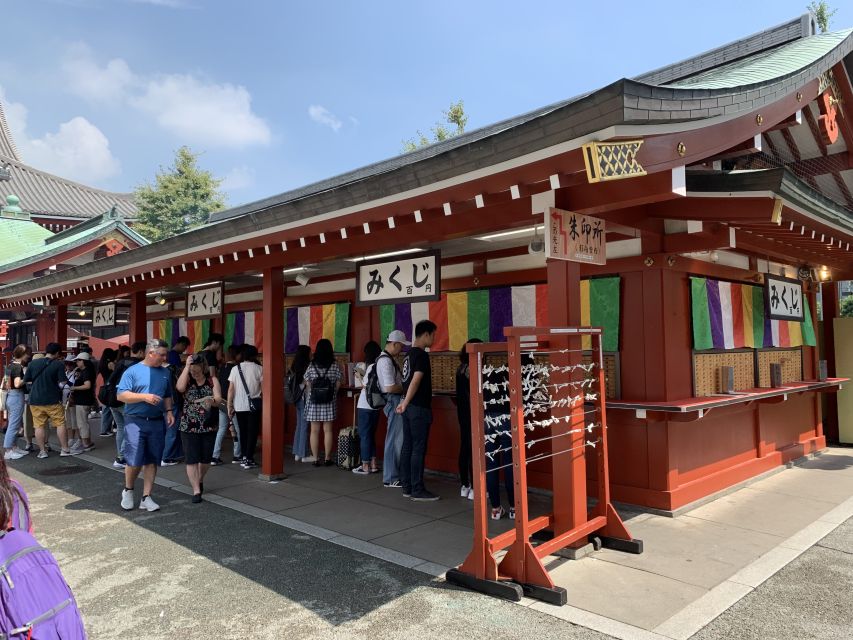
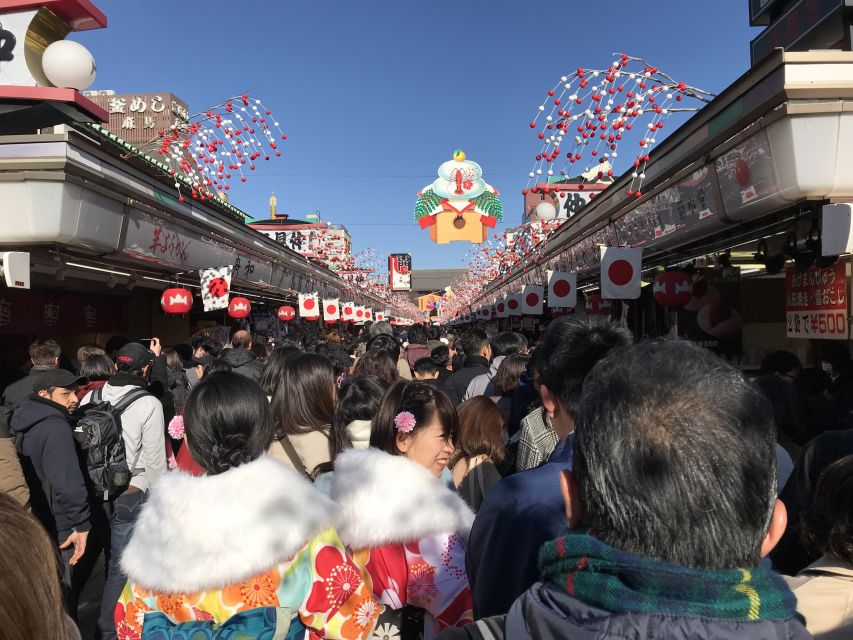
You’ll have about 30 minutes on Nakamise Shopping Street. This is the classic approach lane where you’ll see snack stalls and souvenir shops right near the temple approach.
This stop is important for two reasons. First, it’s part of the experience of arriving at Sensō-ji. Second, you’re learning how the neighborhood sells to visitors—so later, when you hit Kappabashi, you can compare how the market changes based on the buyer’s intent.
If you have a sweet tooth, this is one place you’ll understand the “snack culture” of the area. The tour also includes Japanese sweet snacks, so don’t feel like you need to empty your wallet here.
Hōzōmon Gate (a classic threshold)
Next is Hōzōmon Gate, another 15-minute guided stop. Gates like this are more than architecture; they mark a shift in mood and space as you move deeper toward the main temple area.
This is a good moment to slow down. People often rush through gates because they’re busy taking photos. If you pause here, you’ll appreciate the structure and how the grounds channel foot traffic.
Sensō-ji Temple (Tokyo’s oldest temple site)
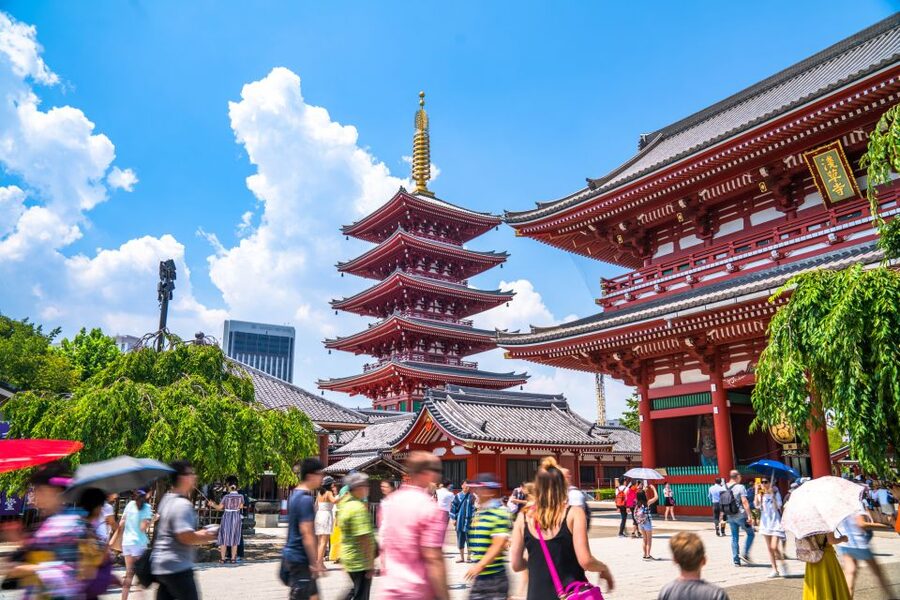
Then comes Sensō-ji Temple, the oldest temple in Tokyo, and you spend time here as the guide walks you through it. This is the centerpiece of the history portion, and it matters that it comes before shopping.
If you’re the type who likes to understand what you’re seeing, you’ll appreciate that the tour doesn’t treat the temple as just a backdrop. The guide ties what you see around you back to the area’s identity, which makes the later knife-shopping portion feel more connected than “shopping with a detour.”
Sensō-ji can get crowded. The guide’s job in a crowd is to keep the group moving at a steady pace and to make sure you don’t miss key points.
Kappabashi Street (the one-hour knife-focused payoff)
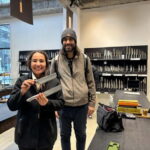
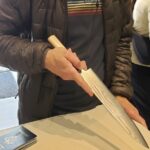
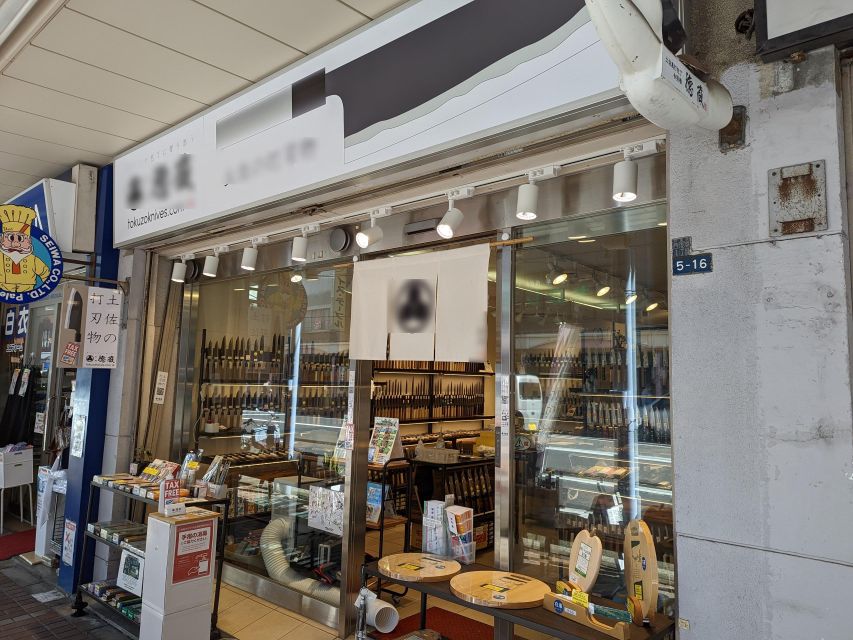
Finally: Kappabashi Street for about 1 hour. This is where the tour earns its name.
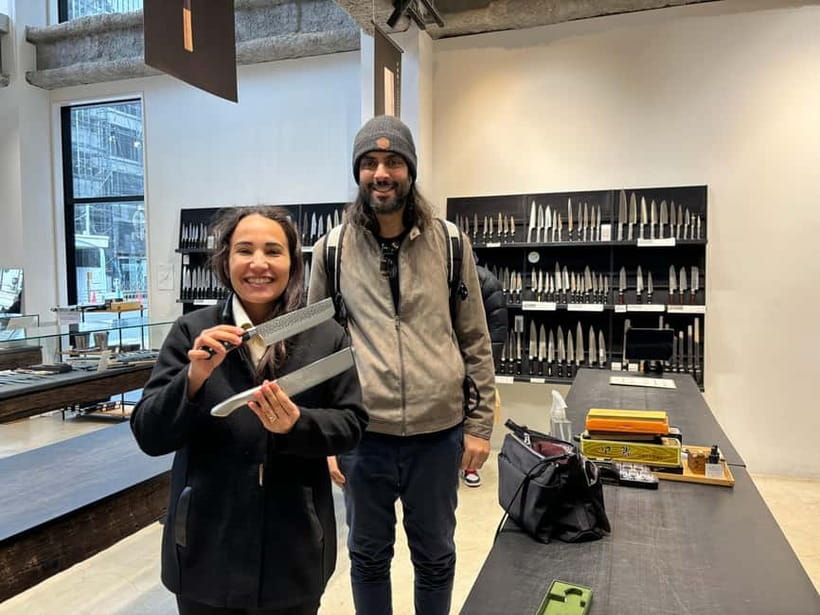
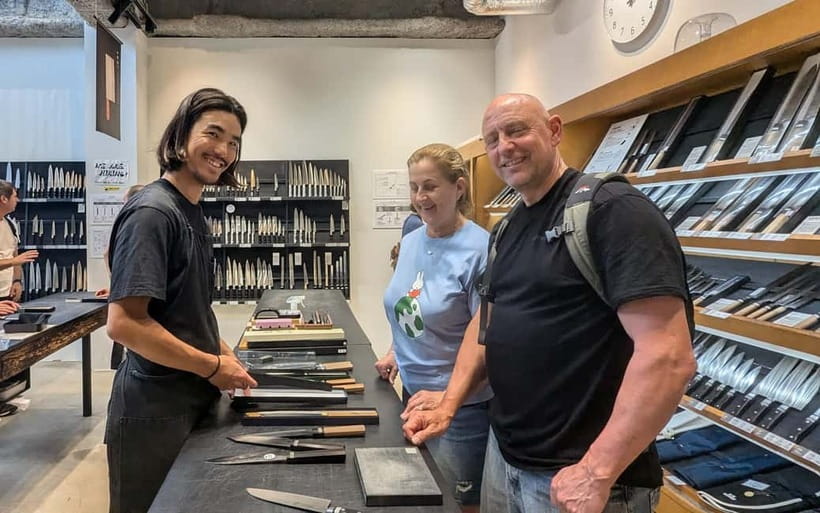
Kappabashi is a shopping street packed with stores serving restaurant operators. Within that, multiple shops specialize in kitchen knives. That’s the big deal: instead of one store with a limited lineup, you’re shopping in an area where you can realistically compare options.
You’ll have the best chance to find what you’re truly looking for because you’re not stuck with whatever a single shop happens to carry. The guide also helps with the hardest part for many visitors: translating the sales talk into practical decisions.
Also pay attention to the guide’s role here. Some stores can pitch hard. What you want is a neutral filter. The tour is built around that idea: the guide helps you evaluate what matters for buying, not just what’s being promoted.
And if you’re worried about communication, guides have been praised for excellent English. One example from past participants: Machiko was noted for strong English, for helping people buy what they wanted, and even for staying a bit past the scheduled tour time to make sure purchases went smoothly.
Knife-shopping strategy: how to use the hour well
You’ve got only one hour on Kappabashi Street, so you’ll enjoy it more if you show up with a target. You don’t need a perfect plan, but a few decisions help.
Here are practical ways to approach it:
- Decide what you want the knife for. General kitchen use, slicing, chopping—knowing the job helps you ask better questions.
- Be ready to compare models in-person. The area has many stores and many options, so your guide’s guidance becomes more useful when you can actually see differences.
- Use the guide to check the basics. If you don’t understand the terminology, ask for clarity. Past feedback highlights that guides often help with translation and selection, not just history.
- Think about bringing it home safely. You’ll be walking after shopping, so consider how you’ll carry and handle your purchase immediately after buying.
Even if you end up buying nothing, the tour is still useful because you learn the language of the market. You’ll leave with a better sense of how Japanese kitchen knives are presented and priced, and how to interpret what stores are trying to sell you.
Snacks and the small-group feel that keeps things comfortable
The tour includes Japanese sweet snacks. That’s not a throwaway detail. Food breaks reduce decision fatigue, and in a knife shop environment, you don’t want to feel rushed or cranky because you’re hungry.
The small-group setup matters too: limited to 8 participants. That size makes it possible for a guide to help you in the store without the whole group splitting into awkward sub-clusters. If your group is 3 or more, you’ll get a headset system so you can hear the guide from a distance, which helps when shop counters get busy.
This combination makes the day feel calmer than most “see the sights, then shop” tours. You’re still on a schedule, but it doesn’t feel like a conveyor belt.
Price and value: is $77 actually fair?
$77 for about 3.5 hours with an English-speaking guide, history stops, temple time, a guided Kappabashi shopping hour, plus sweet snacks is fairly priced for Tokyo.
Here’s when it’s especially good value:
- You want selection. Kappabashi’s knife specialization only pays off if you can compare options quickly, with help.
- You want interpretation. The temple and street route isn’t just photos; it’s context that makes the shopping feel less random.
- You want translation support. Neutral guidance through sales talk is hard to replicate on your own.
If you already know exactly what knife you want and you’re confident shopping without help, you may feel the cost is optional. But if you want a smoother experience and a better shot at buying the right item, the guide-led format justifies the expense.
Who this tour suits best
This one is a strong fit if you:
- like history explanations alongside sightseeing
- want knife shopping support rather than self-guided guessing
- prefer a small-group walking pace
- want to combine temple viewing with practical purchases in one afternoon
It might feel less ideal if you:
- hate walking in crowds
- need lots of downtime beyond normal breaks
- want a long knife-store browsing session with no schedule pressure
Should you book the Asakusa knife-store tour?
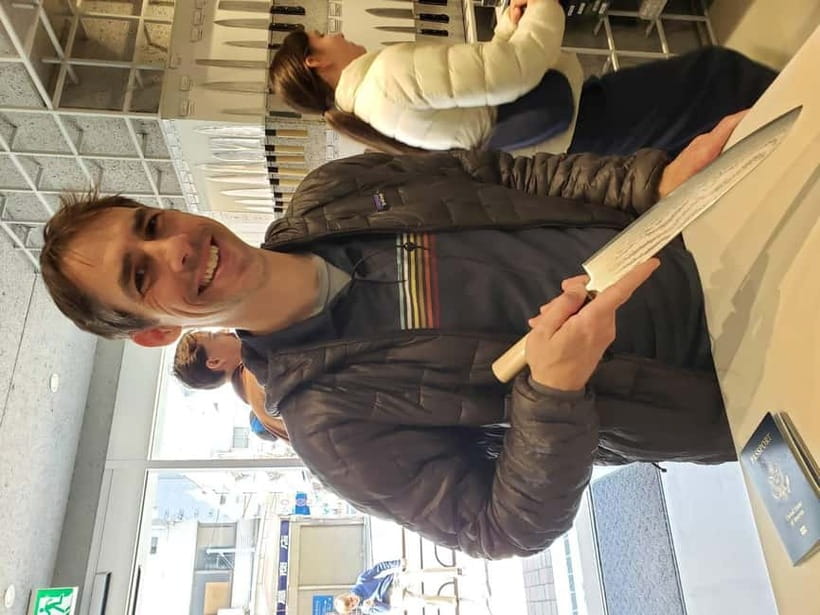
I’d book it if your goal is a guided day that connects Asakusa’s temple-side culture to Kappabashi’s kitchen-supply shopping. The best part is how the tour prevents the two biggest self-guided problems: getting lost in the shopping area and struggling through store explanations without enough context.
I’d skip it if you only want casual browsing, or if you’re unwilling to walk in rain. Also, because there’s no hotel pickup, make sure you’re comfortable starting from the Burger King meeting point by Asakusa Station Exit 4.
FAQ
FAQ
How long is the tour?
It runs for 210 minutes, or about 3.5 hours.
How much does it cost per person?
The price is listed at $77 per person.
Where do I meet the guide?
Meet in front of a Burger King next to Exit 4 of Asakusa subway station on the Ginza line (G19).
Is the tour in English?
Yes. The guide is English-speaking, and audio guidance is also available in English.
Is hotel pickup included?
No. There’s no hotel pickup or dropoff included.
Do I need to book around the weather?
No. The tour runs rain or shine.