REVIEW · SAVANNAH
Savannah: African American History Tour
Book on GetYourGuide →Operated by Kelly Tours - Gray Line Savannah · Bookable on GetYourGuide
Savannah has layers, and this tour peels them. You’ll get the Slavery to freedom story told in a way that connects what you’re seeing—warehouse fronts, brickwork, square corners—to what actually happened here. This isn’t the usual skim-through-town version; it’s a guided Sister Pat experience focused on truth, context, and real names.
I especially love how the narration ties Savannah’s port life to the forced labor that built it. I also like that the stops include places tied to the River Street waterfront and the buildings people still stand in front of today. You should know one possible drawback up front: this tour can include long standing moments at each site, so it may feel like a lot if you tire easily or have mobility limits.
In This Review
- Key highlights you’ll remember
- Why Savannah’s slavery story is best told from street-level landmarks
- The 3-hour bus format: what you gain, and what you trade
- River Street and the waterfront side of slavery
- Taylor Square and Franklin Square: the city’s planned spaces, and its human cost
- Johnson Square: the auction ground and the math of exploitation
- Green-Meldrim House and the Second African Baptist Church stops
- Why the guide’s approach matters more than the landmarks
- Pricing and value: is $68 for 3 hours worth it?
- Who this Savannah African American History Tour fits best
- Practical tips to get more from the tour (and suffer less)
- Should you book this Savannah African American History Tour?
- FAQ
- How long is the Savannah African American History Tour?
- How much does the Savannah African American History Tour cost?
- What’s included in the tour?
- What stops will the tour include?
- Is the tour wheelchair accessible?
- What should I bring?
- Are alcohol or drugs allowed?
- What language is the live narration in?
- Can I reserve now and pay later, and is free cancellation available?
Key highlights you’ll remember
- River Street port history explained alongside slave labor and cotton shipping
- Johnson Square brought to life, including the reality of auctions
- Green-Meldrim House as a major stop in the story of enslaved life and legacy
- Second African Baptist Church included for a fuller view of community and continuity
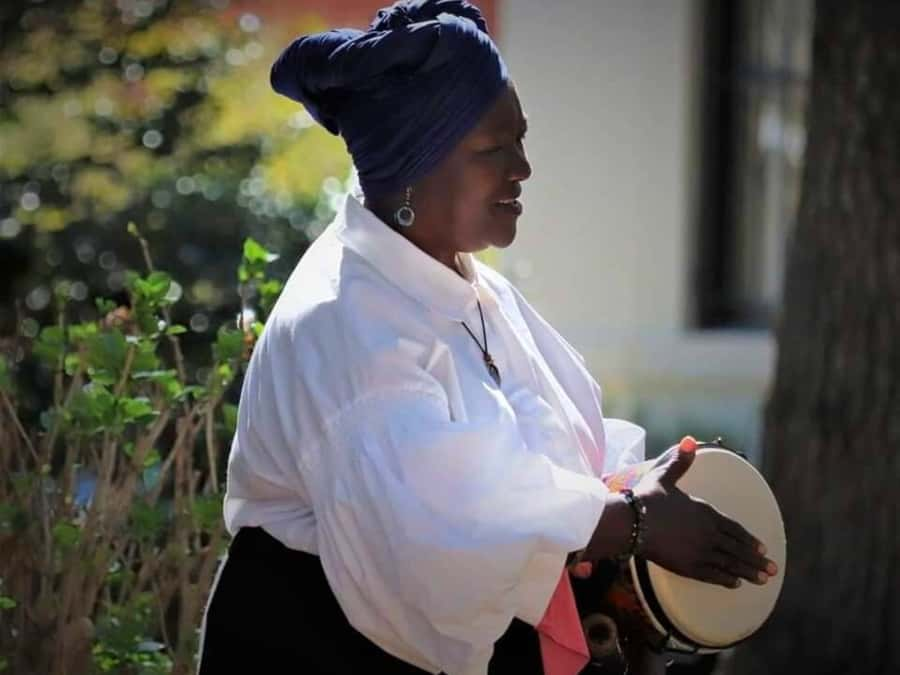
- Music, pictures, and performance used to help the story land without sugarcoating
- A slow, careful pace that gives time to absorb what you’re standing in front of
Why Savannah’s slavery story is best told from street-level landmarks
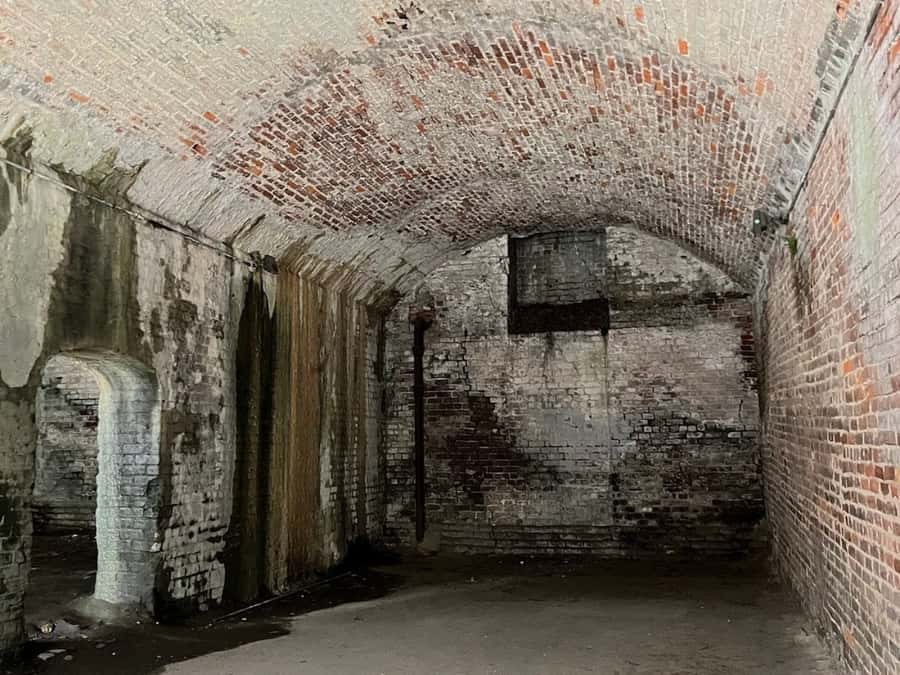
Savannah can look pretty from a distance. Live oaks, old brick, tidy streets. But this tour is about what those calm-looking corners hide. You’ll learn to read the city like a document, not a postcard.
What I like most is that the story doesn’t stay abstract. You’re looking at real locations tied to slavery and its machinery—where people were held, sold, worked, and shipped. In other words, you don’t just hear about history; you connect it to specific street scenes.
You also get a clear sweep from the forced beginnings through later survival and movement toward freedom. The tour is built around the “slavery to freedom” arc during the antebellum era on the Georgia coast, which gives you a timeline your brain can hold.
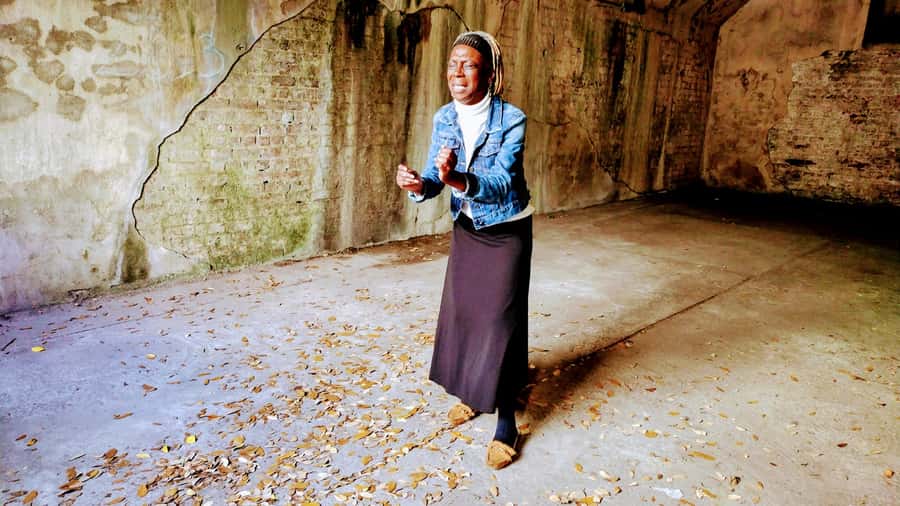
And yes, the guide uses performance elements—costumes and a small staged component showed up in feedback—so expect storytelling that tries to help you feel the weight without turning it into theater.
You can also read our reviews of more tours and experiences in Savannah.


The 3-hour bus format: what you gain, and what you trade
This is a 3-hour bus tour with live narration, so you get momentum without needing to plan a route yourself. The bus helps you cover multiple historic squares and landmark areas efficiently, which is a big deal in Savannah when walking can eat your whole day fast.
The tradeoff is time at stops. One participant noted limited walking overall, but lots of time standing at each point—around forty minutes per site in that instance. That means you’ll want to treat this like a standing-and-listening experience, not a quick “look, next” sightseeing loop.
Another practical point: because it’s a guided route with stops, the tour is less about freedom to wander and more about following a structured story. If you prefer to freestyle your own pace, this may feel a bit scheduled. If you want context and accountability, it’s a strong fit.
River Street and the waterfront side of slavery
River Street is where this story becomes physical. Savannah’s waterfront wasn’t only scenery and commerce; it was part of the system that profited from enslaved labor. The tour connects the warehouses along River Street to the forced work that built and maintained the port.
You’ll hear about West African tribes that were routed to Savannah and then used in slave labor to create the infrastructure of the city. That detail matters because it anchors the story in lived origin and displacement—not just in a vague “enslaved people were brought here” statement.
Another key layer is cotton. The tour explains how cotton was shipped out to the United Kingdom, and you’ll see storage areas described as similar to old slaveholding bins. That comparison is helpful: it turns a historical idea into something you can picture based on the site’s layout.
If you’re the kind of traveler who likes to understand how a city’s economy shaped its morality, this waterfront portion delivers. You’ll walk away with a sharper answer to the question, How did Savannah’s wealth get made?
Taylor Square and Franklin Square: the city’s planned spaces, and its human cost
The tour moves through central landmark squares, including Taylor Square and Franklin Square, and these aren’t random stops. Historic Savannah squares were part of the city’s organized geography—places where people gathered, where power could be displayed, and where punishment and public messaging could happen.
From the way the narration is described, you should expect the guide to connect these squares to the broader system of slavery and control. This is where a lot of tours go vague. Here, the focus stays on African American history from slavery through freedom, with Savannah’s built environment acting like a map of decisions made by people in power.
The benefit for you is that you’ll get the city layout working in your head. Squares become more than charming pause points. They become staging grounds for how the system operated.
The other benefit: the tour doesn’t only cover the “worst events.” It also pushes you to understand the long reach of the past—how it shapes descendants and institutions over time.
Johnson Square: the auction ground and the math of exploitation
Johnson Square is one of the hardest, most important stops. The tour includes the reality of where enslaved people were auctioned off, and the guide is expected to recount the city’s darkest past with clarity and care.
This is where the story can feel the most direct. You’re standing in a place tied to the buying and selling of human beings, which forces you to confront the gap between what looks normal and what actually happened here.
I also appreciate that the narration ties the auction activity to the larger port economy you saw earlier. This isn’t only about cruelty in isolation. It’s about how the cruelty was profitable, routine, and built into the daily operations of trade.
If you want a mental framework that helps you understand how oppression worked, this portion is strong. It shows the system in motion: labor captured, bodies processed, goods exported, and wealth extracted.
And yes—this tour can include emotion and performance, but the goal isn’t shock for shock’s sake. The consistent theme in feedback is truth paired with context, plus prompts toward healing and truth and reconciliation thinking.



Green-Meldrim House and the Second African Baptist Church stops
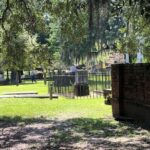
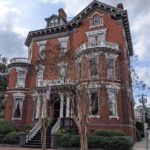
You’ll see Green-Meldrim House and the Second African Baptist Church, two stops that add balance. Houses and churches can both look like “architecture tours” from the outside. Here, they’re used to tell a story about what people endured and what communities carried forward.
Green-Meldrim House is used as a key landmark in the slavery-to-freedom narrative. The value for you is the way it helps connect the antebellum period to the present city. You don’t just hear about structures from the past; you hear how those structures fit into the system.
Then the Second African Baptist Church stop adds another dimension: community continuity and spiritual life. A church isn’t only a place of worship in this story. It’s also a lens on how people maintained identity, built resilience, and shaped what came after.
A few reviews mention symbols in brick and ironwork tied to Gullah culture. That’s a useful clue for you: pay attention to details. Even if you don’t catch every reference, the guide’s focus can help you start noticing cultural marks in the materials people built with.
Why the guide’s approach matters more than the landmarks
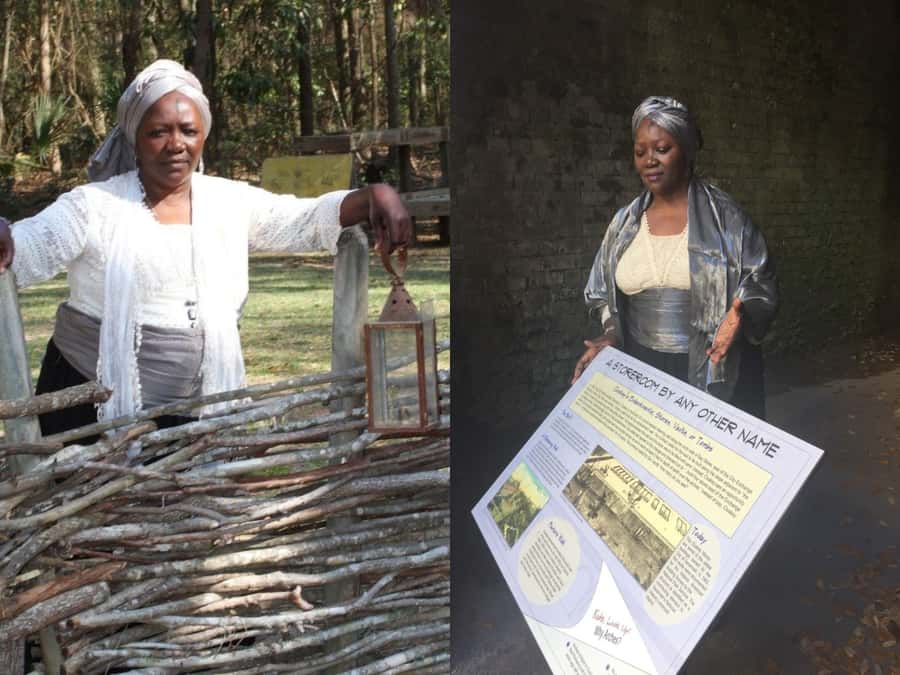
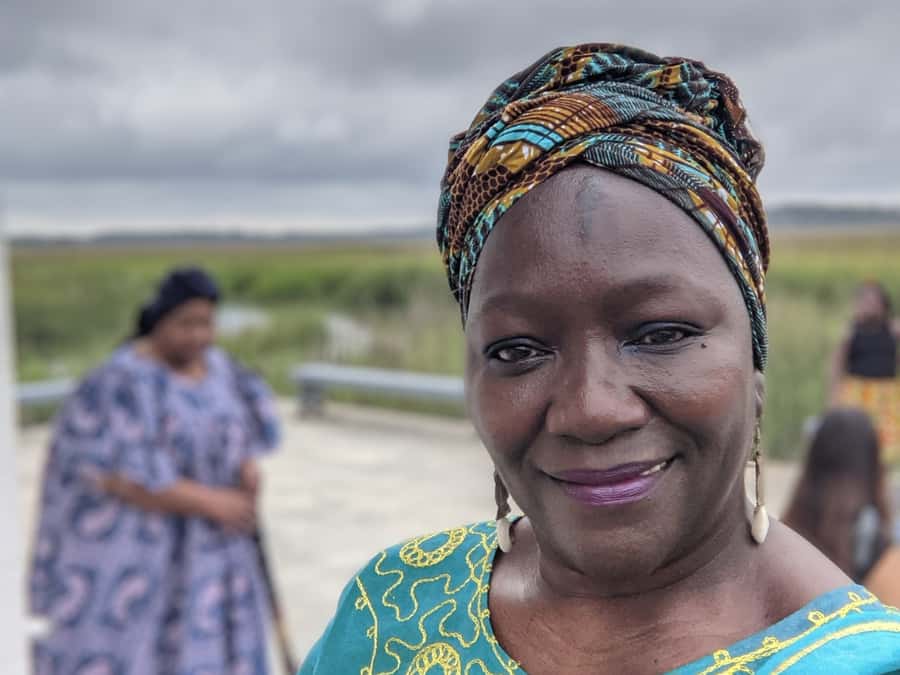
This tour’s biggest difference comes from how it’s taught. The guide—repeatedly praised by name as Sister Pat (and sometimes referred to as Ms. Pat)—is known for vivid storytelling and clear explanations, with a style that uses music and pictures.
That matters because Savannah’s slavery story can get flattened by other tours into a few quick facts and a photo stop. Here, the narration aims to keep the timeline intact and the details grounded: the forced routes from West Africa, the slave labor that supported port warehouses, and the auction reality in Johnson Square.
It also helps that the guide is not afraid to talk about Native American influence in the building of Savannah, which came up in feedback. That thread gives you a fuller picture of how different groups shaped the city—even while the guide keeps the focus where it belongs: African American history and the system of enslavement.
A good sign for you: several people described the presentation as moving and powerful, with pauses long enough to take it in. In practice, that means you’ll likely spend more time at fewer points and leave with fewer photos, but better understanding.
Pricing and value: is $68 for 3 hours worth it?
At $68 per person for a 3-hour bus tour with live narration, you’re paying for guided interpretation, not just transit. That matters because the experience centers on historical explanation tied to specific sites—River Street, Taylor Square, Franklin Square, Johnson Square, Green-Meldrim House, and the Second African Baptist Church.
If you’re comparing to generic walking tours that skim surface-level facts, this one’s value comes from depth and structure. The consistently high rating score (and the fact that many people mentioned the transport scoring near-perfect) suggests the ride and pacing are handled well enough that you can focus on the story instead of logistics.
It’s not the cheapest option in Savannah, but the price feels aligned with what you get: a coordinated route, a live guide, and a sustained narrative arc from slavery toward freedom. For me, that’s the kind of “tour math” that makes sense—if you want understanding, you pay for the person who can connect the dots.
Who this Savannah African American History Tour fits best
This is a strong choice if you want your sightseeing to come with accountability. You’ll like it if you’re the kind of traveler who asks, What happened here, and how did it shape life afterward?
It’s also a good fit if you want more than facts—if you want a guide who uses performance, music, and visual aids to make the story easier to grasp. Several notes point to costumes, a small performance component, and emotionally guided storytelling, which can help a lot when the subject is heavy.
You should consider a different option if you have mobility impairments, since the tour is not suitable for that. If you have stamina limits, remember you may spend significant time standing at stops.
And if you’re traveling with kids or teens, it can be meaningful, but do think ahead about how you’ll handle a history-heavy experience with slavery and auctions as part of the narrative.
Practical tips to get more from the tour (and suffer less)
Bring comfortable shoes, and treat this like an outdoor walking day even if the total walking distance stays short. Plan for standing. If you already know you get sore easily, wear footwear with support.
Also pack water and sun protection—sunscreen and sunglasses help more than you’d think in coastal Georgia. Comfortable clothes matter because you’ll be out long enough for weather to reach you.
You should also keep alcohol and drugs out of the plan, since they’re not allowed. If you’re someone who likes to stop for drinks mid-tour, you’ll need a workaround like bottled water and snacks before you start.
A final tip: go in with a question in your head. For example, How did Savannah’s port economy work in practice? Or, How did public spaces like squares support the system? When you listen with a question, the tour stops feeling like a lecture and starts feeling like a guided investigation.
Should you book this Savannah African American History Tour?
If your goal is to understand Savannah’s past through the actual places where it unfolded, this is an easy yes. The guide’s storytelling approach, the specific stops tied to slavery and freedom, and the way the tour links the waterfront, squares, and landmarks make the $68 price feel fair.
Book it if you want truth-forward history that doesn’t soften the hard parts, and if you’re okay with spending real time standing and listening. Pass on it if standing is a problem for you or if you want light, fluffy sightseeing with minimal discussion of slavery and auctions.
When you leave, you shouldn’t just feel like you learned dates. You should feel like you can look at Savannah and read the city’s story with clearer eyes.
FAQ
How long is the Savannah African American History Tour?
It lasts 3 hours.
How much does the Savannah African American History Tour cost?
The price is $68 per person.
What’s included in the tour?
You get a bus tour, a tour guide, and live narration.
What stops will the tour include?
The tour highlights the Green-Meldrim House and the Second African Baptist Church, and it also covers landmark areas such as River Street, Taylor Square, Franklin Square, and Johnson Square.
Is the tour wheelchair accessible?
No. It is not suitable for people with mobility impairments.
What should I bring?
Bring comfortable shoes, sunglasses, sunscreen, water, and comfortable clothes that match the weather.
Are alcohol or drugs allowed?
No. Alcohol and drugs are not allowed.
What language is the live narration in?
The tour guide provides live narration in English.
Can I reserve now and pay later, and is free cancellation available?
Yes. You can reserve now and pay later, and you can cancel up to 24 hours in advance for a full refund.