REVIEW · CHANDIGARH
The Hipster Chandigarh Architecture History Tour
Book on Viator →Operated by Rusty · Bookable on Viator
Concrete has a personality here. This two-day Chandigarh architecture tour mixes UNESCO-level stops with the human stories behind Le Corbusier and Pierre Jeanneret. I love how Rusty frames each building as part of city planning, climate, and daily life, not just a photo-op.
I also like that the experience is built for real touring: pickup and an air-conditioned vehicle, tickets included for every entry, and frequent chances to get close views in and around the sites. One thing to consider: some visits depend on local access and the tour runs best with good weather, so a flexible mindset helps.
In This Review
- Key things I’d bet on before you go
- Meet Rusty: a guide who treats buildings like living evidence
- The tour rhythm: two days, structured stops, and enough breathing room
- Day 1: UNESCO Capitol Complex to the Open Hand’s shadow
- Capitol Complex: Secretariat, Assembly Hall, and why the concrete feels intentional
- Le Corbusier Centre: the museum-memorial approach to early experiments
- Gandhi Bhawan: the university heart with a spinning lotus roof
- Chandigarh Architecture Museum: a tribute to the Zurich Pavilion vibe
- Open Hand Monument and Geometric Hill: peace symbolism plus design math
- Tower of Shadows: a solar “demo” building you can actually feel
- Panjab University and Maison Jeanneret: education and residence, both designed
- Day 2: Sukhna Lake, Sector 17 life, and the city behind the buildings
- Sukhna Lake: manmade water with a climate purpose
- Sector 17 Market: Corbusier’s commercial side with shade and people-watching
- War Memorial within Bougainvillea Garden: architecture that holds emotion
- Rare access: Pierre Jeanneret’s public socialist housing (conditions can apply)
- Government Museum and Art Gallery: modern museum design plus pre-partition artifacts
- Lake Club: Corbusier’s late design for social life and boating
- Food breaks and pacing: how to stay comfortable without breaking the budget
- Price and value: why $71 feels fair for a two-day access-heavy plan
- How to prepare for Chandigarh’s light, sun, and concrete texture
- Should you book this tour?
- FAQ
- What time does the tour start?
- How long is the Hipster Chandigarh Architecture History Tour?
- What’s included in the price?
- Are tickets mobile?
- Is there a maximum group size?
- Does the tour include access to UNESCO sites?
- Are all stops always available?
Key things I’d bet on before you go
- Insider-style access to major modernist landmarks, including UNESCO Capitol Complex highlights
- Rusty’s local, journalistic storytelling that connects architecture to people and politics without getting weird
- Tickets and photography access included, so you spend less time negotiating at entrances
- Rare access moments, including public Jeanneret housing access when conditions allow
- Good pacing for photos and snacks, with time built in for breaks
Meet Rusty: a guide who treats buildings like living evidence
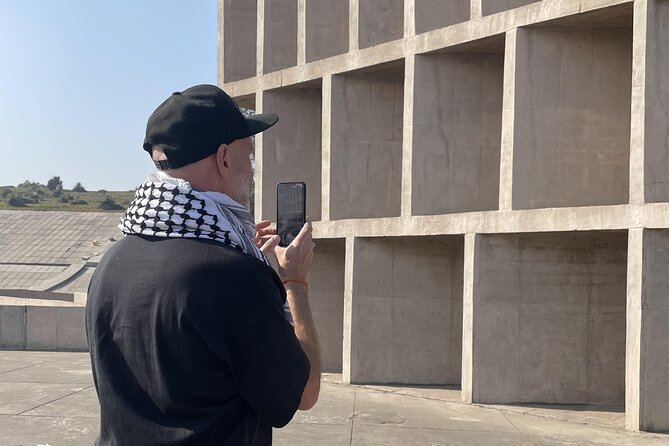
Rusty is a third-generation Chandigarh citizen, and that matters. You don’t get a generic script about “brutalism” and “modernism.” You get a guide who grew up around the city’s public social housing and who studied the designed schools and offices that shaped local life.
He also tells stories with the kind of humor that stays usable. The tone stays politically neutral on purpose, which makes the whole day easier to enjoy if you’re on a sightseeing timeline, bringing family, or traveling with someone who usually hates “museum talk.”
The tour rhythm: two days, structured stops, and enough breathing room
You start at 9:00 am, and the schedule is built around walking time plus entry time. The group max is 41, so it isn’t tiny, but you’re not stuck in a cattle-line either.
A big practical win: pickup and drop charges are included, and you ride in an air-conditioned vehicle. Add in parking and waiting charges, and the day feels smoother than typical “meet outside and figure it out” city tours.
Also, your ticket is mobile. That’s one less step before you head out to the next concrete wonder.
Day 1: UNESCO Capitol Complex to the Open Hand’s shadow
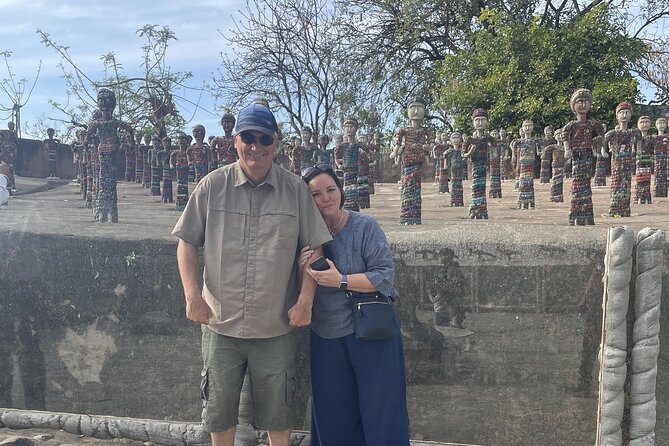
Day one centers on Chandigarh’s administrative modernism—big forms, strong angles, and the idea that a city can be designed for how people move, work, and breathe. You’ll spend the morning and early afternoon at clustered sites, which is exactly how to do this kind of architecture day.
Capitol Complex: Secretariat, Assembly Hall, and why the concrete feels intentional
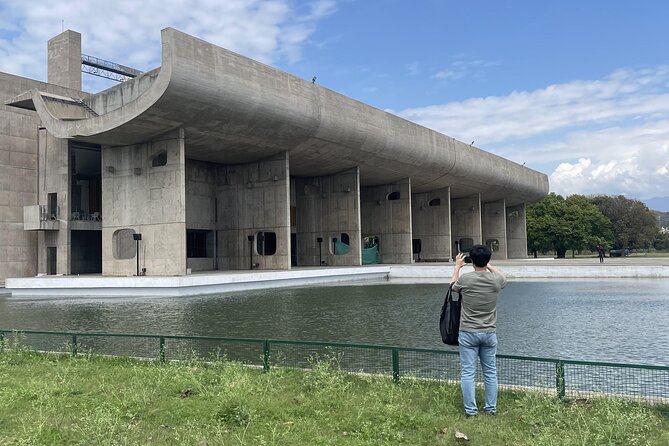
The Capitol Complex is the UNESCO World Heritage anchor of the tour. You’ll get guided insider access to the Secretariat and Assembly Hall, and you’ll connect what you’re seeing with the design logic behind the planning.
The buildings here are blunt in the best way. Brutalist concrete isn’t just a look; it’s the structure and the mood. If you’ve ever wondered why Chandigarh feels so “planned,” this is where you start to feel it.
Le Corbusier Centre: the museum-memorial approach to early experiments
Next is the Le Corbusier Centre, housed in an older architects’ building that now functions as a museum and memorial. You’ll get a guided look with visual demonstrations of the first attempts at green, naturally cooled design thinking.
This stop works well if you like your architecture explanations tied to climate. Chandigarh isn’t a theoretical city; it’s a place where shading, heat, and airflow are part of the design language.
Gandhi Bhawan: the university heart with a spinning lotus roof
At Gandhi Bhawan, you tour the university’s core with an insider feel. The headline detail is the spinning lotus-shaped roof, and the real value is seeing how an iconic form can still be a piece of functional campus design.
Short on time? This stop is only about 30 minutes, but it gives you a “how did they even think of that” moment without stretching your day.
Chandigarh Architecture Museum: a tribute to the Zurich Pavilion vibe
Then you move to the Chandigarh Architecture Museum, designed as an homage to Le Corbusier’s 1965 Zurich Pavilion. You’ll explore three levels with rare exhibits, and you’ll notice how raw concrete and the tubular stairway set the stage for the city’s modernist story.
This is a good reset after the outdoor monuments. Indoors you can slow down, read what matters, and let the day’s ideas click into place.
Open Hand Monument and Geometric Hill: peace symbolism plus design math
The Open Hand Monument is treated as the day’s crowning symbol—peace and unity, tied directly to Le Corbusier’s vision. It’s also the kind of spot where wind and sky change the feel of everything, so don’t be surprised if you end up standing still for a minute.
After that, you’ll walk through Geometric Hill, a sculptural landscape of grid-like earth mounds and concrete forms. It’s part of the Capitol Complex design language, and it shows how Chandigarh treats even the ground as architecture.
Tower of Shadows: a solar “demo” building you can actually feel
The Tower of Shadows is one of the most memorable stops because it’s architecture as measurement. It’s an open-air concrete structure built as a demo to study the movement of the sun, reflecting Le Corbusier’s obsession with solar movement and shading.
This stop is especially worth it if you’re the type who likes to connect “what you see” to “what the city is solving.” You’ll likely start thinking about light the way the designers did.
Panjab University and Maison Jeanneret: education and residence, both designed
You’ll also get an insider tour of Panjab University, plus time at Museum Maison Jeanneret. Maison Jeanneret is the first house built in Chandigarh, and Pierre Jeanneret lived there for 11 years.
You get a rare sense of scale and texture when you shift from monumental civic buildings to a collaborator’s home. The day finishes with a reminder that Chandigarh’s design wasn’t only for government—it was for the people building and learning within it.
Day 2: Sukhna Lake, Sector 17 life, and the city behind the buildings
Day two brings you from big governance architecture into the softer edges: public recreation, commerce, museums, and private clubs. It’s where the city becomes more than geometry.
Sukhna Lake: manmade water with a climate purpose
Start with a gentle walk at Sukhna Lake, a manmade lake designed to refresh groundwater and cool the northern sectors. You get the story of how it was created and how its role evolved over time.
Even if you’re not a “lake person,” this stop helps you understand Chandigarh’s planning in practical terms: water isn’t only scenic here—it’s infrastructure.
Sector 17 Market: Corbusier’s commercial side with shade and people-watching
In Sector 17 Market, you walk through commercial designs in the city center. The tour includes shaded, tree-lined walkways and time for people-watching, which is key because Chandigarh’s planning is best understood while you’re watching how it performs in real life.
This is also one of the free stops on the day, which makes the overall value feel even better.
War Memorial within Bougainvillea Garden: architecture that holds emotion
At the Chandigarh War Memorial, you take a solemn walk in a tribute park within the Bougainvillea Garden of Sector 3. The tour ties architectural subtlety to historical resonance, linked to its conception by Lt. Gen. J.F.R. Jacob.
This stop adds emotional weight to the itinerary. It also keeps you from turning the whole trip into only “cool concrete facts.”
Rare access: Pierre Jeanneret’s public socialist housing (conditions can apply)
One of the most important moments is the private access to Pierre Jeanneret’s public socialist housing. It’s described as very rare, still functional in its original stance, and subject to local variables.
This is exactly the kind of stop that makes the tour feel different from standard architecture sightseeing. If you care about how design affects housing and public life, this visit is the payoff.
Government Museum and Art Gallery: modern museum design plus pre-partition artifacts
Next is the Government Museum and Art Gallery, a 1960s heritage museum designed by Le Corbusier. You’ll see artifacts from the pre-partition era from Pakistan, including one of the world’s largest collections of Greco-Buddhist art.
This museum moment adds depth beyond architecture. The point isn’t only the building style—it’s the cultural timeline the collection represents.
Lake Club: Corbusier’s late design for social life and boating
Finish with the Lake Club, an insider-guided tour of a rarely known private yacht club designed by Corbusier a year before his death. It’s built for recreational boating and socializing, which gives you another lens: modernist design isn’t only formal; it’s also leisure and community.
If you thought this kind of city design only belonged to officials and campuses, this stop should correct that quickly.
Food breaks and pacing: how to stay comfortable without breaking the budget
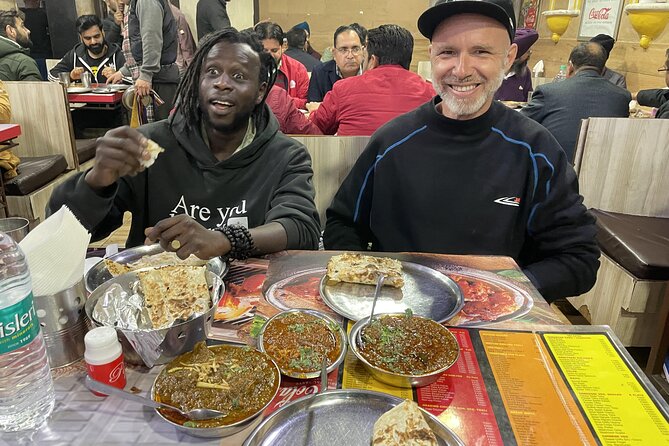
Snacks aren’t included, but the tour says the snack stops are very cheap, and that you’ll have frequent opportunities to refuel. I like this approach because Chandigarh days can get long, and the architecture blocks can make you forget to eat.
The key is timing. You’ll want to keep water handy and treat each break as a reset so you can keep listening without melting into “just take me to the next photo spot.”
If you’re touring with kids or someone who gets restless, the built-in pauses and the story-based explanations can help keep attention on track.
Price and value: why $71 feels fair for a two-day access-heavy plan
At $71.02 per person for about two days, the price looks best when you compare the inclusions.
You’re paying for:
- Pickup and drop (parking and charges included)
- An air-conditioned vehicle and driving/waiting time
- Entrance tickets everywhere, including admission fees
- Photography tickets and fees
- A tight, multi-stop schedule across major sites
What’s not included is basically the “you” costs: snacks and optional gratuities. If you plan to buy some food anyway, the tradeoff is that you’re not paying separate site-by-site entry fees for every stop.
Group size max is 41, and that often means you get shared logistics without turning the day into a crowded street mob. The result is a smoother experience than many do-it-yourself architecture days where tickets, queues, and walking distances multiply fast.
How to prepare for Chandigarh’s light, sun, and concrete texture
Chandigarh is all about light and shade, so think like the designers for a day. If you can, wear breathable clothes and plan for sun hours—especially because one stop is literally about solar movement.
Bring:
- A camera you’re comfortable using (photo access is included)
- Sunscreen and water
- A hat or something that blocks glare
And mentally prepare for a lot of walking plus a lot of storytelling in between. Rusty’s style helps, but this is still an architecture history experience with multiple formal sites, museums, and campus areas.
Should you book this tour?
Book it if you want Chandigarh modernism explained with context, not just namedropping. This tour is strongest when you like the intersection of city planning, architecture, and everyday life, and when you appreciate guided access that gets you closer than a casual walk-by.
Skip it if you only want a quick highlights loop with minimal time on museums and campuses. This itinerary is more “two full days of understanding” than “one day of photos.”
FAQ
What time does the tour start?
The tour starts at 9:00 am.
How long is the Hipster Chandigarh Architecture History Tour?
It runs for approximately 2 days.
What’s included in the price?
Pickup and drop charges, an air-conditioned vehicle (including driving, parking, and waiting charges), admission fees for all stops, and photography tickets and fees are included. Snack stops are not included.
Are tickets mobile?
Yes, the tour uses a mobile ticket.
Is there a maximum group size?
Yes. The maximum group size is 41 travelers.
Does the tour include access to UNESCO sites?
Yes. The Capitol Complex is described as a UNESCO World Heritage site, with insider-guided access included.
Are all stops always available?
Not necessarily. One of the major private-access stops related to Pierre Jeanneret’s public socialist housing is noted as subject to local variables, and the overall experience requires good weather.