REVIEW · UJI
Uji: UNESCO Heritage & Tea Ceremony Walking Tour
Book on GetYourGuide →Operated by TripGuru Japan · Bookable on GetYourGuide
Uji feels like a quiet tea postcard. In just 3 hours, this small-group walk strings together Byodo-in Temple (UNESCO) and a traditional tea ceremony at Taihoan, with guided context that makes everything click. It also helps that the English-speaking guides are personable, like Yuko or Katsu, who tend to explain with patience and answer questions without rushing you.
Two things I really like: you get real structure (temple to tea to shrines) and you end with taste—Uji’s famous green tea and local snacks. One consideration: during the tea ceremony, no photo or video is allowed, and the ceremony is conducted in Japanese only (your guide translates).
In This Review
- Key highlights you’ll feel right away
- How this Uji walk works: 3 hours with a small-group pace
- Byodo-in Temple: the UNESCO stop you’ll actually understand
- Taihoan tea ceremony: what happens when cameras are off
- Suspension bridges over Tachibara and Asagiri: the view break you need
- Uji Shrine and Ujigami Shrine: Shinto stops that balance the day
- Uji Bridge finish and matcha snacks: taste your way out
- Guides make the difference: English translation, pacing, and real Q&A
- Price and value: is $66 a fair deal?
- Practical tips so you’re comfortable (and not stressed)
- Who should book this Uji tour (and who might prefer something else)
- Should you book the Uji UNESCO Heritage & Tea Ceremony Walking Tour?
- FAQ
- Where does the tour start?
- How long is the tour?
- What are the main stops on the walk?
- What’s included in the price?
- Is the tea ceremony language English?
- Can I take photos or videos during the tea ceremony?
- What if I need to change my plans?
Key highlights you’ll feel right away
- UNESCO time with a guide at Byodo-in, not just a quick look
- Taihoan tea ceremony with translated guidance and hands-on participation
- Tachibara and Asagiri suspension bridges for a scenic break from indoors
- Two shrine visits that balance the Buddhist temple focus
- Matcha and snack stop that turns history into flavor
How this Uji walk works: 3 hours with a small-group pace
This tour is built for people who want a compact Uji experience without turning it into a long, stop-and-start shuffle. You meet at JR Uji Station (South Exit), and you’ll see your guide waiting with a TripGuru shirt or a sign. The group is capped at 9 participants, which matters more than you might think: you can hear the guide, ask follow-ups, and move at a human speed—especially when the stops include quiet spaces like shrines and the tea room.
The walking is short between the main sights, but it’s still a city stroll with temple and shrine time. You’ll be most comfortable in good walking shoes, and you should plan for a tour that’s part sightseeing, part etiquette practice. Also note the practical bit: the tour ends at Uji Bridge, so you’re not stuck figuring out your own route at the finish.
One more thing that’s worth respecting: heavy morning traffic can change actual travel time compared to navigation apps. If you’re heading to the meeting point from elsewhere, leave extra buffer.
You can also read our reviews of more tours and experiences in Uji.
Byodo-in Temple: the UNESCO stop you’ll actually understand
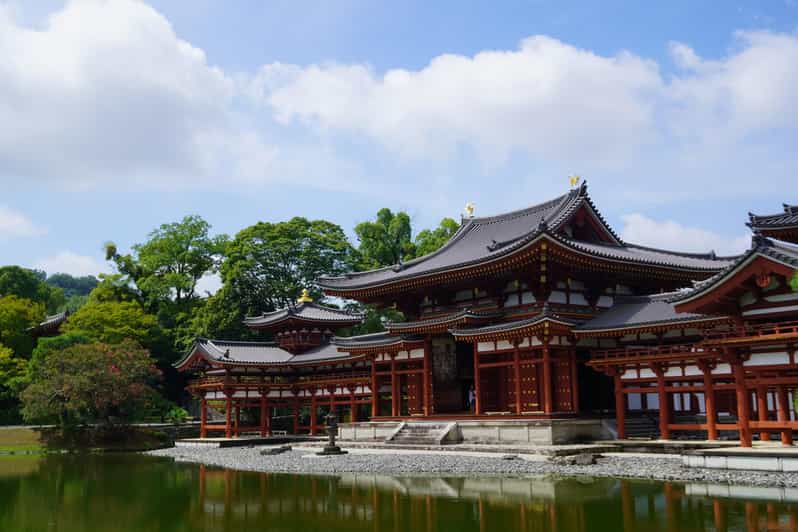
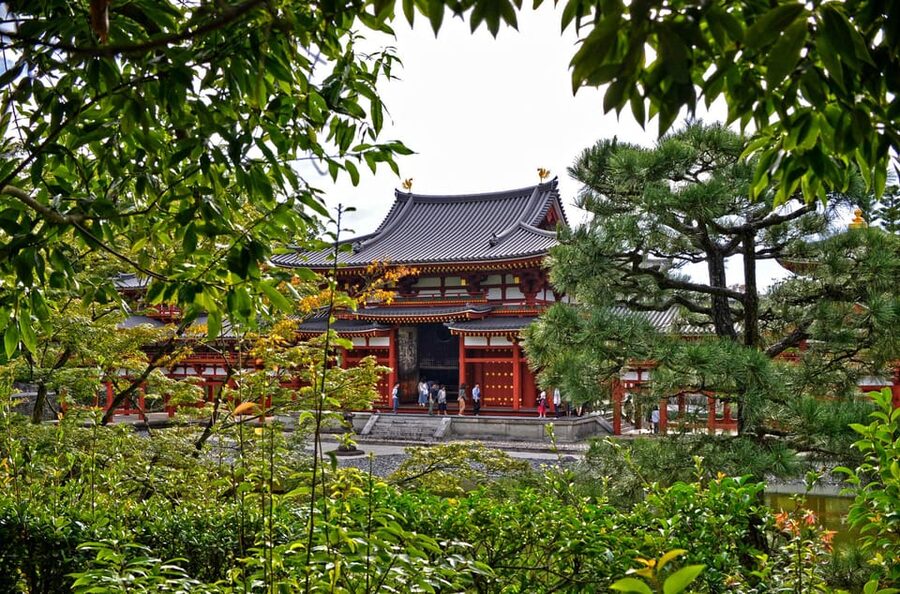
Byodo-in Temple is the headline moment, and the tour gives it enough time to feel less like a checkbox. You’ll spend about 50 minutes there with a guided visit, plus entrance included. That’s a nice value piece—UNESCO sites can cost money to enter, and having it bundled with a guide saves you time and mental load.
What you’ll get from the guided approach is context you can see. Byodo-in isn’t just a pretty building; it’s a place where architecture and design reflect the way Buddhism expressed itself over time. Even if you already know a little, the guide helps you notice the details that are easy to miss when you’re walking on your own.
Practical tip: temples and UNESCO sites tend to reward a calm pace. The guide’s timing helps you slow down, look, and then move on—without feeling trapped in a long explanation while others get restless.
Taihoan tea ceremony: what happens when cameras are off
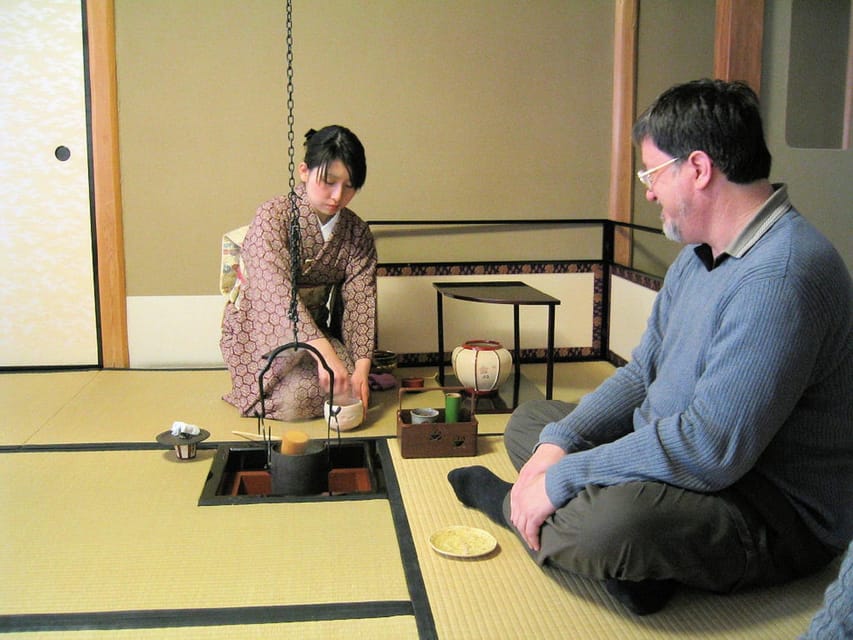
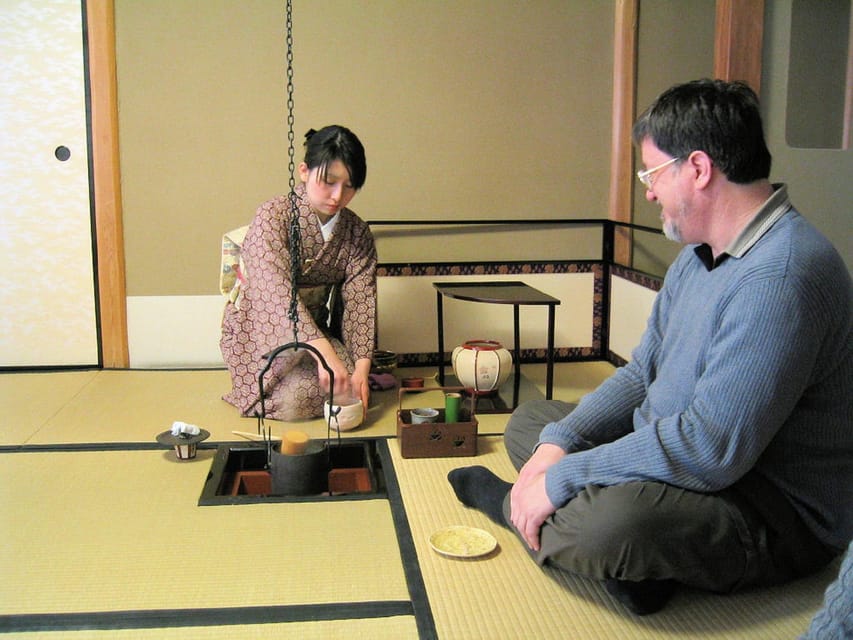
The tea ceremony is scheduled for around 40 minutes total at the stop, with about 30 minutes devoted to the ceremony portion. Taihoan is where you’ll learn the traditional steps of Japanese tea, and the experience is designed to slow your brain down. This is not a fast tasting where you just sample and leave.
Here’s the main logistical thing to know ahead of time: photo and video recording is prohibited during the tea ceremony. You won’t have the option to document every step, so set yourself up for presence. I like thinking of it as a trade: you give up the camera for a more focused experience—and you’ll remember more than you expect.
Language is another key point. The ceremony is conducted in Japanese only, but your guide translates for you. That means you’re not left guessing. And based on how guides have handled the experience for others, the host tends to guide you through behavior and expectations with a warm, forgiving attitude if you slip up. One of the best parts is that you aren’t just watching—you may get a chance to participate in the process within the ceremony’s rules, which makes the whole thing feel much more personal.
If you’re a matcha lover, this is also where that interest becomes practical. You’ll connect the taste you’re about to eat to the ritual behind it—how attention, motion, and manners all work together.
Suspension bridges over Tachibara and Asagiri: the view break you need
Between temples, shrines, and tea etiquette, the tour gives you a simple reset: a scenic walk across the Tachibara and Asagiri suspension bridges. This part is short on paper—about 10 minutes of walking—but it plays a big role in how the day feels.
Why it matters: bridges are where you can shift your attention from rules and interpretation back to scenery and spacing. You’ll get open-air sightlines and a sense of Uji’s setting, which helps the cultural stops feel grounded rather than disconnected.
Practical note: suspension bridges can feel crowded if you’re unlucky with timing, but because this is a small group, you’re usually not moving like a parade. Still, keep your pace steady and be ready to take your camera out briefly outside the tea room restrictions.
Uji Shrine and Ujigami Shrine: Shinto stops that balance the day
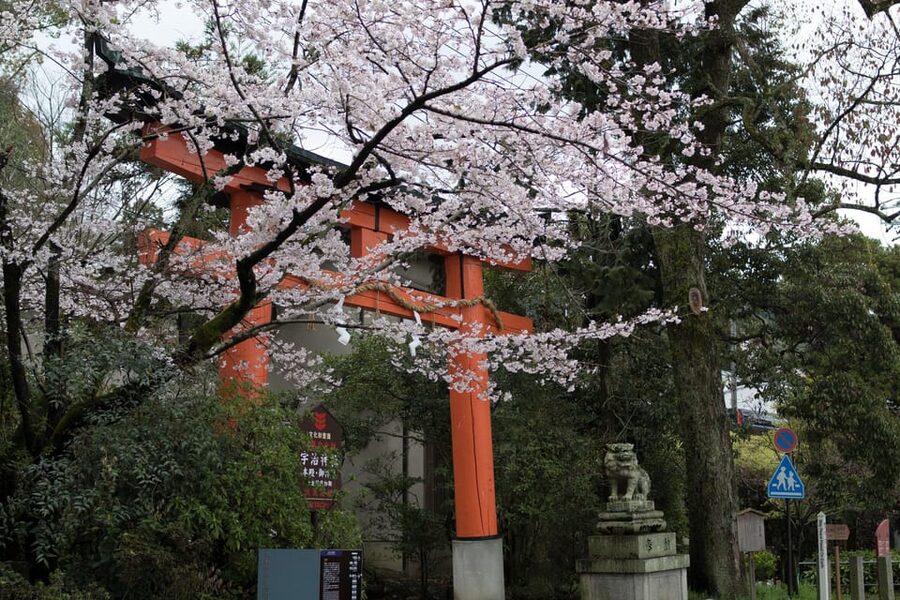
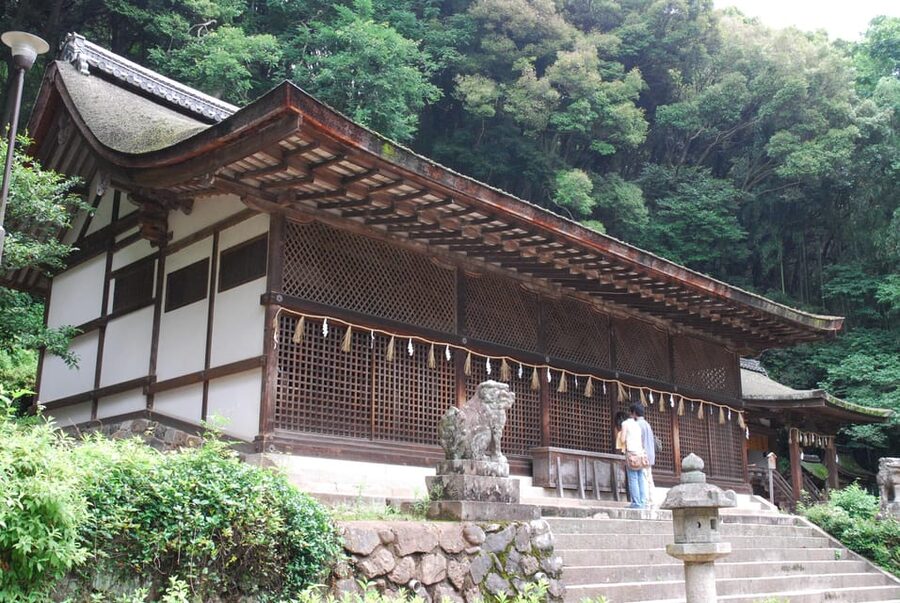
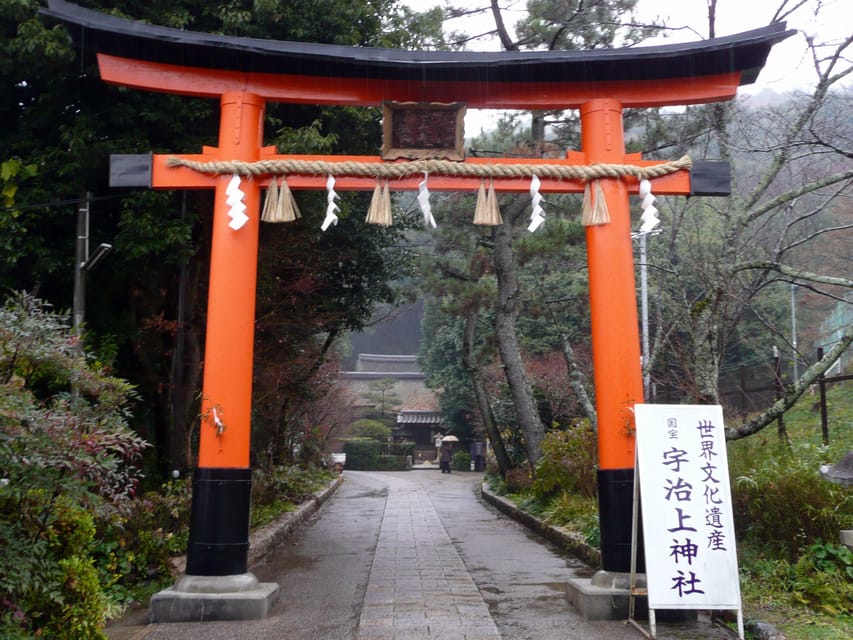
After the UNESCO temple, the tour continues into Shinto territory with visits to Uji Shrine and Ujigami Shrine. Each stop is guided for about 20 minutes, so you’re not stuck doing one long shrine visit followed by a short, confusing one. It’s a good balance: one shrine helps you orient, and the next deepens the cultural picture.
These shrine visits bring a different lens than Buddhism. You’ll hear about cultural significance and see how sacred spaces in Japan communicate meaning through rituals, architecture, and how people behave. Even if you’ve studied Shinto or Buddhism before, there’s something useful about seeing both types of sites in one controlled walking route—temple, then shrine, then tea and snacks to tie it together.
A small but important tip: treat shrines like quiet places, not photo stages. Follow the guide’s cues for where to stand and how to move. You’ll get more out of the experience that way.
Uji Bridge finish and matcha snacks: taste your way out
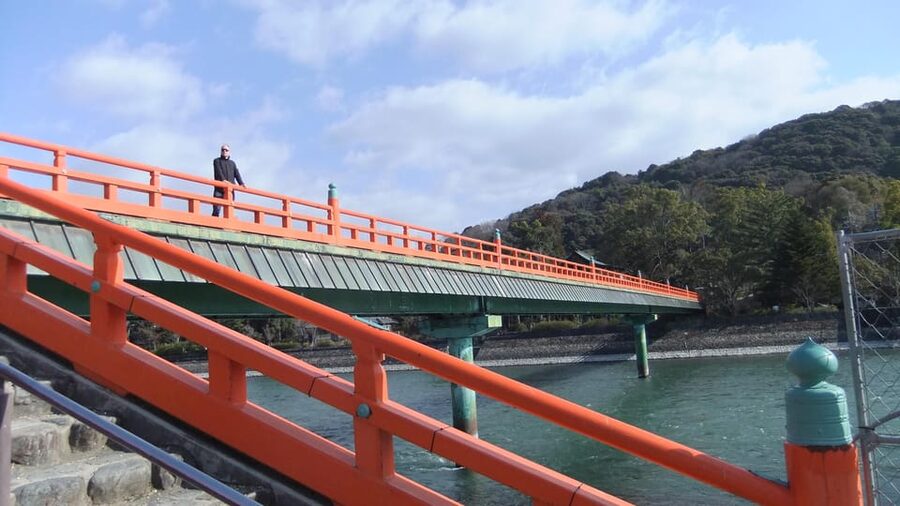
The final stretch ends at Uji Bridge, with about 40 minutes set aside for local snacks. This is where the day stops being mostly symbolic and becomes directly enjoyable. Uji is known for its green tea, and the snack portion is built around that theme—so you can expect tea-related treats and local culinary choices tied to the area’s reputation.
I like this timing because it’s after you’ve had cultural context. By the time you sit down or stand in line for snacks, you’re not just eating matcha-flavored things—you’re understanding why people treat tea as something serious and beautiful.
Also, don’t ignore the guide here. Many guides on this tour (people like Miyake-san, Yuko, and others who have led groups) are the type to offer practical recommendations—where to go next for matcha or mochi if you want to keep exploring after the tour ends. You can use those suggestions to build your remaining hours in Uji around what you liked most.
Guides make the difference: English translation, pacing, and real Q&A

This tour’s biggest strength isn’t just the stops—it’s how the guide handles the flow. The group size helps, but so does the way guides explain. In multiple experiences, guides have been praised for clear English, patience, and for answering questions in a way that makes complex topics feel approachable.
You’ll notice it most during the tea ceremony, where the action follows a specific order and etiquette matters. Your guide’s job is translation and guidance, so you can focus on doing the right thing rather than worrying about what something means. And outside the tea room, guides have also helped people get oriented quickly—sharing tips about Uji’s history and culture and giving restaurant/shop suggestions that go beyond the obvious.
One more subtle win: the guides don’t just talk at you. They tend to keep the pace easy-going, so you can absorb what you’re seeing without feeling dragged along.
Price and value: is $66 a fair deal?
At $66 per person for about 3 hours, this tour can feel like a bargain if you care about structure. Here’s what’s included: an English-speaking guide, entrance fees to Byodo-in, and the tea ceremony portion.
Why that matters: if you were to do these pieces on your own, you’d spend time figuring out timing, ordering tickets/entries, and working out tea-ceremony etiquette in advance. This tour compresses that into one guided route, with time built in for each key stop.
It’s also good value because it’s a small group (max 9). In busy tourist areas, group tours can be loud, overcrowded, and rushed. The pricing makes more sense when you factor in that the experience is meant to stay personal.
If you’re the type who likes to look at one main UNESCO site plus one cultural workshop (tea) plus smaller cultural stops (shrines, bridges), this price matches the scope.
Practical tips so you’re comfortable (and not stressed)
Before you go, plan for the small details that make a big difference:
- Bring comfortable shoes. You’ll be walking between sites and spending time standing during guided visits.
- Bring cash. The tour includes a snack portion, and having cash avoids friction if you want to buy extra small items.
- Camera is OK, but not during tea ceremony. Plan to enjoy the ceremony instead of recording it.
- Arrive 10 minutes early at JR Uji Station South Exit, so the group can start on time.
- Be ready for Japanese-only ceremony dialogue. Your guide translates, but the instructions themselves will be in Japanese.
And one important note if any of these apply: the tour isn’t suitable for pregnant women, people with mobility impairments, and people with heart problems or respiratory issues. That’s worth taking seriously so you can enjoy the day safely.
Who should book this Uji tour (and who might prefer something else)
You’ll likely love this tour if you want:
- a focused 3-hour overview of Uji’s key cultural sites
- a chance to experience tea as a ritual, not just a drink
- a small group with an English guide who helps you connect the dots between places
It may not be ideal if you:
- need maximum mobility support
- get uncomfortable in situations where you must follow specific etiquette (tea and shrines do require attention)
If you’re visiting Uji for matcha, this tour is a strong starting point because it pairs taste with context—so you leave with a better sense of what you’re eating and why people care.
Should you book the Uji UNESCO Heritage & Tea Ceremony Walking Tour?
If you want one good reason to make time for Uji, this is a solid choice. UNESCO Byodo-in + Taihoan tea + shrine visits + bridge views + snack time is a balanced package for a 3-hour window, and the small group size helps the day feel manageable.
Book it if you enjoy guided context and you’re open to putting your camera away during the tea ceremony. Skip it (or choose a different format) if you strongly prefer lots of photo freedom during workshops or if walking and etiquette-heavy stops would be difficult for you.
FAQ
Where does the tour start?
The tour meets at JR Uji Station (South Exit). Your guide will be waiting there wearing a TripGuru shirt or holding a TripGuru sign.
How long is the tour?
The duration is 3 hours.
What are the main stops on the walk?
You’ll visit Byodo-in Temple, do a tea ceremony at Taihoan, cross Tachibara and Asagiri suspension bridges, visit Uji Shrine and Ujigami Shrine, and finish at Uji Bridge with local snacks.
What’s included in the price?
Included are an English-speaking guide, Byodo-in entrance fees, and the tea ceremony.
Is the tea ceremony language English?
No. The tea ceremony is conducted in Japanese only, and your guide will translate for you.
Can I take photos or videos during the tea ceremony?
No. Photo and video recording is prohibited during the tea ceremony.
What if I need to change my plans?
You can cancel up to 24 hours in advance for a full refund, and you can use reserve now & pay later to keep your plans flexible.