REVIEW · VANCOUVER
The Really Gay History Tour in Vancouver, Canada
Book on Viator →Operated by Forbidden Vancouver · Bookable on Viator
Queer history in Vancouver is closer than you think. This 2-hour walking tour ties together stories, people, and places across the city’s LGBTQ2+ journey.
I love the storytelling-led format, where the guide talks as you walk, so the past feels like something you can actually picture. I also love that it ends in the heart of the Davie Street action, so you can turn learning into an easy afternoon or evening out.
One thing to consider: it includes explicit language, and it’s not the best fit if you’re looking for a quiet, family-friendly stroll.
In This Review
- Key Highlights You’ll Remember
- A Two-Hour Walk Through Vancouver’s Queer Landmarks
- Meeting the Guide on Burrard Street (and the man in pink)
- Downtown Stops That Track Power, Protest, and Community
- Imperial Court coronations and formal power
- Drag kings at the Quadra
- Gay ministers and faith communities
- Patient Zero and the GRID crisis
- West End Landmarks: Pride Roots, Jim Deva Plaza, and the Gay Village
- An early Pride parade
- Bookstore bombings and the costs of visibility
- Jim Deva Plaza and public memory
- A transgender campaigner and a whistleblowing moment
- A secret gay village and two-spirited warrior Gone to the Spirits
- Nelson Park, Urban Oases, and the Human Side of Big Events
- Finish in the Davie Street Village: Keep Exploring Without a Plan
- Price, Pace, and Practical Stuff You’ll Actually Care About
- Should You Book the Really Gay History Tour?
- FAQ
- How long is the Really Gay History Tour?
- How much does the tour cost?
- Where do I meet the guide?
- Where does the tour end?
- Is the tour outdoors, and does it run in bad weather?
- Is the tour suitable for kids?
Key Highlights You’ll Remember
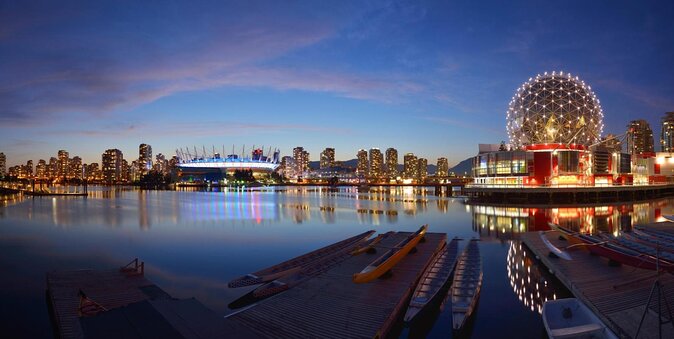
- A guide who keeps you moving with real stories while you cover key locations on foot
- Downtown to the West End to Davie Street, so you get context for how Vancouver changed
- Honors both joy and hardship, from Pride beginnings to the GRID crisis era
- Small group size (max 20) for better questions and a more personal feel
- Rain or shine with many stops under cover
- Finish right by the energy of Davie Street, where you can immediately keep exploring
A Two-Hour Walk Through Vancouver’s Queer Landmarks
If you like history you can see, not just read, this tour is a great match. You’ll spend about two hours walking through Vancouver with a guide who connects LGBTQ2+ history to real city corners. The route is designed so you’re not stuck on one block. You’ll piece together a bigger picture of how the community found visibility, built spaces, and fought for rights.
The best part is the pacing. You get a half-day experience, then you’re free to roam on your own after. That matters in Vancouver, where the city is wide-open and a good walk can lead to a coffee stop, a park break, or an evening meal.
And this tour is not just celebratory. It also covers the hard chapters. You’ll hear about moments like the GRID crisis and the idea of Patient Zero in the local conversation. That balance is part of why the stories feel honest instead of one-sided.
You can also read our reviews of more tours and experiences in Vancouver.
Meeting the Guide on Burrard Street (and the man in pink)
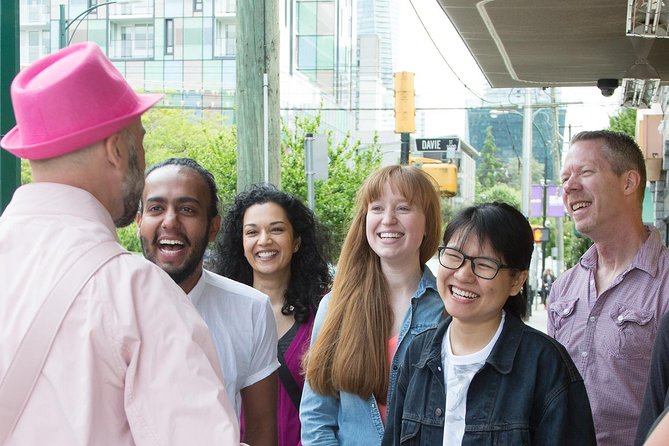
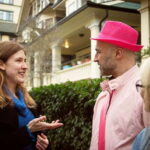
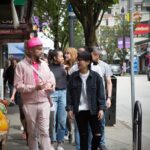
Your tour starts at Trees Organic Coffee Shop, 930 Burrard Street. The guide will be easy to spot: they’ll be the man in pink. The meeting point is central, so you’re also in a practical location for public transit connections.
Arrive about 10 minutes early. The tour leaves on time, and the check-in is quicker when you’re not rushing. You’ll get a mobile ticket and can keep things simple on your phone.
This is a walking tour with a moderate physical fitness level requirement, so you should be comfortable doing a steady city walk for roughly two hours. Wear sensible shoes. Vancouver sidewalks are great, but you’ll want traction and comfort more than fashion.
Also plan for weather. The tour runs rain or shine, and many of the stops are under cover, which helps when the drizzle shows up.
Downtown Stops That Track Power, Protest, and Community
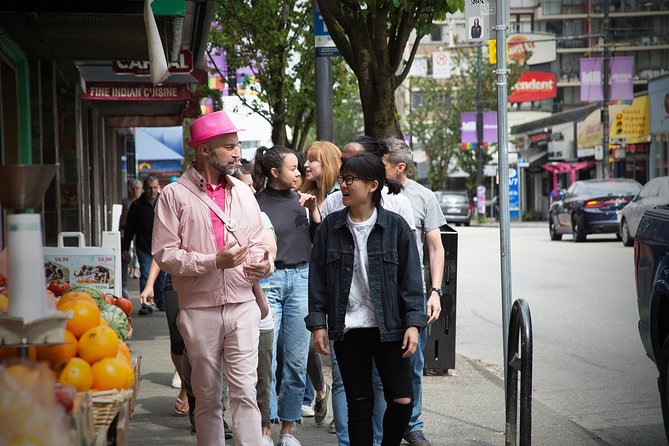
You’ll begin in downtown Vancouver and move into stories tied to institutions, performance spaces, and community leadership. One of the standout themes is how public life shaped LGBTQ2+ visibility—sometimes through celebration, sometimes through conflict, and often through organizing.
Imperial Court coronations and formal power
Early on, you’ll hear about Imperial Court coronations. The point isn’t just costume and ceremony. It’s about how LGBTQ2+ community structures created leadership and public presence at a time when mainstream acceptance was limited.
This kind of stop is useful for you because it shows how community culture often builds its own institutions. Even when society pushes back, people still create spaces to recognize each other and claim dignity.
Drag kings at the Quadra
Next, you’ll connect with the world of drag kings at the Quadra. Drag is entertainment, sure—but here it’s also identity work and political visibility. This is the sort of stop where the guide’s narration matters. You’re learning how performance can function as self-expression and resistance at the same time.
Gay ministers and faith communities
You’ll also hear about gay ministers at the United Church. This one can be emotional for a lot of people, because faith can cut both ways depending on the era and the leadership. The value of including it on a walking tour is that it anchors big ideas in a concrete place.
Patient Zero and the GRID crisis
The tour doesn’t avoid the painful chapters. You’ll hear about Patient Zero and the GRID crisis. These topics helped define a generation’s public health reality and reshaped community organizing, grief, and public conversation.
A big takeaway: you learn history as a living chain of decisions and impacts, not as distant trivia. That’s the difference between reading dates and standing on a street while someone explains why those streets mattered.
West End Landmarks: Pride Roots, Jim Deva Plaza, and the Gay Village
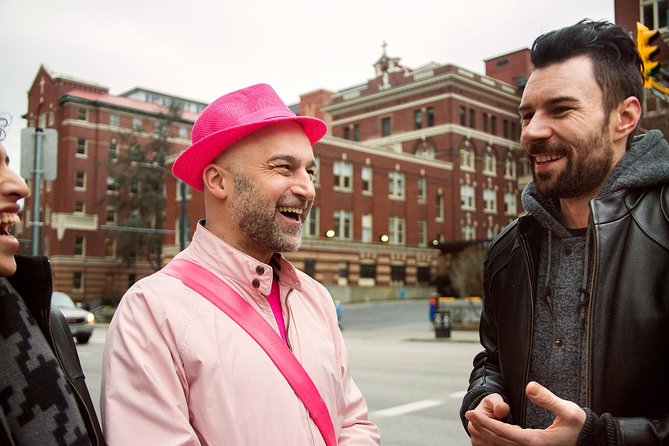
As you continue, the tour shifts toward the places that shaped daily community life and public visibility. This is where you start to understand Vancouver’s LGBTQ2+ story as something that happened in neighborhoods, storefronts, parks, and meeting spots.
An early Pride parade
One highlight is learning about the city’s earliest Pride parade. Pride doesn’t appear out of nowhere. The tour helps you connect the parade to earlier organizing and the push for public recognition.
If you’re coming for Pride vibes, this is the part that gives them roots. You’ll start seeing Pride as a result of years of pressure, courage, and community connection.
Bookstore bombings and the costs of visibility
You’ll also hear about bookstore bombings. This is the sort of stop that can feel heavy, but it’s an important counterweight. It shows what happens when LGBTQ2+ visibility meets fear and backlash.
For you, the practical value is clarity. You learn that safety was not guaranteed, and that the community had to fight for space to exist openly.
Jim Deva Plaza and public memory
Another key stop is Jim Deva Plaza. It’s one of those places that makes sense after the tour explanation. Instead of treating it like a landmark you pass by, you understand why it carries meaning for the LGBTQ2+ community.
A transgender campaigner and a whistleblowing moment
You’ll learn about a transgender campaigner who blew the whistle on the biggest crime in Vancouver history. The tour uses this story to connect LGBTQ2+ lives to broader civic history—not just LGBTQ2+ history.
That matters because it fights a common travel trap: seeing queer history as separate. Here, it’s part of the city’s main timeline.
A secret gay village and two-spirited warrior Gone to the Spirits
You’ll also hear about Vancouver’s secret gay village. That word secret matters, because it points to how community survival sometimes required hidden networks and discretion.
Finally, you’ll hear the story of two-spirited warrior Gone to the Spirits. This is valuable context because it widens the tour beyond one slice of the LGBTQ2+ umbrella and connects queer community history with Indigenous stories and identity terms.
Nelson Park, Urban Oases, and the Human Side of Big Events
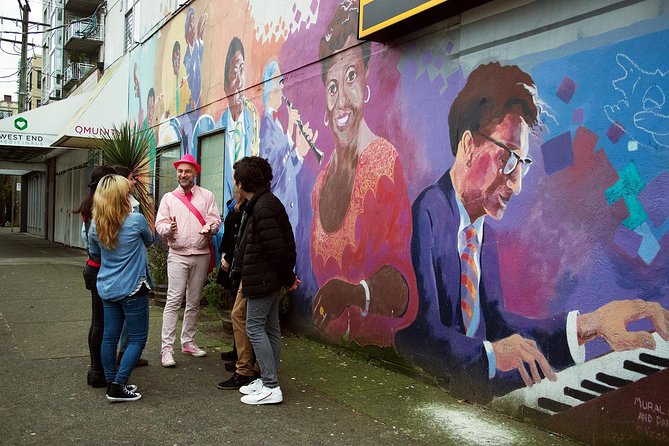
Along the route, you’ll get a break from density at Nelson Park, described as an urban oasis. It’s a reminder that community history isn’t only about conflict. People also needed places to gather, decompress, and meet.
This park stop helps you digest the heavier parts of the tour. When your guide points out a peaceful spot after a hard story, it changes how you understand the whole narrative. It becomes about survival plus joy, not just pain.
And since this is a walking format, you get a natural rhythm: you hear something intense, then you walk, then you pause. That pattern makes it easier to process topics like the GRID crisis without feeling like the tour is dumping facts on you.
The guide covers how these events shaped people’s lives, not just how they happened historically. When history is tied to people and places, it sticks.
Finish in the Davie Street Village: Keep Exploring Without a Plan
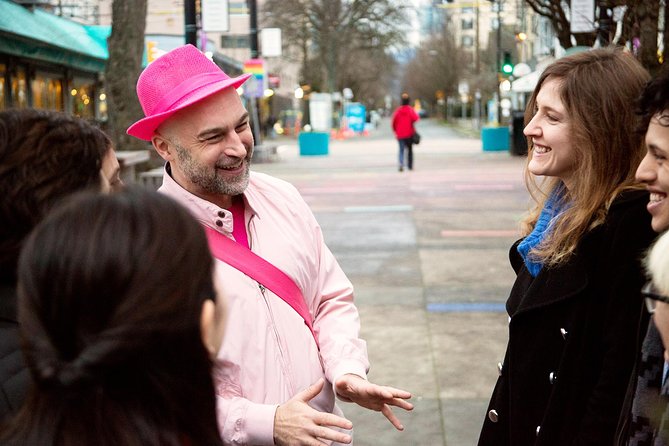
The tour ends in the middle of the action around Jim Deva Plaza and the Davie Street village. That’s a smart design choice for your day.
You’re not left with a dead end. Instead, you can immediately step into bars and restaurants right nearby and make the afternoon yours. If you’re the type who likes to wander without booking anything, this is a great position to be in.
Also, your walking route gives you an easy sense of direction. Even if you’re new to Vancouver, you’ll likely feel like you’ve mapped part of the city in your head. That can save time later when you want to move between neighborhoods.
Price, Pace, and Practical Stuff You’ll Actually Care About
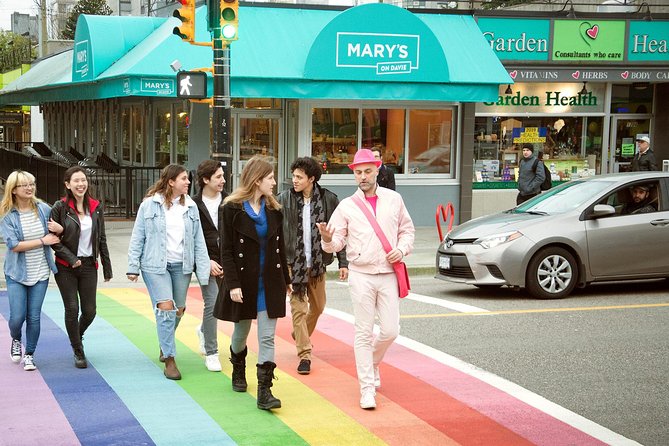
This tour costs $29.29 per person and runs about 2 hours. For that price, you’re paying for a professional guide and a focused route where you don’t need tickets or museum entry fees. The admission is listed as free, so you’re mainly paying for the guided experience and interpretation.
Is it good value? For me, it comes down to two things:
- You’re getting guided context to help you understand why these sites mattered.
- You’re getting a half-day format that pairs nicely with independent time afterward.
It’s also capped at 20 travelers, which is a big deal on walking tours. Smaller groups usually mean the guide can keep the energy up and handle questions without feeling rushed.
Practical notes that matter:
- Expect a moderate walk, so plan for comfortable footwear.
- Bring sunscreen if it’s warm, since Vancouver sun can hit even when it feels mild.
- The tour includes explicit language, so if you’re sensitive to that, decide ahead of time.
- It’s not recommended for guests under 14, which helps set expectations for tone.
If you want a straight-to-the-point city experience with an LGBTQ2+ lens, this tour fits well.
Should You Book the Really Gay History Tour?
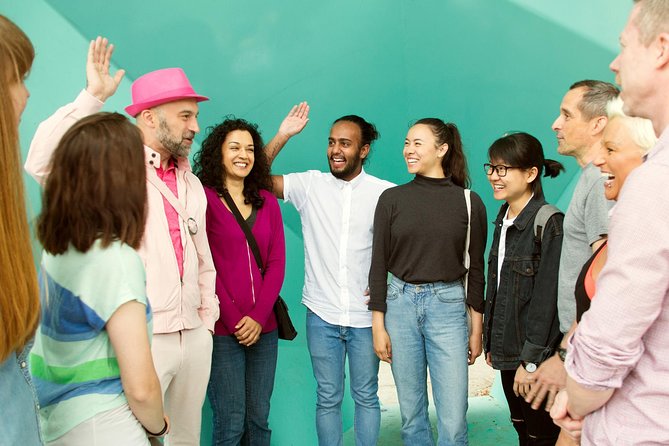
Yes—if you want meaning, not just sightseeing. This is a tour built around walking, storytelling, and a balanced look at community life, including joy and serious hardship. It’s also a smart use of time in Vancouver: two hours now, then you’re free to enjoy the rest of your day on your own.
Skip it only if you strongly prefer quiet, family-friendly content without explicit language, or if a steady outdoor walk for about two hours sounds like too much.
If you’re even a little curious about how Vancouver got to where it is now, this tour is an efficient, human way to understand the city beyond the obvious postcard stops.
FAQ
How long is the Really Gay History Tour?
It runs for about 2 hours.
How much does the tour cost?
The price is $29.29 per person.
Where do I meet the guide?
Meet at 930 Burrard Street, outside Trees Organic Coffee Shop.
Where does the tour end?
You finish at Jim Deva Plaza, 1200 Bute St, Vancouver.
Is the tour outdoors, and does it run in bad weather?
The tour happens rain or shine. Many of the stops are under cover.
Is the tour suitable for kids?
It is not recommended for guests under the age of 14.