REVIEW · KHIVA
Tranfer Khiva – Bukhara via Ancient Fortresses
Book on GetYourGuide →Operated by Asli Travel · Bookable on GetYourGuide
Fortresses on the road between two cities. This private Khiva → Bukhara transfer turns travel time into site time, with stops at Toprakkala and Ayazkala that make the Khorezm Oasis feel real, not abstract. I also like the practical touch of a safe, steady driver who keeps the day moving (and takes care of the handoff to your Bukhara hotel). One thing to plan for: it’s a long day with a lot of driving, and some stops feel remote, so comfort and warm layers matter.
The route is built around ancient defenses in the Khorezm Oasis. You’ll see why locals once talked about countless forts in this region, and you’ll travel through the Kizilkum area while heading to Bukhara. The trade-off is simple: you’re packing a lot into nine hours, and the fortresses are not a sit-and-stroll museum experience.
In This Review
- Key highlights at a glance
- Turning a transfer into a full day of Khorezm archaeology
- Pickup in Khiva: Ata darwaza and an easy start
- Toprakkala: the clay fortress that hints at an early state
- Kizilkala (and Kyzykkala): a red garrison fortress role
- Ayazkala: perimeter defense and the severe-frost meaning
- Kizilkum desert drive-by moments and the lunch stop
- Getting to Bukhara: drop-off and what to do with the rest of the day
- Transport, drivers, and comfort on a nine-hour schedule
- Price and value: $180 per group up to 3 people
- What to pack so the forts feel easy
- Should you book this Khiva to Bukhara fortress transfer?
- FAQ
- Where is pickup in Khiva?
- Which fortresses do you visit?
- How long is the experience?
- Are entrance tickets included in the price?
- Is there a lunch stop, and can I eat or drink in the vehicle?
- What languages does the driver speak?
Key highlights at a glance
- Private transfer built around fortresses instead of just getting you from A to B
- Toprakkala’s clay fortress evidence tied to early Khorezm city planning
- Kizilkala’s red garrison feel along the way through the oasis defenses
- Ayazkala’s perimeter protection idea you’ll understand best when it’s cold
- A/C vehicle with highly rated transport for a smoother ride and fewer hassles
Turning a transfer into a full day of Khorezm archaeology
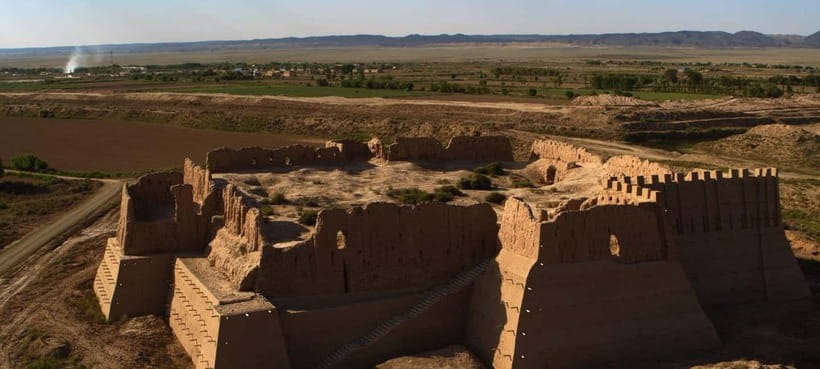
This experience works because it treats the drive between Khiva and Bukhara as part of the story. You’re not just passing through flat land; you’re moving through the Khorezm Oasis zone where fortresses were built to control movement, protect crops, and defend against raids.
I like that the stops are spread out enough to feel like a real route, not a quick photo stop parade. Each fortress has a different role in the defense system, so the day adds up to more than three sites. You get context: capital, garrison, and perimeter fortress.
Also, this is a smart way to travel if you want variety. You’ll still end in Bukhara, but you’ll arrive with a fuller sense of what was happening in the region before the big city names you’ll see next.
You can also read our reviews of more tours and experiences in Khiva.


Pickup in Khiva: Ata darwaza and an easy start
The day begins at Ata darwaza (West gates) of Khiva, right in the edge area of Ichan Kala. If you’d rather, pickup from your hotel is allowed too, which is handy when you’re juggling bags or just don’t feel like walking.
Plan to be ready early. You should wait in the lobby about 5 minutes before your scheduled pickup time. This matters because the total schedule is only 9 hours, and the fortresses depend on keeping a steady pace.
From the start, the ride is set up for comfort. The vehicle has A/C, which is a real help on Uzbekistan road days. And with a private group, you’re not stuck waiting while someone else decides whether they want one more souvenir or one more photo.
Toprakkala: the clay fortress that hints at an early state
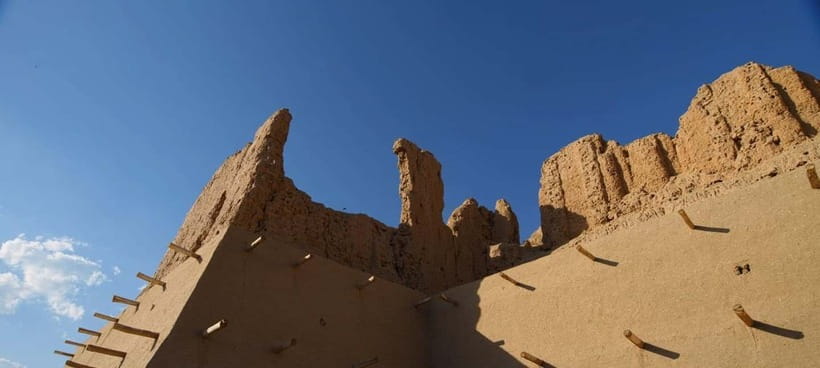
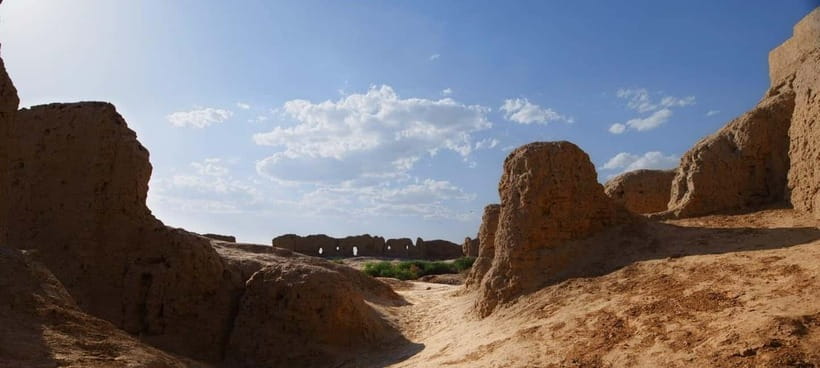
Toprakkala is your first big stop, and it’s a strong one for the way it connects architecture to evidence. This was the first capital of Khorezm, and its name points to the material—clay fortress.
What I find most interesting is that this site isn’t just about mud-brick walls and ruins. The area has produced early evidence that relates to city planning, including the first examples of city plan layouts. That kind of detail gives you a clearer picture of how organized the settlement was in the 4th century A.C.
You’ll also hear about finds that include a calendar and plaster statuettes of singers. It’s an unusual mix: governance and everyday culture, both tied to the same place. That blend helps you picture the oasis not as a forgotten stop, but as a lived-in society.
What to watch for: comfortable walking shoes. Ruins and uneven ground tend to be the norm at fortress sites, and you’ll want sure footing so you can focus on the shapes and layout.
Kizilkala (and Kyzykkala): a red garrison fortress role
Next comes Kizilkala, also seen as Kyzykkala on the route naming. This is described as one of the garrison fortresses tied to the oasis defense system.
The naming helps here. It’s called the Red Fortress because of the color of the clay. That clue is useful when you’re on site and trying to understand why the place looks the way it does. It’s not just a color; it points you to the building materials and how the fortresses fit the landscape and local resources.
While Toprakkala sets the capital scene, Kizilkala shifts the mood. You’re moving from seats of power to outposts. That change makes the whole day feel more logical: capital first, then defense infrastructure along the route.
Ayazkala: perimeter defense and the severe-frost meaning
Ayazkala is often the most memorable stop because it’s tied to a practical, protective idea. Fortresses in the oasis were built around the perimeter to protect the oasis borders from raids, especially from groups moving in from the north.
This fortress is described as remote and well organized and well protected. That wording matters. You can usually sense it when a site was designed to hold out and control access, not just be symbolic.
There’s also a name lesson that turns into real understanding: Ayazkala’s meaning connects to severe frost. The idea is that you only grasp why the name fits when you experience the cold of the steppe. Even if you’re not visiting in deep winter, this note is a good warning: dress for temperature, not just sunshine.
My practical tip: bring warm layers, not just a jacket. Cold can creep in when you’re standing around fortress walls and open approaches. If you’re going in winter, the day can feel harsher in the most exposed areas, so plan for that mood in advance.
Kizilkum desert drive-by moments and the lunch stop
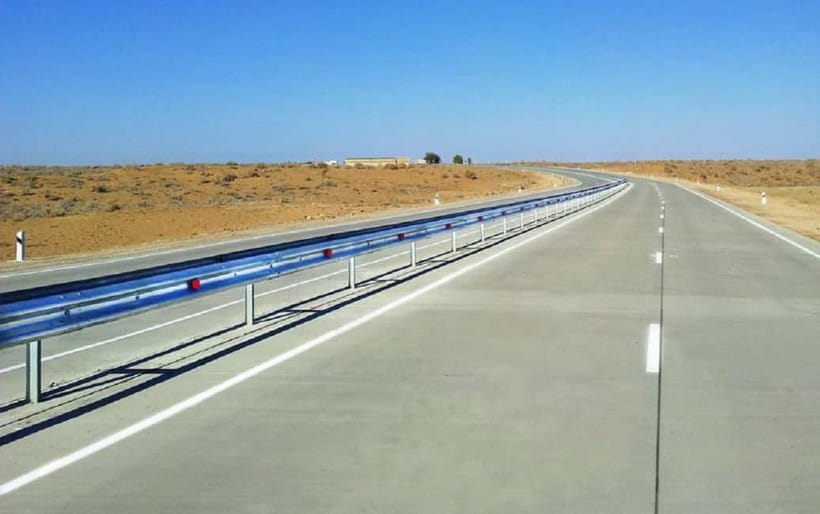
The route includes time traveling through the Kizilkum Desert area. You might not spend all day in the dunes (this is a fortress transfer), but the desert geography is part of why the forts make sense. The defense logic is tied to controlling routes through harsh terrain.
There’s also an estimated lunch stop along the road. The day is structured around keeping you moving between sites, so lunch is likely tied to the schedule rather than a long sit-down meal. You may want to eat when you can, then save time for fortresses while they’re still open and you’re still fresh.
A nice detail from real-world experiences: one booking highlighted a pause at a local fruit market and trying melon during the lunch break. It’s a good reminder that the best snack in Uzbekistan days can be simple and seasonal. If your driver suggests a quick stop for something local during the break, it’s usually worth saying yes—just keep it short so you don’t lose fortress time.
Getting to Bukhara: drop-off and what to do with the rest of the day
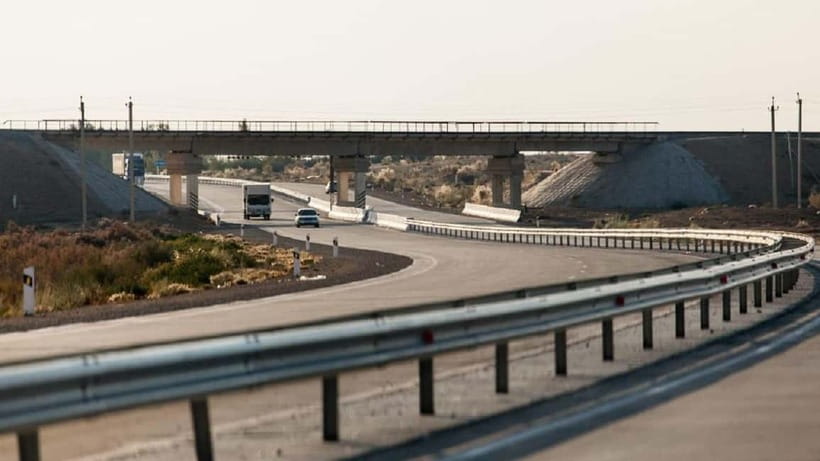
You’ll arrive in Bukhara and get dropped off at your hotel after the fortresses. Because the tour ends on a transfer day, you’ll want to think ahead about your evening plans.
If you’re arriving with energy, that’s when Bukhara feels most magical. If you’re not, you’ll still have something useful: a better regional perspective. After seeing Khorezm defenses and early evidence of settlement organization, the later city sites in Bukhara often feel more connected. You’ll spot patterns in how cities formed, grew, and protected themselves.
Either way, plan for rest. You’ve got a long drive day behind you, and you’ll enjoy your next hours more if you don’t turn the night into another marathon.
Transport, drivers, and comfort on a nine-hour schedule

This is a private group transfer, and that matters. You can keep your pace, ask questions, and avoid the stop-start rhythm that happens with mixed tours.
The driver is listed as English and Russian, and the human side shows up in real experiences. One driver named Bek was described as kind and helpful. Another, Jasur, was mentioned as polite, cautious, and willing to share information and practical advice, even with limited English. That kind of support changes the feel of a day like this, especially when ruins are large and details can be hard to follow on your own.
Safety and smoothness are clearly a priority. The transport has a 93% perfect score from reviewers, which lines up with the idea that this is a serious ride, not a rushed scramble.
Good to know before you go: the vehicle rules say no drinks in the vehicle and no food in the vehicle. That means you’ll want to rely on water during breaks and handle any snacks outside the car. Bring a bottle and use it when you stop, not while you’re moving.
Price and value: $180 per group up to 3 people
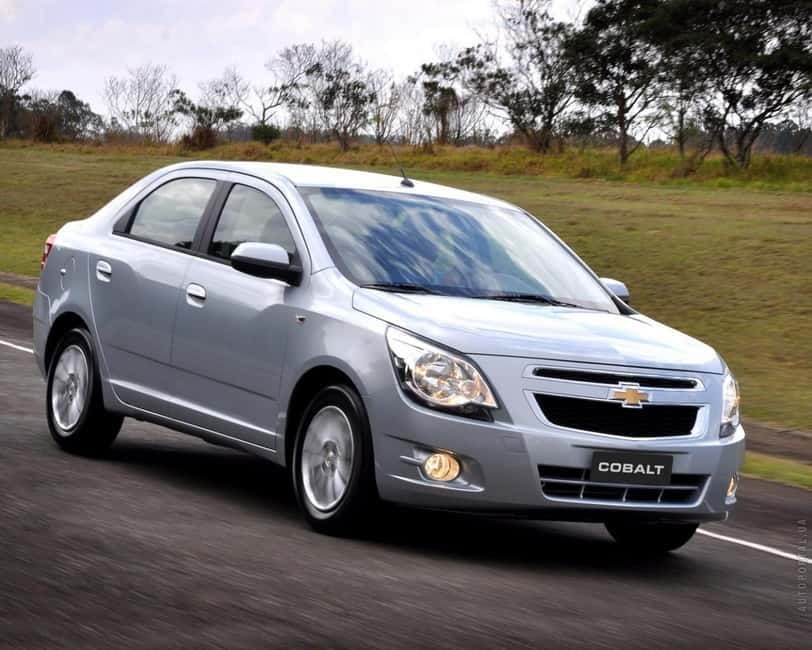
At $180 per group up to 3, this isn’t priced like a cheap bus transfer. But it can be good value because you’re buying two things at once:
1) the ride from Khiva to Bukhara, and
2) guided time at three fortress sites with all fees and taxes included.
Entrance tickets are not included, typically $1–$2 per monument per person. That’s a small add-on, but it’s still worth budgeting so you don’t get surprised.
Where this feels especially worth it: if you’re traveling with a small group (two or three people) and you want your time between Khiva and Bukhara to earn its keep. If you’re solo, it can still be a smart way to avoid long shared-transport connections, but the per-person math depends on occupancy.
Also factor in the comfort and time control. Private transfer days like this tend to reduce stress because you’re not coordinating with other schedules while you’re trying to see sites.
What to pack so the forts feel easy
This day works best when you’re comfortable on your feet and dressed for changing conditions.
Bring:
- Comfortable shoes for uneven fortress ground
- A camera (the fortress shapes and clay textures are photo-friendly)
- Comfortable clothes, plus warm layers for winter
A practical note: if you’re visiting in colder months, plan for exposure. Ayazkala’s whole name meaning points you toward harsh cold, and open fortress approaches make that more noticeable.
Should you book this Khiva to Bukhara fortress transfer?
Book it if you want a transfer day that actually teaches you something. This is a great choice when you like archaeology, defense systems, and regional stories that connect cities instead of treating each city as a separate universe.
Skip it if you’re chasing a fast, low-effort route with minimal stops. This is a nine-hour day built around active walking at remote sites, so it rewards people who enjoy getting out of the car and looking closely.
FAQ
Where is pickup in Khiva?
Pickup is from Ata darwaza (West gates) of Khiva near Ichan Kala. Pickup from your hotel is also allowed.
Which fortresses do you visit?
You visit Toprakkala, Kizilkala (Red Fortress), and Ayazkala.
How long is the experience?
The total duration is 9 hours.
Are entrance tickets included in the price?
No. Entrance tickets are not included and are typically $1–$2 per monument per person.
Is there a lunch stop, and can I eat or drink in the vehicle?
There is an estimated lunch stop along the road. Drinks and food in the vehicle are not allowed, so plan to handle meals and water during stops.
What languages does the driver speak?
The driver speaks English and Russian. The vehicle is A/C and the tour is listed as wheelchair accessible.