REVIEW · KHIVA
Transfer: Bukhara – Khiva via Ancient Fortresses
Book on GetYourGuide →Operated by Asli Travel · Bookable on GetYourGuide
Fortresses, not just a road transfer. This Bukhara-to-Khiva journey is packed with stops at Toprakkala and the remote fortresses of the Khorezm Oasis, plus the wide, quiet feel of the Kizilkum desert. You’re basically trading a dull transfer day for archaeology you can actually walk through.
I love how the sites connect to real ideas—Toprakkala’s early state evidence and Ayazkala’s defensive design make the story make sense fast. I also like the private, A/C vehicle setup and the fact you’re taken straight to your Khiva hotel when the day is done.
One consideration: it’s still a long 9-hour day with a lot of outdoor walking, and winter weather can be serious around Ayazkala. Bring warm layers and comfy shoes, and budget for small entrance tickets at monuments.
In This Review
- Key Points That Matter Before You Go
- A Fortress-Packed Bukhara to Khiva Transfer
- The 9 Hours of Driving: Comfort, Timing, and Desert Time
- Toprakkala: Clay Fortress and Early Khorezm Clues
- Kizilkala (Red Fortress): The Garrison Stop With Atmosphere
- Ayazkala Fortress: Severe Frost, Border Defense, Three-Part Layout
- Lunch on the Road: What the Day Feels Like Between Sites
- How Drivers Make This Tour (Names You’ll See in Feedback)
- Arrival in Khiva: Dropped at Your Hotel
- Price and Logistics: When $160 Is Good Value
- What to Bring (and What to Leave Behind)
- Who This Tour Fits Best
- Should You Book This Bukhara to Khiva Fortress Transfer?
- FAQ
- How long is the tour from Bukhara to Khiva?
- What fortresses are visited on this day trip?
- What is the route from Bukhara to Khiva?
- Is the vehicle private and is there A/C?
- How much does it cost?
- Are entrance tickets included?
- What should I bring for the day?
Key Points That Matter Before You Go
- Turn a transfer into a fortress day: Bukhara to Khiva with multiple archaeology stops.
- Toprakkala shows early city planning: clay fortress, early written sources, and unusual finds.
- Kizilkala is the garrison contrast: a smaller, stop-along-the-way kind of fortress.
- Ayazkala feels remote for a reason: built to defend the oasis edge, in multiple parts.
- Your driver matters: strong feedback on safety, English, and explanations.
- Small entrance fees add up: not included, usually $1–2 per monument per person.
A Fortress-Packed Bukhara to Khiva Transfer
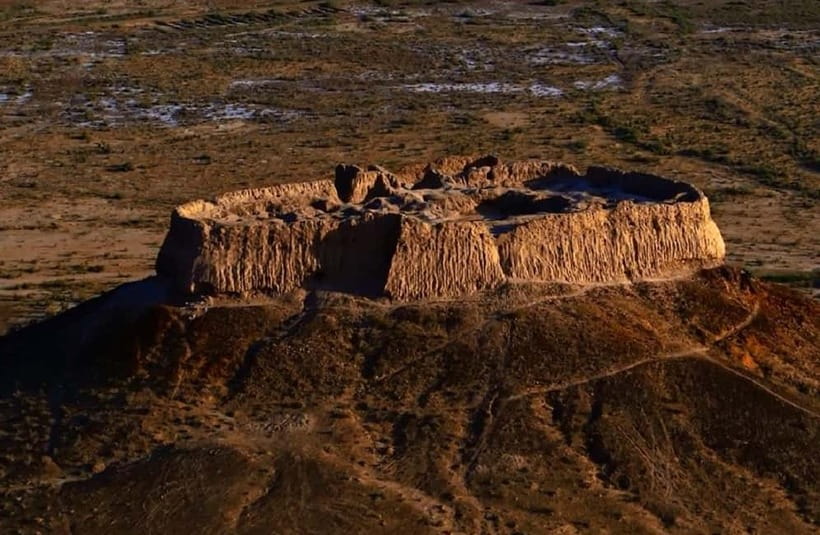
If your Uzbekistan plan includes both Bukhara and Khiva, this is the smart way to connect them. Instead of burning a full day in a car, you spend that time at Khorezm Oasis fortresses that help you picture how the region worked centuries ago.
I like the clear payoff: Toprakkala, Kizilkala (sometimes shown as Kyzykkala in place names), and Ayazkala. Each stop has a different job—capital-level clay fortress, a garrison stop, then an oasis border defense—so the day doesn’t feel repetitive.
The “private” part is real value here. You’re picked up from your hotel in Bukhara, driven in an A/C vehicle, and dropped back off in Khiva at your hotel. That means less taxi math and fewer timetable headaches.
You can also read our reviews of more tours and experiences in Khiva.
The 9 Hours of Driving: Comfort, Timing, and Desert Time
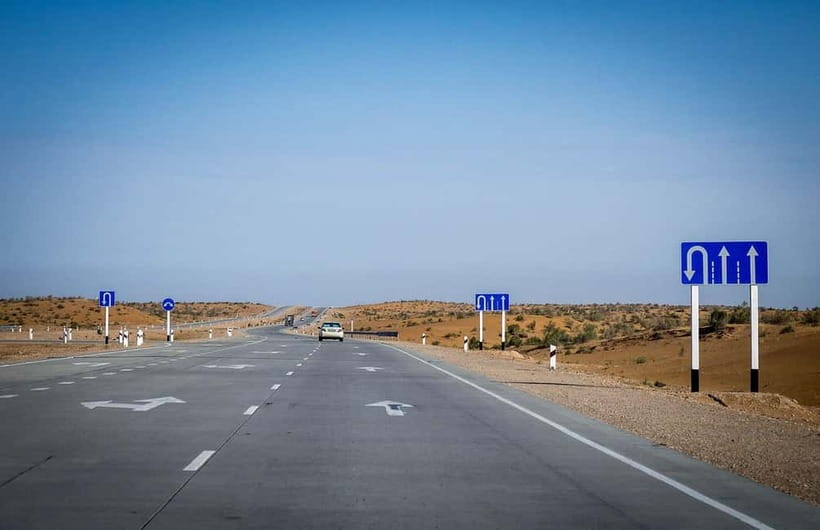
This tour runs about 9 hours total. That includes the road from Bukhara toward Khiva, fortress visits, and an estimated lunch stop en route, before your transfer finishes with arrival in Khiva.
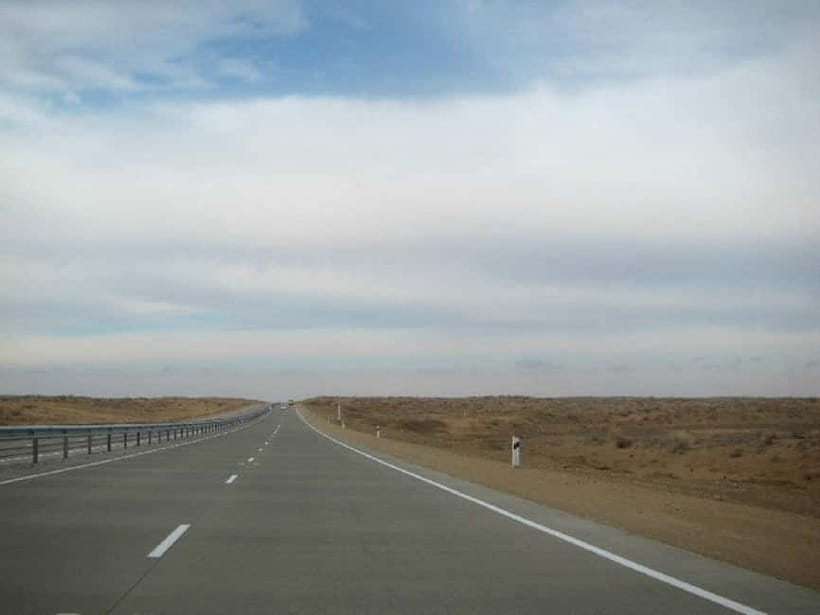
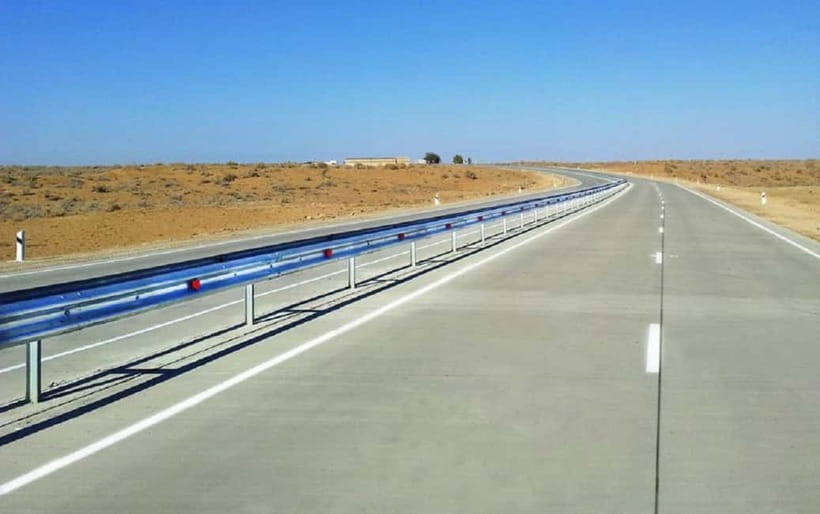
The route also includes time through the Kizilkum Desert zone. Translation: expect big open stretches and that “we’re really out here” feeling when you step away from the main cities. If you’re prone to motion sickness, it’s worth having what you need ready, since you’ll be on the road for a while.
A/C helps, but the day is still outdoors. Wear comfortable shoes first, then think warm clothing second. One key detail: the tour notes you shouldn’t bring drinks into the vehicle and also says food isn’t allowed in the vehicle. Plan water breaks outside and keep any snacks for designated stops.
Toprakkala: Clay Fortress and Early Khorezm Clues
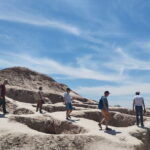
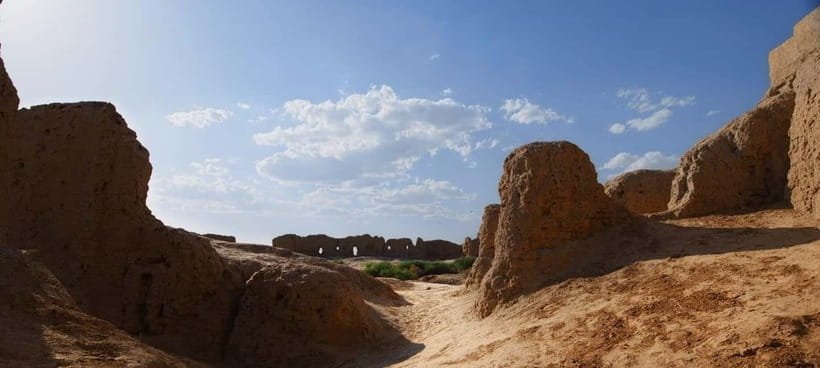
Toprakkala is the first major stop and the one that sets the tone. This site is described as the first capital of Khorezm, with the meaning “Clay Fortress.” It’s not just ruins for looking at—this place comes with evidence that people were organizing city life early.
What you’re looking for here:
- Plans of the city were found, which points to real state organization.
- Early written sources of Khorezm were discovered.
- A calendar and plaster statuettes of singers were among the finds.
That last detail always makes me smile. You’re standing in an ancient place and you can almost hear what those singers might have been like. It’s also a good mental trick for this kind of site: try to picture daily life, not only defenses and rulers.
Practical note: you’ll want a camera and time to wander slowly. Sites like this can look similar at first glance—until you’re shown what to pay attention to.
Kizilkala (Red Fortress): The Garrison Stop With Atmosphere
Next comes Kizilkala, the Red Fortress. The name comes from the color of the clay, and the site functions as a garrison fortress along the oasis routes.
This stop is important because it gives you contrast. After Toprakkala’s capital-level focus, Kizilkala feels more like the nuts-and-bolts side of keeping an oasis alive. Fortresses in this region weren’t just monuments; they were part of how people controlled routes and protected the settlement zone.
Expect:
- A shorter, more “along the way” feel than Ayazkala.
- A chance to see how the fortification logic changes across the day.
- Plenty of open, airy views around the site.
If you like archaeology that helps you understand strategy—who guarded what, and why—this is one of the most satisfying stops.
Ayazkala Fortress: Severe Frost, Border Defense, Three-Part Layout
If there’s one site that can make the day feel like a time machine, it’s Ayazkala. The name given here translates to Severe Frost Fortress, and the explanation is practical: you understand the name more in winter because the steppe cold is harsh.
What makes Ayazkala stand out is the structure and placement:
- It’s an important oasis fortress built around the perimeter of the oasis borders.
- The goal was to protect against raids of nomads from the north.
- The fortress consists of three parts, and it’s described as one of the most remote yet well-organized and protected.
That “three parts” detail matters. It helps you read the site like a system rather than a single pile of walls. Even if the ruins aren’t fully restored, the layout gives you a clear sense of how defenders might have moved, watched, and held positions.
Practical advice: bring warm layers even if Bukhara felt mild when you left. Also, give yourself extra time here. You’ll want slow pauses to look at the perimeter feel of the defenses and think about how exposed this position must be.
Lunch on the Road: What the Day Feels Like Between Sites
There’s an estimated lunch stop on the way. One of the drivers’ choices that shows up in feedback is a stop at a yurt camp for lunch.
That’s usually a good fit for this part of Uzbekistan: simple food, a chance to warm up, and a break from standing under the sun (or wind) between monuments.
Two rules you’ll want to follow:
- Don’t plan on eating inside the vehicle.
- Don’t plan on having drinks inside the vehicle.
So instead of bringing a full picnic-and-chill setup, think “snacks and water for outside stops” and follow whatever the driver recommends for the lunch break.
How Drivers Make This Tour (Names You’ll See in Feedback)
This experience leans heavily on the driver/guide for context. The tour notes the driver provides English and Russian support, and the stronger feedback consistently highlights clear explanations and safe driving.
In the feedback, names like Pavlik, Jasur, Ali, and Ulugkbek come up. You’ll see a pattern: people describe drivers as friendly, careful on the road, and willing to point out what matters at each site.
Why that matters: fortresses like Toprakkala and Ayazkala can feel confusing if you only see bricks and earth. With the right driver, you start noticing what the site is trying to tell you—city planning evidence at Toprakkala, garrison logic at Kizilkala, and the border defense system at Ayazkala.
Arrival in Khiva: Dropped at Your Hotel
This transfer ends with arrival in Khiva and drop-off at your hotel. That’s not a small detail. Khiva can be tricky to navigate depending on where your accommodation sits, and getting dropped at the right place keeps your evening flexible.
The day also ends in a different mood than Bukhara. After all that desert and fortress time, Khiva feels more intimate and human-scaled. You’ll likely want to pace yourself the rest of the night: showers, dinner, and a calm walk to reset your legs.
Price and Logistics: When $160 Is Good Value
The price is $160 per group up to 3. That’s where the math gets interesting.
- If you book as three people, you’re effectively paying about $53 per person for a private A/C vehicle plus multiple fortress visits and monument entry handling (note: tickets are not included).
- If you’re traveling as one or two, the per-person cost climbs, and you should weigh it against the value of a private vehicle and hotel-to-hotel pickup/drop-off.
Also plan for entrance tickets: they’re listed as not included, and the estimate given is $1–2 per monument per person. That’s usually small, but it’s still worth bringing cash or being ready to pay whatever the local site asks.
The included portion is straightforward and useful:
- A/C vehicle
- pickup and drop-off in both cities (from your Bukhara hotel and to your Khiva hotel)
- visits to Toprakkala, Kizilkala, and Ayazkala
- all fees and taxes for the tour service itself
One small caution from feedback: there’s at least one case where communication near the date wasn’t great. So if you’re strict about timing, keep your own schedule notes and confirm key pickup times the day before.
What to Bring (and What to Leave Behind)
The tour’s practical advice is spot-on. Here’s what I’d treat as essential:
- Comfortable shoes with good grip (you’ll walk outdoors)
- Sunglasses (open desert and bright sun)
- Comfortable clothes, plus warm layers if you’re going in cooler months
- Camera for the clay-fortress details and open views
And remember the rule: stay hydrated, but don’t assume you can keep drinks in the vehicle. Plan water around the stops instead.
Who This Tour Fits Best
This is a great fit if:
- You’re traveling between Bukhara and Khiva anyway and want to use that day wisely.
- You like seeing how places connect: capital power at Toprakkala, frontier pressure at Kizilkala and Ayazkala.
- You prefer a private format over joining a larger group with less flexibility.
It may be less ideal if you hate long drives or you want only “major restored attractions.” These fortresses aren’t about polished interiors. They’re about reading the terrain and understanding how people defended and organized the oasis world.
Should You Book This Bukhara to Khiva Fortress Transfer?
With an overall rating of 4.5 from 101 reviews, the big message is consistency: people feel the day is worth it because it turns a necessary transfer into real walking history.
I’d book it if you want value from your time and you like sites with purpose—fortresses that explain how the Khorezm Oasis worked. It’s especially worthwhile for couples or friends up to three people, since the group price spreads out nicely.
Skip it (or reconsider) if you’re traveling solo and the per-person cost feels too high, or if you’re not comfortable with a full day outdoors plus a long road segment.
If you do book: pack warm clothes, wear shoes you can trust, and give yourself mental space to enjoy the ride. The best part isn’t only the ruins—it’s how the day teaches you to connect deserts, defenses, and human planning into one story.
FAQ
How long is the tour from Bukhara to Khiva?
It lasts about 9 hours, including pickup, fortress visits, an estimated lunch stop, and arrival with hotel drop-off in Khiva.
What fortresses are visited on this day trip?
You’ll visit Toprakkala, Kizilkala (Red Fortress), and Ayazkala.
What is the route from Bukhara to Khiva?
The route goes from Bukhara to the fortress sites—Toprakkala, Kizilkala/Kyzykkala, and Ayazkala—then continues to Khiva.
Is the vehicle private and is there A/C?
Yes. This is a private group with an A/C vehicle.
How much does it cost?
The price is $160 per group for up to 3 people.
Are entrance tickets included?
No. Entrance tickets are not included and are estimated at about $1–2 per monument per person.
What should I bring for the day?
Wear comfortable shoes and comfortable clothes. Sunglasses are recommended, and warm clothing is especially important if you visit in winter. Also, bring water and a camera.