REVIEW · BELGRADE
Belgrade: Yugoslavia History Tour
Book on GetYourGuide →Operated by Belgo d.o.o. · Bookable on GetYourGuide
Yugoslavia’s story hits hard in Belgrade. This 3-hour tour strings together Tito’s life and the buildings he helped shape, from old memory sites to Cold War-era icons. I especially like how the route pairs political history with brutalist architecture, so the city looks like an argument you can walk around. One thing to consider: the overall quality can hinge on the guide, and one past review flagged a guide who didn’t seem as prepared.
You’ll cover the Kingdom era, Tito’s Yugoslavia, and the rise-and-fall of the country, plus war, monarchy, communism, and how different ethnic and religious communities fit into the story. Expect an English live guide, comfy transport between stops, and entry included for the Museum of Yugoslavia.
In This Review
- Key highlights worth your attention
- Why Belgrade’s Yugoslav story still shapes the city
- Price and what you’re really buying for $109
- Who this tour is best for (and who should think twice)
- Old Fairgrounds: where memory starts before monuments
- New Belgrade blocks: modern housing shaped by ideology
- Hotel Yugoslavia and Genex Tower: brutalism with political electricity
- Museum of Yugoslavia: where the story gets organized
- Tito’s life: the guide’s thread that keeps the chaos understandable
- War, monarchy, and multiple perspectives you’ll hear
- Conspiracy theories and urban legends: treat them as a flavor, not a verdict
- Comfort, timing, and how not to feel rushed
- What the best version of this tour feels like
- Should you book this Belgrade Yugoslavia History Tour?
- FAQ
- How long is the Belgrade: Yugoslavia History Tour?
- What does the tour cost?
- Which sites are included in the tour?
- Is entry to the Museum of Yugoslavia included?
- Do I get transport during the tour?
- What language is the tour guide?
- Can I cancel for a refund?
Key highlights worth your attention
- Old Fairgrounds: a starting point that frames the rest of the story in real place
- New Belgrade blocks: modern housing architecture tied to political ambitions
- Hotel Yugoslavia + Genex Tower: brutalism with Cold War symbolism
- Museum of Yugoslavia: the clearest way to connect ideology to objects and design
- Tito’s life as a thread: not just names and dates, but why the man mattered
- War, monarchy, and competing viewpoints: one nation shown from multiple angles
Why Belgrade’s Yugoslav story still shapes the city
Belgrade isn’t just historic. It feels like history is still under construction. That’s what makes this tour so interesting: it treats Yugoslavia as something bigger than a textbook chapter. You’ll see how the country’s political swings left physical marks—especially in the kind of architecture you can spot from across the street.
I like that the tour aims for an objective perspective, with attention to multiple ethnic, religious, and ideological viewpoints. You come away with a clearer sense of how a specific region built a state identity, then watched it fracture.
You can also read our reviews of more tours and experiences in Belgrade.


Price and what you’re really buying for $109
At $109 per person for 3 hours, you’re paying for two things: (1) a guide who knows Yugoslav history and culture, and (2) transport so you can cover major sites efficiently without turning your afternoon into a map puzzle. Museum of Yugoslavia entry is included, which matters because it’s the one stop you’ll probably want to take your time in.
Is it the cheapest option? Maybe not. But for Belgrade’s heavy themes—Tito, communism, war—having a guide who can connect the dots is the real value. You’ll also benefit from the included transport, which keeps the pacing tight and keeps you from wasting time between distant landmarks.
Who this tour is best for (and who should think twice)
This works well if you:
- want a fast but structured way to understand Yugoslavia’s rise and fall
- enjoy architecture tours when they’re tied to politics and everyday life
- like history that includes competing angles, not a single straight-line narrative
You might think twice if you:
- prefer purely light city sights with minimal political context
- are hoping for a super detailed museum-style explanation at every stop (this is 3 hours, so it’s guided and focused rather than slow and deep)
Old Fairgrounds: where memory starts before monuments
The Old Fairgrounds stop is a strong opener because it sets a tone. Even if you don’t know Yugoslav history yet, the place helps you understand that this story isn’t abstract. It’s tied to real spaces where events left long shadows.
What I like about starting here is the framing effect. From this point, the tour can point at later architecture and say, in plain terms, this wasn’t random design. Buildings and layout reflect ideology, power, and the anxieties of the era.
New Belgrade blocks: modern housing shaped by ideology
Next up is New Belgrade, especially the block-like urban fabric that people associate with Yugoslav-era modernization. You’ll get a look at the “blocks” area as more than just concrete. The tour treats these neighborhoods as part of a bigger plan—how a country imagined the future for its people.
Here’s what you can take away: architecture can tell you what leaders wanted to believe about society. Even when the details are imperfect or heavy, the buildings show the ambition behind them. You’ll also hear how communism influenced customs and culture, and how the city’s layout became a visual language for that influence.
Hotel Yugoslavia and Genex Tower: brutalism with political electricity
Two stops that history lovers usually clock immediately are Hotel Yugoslavia and Genex Tower. These are the kinds of landmarks where you can feel the Cold War mood just by looking. Brutalism here isn’t only about style. It’s about certainty, power, and the promise that the state could shape modern life.
Hotel Yugoslavia matters because it sits at the intersection of luxury, propaganda-era planning, and Yugoslavia’s place in a divided world. Genex Tower brings a more iconic silhouette—one you’ll likely recognize even before you arrive. The guide’s job is to connect what you see (the form, the scale, the design choices) with what was being argued politically at the time.
A practical tip: at these big visual stops, bring your patience for photos, but don’t rush the meaning. The architecture is the hook—history is the payoff.
Museum of Yugoslavia: where the story gets organized
The Museum of Yugoslavia is where your understanding clicks into place. Entry fees are included, so you don’t have to add another cost or decide on the spot.
In a tour like this, museums can either feel like extra work or like the place where everything lands. Here, the museum stop is designed for context: you’ll connect the Kingdom of Yugoslavia era, Tito’s Yugoslavia, the communist ideology, and the eventual disintegration of the country into one clearer arc.
If you only do one part slowly, make it the museum. The tour is only 3 hours, so you’ll want to be ready to read, look, and ask questions while you’re there—especially if the guide is explaining how different ethnic and religious perspectives shaped the region.
Tito’s life: the guide’s thread that keeps the chaos understandable
Tito can sound like a name you know from history class. On this tour, his life is used as a thread that pulls events into focus. Instead of listing leaders like a scoreboard, you get the human scale of leadership—how one man’s choices and Yugoslavia’s ideology shaped policy, culture, and how people lived.
This is where the best guides shine. One of the strongest bits of feedback on this tour is praise for a guide who really knows the subject. When that happens, Tito turns from a distant figure into a lens for understanding why certain buildings, customs, and political shifts appeared when they did.
War, monarchy, and multiple perspectives you’ll hear
This tour covers the Kingdom of Yugoslavia, Tito’s period, and the conflicts and transformations between them. That matters because Yugoslavia wasn’t one simple story. It had monarchy, then communism, then violent breakup. The “why” behind that shift is the key.
You’ll also hear about the diverse ethnic, religious, and ideological perspectives that shaped the region. That’s not just background noise. It helps you avoid the mistake of thinking Yugoslavia’s end came from one cause only. It came from competing identities and political narratives colliding—over time.
If you like history that includes nuance, this is one of the reasons the tour earns strong satisfaction. It points at complexity without turning everything into word salad.
Conspiracy theories and urban legends: treat them as a flavor, not a verdict
The tour includes conspiracy theories and urban legends. That doesn’t mean you should treat them as fact. Instead, think of them as cultural weather. They show what people believed, feared, or joked about during different eras.
A good guide will help you hold two ideas at once: myths can be revealing even if they’re not literal. They show what institutions were trusted, what was doubted, and which stories people repeated because they wanted meaning.
If you’re the type who loves hearing side-stories, you’ll likely enjoy this angle. If you only want strict historical documentation, just keep an internal filter and let the myths highlight the mood rather than replace the facts.
Comfort, timing, and how not to feel rushed
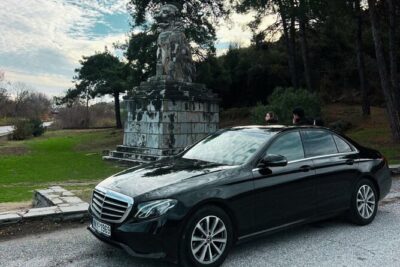
You have a 3-hour window, and the tour uses comfortable transport between stops. That’s a practical advantage in Belgrade, where distances can surprise you and parking can be annoying.
The tight timeline is also the reason to set expectations: you’re getting a guided arc, not a slow, self-guided deep study of each site. If you’re the “linger at details” type, you’ll probably want to plan extra time later to return to the Museum of Yugoslavia or to whichever architectural landmark you like most.
One thing to watch: one review criticized a guide who seemed like a student and not a fully prepared guide. That’s not typical of what you want. If you’re booking, it’s worth choosing a time slot where you expect a more experienced guide, or be ready to ask questions early so the tour doesn’t drift.
What the best version of this tour feels like
When the guide is strong, the tour becomes more than site viewing. You start connecting themes:
- how ideology can show up as design choices
- how war and political shifts change public space
- how one leader’s story can help you interpret a whole national transformation
This tour’s rating—4.6 with 7 reviews—leans positive overall, and multiple comments point to knowledgeable guidance. The one lower rating points to insufficient information from a less experienced guide, with the driver still getting praise. Translation: the transportation is consistent, but the historical storytelling depends on who leads it.
Should you book this Belgrade Yugoslavia History Tour?
I’d recommend booking if you want a structured, 3-hour way to understand Yugoslavia through Tito, communism, war, and the brutalist architecture that still defines Belgrade’s look. The included museum entry and transport make the value feel more real than a “quick walk and photo” tour.
Skip it or think twice if you:
- want only general sightseeing with minimal politics
- expect museum-level time at every stop
- get nervous when you see that guide experience can vary
If you do book, go in curious rather than certain. Bring questions like what the city tried to promise, what it couldn’t deliver, and how people shaped everyday culture under shifting systems. That mindset makes the stops click fast—and you’ll leave with Belgrade feeling far less mysterious.
FAQ
How long is the Belgrade: Yugoslavia History Tour?
It lasts 3 hours.
What does the tour cost?
The price is $109 per person.
Which sites are included in the tour?
You’ll visit the Old Fairgrounds, New Belgrade blocks, Hotel Yugoslavia, Genex Tower, and the Museum of Yugoslavia.
Is entry to the Museum of Yugoslavia included?
Yes, entry fees to the Museum of Yugoslavia are included.
Do I get transport during the tour?
Yes, comfortable transport is included to reach all tour sites.
What language is the tour guide?
The live tour guide is in English.
Can I cancel for a refund?
Yes. Free cancellation is available up to 24 hours in advance for a full refund.