REVIEW · WAIHEKE ISLAND
Waiheke Island History and Heritage Tour
Book on Viator →Operated by Terra & Tide · Bookable on Viator
Waiheke gets a new lens here. This 6-hour Māori-led heritage tour mixes sea views of the Hauraki Gulf with stories you won’t hear from the usual photo stops. You’ll get Hauraki Gulf and Auckland City views early, then shift into what Waiheke means through indigenous history.
I love the way the route moves from beach to bush to old fortifications. You’ll walk through native plants with traditional medicinal uses and then climb to a pa site where you can see remnants like kumara pits and shell middens. It’s not just scenic. It’s explanation on the spot.
The main catch is budget planning. The tour price covers the guide and guiding, but the ferry, lunch, and any wine or olive oil tastings are extra, so your final spend will be higher than the headline number.
In This Review
- Key highlights to know before you go
- Why Waiheke feels different when you start with Māori voices
- Getting oriented at the Matiatia wharf and the Hauraki Gulf viewpoints
- Oneroa stop: sea time, beach energy, and a smoother island rhythm
- Piritahi Marae and the meaning behind carving and tattooing
- Native bush walk: medicinal plants and bird-spotting tips
- Pa site summit: kumara pits, shell middens, and defensive terraces
- Lunch at a local café, plus optional wine and olive oil tastings
- Price, timing, and whether $381.65 feels fair
- Who this tour suits best (and where it might not fit)
- Should you book this Waiheke Island History and Heritage Tour?
- FAQ
- Where does the tour start?
- How long is the tour?
- Is the ferry included in the price?
- Does the tour include lunch?
- What’s included in the tour?
- Does the price include wine or olive oil tasting?
- What group size is this tour?
- Is there free cancellation?
Key highlights to know before you go
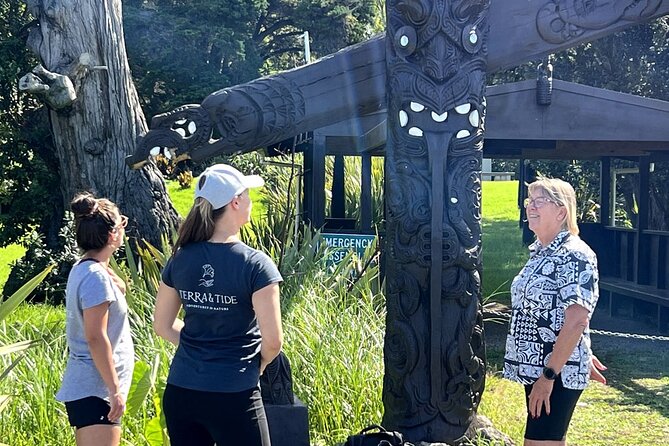
- Māori perspective, not a generic island overview: carving, traditional tattooing, Māori language revitalisation, and colonisation’s impacts are central to the day.
- Native bush walk with practical plant stories: you’ll learn about traditional and medicinal Māori uses of what you’re seeing.
- Pa site remains you can actually interpret: kumara pits, shell middens, and defensive terraces make the past feel physical.
- Native bird-spotting is part of the plan: keep an eye out for tui, kereru, and piwakawaka.
- Small group size (max 12): more conversation, less herding, and easier pace control with the guide.
Why Waiheke feels different when you start with Māori voices
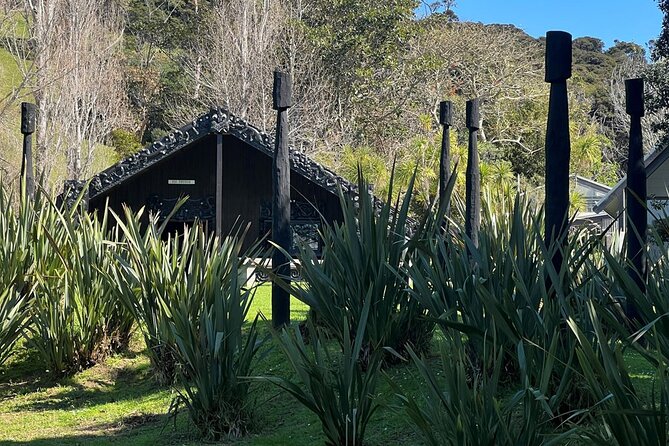
Waiheke is the kind of island that gets marketed for beaches, boats, and wine. This tour keeps that in the background and flips the focus. The story you get is about people first—what Waiheke meant, what still matters, and what changed.
You’ll learn about the focal point of the Māori community on Waiheke, including the significance of carving and traditional tattooing. Those topics can sound niche on paper. On the walk and at stops, they land differently, because you’re hearing how art, identity, and language connect. The tour also covers Māori language revitalisation and the impact of colonisation on Māori people, so the day isn’t just about old times. It’s also about resilience and cultural continuity.
This matters for your experience. If you only do scenic viewpoints, Waiheke can feel like a set of pretty postcards. With this tour, you get context that changes what you notice: why certain places are cared for, why plants show up in stories, and why the shape of old settlements still matters.
And because the guide is local and focused on heritage, you’re not stuck with museum-style facts. You’re getting place-based explanations in real time.
Getting oriented at the Matiatia wharf and the Hauraki Gulf viewpoints
You start at the Fullers360 Matiatia ticket office at 1 Ocean View Road, Oneroa. The start time is 9:45 am, and the day is designed around the ferry rhythm—so you’re not running late and stressing about the 4 pm return.
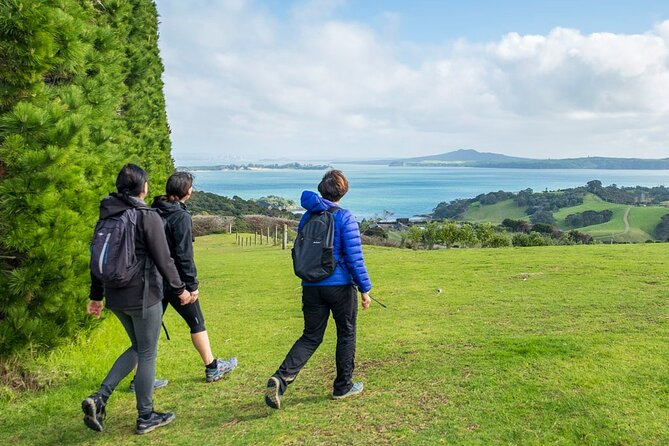
Right away, you’ll get an orientation around Waiheke with big-sky sea views. Expect Hauraki Gulf, Auckland City, and Pacific Ocean panoramas. These viewpoints aren’t only for photos. They help you understand the island’s geography before you start walking and learning. Once you can picture where things sit relative to the sea, the rest of the day makes more sense.
A practical note: the tour is about 6 hours, so you should treat it like a full morning-to-afternoon block. Wear shoes you’re happy to use on uneven ground. Bring sunscreen and a layer. Waiheke’s weather can change, and native bush walks tend to be a little cooler than the waterfront.
Also, since this tour uses a mobile ticket, you can usually keep everything tidy on your phone and not fuss with printed documents.
Oneroa stop: sea time, beach energy, and a smoother island rhythm
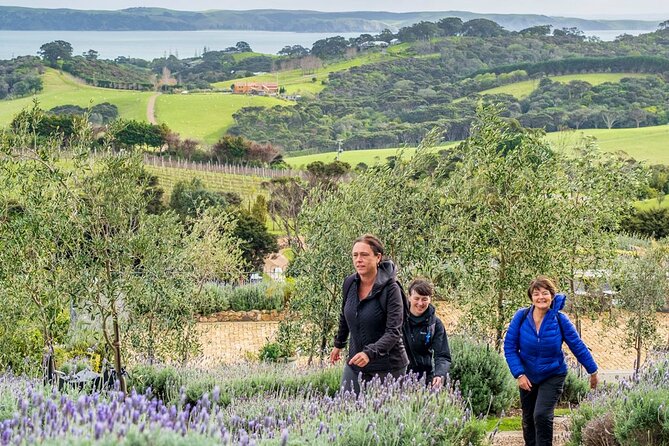
One of the first stops is Oneroa, Waiheke’s main village. Even if you already plan to browse here on your own, having it built into the tour is useful. You get context for what you’re seeing and a guided sense of where to spend time after.
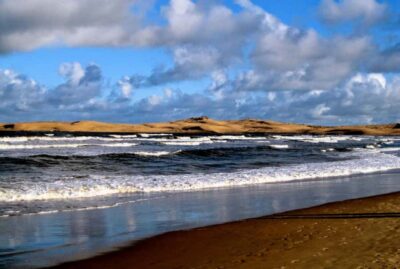
You’re likely to spend time around beaches—white sand, sea views, and the relaxed island mood. Oneroa is also where many people naturally want to shop, pick up a small gift, or grab something to eat on their own schedule. Having the guided framework early helps you decide what’s worth your time versus what you can skip.
There’s one tradeoff to keep in mind: because the tour is focused on Māori heritage and specific learning stops, it’s not a “do whatever you want for hours” format. If you’re hoping for lots of free-flow beach lounging, you may feel you’re moving more than you’d like. The good news is the day is still balanced: you get breaks and you end in time for the return ferry.
Piritahi Marae and the meaning behind carving and tattooing
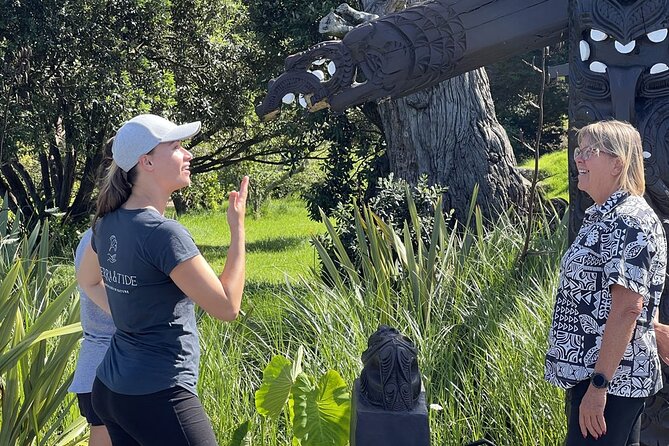
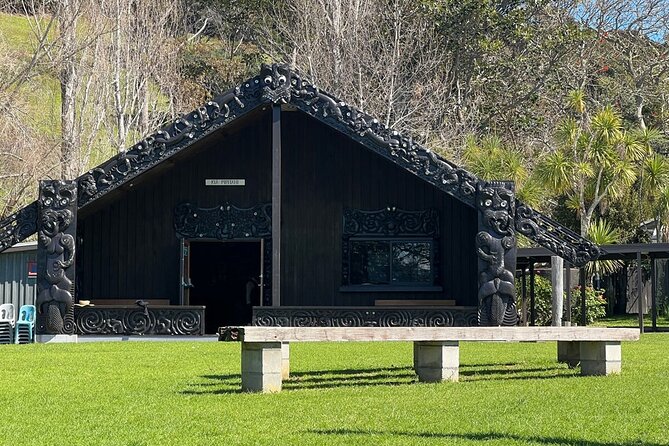
A major part of this experience is a visit to the focal point of the Māori community on Waiheke. This is where the day becomes more than scenery. You’ll hear the significance of carving and traditional tattooing—how they relate to identity, knowledge, and belonging.
This is also where you’ll learn about Māori language revitalisation. That’s important because it shifts the story from “heritage as something finished” to “heritage as something living.” You don’t just hear about the past; you learn how the community continues to strengthen language and cultural practice.
Then there’s colonisation and its impact on Māori people. It’s discussed as part of the broader story, not as a side note. That balance matters. You’re not only told what was lost—you’re also shown how people continue to carry culture forward.
In a day like this, you’ll get the most out of it if you go in with a curious mindset rather than a checklist. Ask yourself: what does this place mean, and why is it treated with care? The guide’s explanations help you connect the details—carving patterns, language, and the meaning behind traditional practices—to specific places on the island.
Native bush walk: medicinal plants and bird-spotting tips
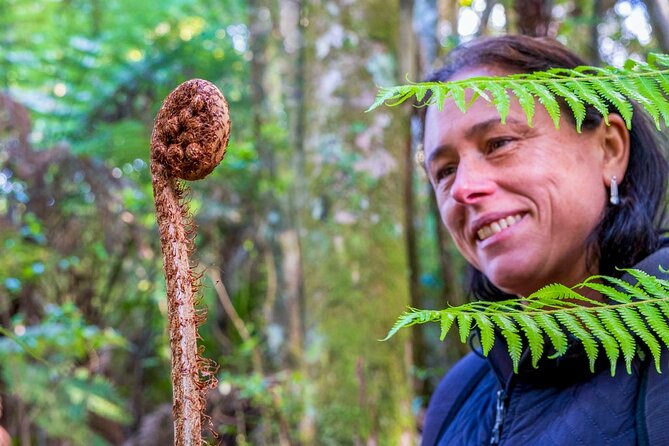
After the cultural stops, you’ll move into native bush. This is one of my favorite styles of touring because it’s active and grounded. You’re not just hearing in a vehicle. You’re walking among the actual plants that form the stories.
Your guide will explain traditional and medicinal Māori uses of native plants. The key is that this doesn’t sound like a lecture. It’s presented as part of navigating and observing. You’ll learn what certain plants are known for, and why they matter beyond being “pretty vegetation.”
As you walk, keep your eyes open for native birds. The tour notes a likely chance of seeing tui, kereru, and piwakawaka. You don’t need to be a birder to enjoy it—you just need to slow down for a few minutes and look up or listen for movement.
Practical tip: wear long enough sleeves if you’re sensitive to wind and sun, and carry water. You’re walking in bush and also climbing later to a pa site summit area, so your body will appreciate hydration.
Also, because this is a small-group experience (max 12), the guide can often adjust pace. If someone in your group needs a slower rhythm, it’s usually easier to manage in a smaller group than in a big bus tour.
Pa site summit: kumara pits, shell middens, and defensive terraces
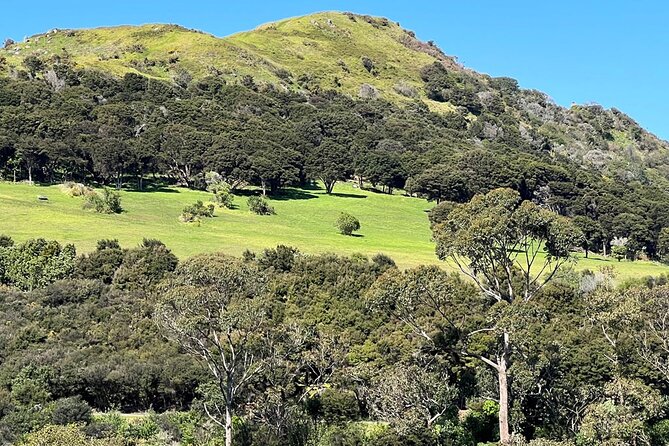
One of the most tangible parts of the day is the guided walk that takes you to the summit of a pa (fortified village) site. Here, you’ll see archaeological remains, including kumara pits, shell middens, and defensive terraces.
This is where understanding hits differently. From far away, it can look like a patch of land. Up close, you start reading the ground: where people stored kūmara, how food systems worked, and how settlement design supported defense and survival. Shell middens can be especially striking because they feel like a record of daily life, layer by layer.
The tour’s framing helps you interpret what you’re seeing. Instead of treating these as random ruins, you get the logic behind them. You learn how people adapted to their environment and how the site functioned over time.
There’s also a useful emotional effect. When a place like this is described through community knowledge—rather than only from an outside academic lens—it feels more connected to identity. You’re not just looking at history. You’re being shown heritage in physical form.
A consideration: you should expect some uneven ground and walking uphill. The tour says most people can participate, but it’s still outdoors and active. If you prefer fully flat strolls, you might find parts of the pa-site climb a bit demanding.
Lunch at a local café, plus optional wine and olive oil tastings
Lunch is scheduled at a local café. The tour includes the fact that you’ll stop for food and coffee, but lunch itself isn’t included in the price. So bring some cash or a card and plan for your own meal order.
This is a good setup for most people. You can eat without feeling rushed, and you can choose what you want rather than being locked into a preset meal. Since the day is about heritage and walking, having a café pause keeps energy steady for the afternoon learning and the return timing.
You’ll also see references to wine and olive oil tasting as add-ons that are not included. If tastings matter to you, treat them as an extra spend you’ll have to budget for. If they don’t, you can skip and use the time for water, rest, or shopping in Oneroa before heading back to the ferry.
If you like planning ahead: decide whether you want tastings after lunch or whether you’d rather reserve your energy for the walk and the pa-site segment. Either choice keeps the day balanced—you just won’t be surprised by the extra cost later.
Price, timing, and whether $381.65 feels fair
At $381.65 per person, this tour sits in the higher end of Waiheke day experiences. For me, the value question comes down to what’s included versus what you’d likely spend anyway.
Here’s what you get as part of the price: an expert local guide and a full day that strings together orientation, cultural interpretation, bush walking, and pa-site archaeology context. The group size is capped at 12, which often means more interaction and less “stand here and listen while the van idles.”
What isn’t included: ferry tickets, lunch, and wine and olive oil tastings. Ferry tickets are listed at $42 return per adult, so that’s a real add-on you should factor in early. Add lunch and any tastings you choose, and the day will cost more than the initial headline figure.
Is it worth it? If you want a heritage-focused day with Māori-led interpretation and active nature walking, the price can make sense. If your top priority is beach time with lots of freedom and minimal guiding, you might feel it’s too structured.
Booking about 66 days in advance also tells you something: this isn’t a last-minute “whatever happens” style product. If you know you want it on a specific day, earlier booking is smart.
Bottom line: it’s best when you want story + site-based learning, not when you’re only shopping for a scenery ride.
Who this tour suits best (and where it might not fit)
This is a strong match for you if you:
- Want Waiheke from a Māori perspective, not a generic island summary
- Enjoy guided walking with real stops and explanations
- Like nature walking where you learn about plants and birds, not just take photos
- Prefer small groups and conversation over crowd schedules
It may not be the best fit if you:
- Want a mostly free day with long beach downtime
- Strongly prefer low-effort walking and fully accessible terrain
- Don’t want to pay extra for ferry and meals once you arrive
Also, if you’re traveling with kids or multi-generational family members, a smaller group can be a plus. The guide can often tailor the day within the framework, which is useful when needs vary.
In fact, one of the things I like about the experience concept is flexibility. A guide named Justine has been praised for tailoring the day to visitor needs, whether that’s adjusting walking length or adding time for small gifts and shopping. Even if your guide isn’t Justine, the point is clear: expect a human, not a script.
Should you book this Waiheke Island History and Heritage Tour?
Book it if you want Waiheke to mean something beyond the views. This tour gives you the cultural context—carving, traditional tattooing, language revitalisation, and colonisation’s impact—then backs it up with place-based seeing in native bush and at pa site remains.
Skip it (or compare alternatives) if your day is all about relaxing on beaches and you want minimal guided structure. Also, if you’re price-sensitive, do the math early for ferry + lunch + any tastings.
If you do book: wear good shoes, bring sun protection, and come with a question or two about what you’re seeing. That’s when the day clicks.
FAQ
Where does the tour start?
You meet at the Fullers360 Matiatia ticket office, 1 Ocean View Road, Oneroa, Auckland 1081, New Zealand.
How long is the tour?
The tour runs for about 6 hours.
Is the ferry included in the price?
No. Ferry tickets are not included. Tickets can be purchased from the provider for $42 per adult return.
Does the tour include lunch?
Lunch is at a local café, but lunch is not included in the tour price, so you’ll pay for your meal and coffee.
What’s included in the tour?
The tour includes an expert local guide.
Does the price include wine or olive oil tasting?
Wine and olive oil tastings are not included.
What group size is this tour?
The tour has a maximum of 12 travelers.
Is there free cancellation?
Yes. You can cancel for free up to 24 hours before the experience starts for a full refund.