REVIEW · WAIHEKE ISLAND
Waiheke Island Private History and Heritage Tour
Book on Viator →Operated by Terra & Tide · Bookable on Viator
Māori history on Waiheke has real weight. This private, 6-hour tour blends sea-view orientation with place-based stories about carving, traditional tattooing, language revival, and the effects of colonisation. You’ll start the day with your guide at the wharf and work your way across Waiheke toward an archaeology-rich pa site.
I especially like the native bush walk where plant knowledge goes beyond facts and into everyday traditional use. I also like the pa-site summit look at kumara pits, shell middens, and defensive terraces—easy to appreciate, and hard to forget.
One thing to consider: if you’re hoping to wander onto a Māori community marae like it’s a public building, adjust your expectations first. Access follows a formal welcome (powhiri), and the marae isn’t set up for visitors to drop in without that process.
In This Review
- Key highlights you’ll feel right away
- Setting the tone on Waiheke: sea views first, then meaning
- Private tour value: paying for focus, not just driving
- Stop at Oneroa: a quick start where you can settle in
- White-sand beaches and the stories that attach to them
- Māori community focus: carving, tattooing, language, and colonisation
- Native bush walk: medicinal plants and birdlife you might actually see
- Summit pa site archaeology: kumara pits, shell middens, defensive terraces
- Lunch at a local café: plan for food costs
- Ferry and timing: how the day stays smooth
- Getting your value for $465.43 per person
- Who this tour suits best (and who should skip it)
- Should you book Waiheke Island Private History and Heritage?
- FAQ
- How long is the Waiheke Island Private History and Heritage Tour?
- What time does the tour start, and where do I meet the guide?
- Is lunch included?
- Do I need ferry tickets to go to Waiheke?
- Is this tour private?
- Can I cancel for a full refund?
Key highlights you’ll feel right away
- Hauraki Gulf and Auckland city views to help you “get your bearings fast” before you start learning
- Māori heritage focus on carving, traditional tattooing, te reo revitalisation, and colonisation impacts
- Native bush plant knowledge tied to traditional medicinal uses
- Pa-site archaeology in one stop: kumara pits, shell middens, and defensive terraces
- Bird spotting on the walk (tui, kereru, and piwakawaka are possible)
- Real-world marae rules: no casual walk-in without a powhiri
Setting the tone on Waiheke: sea views first, then meaning
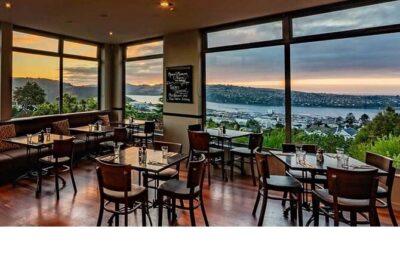
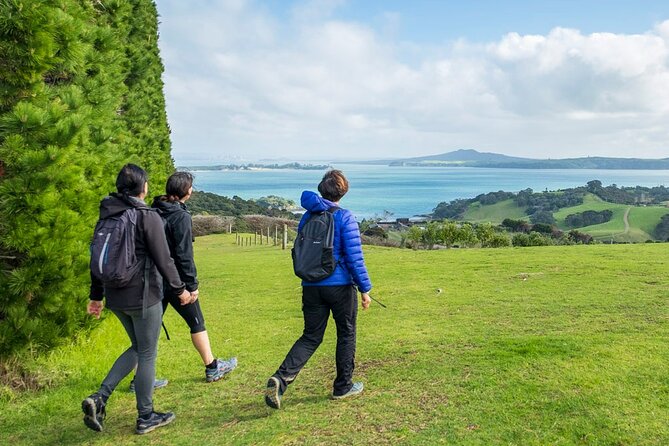
Waiheke makes a strong first impression. From early on, you’re looking out across the Hauraki Gulf with Auckland City and the Pacific Ocean in view. That matters because it turns the island from postcard scenery into a living place—wind, coast, ridges, and settlement patterns start to make sense once you can see how everything connects.
This tour then shifts from scenery to story. The day is intentionally framed through a Māori perspective, with your guide talking about the significance of carving and traditional tattooing and the role of language revitalisation. You’re not just collecting trivia; you’re learning how people understand land, identity, and memory.
The pace is also built for connection. It’s private, so you’re not stuck trying to hear over a crowd while your mind is still processing what you’re seeing from the viewpoints.
You can also read our reviews of more tours and experiences in Waiheke Island.
Private tour value: paying for focus, not just driving
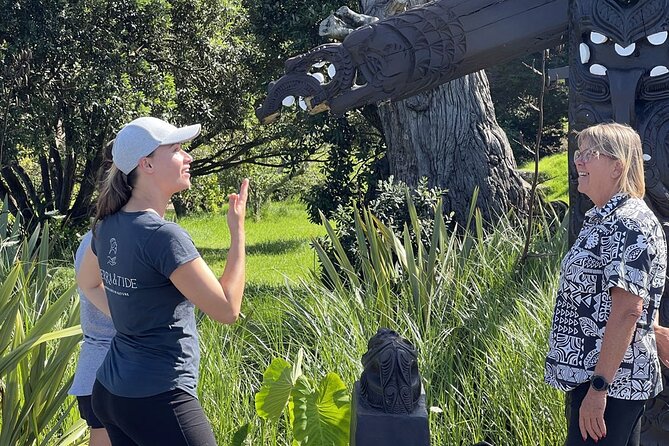
At $465.43 per person for a private outing, this is not the kind of tour you book to “check a box.” The value is that you’re paying for an expert local guide and a day structured around meaningful stops rather than maximum coverage.
A private format also changes the kind of questions you can ask. If something lands for you—like why carving and tattooing carry specific cultural weight—you can follow the thread. If the pa-site details confuse you at first (kumara pits and defensive terraces can sound abstract), your guide can slow down and translate what you’re looking at into plain, grounded explanation.
And yes, there’s practical benefit: you’re matched to a schedule that keeps you on track for the return ferry, without needing to coordinate transport yourself.
Stop at Oneroa: a quick start where you can settle in
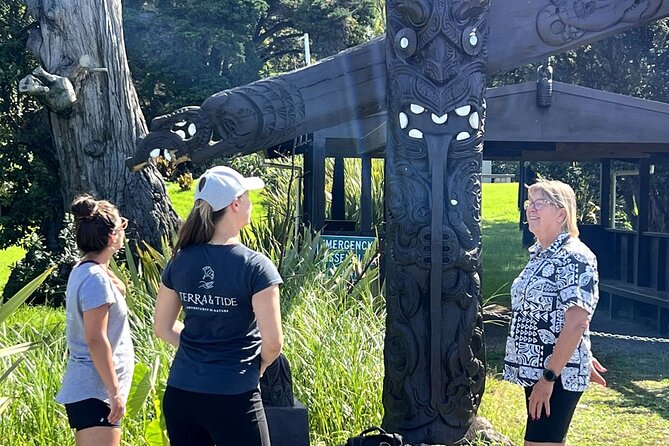
You meet at the Fullers360 Matiatia ticket office (1 Ocean View Road, Oneroa). The start time is 9:45 am, so you can get moving before the island gets too busy. Starting here helps because Oneroa is where many Waiheke days begin, and the morning timing gives you clearer light for views.
Your guide begins with orientation—think of it as getting the map inside your head. From there, you head out to beaches and key cultural areas with a better sense of where you are and why the geography matters.
If you’re the type who likes to arrive prepared, do yourself a favour: wear shoes you’re comfortable walking in. You’ll be doing a guided walk through native bush later, and the pa-site summit is not a “stand there for photos” moment.
White-sand beaches and the stories that attach to them
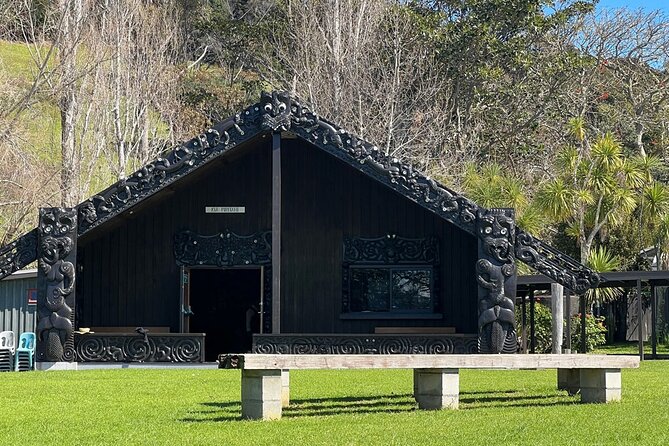
Waiheke beaches are famous for a reason. This tour includes stops at pristine white-sand beaches and uses them as story anchors. Your guide shares history and place-based narratives, turning “nice beach” into “this is part of a broader living landscape.”
Even if you’ve seen Waiheke before, you’ll likely notice how the guide connects the coast to community life and land use. It’s not about telling you to romanticise nature. It’s more practical than that: you learn how people read coastlines for shelter, food, movement, and settlement.
One helpful tip: bring sun protection. Those sea views come with real New Zealand light.
Māori community focus: carving, tattooing, language, and colonisation
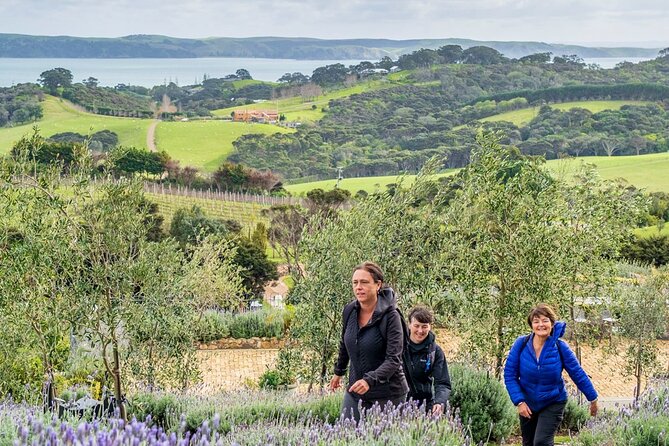
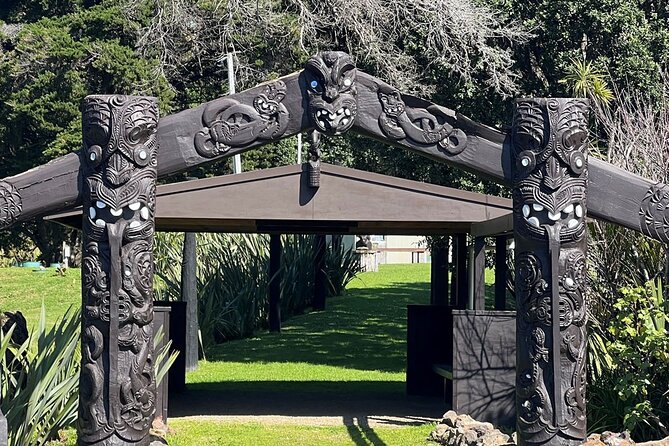
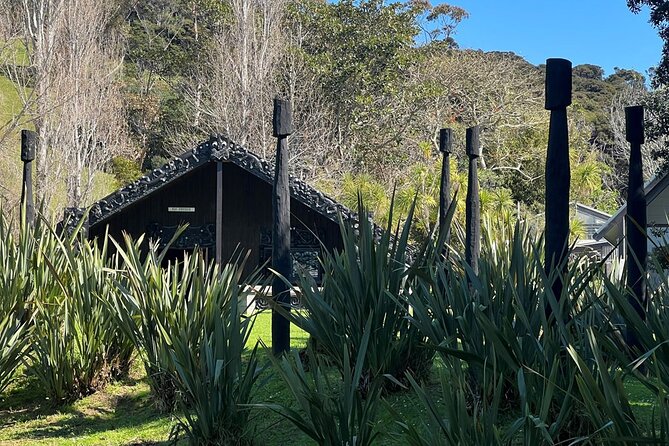
A core part of the tour is visiting the focal point of the Māori community on Waiheke. This is where the day’s cultural purpose becomes very clear. You’ll learn about the significance of carving and traditional tattooing—not as art for display, but as identity and knowledge carried through generations.
You’ll also hear about the revitalisation of Māori language and the impact of colonisation on Māori people. The reason I value this section is that it connects past and present. You can feel the difference between learning about “old customs” and learning about living culture adapting under pressure.
This is also where expectations matter. Some people arrive thinking they’ll simply tour any building they see. Here’s the reality: you can’t just walk onto a community marae. There’s a formal welcome (powhiri) that’s not a casual visitor experience, and the marae isn’t staffed for drop-in access. That can be disappointing if you expected entry as a guaranteed photo opportunity.
But it’s also part of why this tour feels respectful. You’re learning the rules of engagement, not just the content.
Native bush walk: medicinal plants and birdlife you might actually see
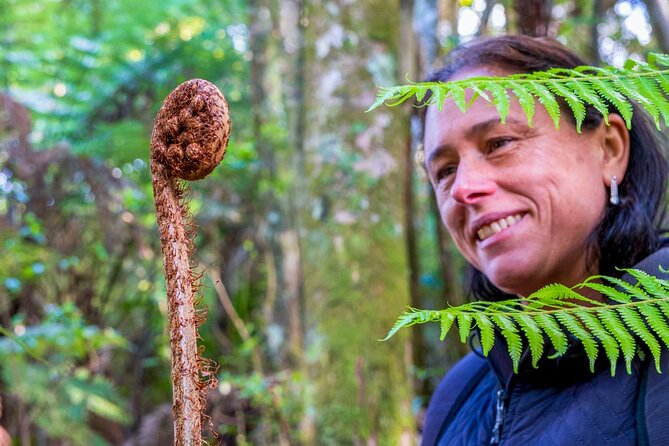
The guided walk through native bush is a highlight because it turns “green scenery” into specific knowledge. Your guide explains traditional and medicinal Māori uses of native plants. That’s more than naming species—it gives you a sense of how knowledge worked before modern medicine and how it still matters in culture today.
It also slows your day down in a good way. Waiheke is easy to speed through by car and end up with “I saw a few viewpoints.” The bush walk forces you to pay attention to smaller details: leaves, texture, and how the guide ties each plant back to use.
And yes, you might see native birds. The tour notes the possibility of tui, kereru, and piwakawaka. Even if you don’t spot all three, this section still delivers because birdlife is part of the same ecological story your guide is sharing.
If you’re prone to cold, bring a light layer. Bush shade plus coastal wind can cool you off.
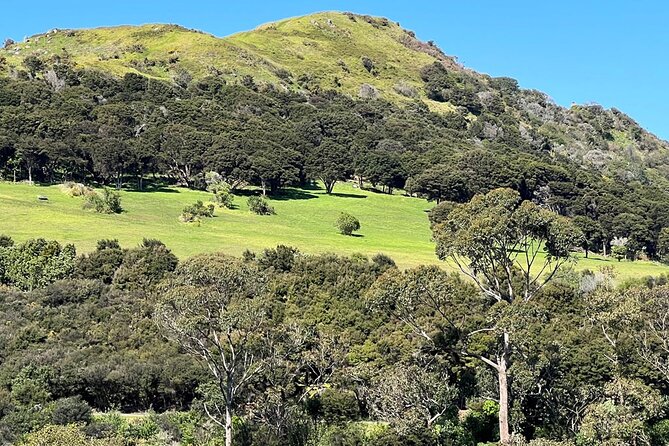
Summit pa site archaeology: kumara pits, shell middens, defensive terraces
After the bush walk, you head up to the summit of a pa (fortified village) site. This is where the tour becomes especially tangible.
You’ll see archaeological remains including:
- kumara pits
- shell middens
- defensive terraces
Those three elements together help you picture daily life and long-term planning. Kumara pits point to food storage and cultivation systems. Shell middens show what was gathered, eaten, and accumulated over time. Defensive terraces give you a sense of why fortifications mattered—people weren’t settling randomly; they were planning for survival and control.
This is also a section where your guide’s explanation really changes what you notice. Without guidance, pa sites can look like piles of earth and shoreline leftovers. With guidance, the same ground becomes a readable record of community structure and priorities.
Take a moment here to look around, not just at the ground. Pa sites often sit where you can watch movement. When you pair those viewpoints with the earlier sea-orientation, it clicks.
Lunch at a local café: plan for food costs
Lunch is included as a stop at a local café, but meals themselves are not listed as included. So budget for your own lunch order. The good news is the tour is designed around finding something local and easy to eat after walking and viewpoints.
If you’re choosing what to order, keep it simple: something filling but not too heavy. You still need energy for the return trip to the wharf and the ferry timing later.
The tour also mentions optional alcohol and tastings—wine and olive oil—though this is extra and capped at an optional cost that won’t exceed $50. If you’re doing the tasting, treat it like a bonus, not a requirement for the experience to feel complete.
Ferry and timing: how the day stays smooth
The tour ends back at the meeting point, with you returning in time for the 4:00 pm ferry. That timing is important because Waiheke logistics can get tight if you’re running late. The tour structure handles that for you.
There’s also a flexibility option: if you want to stay longer on the island, you can be dropped in Oneroa and make your own way back via a 15-minute walk or a short bus ride. That’s useful if you want to linger for sunset or do a bit of your own exploring afterward.
Practical note: ferry tickets are not included. You can purchase return ferry tickets through the tour provider for $42 per adult. If you prefer to sort your own ferry, plan ahead so you’re not scrambling at the wharf.
Getting your value for $465.43 per person
This price looks high if you compare it to a standard group bus tour. But this isn’t just transport plus stops. You’re paying for:
- a private day with an expert local guide
- a culturally framed itinerary rooted in Māori perspectives
- a guided bush walk and an archaeology-focused pa-site visit
- a schedule designed around the ferry so you can relax about timing
If you’re traveling as a small group and want a thoughtful pace, this price can make sense. It’s also a good match if you want more than scenery and want your questions answered in real time.
If you’re mostly focused on beaches and photos, you may feel this is too structured. For those travelers, a lighter sightseeing option might suit better.
In short: book this if you value guidance and context, and if you’re okay with cultural access being governed by real-world protocol.
Who this tour suits best (and who should skip it)
This tour is a great fit if you:
- want Waiheke from a Māori perspective, not just general sightseeing
- enjoy walking on paths and learning what you’re seeing (native plants, pa-site remains)
- like meaningful storytelling tied to actual places
- prefer a private format over sharing your day with strangers
It may not be the best choice if you:
- expect guaranteed entry into a marae building without a formal powhiri
- want a purely casual “show me the island” beach-and-bakery day
- are not comfortable with a native bush walk and a summit visit
Should you book Waiheke Island Private History and Heritage?
I’d book it if you’re the kind of traveler who likes your destination to have context, not just views. The combination of early sea orientation, a Māori community focus, a native bush walk with medicinal plant knowledge, and the pa-site archaeology makes for a day that feels grounded.
Just go in with the right mindset: cultural experiences here aren’t a walk-in museum. They follow protocol, and that’s part of the respect you’re practicing—while still giving you a full, educational day.
If that sounds like your style, this is strong value for a private, story-led Waiheke day.
FAQ
How long is the Waiheke Island Private History and Heritage Tour?
The tour runs for about 6 hours.
What time does the tour start, and where do I meet the guide?
It starts at 9:45 am at the Fullers360 Matiatia ticket office, 1 Ocean View Road, Oneroa, Auckland 1081.
Is lunch included?
Lunch is not listed as included. The tour includes a lunch stop at a local café, so you should plan to pay for your meal.
Do I need ferry tickets to go to Waiheke?
Yes. Ferry to/from Waiheke is not included. You can buy return ferry tickets from the tour provider for $42 per adult, or arrange your own.
Is this tour private?
Yes. It’s a private tour/activity with only your group participating.
Can I cancel for a full refund?
Yes. Free cancellation is available up to 24 hours in advance of the experience for a full refund.