REVIEW · KATHMANDU
UNESCO Heritage Sightseeing in Kathmandu Private Tour
Book on Viator →Operated by Yakthung Tours and Travels · Bookable on Viator
One hill. Four sacred stops. Big Kathmandu in a day. This private UNESCO sightseeing tour ties together Buddhist and Hindu landmarks with real-world context, so you’re not just looking at monuments—you’re learning how people live their faith in the middle of the city.
I especially like the private format and the way it feels built for comfort, including a professional lady guide for female travelers. I also like that the pace is realistic: you get focused time at each UNESCO site instead of rushing through photo stops.
One drawback to note: admission tickets are not included, so you’ll want a little extra cash/online access ready for entry fees and any on-site costs.
In This Review
- Key things to know before you go
- A Private UNESCO Day in Kathmandu Valley
- Getting Oriented Fast: Pickup, Timing, and a 6-Hour Flow
- Swayambhunath Monkey Temple: Hilltop Views and Temple Etiquette
- Kathmandu Durbar Square: The Living Goddess and 16th-Century Power
- Pashupatinath Temple: Shiva Pilgrims, River Rituals, and Sacred Days
- Boudhanath Stupa: Kora Walks and the Calm of Buddhist Rhythm
- Price, What You Actually Get, and Value in Real Life
- Who This Tour Suits Best (And Who Might Want Something Else)
- When to Book and How to Prepare
- Should You Book This UNESCO Kathmandu Private Tour?
- FAQ
- Is this tour private?
- How long is the Kathmandu UNESCO private tour?
- Where does the tour start and end?
- Does the tour include pickup?
- Do I receive a mobile ticket?
- Are admission tickets included for the UNESCO sites?
- Which UNESCO sites are included?
- What days and times does it operate?
- When will I get confirmation after booking?
- Is it suitable for most travelers?
- What if I need to cancel?
Key things to know before you go
- A private group means your guide can slow down when streets get tight or your questions get good.
- Female travelers get added comfort with a professional lady guide available.
- Four major UNESCO sites are grouped into one efficient day without the hassle of planning between locations.
- Pickup and a mobile ticket help you start smoothly and cut down on last-minute confusion.
- Admission tickets aren’t included, so budget for entry fees at the sites.
A Private UNESCO Day in Kathmandu Valley
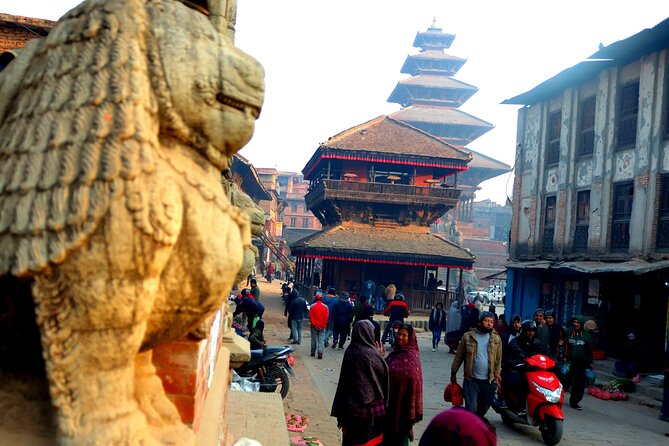
If Kathmandu’s UNESCO sites feel like a list on paper, this tour makes them click in your mind. You move through the Kathmandu Valley’s main pilgrimage landmarks—Buddhist and Hindu—while a Nepal-based tour leader puts the stories into plain language.
This kind of day works because the sites aren’t random. They sit in a shared cultural neighborhood where religion shows up in daily life: prayer flags, worship rhythms, festival energy, and the practical reality of people sharing the streets with you.
There’s also a nice “you’re safe and guided” vibe here. In the past, solo female travelers have specifically called out feeling at ease with guides like Kabita. That matters in a city where you’ll see scooters, narrow lanes, and sudden crowds near temples.
You can also read our reviews of more tours and experiences in Kathmandu.
Getting Oriented Fast: Pickup, Timing, and a 6-Hour Flow
This is a 6-hour private tour that runs within standard daytime hours (Mon–Fri), starting and ending at Narsingh Chowk Marg, Kathmandu 44600. Pickup is offered, and the activity ends back at the meeting point, so you don’t have to think about transport twice.
A big part of the value isn’t just the locations—it’s how you get from place to place. Kathmandu can be chaotic in motion: pedestrians, scooters, and buses all sharing the same space. Having a guide coordinate timing helps you avoid the “wait, where do we go next?” feeling.
You’ll also have a mobile ticket, which usually makes the start of the day easier (fewer paper hassles, less time lost). Confirmation is sent within 48 hours of booking, depending on availability, so you’ll know your day is set before you rely on it.
Practical tip: wear shoes you can walk in and plan for short uphill stretches and lots of steps near temples. This isn’t a long trek day, but it is a heritage day with real walking.
Swayambhunath Monkey Temple: Hilltop Views and Temple Etiquette
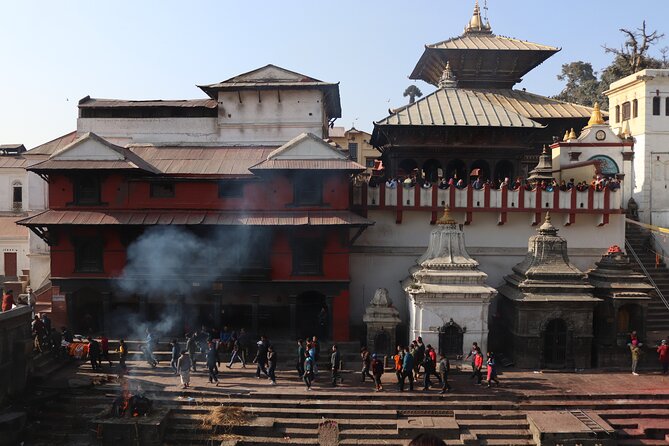
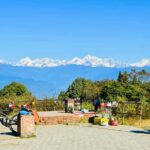
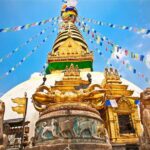
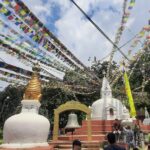
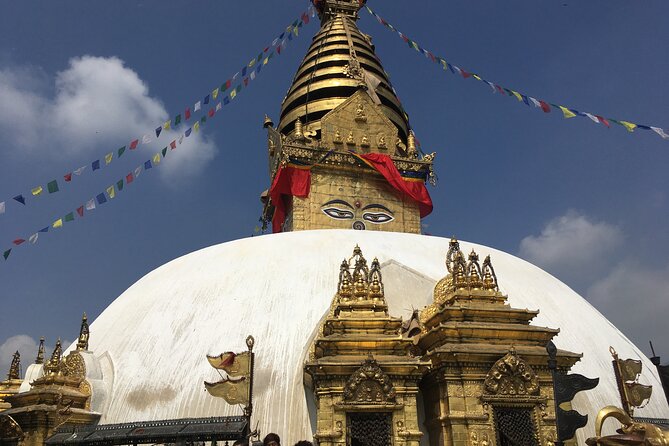
Swayambhunath is a 5th-century stupa perched on a hill, and it’s one of those Kathmandu stops you feel immediately. Locals and pilgrims treat it like a living pilgrimage site, not a museum.
You’ll likely start by getting oriented to the layout: the stupa complex sits above the city, and the viewpoints can help you understand why people built it here. The site is also known as the Monkey Temple, so expect lots of monkeys around the hill area.
That nickname comes with a simple reality: be careful with loose food, bags, and anything dangling. Keep belongings zipped or held close. If monkeys grab your attention, don’t let them distract you from your footing on busy stairs and walkways.
Why this stop works on a first day: it gives you a spiritual and geographic “anchor.” When you later visit other UNESCO sites, you’ll start noticing how Kathmandu’s sacred spaces relate to each other—different religions, different symbols, same city energy.
Admission isn’t included for this stop, so budget for entry fees before you arrive, especially if you’re trying to keep cash handling to a minimum.
Kathmandu Durbar Square: The Living Goddess and 16th-Century Power
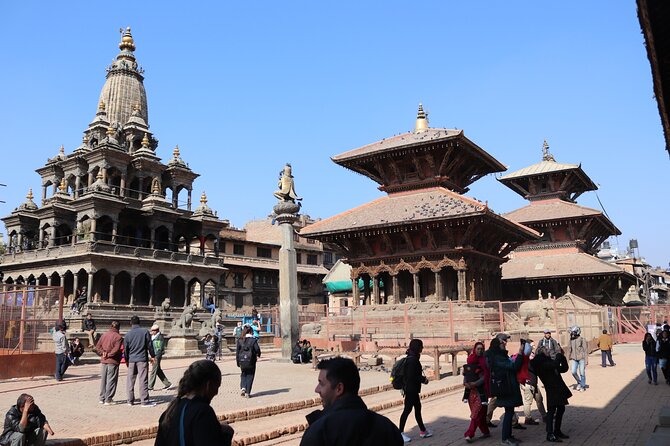
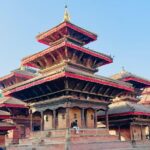
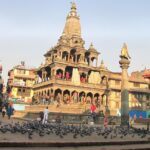
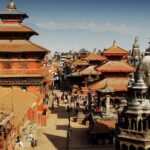
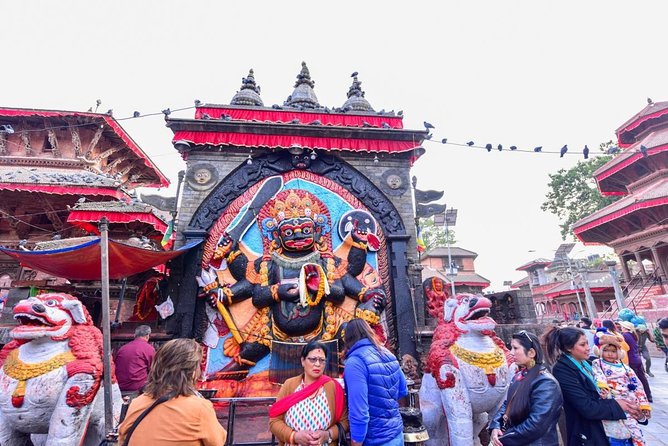
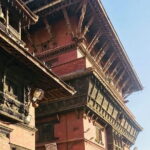
Next up is Kathmandu Durbar Square, a royal palace complex tied to the 16th century, especially the era associated with Pratap Singha Malla. This is where Kathmandu’s heritage feels most “urban”—it’s in the heart of the valley, surrounded by city life.
The standout here is Kumari, the living goddess. Even if you’re not deeply familiar with the tradition, your guide can explain the cultural logic behind how the Kumari is understood and why this location matters.
What I like about this stop is that it’s not just architecture. It’s power, belief, and public space all in one frame. You’re looking at stonework and courtyards, but you’re also seeing how a city organized authority and ritual in the same place.
One consideration: Durbar Square areas can get busy, and movement can feel slow as people funnel into courtyards. A private guide makes this easier because you won’t just stand there guessing where to go next—you’ll get a route that keeps you moving at a human pace.
Again, admission isn’t included here, so plan for that cost so you don’t end up standing in line with your budget blinking.
Pashupatinath Temple: Shiva Pilgrims, River Rituals, and Sacred Days
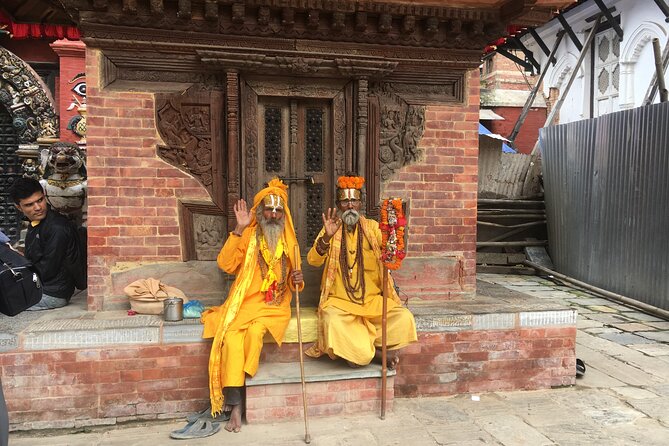
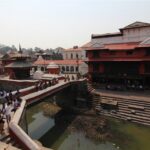
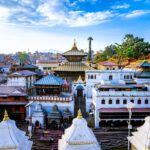
Pashupatinath Temple is dedicated to Hindu Lord Shiva and is often described as one of the most important shrines for Hindus. It’s an ancient site too, traced here to the 1st century, which helps explain why it draws pilgrims year-round.
A key detail you’ll hear during the visit: Saturday is known as a Shiva day. If your schedule lands on a Saturday, you might find the atmosphere changes—more pilgrims and more devotion visible in the crowd rhythm.
Even when you’re not participating directly, you’ll see how faith works in public: worshipers gather, rituals happen in shared spaces, and the site’s sacred identity shapes daily movement. It’s intense in a quiet way—everyone has purpose, even while you’re just passing through with your guide.
Practical note: this is a highly religious environment. Dress modestly, keep your voice low, and be respectful with photos. If you’re unsure what’s appropriate, ask your guide on the spot. A good guide will keep things smooth.
Admission isn’t included, so factor in entry fees here too.

Boudhanath Stupa: Kora Walks and the Calm of Buddhist Rhythm
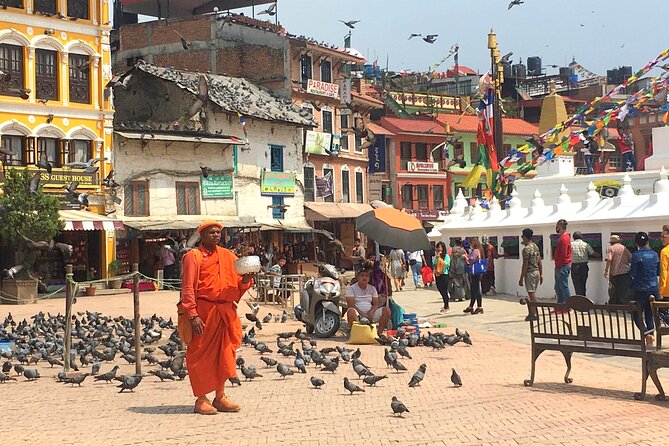
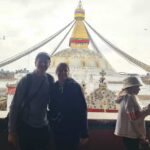
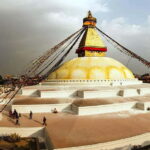
Then you reach Boudhanath Stupa, a 5th-century Buddhist pilgrimage site that’s famous for how people move around it. This isn’t only about what the stupa looks like—it’s about what people do with it.
In the early morning and evening, locals gather to do kora, the circumambulation (walking around the stupa). That act turns the site into a moving prayer space. Even if you’re only here for about an hour, you’ll understand why Boudhanath feels different from the other stops: it’s about repetitive, peaceful motion.
If you prefer a calmer moment in the day, Boudhanath is usually it. After the busier Durbar Square area and the intensity around Pashupatinath, the stupa’s rhythm gives your brain a breather.
A small reality check: this site can have crowds depending on time of day. Your guide helps you navigate safely and choose where to stand or walk so you’re not fighting for position.
Like the other major stops, admission tickets aren’t included, so again—budget for entry fees.
Price, What You Actually Get, and Value in Real Life
The price is $55 per person for a private 6-hour tour. That sounds simple, but the value comes from how the day is packaged:
- You’re paying for coordination and interpretation, not just transport.
- You get a private guide who can answer questions as your understanding grows.
- Pickup is offered, which saves time and reduces stress in a city where directions can feel like a sport.
Also, the tour includes a mobile ticket, which can streamline your start.
What isn’t included matters too: admission tickets for each stop are not included. That’s common on heritage tours, but it’s still your responsibility to plan for it. If you’re trying to keep your trip budget tight, ask your guide (before you go in) what fees you should expect for each site.
One more “value” point: this tour has deep context built in. You’re not just collecting stamps—you’re getting the background that makes symbols make sense. Guides like Anjal have been praised for going into depth and adjusting the day based on questions, which is exactly what you want when you only have a short time in Kathmandu.
This tour is priced for people who want a guided day without paying the cost of a multi-day private package.
Who This Tour Suits Best (And Who Might Want Something Else)
This is a strong fit if you:
- Want a single, efficient day covering major UNESCO Kathmandu Valley landmarks
- Travel solo and care about safety and convenience, especially with the option of a professional lady guide
- Prefer a guide who can explain the mix of religions and how it shapes daily life
It’s also a good choice if your schedule is tight—Kathmandu is famous for eating up time with transport and wandering. Here, the day is structured so you actually see the key sites.
You might want a different plan if:
- You prefer fully self-guided sightseeing with minimal costs for entry fees and no guide included
- You want more time at one site in particular (some people love slowing down at stupa areas or Durbar courtyards for longer)
When to Book and How to Prepare
This tour is often booked ahead—on average, about 23 days in advance. If you’re visiting during a busy season or traveling on weekdays, booking earlier is smart so you get the time slot you want.
Preparation is simple:
- Bring comfortable walking shoes and a layer (temples can feel cooler than street temperatures)
- Pack modest clothing for temple visits
- Keep some cash or payment ready for admission fees at each UNESCO stop
- Carry water, especially if you’re doing photos and walking more than expected
A small but helpful move: before you arrive, think about what you want most—views, religious meaning, architecture, or daily-life context. Then you can ask smarter questions and get more out of the day.
Should You Book This UNESCO Kathmandu Private Tour?
Yes, if you want one guided day that connects Kathmandu’s UNESCO sites into a coherent story. The private setup and female-friendly comfort are standout strengths, and the itinerary is built for realistic walking time while still hitting the big names: Swayambhunath, Kathmandu Durbar Square (with the Kumari focus), Pashupatinath, and Boudhanath.
Book it especially if you value:
- Ease (pickup, structured route, mobile ticket)
- Context (religion and history explained in ways that help you actually understand what you’re seeing)
- Support in a busy city environment
Skip it (or consider a different format) if you want to avoid paying for a guide or if you’re planning to spend much longer at just one site.
FAQ
Is this tour private?
Yes. This is a private tour/activity, so only your group participates.
How long is the Kathmandu UNESCO private tour?
It runs for approximately 6 hours.
Where does the tour start and end?
The tour starts at Narsingh Chowk Marg, Kathmandu 44600, Nepal, and it ends back at the meeting point.
Does the tour include pickup?
Yes, pickup is offered.
Do I receive a mobile ticket?
Yes, the tour includes a mobile ticket.
Are admission tickets included for the UNESCO sites?
No. Admission tickets are not included for the listed stops.
Which UNESCO sites are included?
The tour covers Swaymbhunath, Kathmandu Durbar Square, Pashupatinath Temple, and Boudhanath Stupa.
What days and times does it operate?
The opening hours are Monday to Friday, 9:30 AM to 4:30 PM.
When will I get confirmation after booking?
Confirmation is received within 48 hours of booking, subject to availability.
Is it suitable for most travelers?
It states that most travelers can participate.
What if I need to cancel?
You can cancel up to 24 hours in advance for a full refund. If you cancel less than 24 hours before the start time, the amount you paid will not be refunded.