REVIEW · ATHENS
Private Biblical Tour of Ancient Corinth & Isthmus Canal
Book on GetYourGuide →Operated by Ancient Greece Tours and Transfers · Bookable on GetYourGuide
Corinth can feel like a puzzle that finally clicks. You’ll follow the same region Apostle Paul navigated, while mixing big-time ancient sights with the modern engineering of the Isthmus Canal.
I like how this tour is built around two very different worlds: the Acrocorinth citadel views and the practical, hands-on feeling of boat travel through Corinth’s waterways. I also like the private setup—your English-speaking driver handles the timing, keeps things moving, and can share local perspective (you might even meet drivers named Bill, George, Peter, Takis, or Tas, based on past group experiences).
The main thing to plan for is cost add-ons. Entrance fees and the option of a licensed guide inside the archaeological site and museum aren’t included, so your final total will be higher than the headline rate.
In This Review
- Key highlights you’ll feel from start to finish
- From Athens to Corinth: how the day gets its momentum
- Corinth Canal and the Diolkos: where engineering meets biblical geography
- Acrocorinth citadel: panoramic views plus real defense design
- Ancient Corinth: Paul’s stops, the Agora, and the Bema moment
- Museum time: turning artifacts into meaning
- Kechries port: the sailing story and the Acts 18:18 detail
- Lunch choice and how to use it to pace your day
- Price and logistics: does $273 feel like good value?
- Should you book this Corinth and Isthmus Canal day trip?
- FAQ
- How long is the private Biblical tour of Ancient Corinth and the Isthmus Canal?
- Where does the tour pick up and drop off?
- Is the tour private?
- Is lunch included?
- What entrance fees should I budget for?
- Do I need an extra licensed guide for inside the sites?
- Are there any ticket-line benefits?
- What’s included in the transportation?
- Is the tour wheelchair accessible?
- What should I bring for the day?
Key highlights you’ll feel from start to finish
- Isthmus Canal viewing time so you can watch boats pass through a modern engineering link
- Diolkos route explanation tied to how ancient crews hauled ships across the isthmus
- Acrocorinth citadel scale with its dramatic height, long walls, and strong defensive design
- Paul-focused stops including the Bema and the Agora area tied to his preaching
- Archaeology + museum pairing so artifacts don’t sit in isolation
- Lunch with a view option near the Temple of Apollo or by the seaside at a nearby restaurant
From Athens to Corinth: how the day gets its momentum
This is an 8-hour private day trip, so you’re not stuck waiting for other people to decide anything. I like the flexibility of pickup and drop-off options (Athens or Corinth), because it lets you build the day around your hotel and schedule instead of forcing a one-size route.
The driving time from Athens matters, too. It’s long enough that you’ll feel like you’ve left the city behind, but short enough that you’re still fresh when the ancient sites start. That helps a lot at Acrocorinth, where walking and sun can turn a “quick stop” into a tiring one if you’re rushing.
One smart detail: your driver is English-speaking and well-versed in Greek history, but not a licensed guide allowed to go inside the sites and museums. So you’ll get strong context from the car and around the monuments, plus the chance to add licensed guide time if you want deeper, inside-the-rooms commentary.
You can also read our reviews of more tours and experiences in Athens.
Corinth Canal and the Diolkos: where engineering meets biblical geography
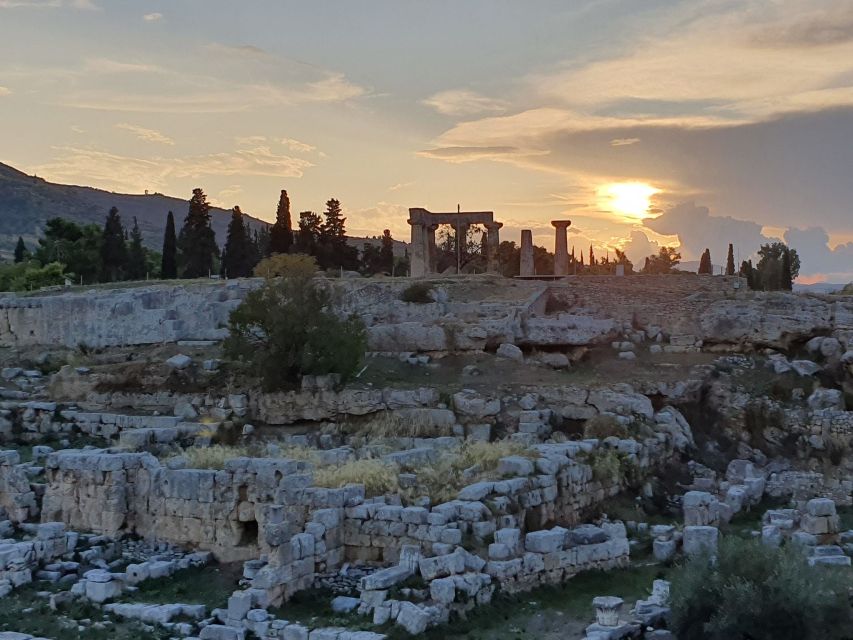
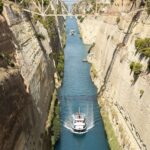
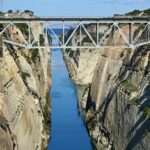
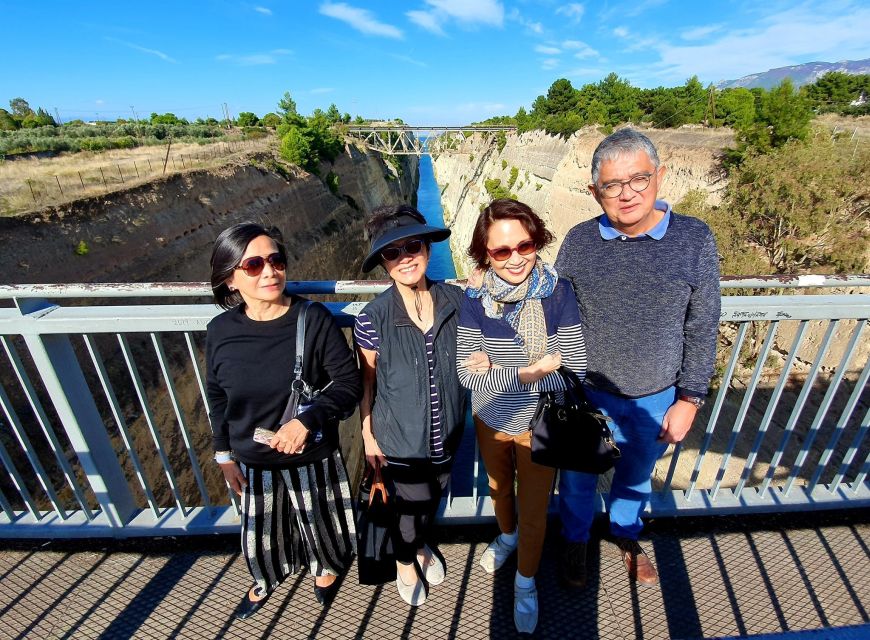
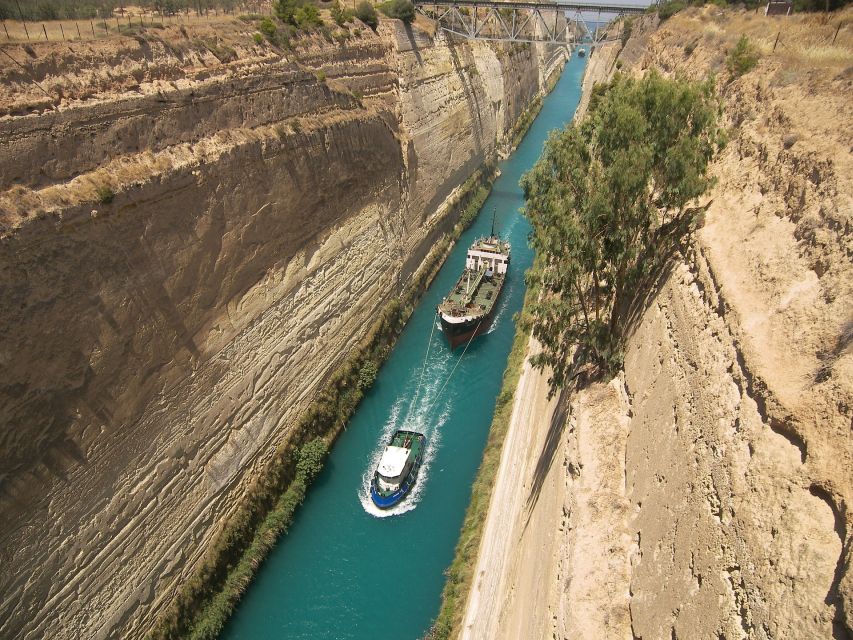
The day begins with Corinth Canal viewing, about 50 minutes set aside to take in what you’re really looking at: a modern channel that cuts between the Corinthian and Saronic Gulfs. Standing near the canal, you can understand why the region mattered so much for trade and movement—and why Paul’s world was shaped by routes, not just speeches.
Right after, you’ll move to the Diolkos, a paved limestone road used in ancient times to haul boats over land. This isn’t a dry museum stop. The way it’s explained—boats moved with help from animals and workers, sliding along an ancient track—makes the concept of “control” feel real. The tour also frames the Diolkos in the bigger context of Greek colonies linked across the sea.
What I appreciate here is how the stops connect. You see today’s canal, then you learn the older workaround that solved the same geographic problem. If you like history you can visualize, this is where the day becomes more than dates and names.
Acrocorinth citadel: panoramic views plus real defense design
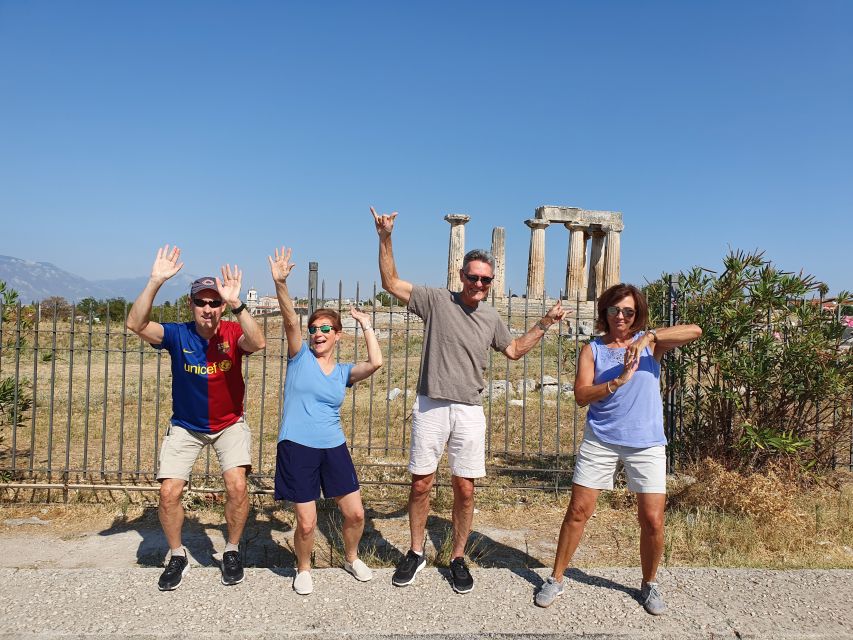
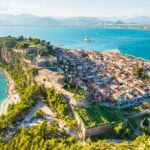
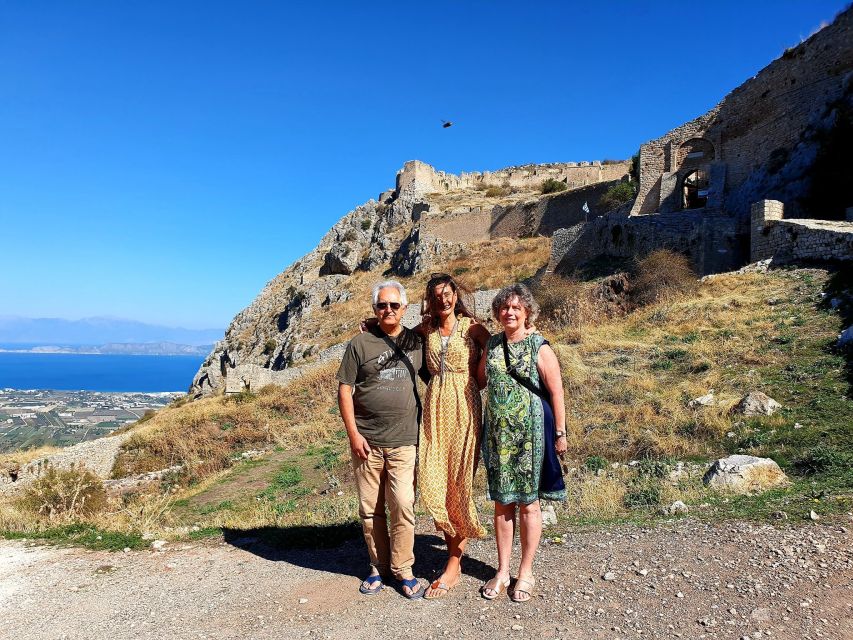
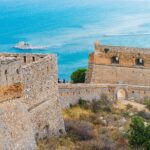
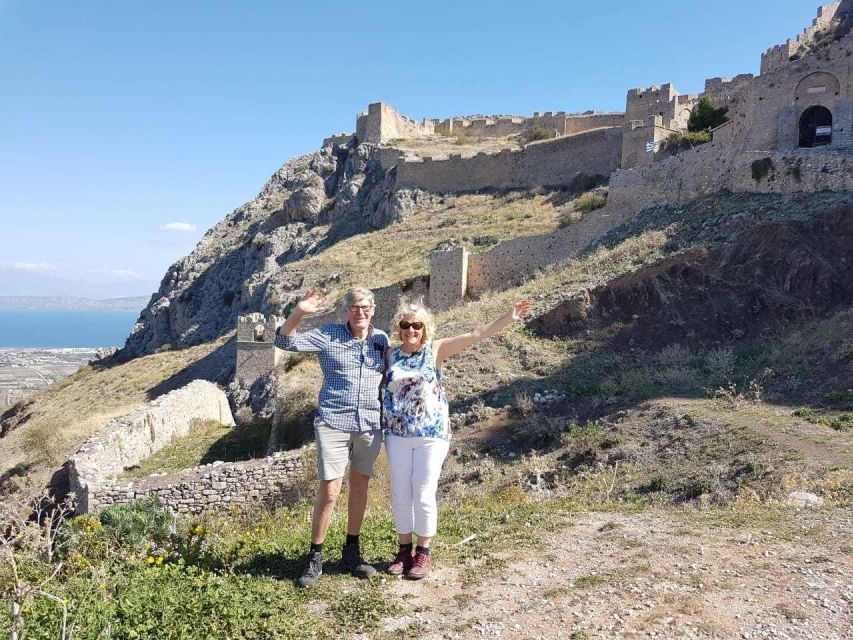
Acrocorinth is the kind of place you understand fast once you’re there. It’s a monolithic rock rising about 1,886 feet above sea level, topped with long walls and gateways. The numbers help you grasp the ambition: roughly 4.9 miles of walls and three gates, built for defense on natural terrain.
This stop is also where the tour earns its “follow Paul’s footsteps” promise. You’re not just looking at ruins; you’re standing in the same physical setting that would have controlled movement and visibility across the region. If you want the biblical sites to feel like a living landscape, even without being too literal about it, this is the fix.
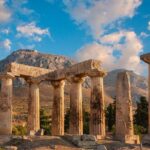
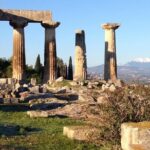
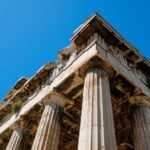
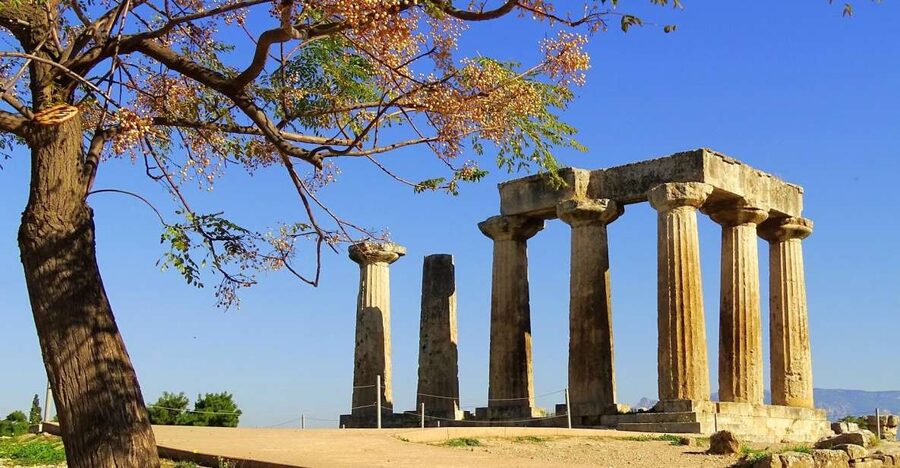
You’ll explore key areas connected to the citadel, including the Temple of Apollo. You’ll also get panoramic views that make the rest of the day easier to picture. The drawback to consider is simple: it’s a citadel. Wear comfortable shoes and plan for sun. Even with guided pacing, you’ll want to keep energy for the views and the walk.
Ancient Corinth: Paul’s stops, the Agora, and the Bema moment
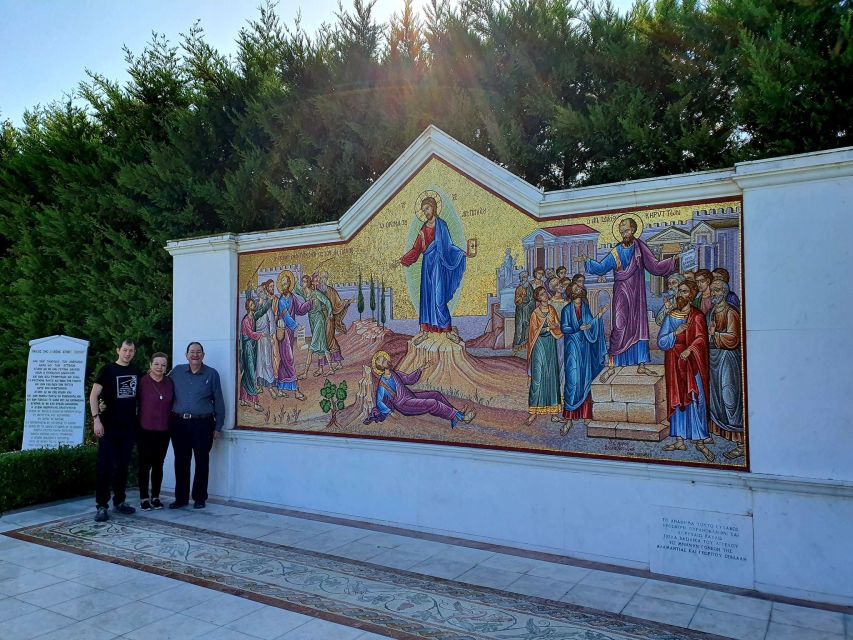
Ancient Corinth is the main stage, and the tour doesn’t treat it as one blob of ruins. It moves through specific places tied to how Paul’s story played out in town.
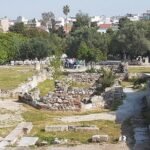
Expect time to see features such as the Fountain of Glauke and the Sacred Spring area, plus the Peirene water setting. From there, the tour continues through spaces tied to community life and religious practice, including the Asklepieion and the Odeion.
Then comes the part that hits hardest for anyone interested in the Bible narrative: the Bema (judgment seat) area. This is where Apostle Paul was brought before Gallio, and the tour connects the monument to the moment rather than leaving it as a generic stop.
You’ll also visit the Agora area, where Paul preached and walked. That matters because the Agora isn’t a remote temple. It’s a public center where people came to talk, trade, and move through daily life. Standing in that kind of space makes Paul’s message feel less like a story from a book and more like something delivered in a real neighborhood.
One practical caution: entrance time and crowd flow can affect how much you’ll linger at each feature. This tour gives you a defined schedule, so if you’re the type who wants to stop and read everything line by line, consider adding a licensed site guide for more detailed interpretation.
Museum time: turning artifacts into meaning
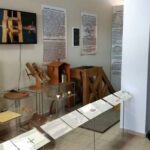
You’ll also spend about 100 minutes at the Archaeological Museum of Ancient Corinth. I like museum time here because it solves a common problem with ruin visits: when you only see stone, you can miss how people actually lived, prayed, and argued.
With the museum, artifacts and finds help you connect what you saw outside with what scholars uncovered. It’s the difference between spotting fragments and understanding how the pieces fit together. If you’re the kind of traveler who wants names, objects, and context tied to specific buildings and spaces, this is where you’ll feel the payoff.
And because the tour is private, you can move at a comfortable pace inside. If you do opt for a licensed tour guide for the archaeological site and museum, this is also the area where that added cost can feel most rewarding, since museums benefit from careful explanation.
Keep your expectations practical: you’ll see a lot in a single day, so you may not read every label. Still, the museum stop makes the earlier outdoor stops click.


Kechries port: the sailing story and the Acts 18:18 detail
The day closes with the port of Kechries, about 30 minutes. This part of the itinerary is why the tour works for Bible-focused travelers. It ties the end of Paul’s Corinth chapter to a real departure point and then connects that sailing to his travel toward Ephesus with Aquila and Priscila.
Another small detail I really like: the tour includes a discussion of the Nazarite vow, specifically the cutting of the hair referenced in Acts 18:18. It’s not just site viewing. It’s a reminder that rituals and daily practice traveled with Paul, even when he moved between cities.
Since this is later in the day, you’ll likely appreciate Kechries for what it is: a focused ending point rather than another long climb. If you want photos, you’re often better at this stage too, once your legs have settled and your eyes have time to catch the light.
Bring water and comfortable clothes for the day’s final stretch. You’ll want to stay present for the story connection, not just get through it.
Lunch choice and how to use it to pace your day
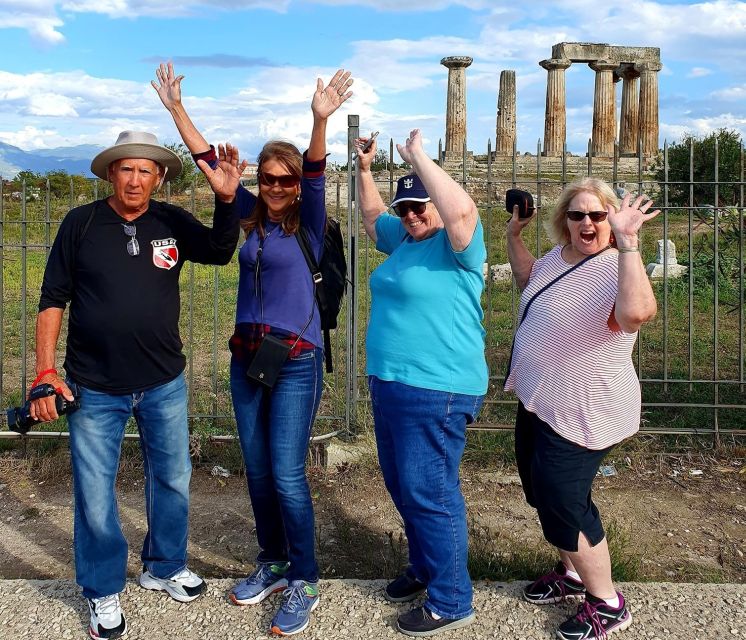
Lunch is built in as part of the schedule with about 80 minutes set aside. You can choose an authentic Greek lunch option with views of the Temple of Apollo, or go for a seaside restaurant near the Baths of Helen of Troy.
I like that you get a choice because it matches different travel styles. If you’re hungry for more ancient atmosphere, the Temple of Apollo view option keeps the day’s theme going. If you’re more tired and want a calmer reset, the seaside setting can feel like a breather before the port stop.
Food itself isn’t included, so plan for your own budget for lunch and drinks. Still, having a proper sit-down meal mid-day prevents the classic mistake: rushing lunch and ending the day cranky.
If you have dietary needs, it’s worth mentioning ahead of time to avoid last-minute surprises. This is one of those small logistics items that can make or break the comfort level of a long day.
Price and logistics: does $273 feel like good value?
At $273 per person for an 8-hour private tour, the value comes from three places.
First, you’re buying private transportation with a first-class vehicle plus practical comforts like A/C, bottled water, and Wi‑Fi. That matters on routes out of Athens, where a shared tour can feel like constant waiting.
Second, the tour structure reduces decision fatigue. Your driver handles pickup/drop-off from Athens or Corinth and keeps you on a route that links canal, citadel, sites, museum, and port in one day.
Third, the tour includes skip-the-ticket-line access, which can save time you’d otherwise lose to slow entry lines.
The trade-off is that entrance fees add up: expect about 15€ per person for both the archaeological site and the museum in Ancient Corinth. Food and drinks are also on you. If you want the most detailed experience inside the museum and site, plan for the added cost of a licensed guide on request.
For best value, I’d book this if you want the Bible storyline to be more than reading. You’ll get the physical geography, the named stops, and the explanations from a driver who can keep the story connected.
Should you book this Corinth and Isthmus Canal day trip?
Book it if you want a focused, single-day plan that ties together Paul’s Corinth and the region’s waterways with modern views and ancient solutions. It’s also ideal for groups or couples who prefer private pacing and don’t want to squeeze everything into a crowded bus day.
Skip or rethink it if you hate walking on steep ground. Acrocorinth is the physical highlight, and it’s not a “sit and watch” stop. Also consider whether you’ll pay for an inside licensed guide; without that option, you’ll rely on what the driver explains from outside, which is still useful, just less detailed.
If you want a day that feels organized, story-driven, and actually scenic—not just checklist ruins—this is a strong pick.
FAQ
How long is the private Biblical tour of Ancient Corinth and the Isthmus Canal?
It’s listed as 8 hours total.
Where does the tour pick up and drop off?
Pickup and drop-off can be arranged for Athens or Corinth. Pickup at the hotel lobby or the entrance of your Airbnb is mentioned, and port/airport pickup is available for an additional cost.
Is the tour private?
Yes, it’s a private group experience.
Is lunch included?
No. Lunch is part of the schedule, but food and drinks are not included.
What entrance fees should I budget for?
Entrance fees to the archaeological site and museum in Ancient Corinth are about 15€ per person total.
Do I need an extra licensed guide for inside the sites?
Your driver can explain from outside, but they are not licensed to accompany you inside the archaeological sites and museum. A licensed tour guide can be added on request for an additional cost.
Are there any ticket-line benefits?
Yes, there’s skip-the-ticket-line included.
What’s included in the transportation?
Modern first-class private vehicle with Wi‑Fi, A/C, and bottled water, plus driver pickup and drop-off.
Is the tour wheelchair accessible?
Yes, it’s listed as wheelchair accessible.
What should I bring for the day?
Comfortable shoes, sunscreen, and comfortable clothes are recommended.