REVIEW · ADDIS ABABA
10 Days North Historical Tour
Book on Viator →Operated by Ethiopian Wanderer Tours & Travel · Bookable on Viator
Ethiopia’s north is a story you can walk through. This 10-day circuit strings together Ethiopia’s key historic stops—Axum, Gondar, Lalibela—plus the wildlife country of the Simien Mountains, all with pickup and a guide who keeps things organized. You start in Addis Ababa, then swing north in a steady rhythm of churches, royal sites, and dramatic scenery.
I love the way this trip pays for the “must-have” parts up front: entrance fees and 9 nights of accommodation are included, so you can budget without doing constant add-ups. I also like the human side—Abebe, the name that shows up again and again in operator-style feedback, is described as professional, highly responsive by email, and deeply committed to making the trip work smoothly, including arranging key logistics like airline tickets when needed.
One thing to think about: the itinerary is built on long travel days between regions. If you dislike road time or you get tired easily, you’ll want to pace yourself and pack for comfort, because the North is worth it, but it doesn’t do quick hops.
In This Review
- Quick Hits: What Makes This Tour Feel Worth It
- Why This Route Works So Well for Historic Ethiopia
- Addis Ababa Arrival: Mount Entoto and Lucy the 3.5-Million-Year-Old
- Heading to Bahir Dar and Lake Tana: Ura Kidane Mihret on the Zege Peninsula
- Gondar: Debre Birhan Selassie and the Royal Castle Enclosures
- Simien Mountains National Park: Gelada Baboons and Sankaber Heights
- Axum: Obelisks, Queen Sheba, and the Sites Tied to Early Christianity
- Yeha and Adwa: Pre-Axumite Stone Work and a Historic Battlefield Stop
- Lalibela: The Rock-Hewn Churches You Really Need Time For
- The Ride Back to Addis and a Farewell Dinner with Songs and Dance
- Price and Value: What $2,432 Gets You (and What It Doesn’t)
- Who This Tour Fits Best (and Who Might Want a Different Pace)
- The Operator Factor: Abebe’s Role and Why It Matters
- Should You Book This 10-Day North Historical Tour?
- FAQ
- How many days is the North Historical Tour?
- Where does the tour start and end?
- Is pickup offered?
- What’s included in the price?
- What’s not included?
- Is this a private tour?
- What happens if the tour is canceled due to weather?
- Can I get a full refund if I cancel?
Quick Hits: What Makes This Tour Feel Worth It
- Private group touring means the pace and timing can be shaped around your group.
- Lake Tana monastery boat trip (Zege peninsula) is a standout mix of scenery and sacred art.
- Gondar’s castle compound + Debre Birhan Selassie gives you Ethiopian church artistry in a big, memorable way.
- Simien Mountains National Park includes UNESCO status, gelada baboons, and time at high altitude near Sankaber.
- Axum’s monuments cover the heavy hitters: stelae/obelisks, Ezana inscriptions, and royal burial sites.
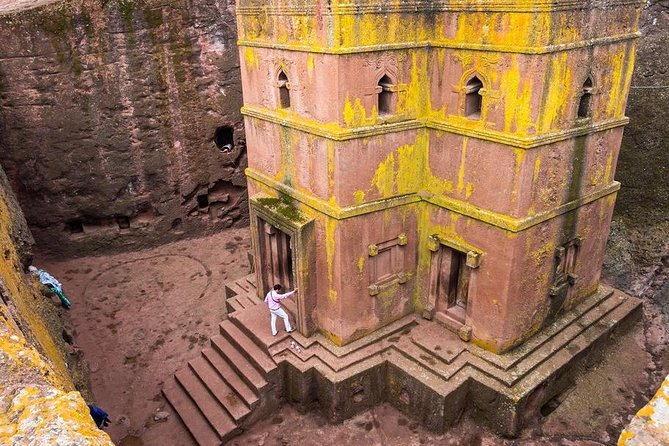
- Lalibela’s rock-hewn churches are approached like a real site visit, not a checklist.
Why This Route Works So Well for Historic Ethiopia
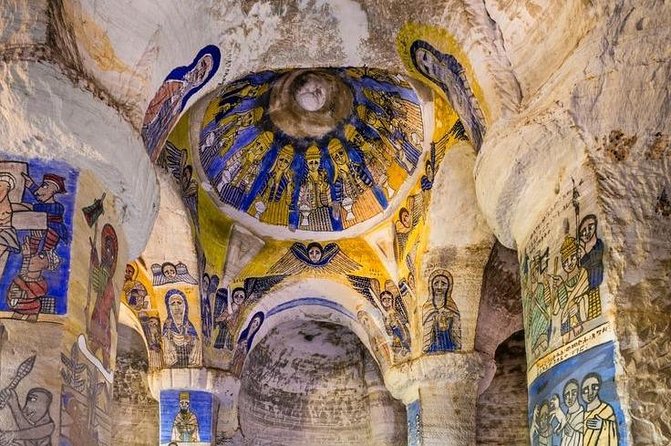
Ethiopia’s north isn’t one “thing.” It’s multiple eras layered on top of each other—pre-Axumite stone work, the Axumite kingdom and early Christianity stories, royal Gondarine power, and Lalibela’s rock church complex. This tour stitches those chapters together without jumping randomly.
The practical beauty here is logistics through order. You don’t just go to one city and rush away—you build understanding. You’ll see how Ethiopian Orthodox church art and architecture show up again and again, from painted ceilings to murals in monastery churches, even when the locations look completely different.
You can also read our reviews of more tours and experiences in Addis Ababa.
Addis Ababa Arrival: Mount Entoto and Lucy the 3.5-Million-Year-Old
On Day 1, you land at Bole International Airport and get met by an Ethiopian Wanderer Tours representative. From there, the trip adapts to your arrival time with a city outing that can run around 5–6 hours.
This is a smart way to start because you’re not thrown into a long travel day immediately. You get time to get oriented and ease into Ethiopia through a mix of viewpoints and museums.
Highlights you can slot into your first afternoon include:
- Mount Entoto for high views over Addis Ababa (even if you keep it brief, the change in perspective helps).
- The Institute of Ethiopian Studies, where you’ll see artefacts reflecting different regions and the country’s cultural layers.
- The National Museum, including the famous Lucy skeleton (3.5 million years old).
- George Cathedral, which features work by Ethiopian artist Afework Tekele among its church paintings.
If your arrival is late, you might get a shorter version, but the structure keeps you from feeling stranded in the airport-to-hotel blur.
Heading to Bahir Dar and Lake Tana: Ura Kidane Mihret on the Zege Peninsula
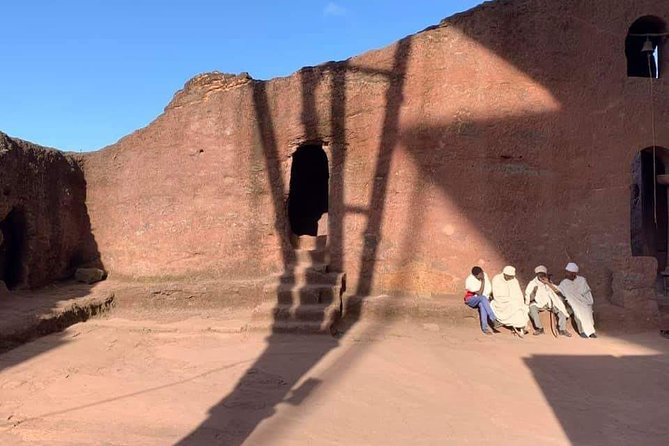
Day 2 shifts gears from Addis city life to Lake Tana’s monastery world. You’ll spend the day moving to Bahir Dar, and the centerpiece activity is a boat trip on Lake Tana.
Your boat outing brings you to the Ura Kidane Mihret monastery on the Zege peninsula—a place known for 14th-century round, grass-roofed churches and murals. The details matter here. The architecture is typically Ethiopian Orthodox: mud-plastered round walls with conical thatched roofs, plus interior decoration that helps explain how sacred art functions in daily worship.
Ura is described as hidden in the forest of the Zege peninsula. Even if you don’t picture it perfectly, expect a calm, slower-feeling stop compared with some other major heritage sites. It’s the kind of moment that makes the rest of the trip click: you’ll start recognizing how church design and symbolism are linked.
Practical note: this is a “sit, look, and absorb” day more than a “race through photos” day. Bring patience for lake light changes and time on the water.
Gondar: Debre Birhan Selassie and the Royal Castle Enclosures

Gondar is where Ethiopia’s imperial image becomes very physical. On Day 3, you drive into a 17th-century royal city tied to an imperial “castle compound” layout, then spend time with one of the most famous painted churches: Debre Birhan Selassie Church.
What makes this stop more than impressive architecture is the way Gondar’s royal and religious spaces feel connected. The Castle Enclosures of the Gondarine emperors and the painted church work together: one shows power and organization, the other shows how art and belief share the same walls.
Day 3 and Day 3’s afternoon slot include:
- Exploring the royal enclosures at Fassil Ghibe and the castles of Gondar’s emperors
- Visiting Debre Birhan Selassie, including its murals and the iconic angels’ faces on the wooden ceiling
Day 4 continues the story by shifting north again toward the Simien Mountains. So Gondar isn’t just a day trip; it’s a hinge.
Simien Mountains National Park: Gelada Baboons and Sankaber Heights
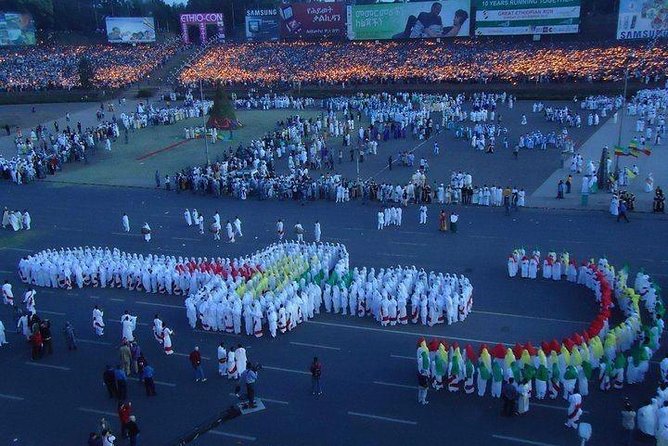
If you want one day that feels like a nature and wildlife episode, it’s Simien Mountains National Park. Day 4 takes you from Gondar onward to the park area, reaching Simien Lodge around noon (it’s described as the highest lodge in Africa).
Then you start exploring the park. The key benefit: this park is a UNESCO world nature heritage site (since 1996), not just a pretty viewpoint stop.
You’ll likely spend time driving to Sankaber (3,220 meters). That altitude matters. The air can feel sharper, and the views are the point—deep gorges, valleys, and the mention of Ethiopia’s highest waterfall in that area. After that, there’s a gentle walk of about 2 hours.
One of the tour’s most appealing specifics is the chance at close interaction with friendly gelada baboons. That can change your whole mood for a day. It’s one thing to see wildlife from a distance; it’s another to have your guide help you read animal behavior safely and respectfully so you can enjoy the encounter without turning it into chaos.
The only consideration is energy. Walking time is modest, but at altitude it can feel longer. Plan for slow steps, water, and a calm pace.
Axum: Obelisks, Queen Sheba, and the Sites Tied to Early Christianity
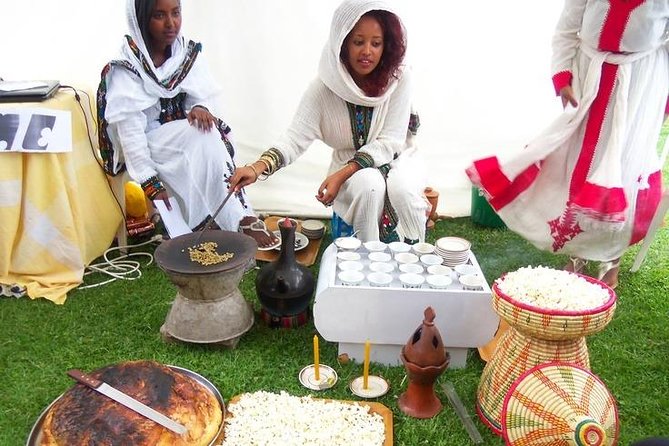
Axum is the big spiritual and historical center in this route. Day 5 includes a drive from the park region up toward Axum (about 7 hours), with the added bonus of changing views along the way.
Axum sits around 1,637 meters, and it’s described as a holy city where Ethiopian Christianity is said to have begun over 2,000 years ago, plus a “cradle” role in Ethiopian civilization. Whether you know the story already or not, you can feel the intention of a visit here: you’re not only seeing things; you’re seeing markers of belief.
Day 6 expands the Axum experience with a structured city tour covering multiple landmark types:
- Axum stelae/obelisks, including the claim of the largest single piece of stone erected by humans anywhere in the world
- Castles of former monarchs
- Mariam Tsion Church, said to be built on the site of Ethiopia’s first church
- The Palace of Queen Sheba
- Inscriptions of King Ezana
- Tombs of kings Kaleb and Gebre Meskel
This is one of the strongest value parts of the trip: many tours stop at one “icon.” Here you get a stack of related icons—monuments, royal sites, and inscriptions—so you come away with more than photos.
Yeha and Adwa: Pre-Axumite Stone Work and a Historic Battlefield Stop
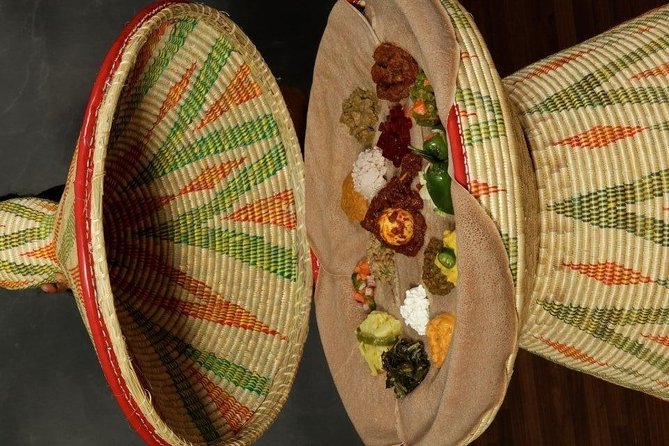
On Day 7, the route connects Axum to the next stage toward Lalibela by way of Yeha and Adwa.
You’ll visit the temple of Yeha (about 50 km / 1 hour). The focus here is pre-Axumite: Yeha is described as a pre-Axumite settlement with a stone temple, around 12 meters high walls, estimated to be about 2,500 years old.
You’ll also pass through Adwa, linked to the well-known 1896 battle between Ethiopians and Italians. Even if you keep the stop brief, it gives the trip historical weight beyond ancient stones—showing how Ethiopia’s story includes both deep antiquity and more recent resistance.
This day is more “special stop” than “big complex of churches,” so it helps balance the itinerary. After days that feel like big sites, Yeha is a chance to slow down and focus on one preserved stone statement.
Lalibela: The Rock-Hewn Churches You Really Need Time For

Lalibela is where the trip turns into something almost architectural and spiritual at the same time. Day 8 brings an about 8-hour drive into Lalibela, arriving late afternoon.
Then Day 9 is the centerpiece: the 11-renowned rock-hewn churches. These are often described as the 8th wonder of the world, and the reason is simple—you’re looking at structures physically carved from the rock they stand on.
What I like about how this part is arranged is that it isn’t treated like a rushed route. You get to understand how different churches relate through design:
- Some are carved out of solid volcanic rock
- Some connect through long underground tunnel and maze-like passages
- Some are quarried enlargements of caves
- The first group of six churches includes Bet Golgotha, Bet Mikeal, Bet Mariam, Bet Maskel, Bet Dangal, and Bet Medhanealem
- Bet Medhanealem is described as the largest rock-hewn church in the world, built like a Greek temple
For you, the biggest practical tip is timing and attention. This is a place where looking longer beats walking faster. If your group loves photography, you’ll still do well if you pause often—because the rock texture, shadows, and carved details change everything as the light shifts.
The Ride Back to Addis and a Farewell Dinner with Songs and Dance
Day 10 brings a long drive back to Addis Ababa (about 9 hours). The route doesn’t hide the effort: this is a travel day, not a museum day.
But the trip finishes with something cultural and human: in the evening you’re invited to a farewell dinner in a traditional Addis restaurant with cultural songs, dances, and traditional food and drinks. It’s a nice way to close the loop after days of churches and monuments—you’re reminded that the country’s living culture is part of the story, not just its historic chapters.
Price and Value: What $2,432 Gets You (and What It Doesn’t)
At $2,432 per person, this tour is priced for a full circuit with included basics. Here’s what you should anchor to when deciding if it’s good value for you:
Included that reduces decision fatigue:
- All entrance fees
- 9 nights of accommodation
- Breakfast for 10 days
Not included, so you’ll need to plan separately:
- International and domestic air tickets
- Visa fees
- Excess luggage charges
- Personal fees
So the value question becomes: do you want a guided, private, door-to-door-feeling Ethiopia experience that bundles the fixed costs? If yes, this price starts to look more reasonable. If your plan is to self-guide with your own hotels and entry tickets, then you may find a cheaper skeleton price—but you’ll likely spend more time coordinating and less time letting the route make sense for you.
Also, keep in mind the time investment. Ten days across multiple regions isn’t light. For many people, paying for organization is the point. You’re buying a coherent route through Ethiopia’s north, including the Simien park day and the Lalibela church time.
Who This Tour Fits Best (and Who Might Want a Different Pace)
This trip makes the most sense if you:
- Want a single guided framework linking Addis, Lake Tana, Gondar, Simien, Axum, Yeha, and Lalibela
- Like historic sites where art and architecture feel connected, not random
- Prefer a private group experience (only your group participates)
It may feel less ideal if:
- You strongly dislike long driving days
- You prefer more free time in one city rather than moving almost every day
Given the high-altitude and multi-day travel structure, I’d aim this for travelers who can handle a steady pace, enjoy guided context, and like being out in the world rather than sitting in one hotel.
The Operator Factor: Abebe’s Role and Why It Matters
One reason this tour gets strong written feedback is the operator’s communication style. The name Abebe appears in feedback as a professional and committed figure, with strong email communication before travel and help with practical arrangements like confirming the tour and procurement of airline tickets.
That matters because Ethiopia trips work best when logistics are sorted early. You’re dealing with domestic travel, multi-day driving, and visits that flow by day and route. A guide or organizer who responds clearly can save you real stress.
Should You Book This 10-Day North Historical Tour?
If you want a guided, efficient, and historically focused north Ethiopia route that covers the big icons from Axum to Lalibela and includes nature with the Simien Mountains, I’d say this tour is a solid choice. The included entrance fees and accommodation help control spending, and the day-to-day structure keeps you moving through Ethiopia in a way that makes connections between sites.
Book it if you’re comfortable with long travel days and you want a private-group experience built around major heritage stops.
I’d hesitate if you want lots of downtime, or if you’re sensitive to altitude and road time. In that case, consider shortening the route or choosing fewer regions.
FAQ
How many days is the North Historical Tour?
It runs for about 10 days.
Where does the tour start and end?
It starts in Addis Ababa, Ethiopia, and ends back at the meeting point in Addis Ababa.
Is pickup offered?
Yes, pickup is offered, and you are met at Bole International Airport on arrival.
What’s included in the price?
The price includes all entrance fees, 9 nights of accommodation, and breakfast each day (breakfast is listed as included for 10 days).
What’s not included?
International and domestic air tickets, visa fees, excess luggage charges, and personal fees are not included.
Is this a private tour?
Yes. It’s described as private, with only your group participating.
What happens if the tour is canceled due to weather?
The experience requires good weather. If it’s canceled due to poor weather, you’ll be offered a different date or a full refund.
Can I get a full refund if I cancel?
Free cancellation is available up to 24 hours in advance for a full refund. Canceling less than 24 hours before the start time does not get a refund.