Addis Ababa tastes better than it looks. This day tour strings together Mercato Market energy, quiet museum gardens at Zoma, and major history stops like the National Museum and Mount Entoto. I especially like the hands-on Ethiopian cooking and coffee ceremony parts, where you see food prepared and smell the roasting coffee with incense on a charcoal stove.
The one thing to keep in mind is that Mercato is crowded and noisy, so if you get overwhelmed in tight spaces, you’ll want to plan for short, focused visits rather than lingering everywhere.
In This Review
- Key highlights before you go
- Mercato Market: seeing Addis Ababa’s loud heart up close
- Zoma Museum gardens, lunch, and the food you actually taste
- Bata Mariam Church and Menelik II’s mausoleum: power, roots, and giant turtles
- The National Museum of Ethiopia and Lucy: why Addis matters to human history
- Mount Entoto sunset: capital history at the city’s edge
- How Anteneh’s guiding style makes the day work for real people
- Price and value: what $75 buys in a full cultural day
- Practical tips so your day feels easy, not exhausting
- Should you book Hidden Treasures of Addis Ababa?
- FAQ
- What is the duration of the Hidden Treasures of Addis Ababa tour?
- What does the tour cost, and what is included?
- Is this tour private or shared?
- Are admission tickets included for the stops?
- What time does the tour start and when is pickup?
- What is the cancellation policy?
Key highlights before you go
- Mercato Market plus recycling market: not just shopping, but how materials get reused and remade
- Zoma Museum lunch in a permaculture garden: false banana trees, herbs, and a small urban farm
- Cooking, tasting, and coffee ceremony: you leave with smells in your memory, not just photos
- Bata Mariam Church and the Mausoleum of Menelik II: underground tombs, turtles in the compound, and art connections
- National Museum of Ethiopia and Lucy: a clear look at Ethiopia’s role in human history
- Mount Entoto sunset: city views at the end of a full day, with history close by
Mercato Market: seeing Addis Ababa’s loud heart up close
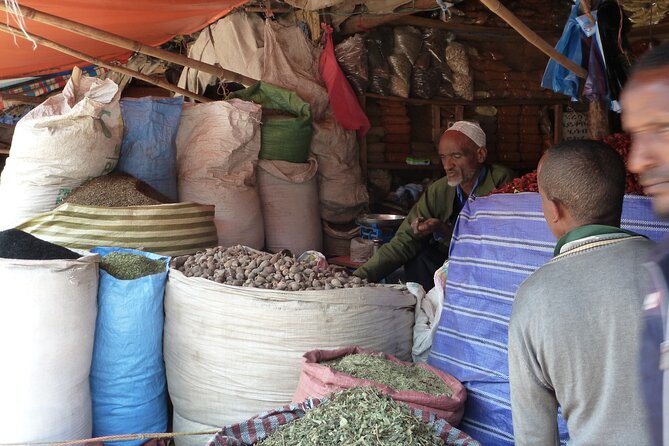
Mercato is the big test of whether you like your travel messy and real. This is the kind of market that keeps moving even when you stop to look: merchants calling, customers browsing, and a constant flow of small transactions that add up to a city within the city.
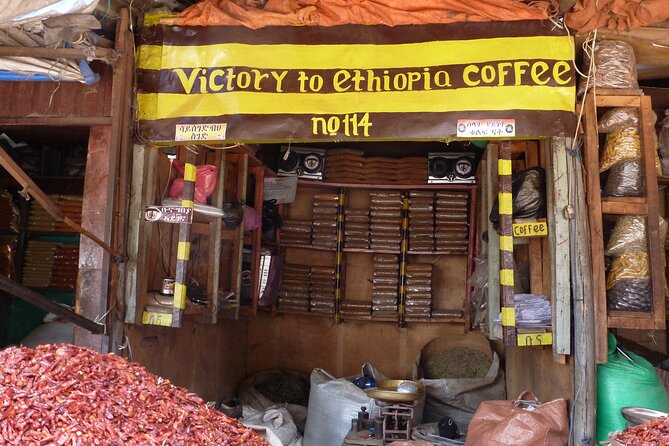
What makes this stop more interesting than a quick photo stop is the variety of what you’ll notice. You’re not only looking at traditional items like basketry and pottery, and livestock being sold—you’ll also see a recycling market, where different items are made from waste. That mix gives you a better grip on daily life and local ingenuity, not just a tourist walkthrough.
Practical note: wear shoes you can tolerate getting bumped around in. And if ladders or roof access come up for a better viewpoint (a detail I’ve seen mentioned with this tour style), decide based on your comfort level. You can enjoy Mercato without turning every shortcut into an obstacle course.
Zoma Museum gardens, lunch, and the food you actually taste
After Mercato, Zoma Museum is your reset button. It’s a peaceful break with a permaculture garden feel—false banana trees, herbs, and a small urban farm that helps you understand how people shape growing space in a city.
Lunch happens here too, and it matters because it keeps the rhythm of the day humane. Instead of racing straight from one building to the next, you sit down, take a breath, and then connect what you ate with what you’ll learn next.
The heart of Zoma for food lovers is the way the tour treats Ethiopian cuisine as something you can learn through doing. You’ll have a chance to see how traditional Ethiopian food is prepared and then try it afterward. Injera often comes up in this kind of experience, and the tour’s format is built around that practical, hands-on sequence.
Then comes the coffee ceremony, and this is where the tour earns repeat attention. You’ll watch coffee roasted and prepared while incense is burned on a traditional charcoal stove. Even if you’re not a coffee person, you’ll likely remember the smell and timing—coffee here is a ritual, not just a drink. And yes, coffee and/or tea are included.
One consideration: this part of the day is sensory. If smoke or strong incense scents bother you, let your guide know early so you can position yourself comfortably while still seeing the process.
Bata Mariam Church and Menelik II’s mausoleum: power, roots, and giant turtles
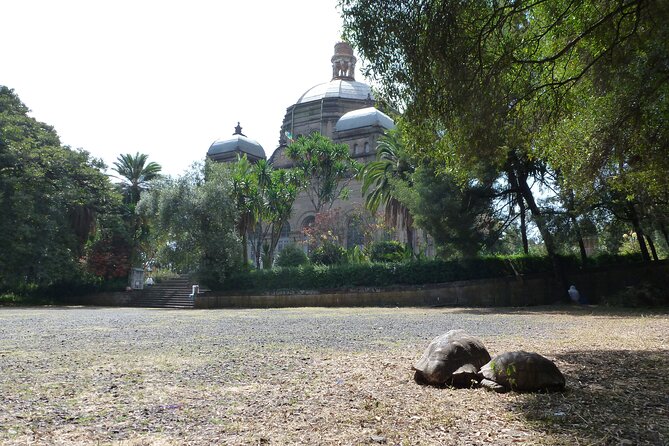
History in Addis can feel heavy, but this stop keeps it grounded in place. You’ll visit the old Bata Mariam Church with a compound that’s said to be inhabited by giant turtles—an odd, memorable detail that makes the site feel lived-in, not museum-flat.
Beneath the church grounds is the Mausoleum of Menelik II, the founder of Addis Ababa. You’ll also see tombs from other members of the former royal family. That underground setting makes the names feel closer to the city itself, because it’s not just reading about founders—it’s standing in their resting place.
The tour also points out an original painting Michelangelo. Whether you’re an art person or not, it’s a surprising connection that widens what you think this place contains.
Logistics-wise, this stop is about an hour. It’s a good length: enough time to see the key elements without turning the day into a marathon of solemn rooms.
The National Museum of Ethiopia and Lucy: why Addis matters to human history
The National Museum of Ethiopia gives you a different kind of context. Instead of focusing only on politics and dates, it emphasizes the evolution of mankind using fossils and examples found in Ethiopia.
The star is Lucy, often called the famous 3.2 million years discovery. Seeing Lucy in person is powerful because it reframes geography: Ethiopia isn’t only a country with a deep past. It’s tied directly to how scientists track early human development.
This stop also works well inside a food-and-culture tour because it explains why so many people in Ethiopia value heritage. Once you’ve connected Ethiopian identity to deep time, the rest of the day—church, founders, capital history—clicks into place more naturally.
You’ll spend about an hour here. That’s just long enough to understand the big story without losing energy before the final climb.
Mount Entoto sunset: capital history at the city’s edge
Mount Entoto is where the day shifts from indoor learning to open-air perspective. You’ll explore the museum and see the first palace of Addis Ababa’s founder at the entrance of the city, which helps you connect the capital’s origin to the geography around it.
Then the plan turns simple and very appealing: sunset over Addis Ababa’s skyline. This is not just pretty sky. It’s a practical way to see the city’s scale after you’ve spent hours in markets and museums. You end the day with a view that makes everything you saw earlier feel less scattered.
Timing matters here. Your arrival for sunset is the payoff, so wear a layer. Even if the day feels warm at street level, higher ground can cool off.
How Anteneh’s guiding style makes the day work for real people
A big reason this tour earns strong marks is the guide experience—especially with Anteneh. People highlight his professionalism, kindness, and clear English, and they also mention how he adapts the schedule to the time they have. If you have a layover or a tight window, this kind of flexibility is the difference between checking boxes and actually enjoying the day.
One detail I really like about this style is how it finds small upgrades without wrecking the plan. For example, there are mentions of getting a better Mercato view from a local restaurant roof, and even a rooftop access with a rickety ladder. That’s a perfect reminder to tell yourself: you can choose the view, but you don’t have to take every risk. If you prefer stable steps only, you can ask for the best safe angle.
I also like that the tour doesn’t treat Ethiopia as one-size-fits-all sightseeing. People mention extra local shopping opportunities like Ethiopian cotton cloth, and a food stop like a juice bar. Those additions help you walk away with something tangible—like fabric, not just memories.
Price and value: what $75 buys in a full cultural day
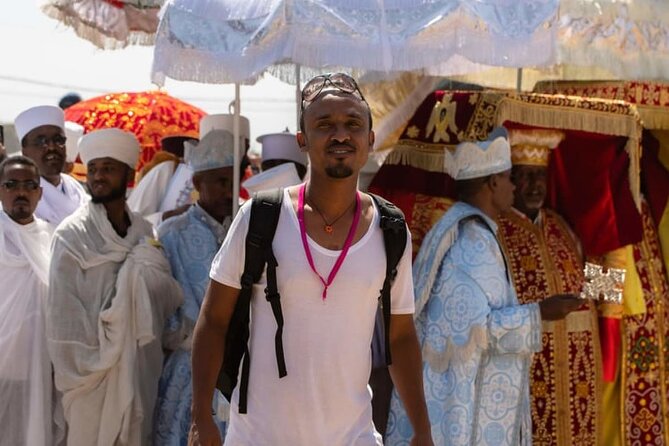
At $75 per person for about 8 hours, this tour prices itself like a smart budget option, not a luxury splurge. You’re paying for private transportation plus a full day structure that includes snacks, bottled water, and coffee/tea, while also rolling in admission tickets at each of the main stops.
That’s the value: you’re not spending time figuring out how to stitch together Mercato, museums, church sites, and a hilltop sunset. Local driving plus guided interpretation is hard to replicate cheaply on your own when you factor in time and navigation.
Also, it’s described as suitable for all types and ages of travelers. In plain terms, that means the day isn’t built only for hardcore museum lovers or only for market browsers. You get variety, and your guide can keep the pace friendly.
Practical tips so your day feels easy, not exhausting
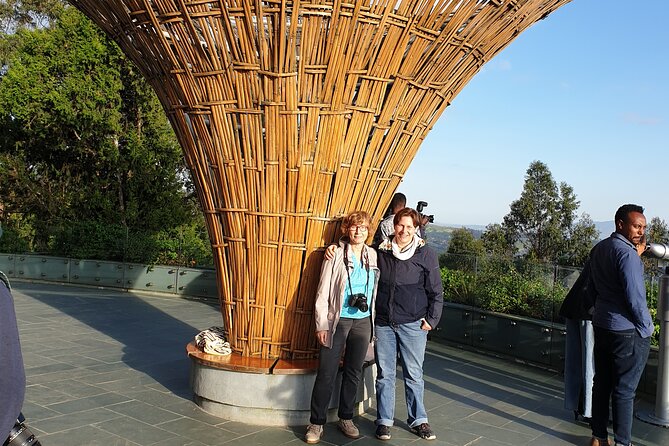
Here are the small choices that make this tour feel smooth.
Wear and carry: comfortable shoes are key for Mercato and for shifting between sites. Bring something light for sun, and a layer for Mount Entoto’s cooler air at the end.
Respect the pace: Mercato is a lot. Zoma gives you a calmer rhythm. Use that shift to your advantage—eat slowly, ask questions, and don’t try to absorb every stall.
Ask about your comfort zones: if incense scents, crowded spaces, or uneven steps aren’t your thing, say so early. Guides can often adjust where you stand or how long you stay.
Plan for photos, but prioritize people: this day works best when you slow down enough to look at how things are made—food, coffee, and market recycling—rather than treating each stop as a checklist.
Should you book Hidden Treasures of Addis Ababa?
I’d book this if you have a day to feel Addis Ababa’s range: the market economy, food culture, and big historical markers, all with private transport and admissions built in. It’s also a good fit if you don’t want to coordinate multiple tickets and locations on your own, especially with a guide like Anteneh who can help steer the day to what matters most to you.
Skip it only if you strongly dislike crowds and smoke/incense routines, or if you’re very mobility-limited for getting around church compounds and potentially uneven surfaces. Otherwise, this is a practical, well-paced way to learn the city through taste, stories, and views.
FAQ
What is the duration of the Hidden Treasures of Addis Ababa tour?
The tour runs for about 8 hours.
What does the tour cost, and what is included?
It costs $75.00 per person. Included are private transportation, snacks, bottled water, and coffee and/or tea.
Is this tour private or shared?
It is a private tour/activity, so only your group participates.
Are admission tickets included for the stops?
Yes. Admission tickets are included for the market, Zoma Museum, the church/mausoleum stop, the National Museum, and Mount Entoto.
What time does the tour start and when is pickup?
Daily opening hours are 8:30 AM to 9:30 AM, and pickup is offered from your hotel or any place you prefer.
What is the cancellation policy?
You can cancel for a full refund up to 24 hours in advance of the experience start time. If you cancel within 24 hours, the amount paid is not refunded.