REVIEW · ADDIS ABABA
DAY TRIP TO THE UNESCO HERITAGE SITE TIYA & Melka Kunture
Book on Viator →Operated by WALK IN ETHIOPIA TOUR AND TRAVEL · Bookable on Viator
Three ancient stops. One long, satisfying day.
This private tour strings together UNESCO Tiya megaliths (often called the Stonehenge of Ethiopia), the prehistoric tool-making area of Melka Kunture, and the rock-hewn church of Adadi Maryam. I love that the day feels focused, with a clear flow and built-in time at each site, and I love the practical comfort of an air-conditioned vehicle plus lunch included. One thing to consider: if security concerns pop up, plans can change at short notice, and one past participant said communication during that kind of disruption could have been faster.
In plain terms, you’re trading Addis city time for a big day of ancient Ethiopia. You start at 9:00 am, and you’ll spend about 3 hours at Tiya, then shorter visits at Melka Kunture and Adadi Maryam (about 1 hour each). Admissions for all three stops are included, and you get a mobile ticket, water, and a driver-guide setup designed for flexibility.
The best part is that the stops complement each other: carved stones and ancient symbolism at Tiya, practical human survival technology at Melka Kunture, then a sacred, cave-like church setting at Adadi Maryam. The drawback is also the trade-off: it’s a 10-hour day with a lot of driving, so you’ll want comfortable shoes and patience for timing.
In This Review
- Key things I’d bookmark before you go
- UNESCO Tiya, prehistoric tools, and Adadi Maryam: the payoff
- From Addis to the Gurage Zone: how the 9:00 am start feels
- At Tiya World Heritage Site: what to look for in the 46 decorated stones
- Melka Kunture in 1 hour: seeing stone tools at a prehistoric workshop site
- Adadi Maryam’s rock-hewn church: a Lalibela-era stop outside Lalibela
- Lunch, bottled water, and pacing on a 10-hour private outing
- Price check: $265 per person for a private day with admissions
- Guide and driver service: clear English, friendly driving, and a heads-up
- Who this day trip from Addis Ababa suits best
- Should you book this Tiya and Adadi Maryam day trip?
- FAQ
- How long is the day trip?
- What time does the tour start?
- What sites are included in the tour?
- Is lunch included?
- Are admission tickets included?
- Do I get pickup from Addis Ababa?
- Is this a private tour or shared?
- What is the price per person?
- Is there free cancellation?
- Are there extra fees for photos or a camera?
Key things I’d bookmark before you go

- UNESCO Tiya stones: see the decorated megaliths in one dedicated stop (admission included)
- Melka Kunture timing: a focused 1-hour visit to a prehistoric tool-making site near Tiya
- Adadi Maryam: a rock-hewn church and monastery setting built by King Lalibela prior to his famous rock churches
- Private, flexible pacing: only your group goes, with personal attention from the guide
- Comfort + fuel: air-conditioned transfers, bottled water, and lunch at no extra cost
- Camera costs to plan for: photography and camera fees are not included
UNESCO Tiya, prehistoric tools, and Adadi Maryam: the payoff
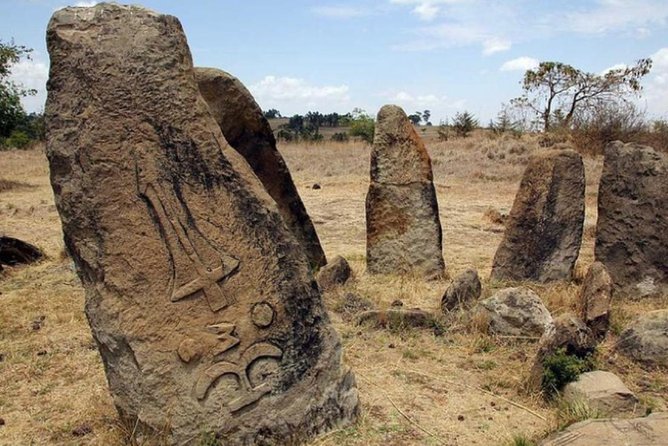
This is the kind of day trip that works well when you want something deeper than a quick photo stop, but you still have limited time in Addis Ababa. You’re going to three sites that all connect to Ethiopia’s long timeline, and the route keeps that story moving instead of repeating the same kind of monument.
Tiya is the headline for many people, mainly because it’s a UNESCO World Heritage site and because the stones are carved and decorated in a way that makes them feel like intentional messages, not random rocks. Then you jump to Melka Kunture, which flips the theme from symbolic stonework to early human craftsmanship—tools made for living. Finally, Adadi Maryam returns you to a sacred space, with the feel of a rock-hewn church similar to what people associate with Lalibela.
That mix is why the tour feels worthwhile even though two of the stops are shorter. You’re not just stacking sights. You’re changing gears: social meaning, then survival tech, then spirituality.
You can also read our reviews of more tours and experiences in Addis Ababa.
From Addis to the Gurage Zone: how the 9:00 am start feels
The tour starts at 9:00 am, and you’re looking at about 10 hours total. That means you should expect a day where driving time is real, even if you’re in an air-conditioned vehicle. The schedule is built around three main visits, with the majority of time spent at Tiya.
I like that the organizers keep things practical: bottled water is included, lunch is provided with no extra charge, and admission ticket costs for the stops are already covered. That reduces the usual stress of trying to sort out tickets while you’re on the road.
One more note from real-world experience: one person reported getting stuck waiting long enough that they were unsure what was happening, and they said communications during a disruption weren’t great. You can’t control security events, but you can control your readiness—confirm pickup details the day before and plan to be waiting at the agreed location a few minutes early.
At Tiya World Heritage Site: what to look for in the 46 decorated stones
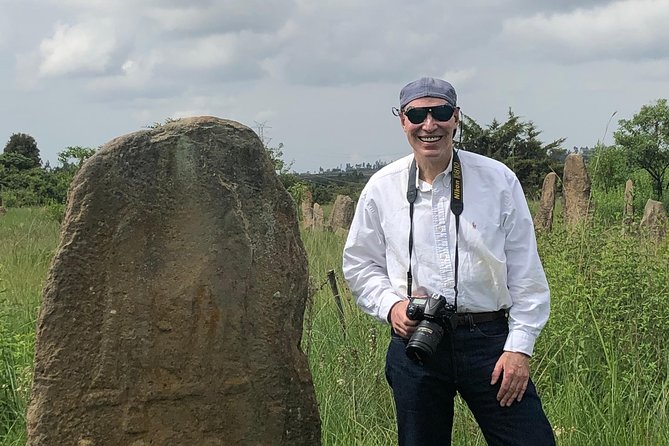
Tiya World Heritage Site is the first stop, and it’s where the day earns its name as Ethiopia’s Stonehenge. You’ll have around 3 hours here, with admission included.
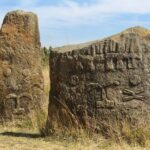
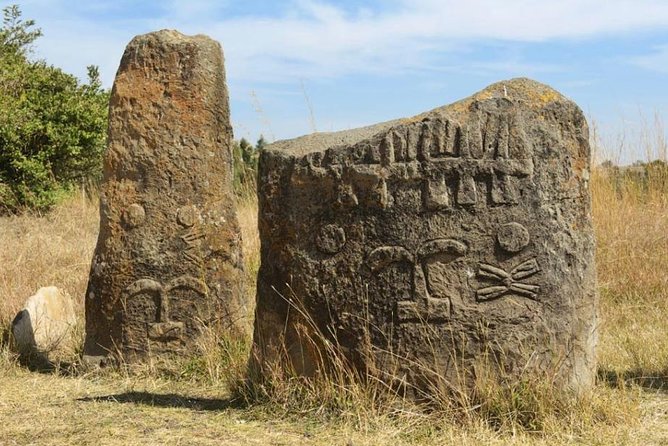
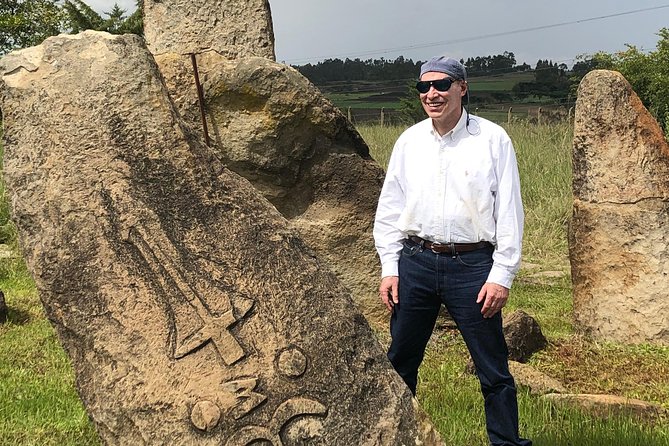
What makes Tiya special is the combination of scale and decoration. The site includes 46 large megaliths described as decorated stones. They’re located in central Ethiopia in an area known as the Gurage zone. Even though megalith traditions in Ethiopia go back far in time, these particular stones are described as relatively later—dating to sometime between the 10th and 15th centuries.
When you’re walking the grounds, don’t rush the shapes. The value isn’t just seeing tall rocks; it’s noticing that these are arranged and marked in ways that suggest people had a system—symbols, placement, and a meaning that lasted long enough for UNESCO recognition.
Practical tips for your visit:
- Give yourself room to slow down and look, because the stones reward attention rather than speed.
- Expect the site to feel more open and sun-exposed than a typical museum. A hat and sunscreen can be useful even if water is provided.
- Use your guide for context. The story of why these megaliths matter is part of what turns a viewing into understanding.
A possible downside: since you get 3 hours here, the time is enough to see the main elements, but it’s not enough to turn the visit into a research trip. If you’re the type who likes long, quiet time at one monument, you’ll still enjoy Tiya—just plan to absorb it rather than exhaust it.
Melka Kunture in 1 hour: seeing stone tools at a prehistoric workshop site
After Tiya, you head to Melka Kunture, a pre-historic tool-making site found near Tiya. Your time here is about 1 hour, and admission is included.
This stop is short by design. It gives you a break from the monument scale of Tiya and shifts you into human craftsmanship—tools our ancestors used millions of years ago. The value here is in the contrast: you’re not just studying stone as art or marker; you’re seeing stone as technology.
Even with limited time, try to approach it with different questions than at Tiya. Instead of asking what the stones symbolize, ask what kind of work the site represents. How would tools have changed daily life? How does a tool-making place differ from a burial or ceremonial area?
The trade-off is obvious: you might want longer here, especially if you like archaeology and early technology. But as a “taste” stop in the middle of a 10-hour loop, it works well because it keeps the day from becoming repetitive.
Adadi Maryam’s rock-hewn church: a Lalibela-era stop outside Lalibela
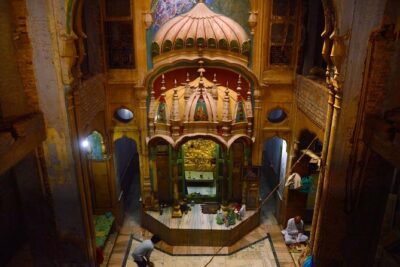
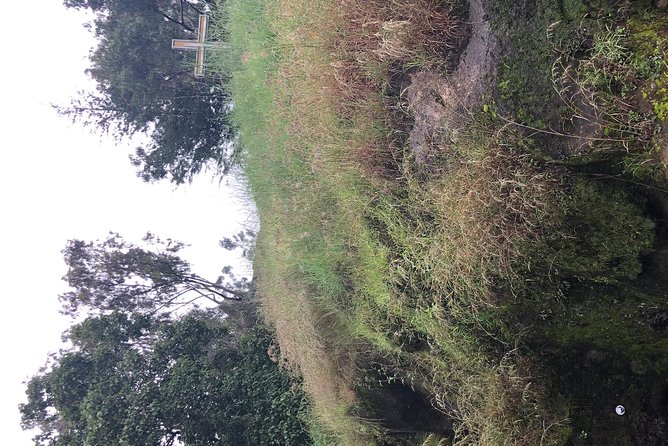
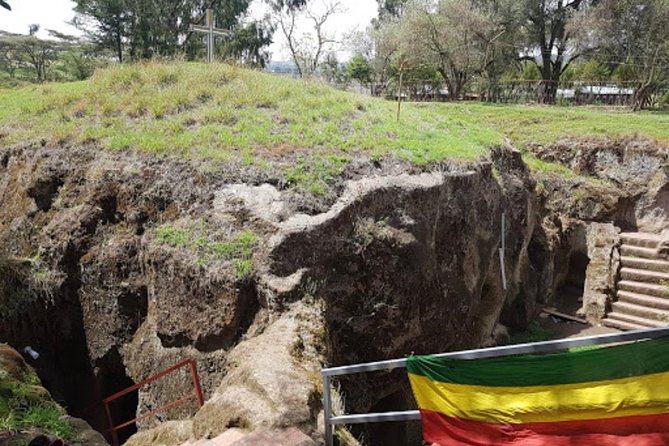
The final site is Adadi Maryam, an underground rock-hewn church and monastery. It’s described as dating to the 9th century, and the monastery was built by King Lalibela before his famous set of eleven rock-hewn churches at Lalibela.
Your visit here is about 1 hour, with admission included.
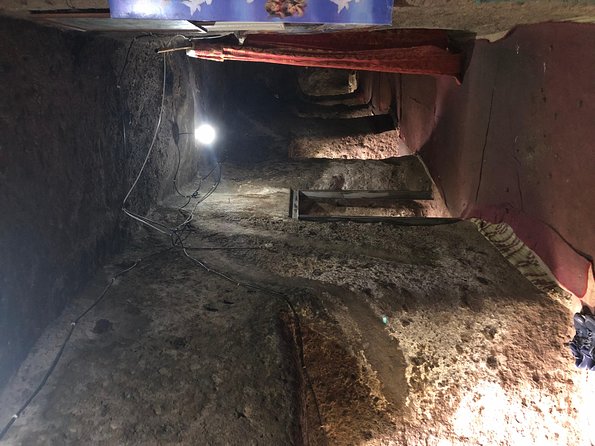
The main thing you’ll feel at Adadi Maryam is the change in space. Rock-hewn churches have a built-in mood: cooler air, stone surfaces, and an architecture that makes you aware of how people shaped a space for worship out of the ground itself. Since the tour calls it similar to the rock churches at Lalibela, you can use that mental frame—except in this case, you’re seeing it as part of a broader Ethiopian story, not a replica of something else.
A good way to make the hour count: don’t treat it only as “one more church.” Think of it as a bridge—Lalibela’s church program came later, but here you’re seeing a earlier religious anchor point connected to his legacy.
Potential drawback: because this is the last stop, energy can dip. Plan to keep a calm pace. The hour is enough to experience the setting and learn what you can, but it’s not designed for wandering at leisure all around the site.
Lunch, bottled water, and pacing on a 10-hour private outing
This is where the private format helps. You’re not dealing with a large group timetable, and the tour is designed for personal attention and flexibility. That matters because sites like Tiya can feel visually dense. If you want a bit more time to ask questions, a private guide setup makes that easier than on fixed departures.
What’s included also reduces stress:
- Lunch is provided with no extra cost
- Bottled water is included
- Admission tickets for each stop are included
- Transfers are done in an air-conditioned vehicle
Small but important: alcoholic drinks are not included, and photography/camera fees are not included either. So if you plan to take lots of pictures and you’re sensitive to extra site charges, budget accordingly and keep some small cash handy.
The day’s rhythm is clear:
- 9:00 am departure
- ~3 hours at Tiya
- ~1 hour at Melka Kunture
- ~1 hour at Adadi Maryam
That structure works for people who want a packed day without turning it into a sprint.
Price check: $265 per person for a private day with admissions
At $265 per person, this isn’t a bargain-basement excursion. But for Ethiopia, the value math looks better when you break it down.
You’re paying for:
- A private tour (your group only)
- Air-conditioned vehicle transfers from Addis Ababa
- Lunch
- Bottled water
- Admission tickets for all three sites
In other words, you’re not just paying for a driver to drop you off. You’re paying for guided time plus transportation plus key entry costs. Those add up quickly on your own, especially when you’re trying to avoid delays.
A practical scheduling note: the average booking time is about 17 days in advance, which hints that spots can get taken up when people plan trips. If your dates are tight, don’t assume it’ll work last minute.
Guide and driver service: clear English, friendly driving, and a heads-up
The strongest repeated theme in the feedback is service quality. One visitor named Varvara highlighted the professionalism and management of the day, and someone called out that the guide had perfect English and worked smoothly with a friendly driver. That kind of communication matters on a day trip like this, where you need quick explanations before you move on.
I also like that the experience is designed to be managed well: it’s private, with personal attention, and it includes most of the everyday costs (lunch, water, admissions). That setup is what turns a long day of driving into something that feels organized.
The one caution comes from a less pleasant scenario: a participant described a situation where they couldn’t complete the trip due to sudden security concerns and said they waited over an hour without information. While that sounds situation-specific, it’s still a reminder to:
- confirm pickup arrangements,
- keep your phone available,
- and ask your hotel front desk to help you double-check where the guide will meet you.
Who this day trip from Addis Ababa suits best
This is a great match if you:
- want UNESCO in one day without spending multiple days on the road,
- like mixing archaeology with cultural and sacred sites,
- and prefer a private setup over a crowded group schedule.
It also works well for people who are curious about how Ethiopia connects different eras. Tiya gives you carved megaliths from between the 10th and 15th centuries. Melka Kunture points you to prehistoric tool-making. Adadi Maryam connects to the religious world that shaped Lalibela’s later work.
If you’re the type who wants slow travel and long time at one place, you might feel the schedule is tight. But for most people with limited time in Addis Ababa, this is a very efficient way to see three important historic sites in a single day.
Should you book this Tiya and Adadi Maryam day trip?
Yes, if you want a well-paced, private day that hits the UNESCO highlight plus two related historic stops, and you value that lunch and admissions are included. I’d book it if you like variety: symbolic stones, early technology, and an underground rock-hewn church all in one loop.
Skip it (or at least be extra cautious) if you’re extremely sensitive to schedule disruptions. One past experience pointed to sudden security concerns and slow communication during that disruption. You can’t plan for that kind of event, but you can plan for peace of mind by confirming details early.
FAQ
How long is the day trip?
The tour lasts about 10 hours.
What time does the tour start?
The start time is 9:00 am.
What sites are included in the tour?
You’ll visit Tiya World Heritage Site, Melka Kunture, and Adadi Maryam.
Is lunch included?
Yes. Lunch is included with no extra cost.
Are admission tickets included?
Yes. Admission tickets are included for all three stops.
Do I get pickup from Addis Ababa?
Pickup is offered, and the tour includes transfers from Addis Ababa in an air-conditioned vehicle.
Is this a private tour or shared?
This is a private tour/activity. Only your group will participate.
What is the price per person?
The price is $265.00 per person.
Is there free cancellation?
Yes. You can cancel up to 24 hours in advance for a full refund.
Are there extra fees for photos or a camera?
Photography and camera fees are not included, and alcoholic drinks are also not included.