REVIEW · ARUSHA
24 Hours in Arusha—Arusha Museum, Cultural Heritage, Maasai Market, Shanga
Book on Viator →Operated by Kim'zebra Adventures & Safaris · Bookable on Viator
Arusha can feel like just a stopover, but one focused day changes that. This private tour strings together four places that explain how people live, shop, and create in northern Tanzania, with door-to-door pickup so you don’t waste hours in traffic.
I especially liked two things: the calm, organized pace of a private tour and the way the stops mix “things to see” with real people and real work. Daniel, your guide, is professional and well-informed about Arusha and Tanzania, and he keeps everything moving without rushing you.
One possible drawback: you’re on the go for about 12 hours, and each stop is around 3 hours—so if you prefer slow wandering with lots of breaks, plan on some tired legs by the end.
In This Review
- Key Things I Think You’ll Care About
- Private Transportation and an 8:00 am Start That Actually Works
- Cultural Heritage Centre: Curios, Crafts, and the Tanzanite Counter
- Shanga & Shanga Foundation: Art Made with a Real Purpose
- Maasai Market: Shopping in a Maze Without Losing Your Head
- Arusha National Natural History & Cultural Museum: The German Boma Time Machine
- Lunch and Timing: How a 12-Hour Day Feels
- Price and Value: What $205 Really Buys You
- What Kind of Traveler This Day Works For
- Should You Book 24 Hours in Arusha?
- FAQ
- How long is the Arusha tour, and what time does it start?
- Is transportation included, and do you get pickup?
- What stops are included in the itinerary?
- Is lunch included?
- Are admission tickets included?
- What costs are not included?
Key Things I Think You’ll Care About
- Door-to-door pickup that helps you start at 8:00 am without guessing transport
- Cultural Heritage Centre admission included, plus lots of shops under one roof
- Shanga Foundation workshop displays, where disability employment is the point
- Maasai Market shopping structure, including a basket system as you browse
- Arusha Museum in a German boma, with a standout human-evolution wing
- Lunch included, so you can keep sightseeing time for sightseeing
Private Transportation and an 8:00 am Start That Actually Works
This is built as a full day, starting at 8:00 am. I like that the meeting time is early, because it helps you see more before the afternoon heat and slows down the “wait around” feeling that can happen when you’re trying to coordinate a bunch of separate activities.
Pickup is offered at your accommodation, and you’ll also get drop-off after the last stop. Practically, that means less negotiating and fewer “how do we get there” moments. And because it’s private, it’s just your group, not a mixed crowd being shuffled around.
Daniel’s on-time start matters more than you’d think. When you’re packing in the Cultural Heritage Centre, Shanga, the market, and the museum, timing is everything. He keeps the day logical so you don’t burn energy backtracking.
Cultural Heritage Centre: Curios, Crafts, and the Tanzanite Counter
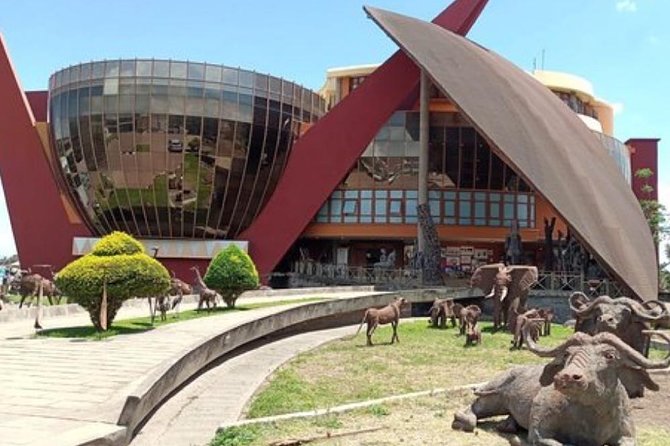
You’ll spend about 3 hours at the Cultural Heritage Centre, which sits on the outskirts of Arusha. This place is more than a single gallery—it’s a whole cluster of shops and displays: curio shops, a jewellery boutique, a tanzanite and precious stone counter, and an art gallery.
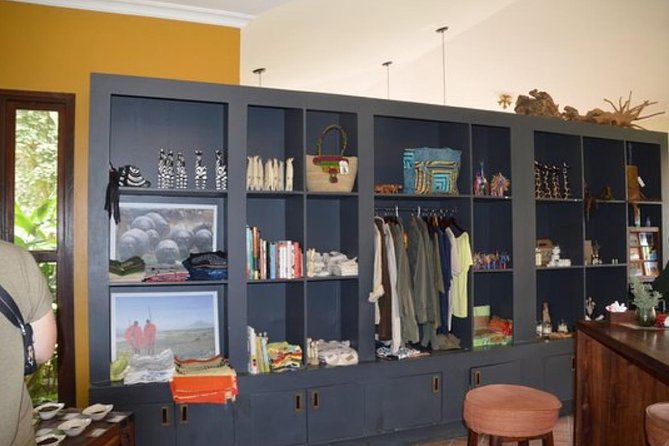
What I like here is the shopping is grouped by theme. You can look at ornaments, jewellery, antiques, and local crafts, then switch to clothing, textiles, accessories, books, and spices without feeling like you’re constantly changing locations. If you’re trying to buy gifts and souvenirs in one sweep, it’s efficient.
The stone side is a big draw. The centre has a collection of precious and semi-precious stones—rubies, emeralds, tsavorite, diamonds, sapphires, and opals—and tanzanite is treated as the star. Tanzanite is described as a rare blue/violet stone, so even if you’re not a buyer, it’s a good place to learn what people are excited about.
A fair caution: stone and jewellery shopping can turn into a sales pitch. Here, you’ll still be in a retail environment, so keep your own pace. Look first, ask questions if you want, and only buy what you feel good about.
Shanga & Shanga Foundation: Art Made with a Real Purpose
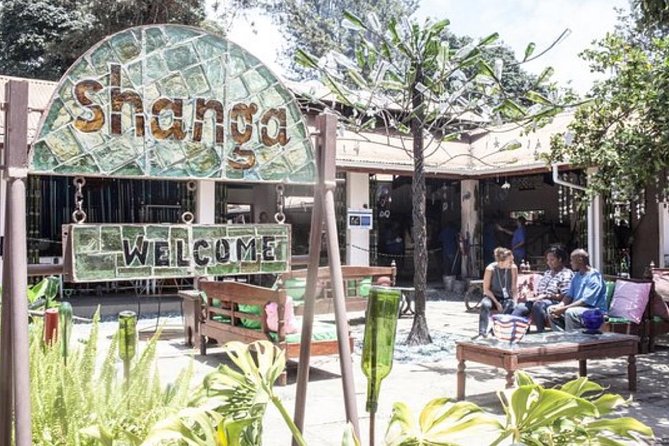
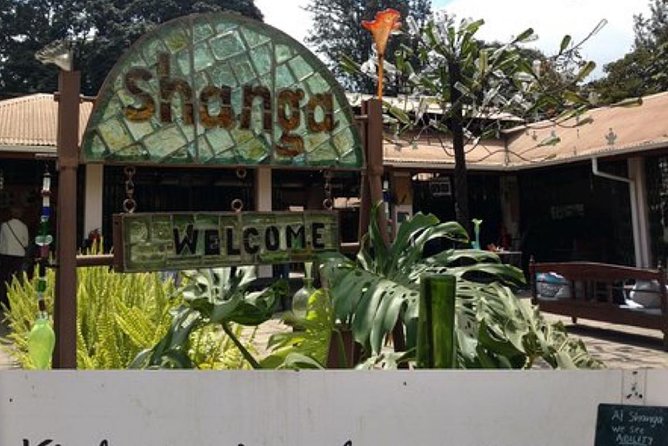
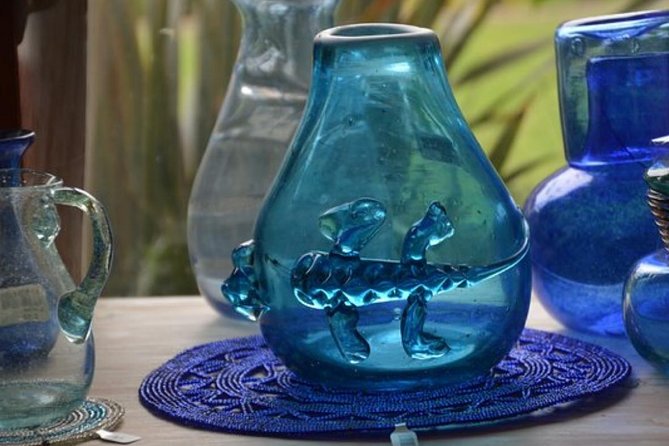
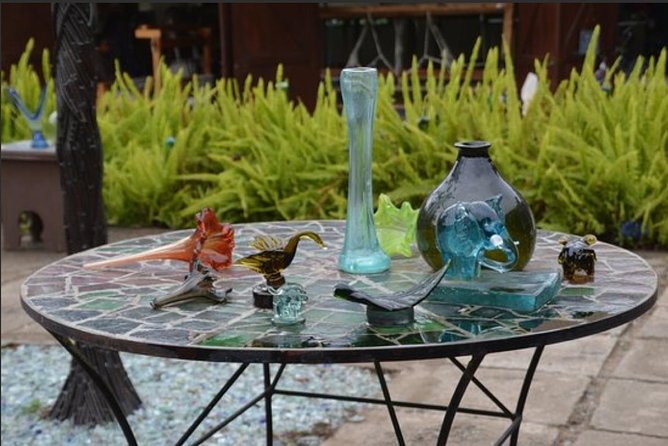
Next up is Shanga & Shanga Foundation, also about 3 hours. Shanga is a social enterprise that employs people with disabilities. Their handmade products include jewellery, glassware, and home wares made using recycled materials.
The value here is not just the craft—it’s the mission. You’re there to visit the workplace and see the handcrafts being made, with profits reinvested into developing more employment opportunities for people with disabilities. That changes how you view the items on sale, because you’re not buying as a spectator.
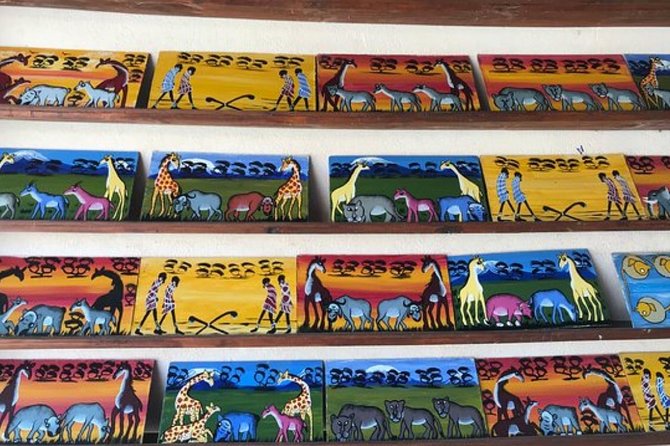
You’ll also see the workshop areas. The focus is on making techniques and art processes like glass-blowing, weaving, sewing, Tinga Tinga painting, bead-making, and metal work. There’s a shop where you can browse the finished pieces, so you can connect what you saw being made to what’s for sale.
What to expect day-to-day: a social enterprise usually means a smaller, more human pace than a typical tourist “factory.” You might find yourself asking more questions than you planned, and that’s a good thing. Just remember this is a workplace, so keep your behavior respectful and your attention on the process.
Maasai Market: Shopping in a Maze Without Losing Your Head
The Maasai Market stop is another 3 hours, and it’s a sensory experience fast. There are so many stalls that the variety can feel like it hits all at once when you enter. Some stalls look like they carry similar items, while others have different pieces.
Here’s the practical part I’d want you to know before you walk in: the vendors are generally respectful and they engage politely. You may hear greetings like mzungu, plus friendly cues like please you can touch. The important phrase for shoppers is that touching is presented as free, meaning you can handle items as you browse.
The market also uses a simple browsing tool: you might be handed a medium size basket. Vendors point you toward where to put items you’re interested in as you continue looking through stalls. It’s a smart system, because it reduces the chaos of carrying things around with no plan.
And even when you don’t buy, vendors may still thank you. That can help if you’re nervous about shopping etiquette. Still, you’ll want to pace yourself, because the sheer volume of goods can get overwhelming quickly.
My tip for making this stop enjoyable: set a quick goal before you enter. For example, decide you’re shopping for a couple of small gifts or one larger item. Otherwise, the market can eat time.
Arusha National Natural History & Cultural Museum: The German Boma Time Machine
The last major stop is the Arusha National Natural History & Cultural Museum, about 3 hours. The setting is part of the story: it’s inside an old German boma (fortified compound) completed in 1900.
The museum has three parts, and the best-known section is the wing dedicated to human evolution. Much of what we know about human evolution came from fossils unearthed in Tanzania, so this isn’t just a local museum—it’s connected to big scientific discoveries.
Besides human evolution, you’ll also see displays on insects, the history of Arusha during the German colonial era, and wildlife photos and mounts. That mix is a nice way to connect the dots between land and people: fossils, insects, colonial-era changes, and how wildlife is presented in museum form.
If you’re tired from the market, this stop is also a good reset. Museums give you a chance to slow down, sit for a few minutes, and let your brain switch from bargaining and browsing to absorbing information.
A good consideration: museums have a lot of reading and viewing. If you’re sensitive to crowds or bright lighting, plan to take breaks. But overall, it’s a strong ending to the day because it adds context to what you’ve been seeing outside.
Lunch and Timing: How a 12-Hour Day Feels
This day is designed around four long-ish blocks, and you’ll have lunch included. With each main stop taking around 3 hours, you’ll likely spend your morning and early afternoon moving through the sites, then finish with the museum.
Because pickup and drop-off are included, your time inside the car should be planned rather than dragged out. Still, travel time exists, and it matters in a day this full. If you’re sensitive to long days, treat this as a “see a lot” itinerary, not a “relax all day” one.
The included lunch is one of the best time-savers you could ask for. It means you won’t have to hunt for food between stops, which is where sightseeing plans often fall apart.
Also note what’s included and not included. Alcoholic beverages are not included, and personal items like a camera or visa aren’t part of the tour cost. The tour does include drinking water and soft drinks during the day, which is exactly the kind of small comfort that keeps you from getting cranky in the afternoon.
Price and Value: What $205 Really Buys You
At $205.00 per person, this tour isn’t the cheapest option in town. But it is priced like a day with real logistics handled for you: private transportation, a private guide, admission included at each main site, and lunch.
When I look at value here, I focus on the “hidden costs” of doing this on your own:
- You’d have to arrange transport between four different stops.
- You’d need to buy admissions at each place.
- You’d lose time figuring out the best order and dealing with local traffic.
This tour already solves those problems. Plus, because it’s private, you get individualized attention rather than sharing a guide with a larger group that needs to be kept together.
The group discount can also help if you’re traveling with friends or family. If you’re going solo, the private format is still the key value lever: you’re paying for fewer hassles, better flow, and a guide who can keep the day coherent.
What Kind of Traveler This Day Works For
This itinerary fits best if you want a structured sampler of Arusha in one day. It’s a smart match for:
- People who like culture + shopping + a museum in the same block
- Travelers who don’t want to manage transit between sites
- Families or couples who want a calmer experience than public group tours
It may be less ideal if you only enjoy one type of stop—say, only museums or only markets—and you hate shopping environments. The day does include markets and retail-style venues, so expect some time spent browsing and looking around.
If you’re the type who loves mission-driven shopping, Shanga is the emotional highlight.
Should You Book 24 Hours in Arusha?
I’d book this tour if you want a well-paced way to see the city’s cultural side without turning your day into a taxi chess match. The mix is practical: Cultural Heritage Centre for crafts and tanzanite interest, Shanga for disability employment and handmade work, Maasai Market for browsing with respectful vendor interactions, and the museum for human evolution context inside a German boma.
I’d skip it if you’re trying to travel extremely light on your feet or you hate markets and retail environments. Also, if you want slow, free time to wander Arusha without scheduled stops, this format may feel like too much structure.
If your goal is a full, meaningful day with a guide like Daniel and door-to-door convenience, this one makes a lot of sense.
FAQ
How long is the Arusha tour, and what time does it start?
The tour starts at 8:00 am and runs for about 12 hours.
Is transportation included, and do you get pickup?
Yes. The tour includes private transportation with pickup and drop-off at your accommodation.
What stops are included in the itinerary?
The itinerary includes the Cultural Heritage Centre, Shanga & Shanga Foundation, Maasai Market Curios and Crafts, and the Arusha National Natural History & Cultural Museum.
Is lunch included?
Yes. Lunch is included.
Are admission tickets included?
Yes. Admission tickets are included for the Cultural Heritage Centre, Shanga & Shanga Foundation, Maasai Market Curios and Crafts, and the Arusha museum.
What costs are not included?
The tour does not include alcoholic beverages, personal expenses, and items like a camera or visa. Tipping is also not included.