REVIEW · SEOUL
Seoul: Ganghwa Island UNESCO World Heritage Private Tour
Book on GetYourGuide →Operated by S.A. Seoul · Bookable on GetYourGuide
A day on Ganghwa Island feels like a time machine. You’ll pair UNESCO dolmens with palaces, fortresses, and quiet beach time, all with a guide to keep the story straight.
What I like most is the chance to see multiple eras in one outing, guided in English and paced for your group. I also like that you get a private format, so your route can shift with what you’re most excited about.
One thing to plan for: lunch isn’t included (the guide will recommend a place, but you pay), so budget extra if you have dietary needs.
In This Review
- Key things I’d plan around
- Why Ganghwa Island beats another Seoul day
- Your private English guide, plus real freedom to set the pace
- Peace Observatory and Ganghwa dolmens: where the story starts
- The island’s core: palaces, churches, temples, and textile culture
- Gwangseongbo Fortress and Dongmak Beach: the best reset combo
- Price and value at $180 per person (and what costs extra)
- What a smooth day looks like from start to finish
- Who this tour is perfect for (and who should skip it)
- Should you book this Ganghwa Island private tour?
- FAQ
- Is lunch included on this Ganghwa Island tour?
- What language is the tour guide?
- How long is the tour?
- Is this a private tour or a shared group?
- Where does pickup happen?
- What if the weather is bad?
- Is the tour wheelchair accessible?
Key things I’d plan around
- English private guide who helps you connect the dots at each stop
- UNESCO Ganghwa dolmen site for the megaliths and the deeper context behind them
- Fortress views from Gwangseongbo, plus a walk that gets you out of the car mindset
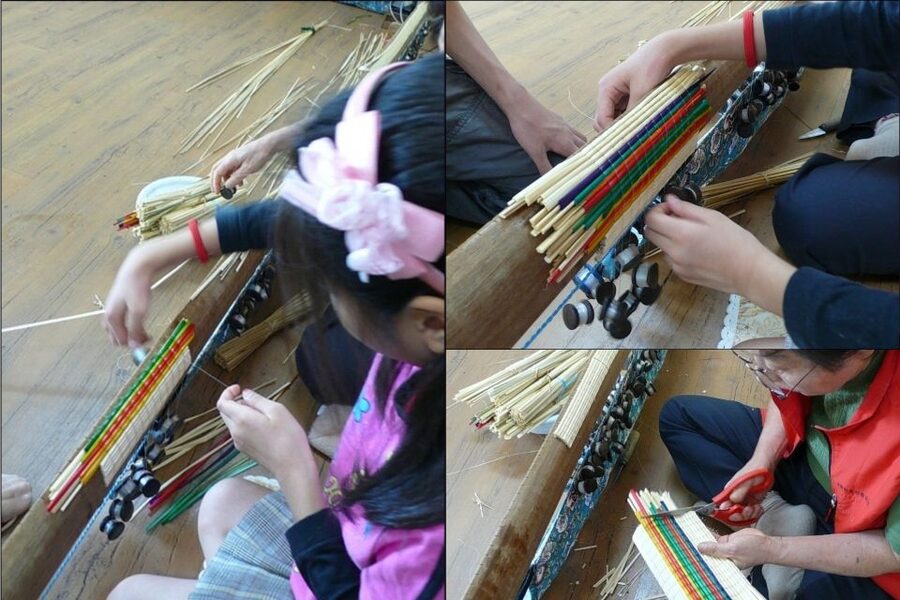
- Textile culture at Joyang Bangjik and related craft-focused stops
- Dongmak Beach as your reset button after the history-heavy parts of the day
Why Ganghwa Island beats another Seoul day
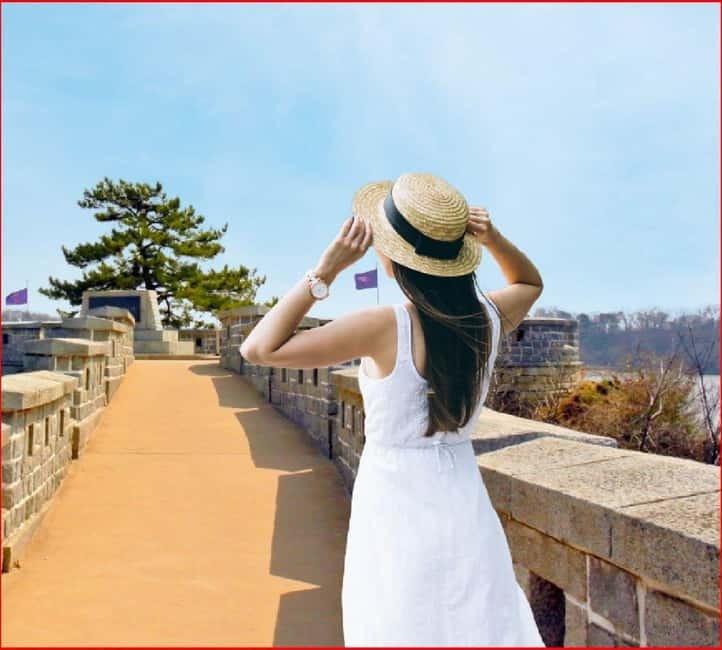
Ganghwa Island sits close to Seoul, but it doesn’t feel like a suburb day. The island has a different rhythm: stone monuments, old religious sites, fortresses with sea views, and then a real stretch of shore at Dongmak Beach. That mix is exactly why a private day trip here works so well.
You also get a clean story arc. The day isn’t just random sightseeing; it’s built around Ganghwa’s role as a strategic place and a cultural crossroads. You’ll see sites tied to Korea’s divided past and ancestral remembrance themes, then shift into older monuments and later-era places of worship and defense. The result is a day that feels both educational and surprisingly relaxing.
You can also read our reviews of more tours and experiences in Seoul.
Your private English guide, plus real freedom to set the pace
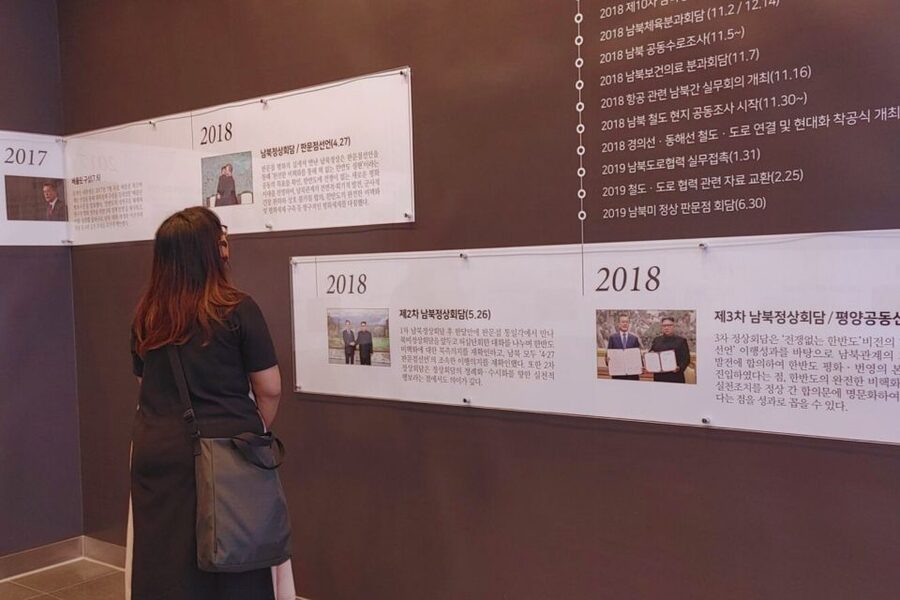
This is a private tour, meaning you’re not squeezed into a fixed group tempo. You travel with a professional driver/tour guide, and you can choose your own path and pace from a set of recommended attractions. That matters on Ganghwa because some sites call for slow looking (stone relics, temples), while others are better with purposeful walking (fortress walls, the beach).
The quality of the guide shows in small, practical ways. Guides such as Peter and Charlie have been praised for being very knowledgeable, staying enthusiastic, and steering you toward good photo spots. One guide also helped people time a ceremony at a temple, which is the kind of detail that’s hard to replicate if you’re doing this alone.
English is the working language, so you’re not left to interpret everything by yourself. If you like travel that teaches without lecturing, this format fits that sweet spot.
Peace Observatory and Ganghwa dolmens: where the story starts
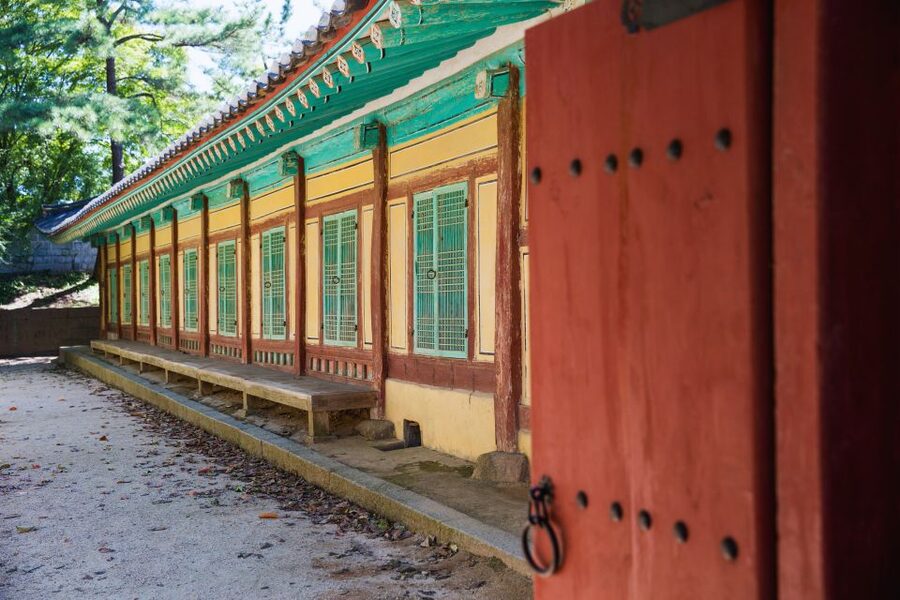
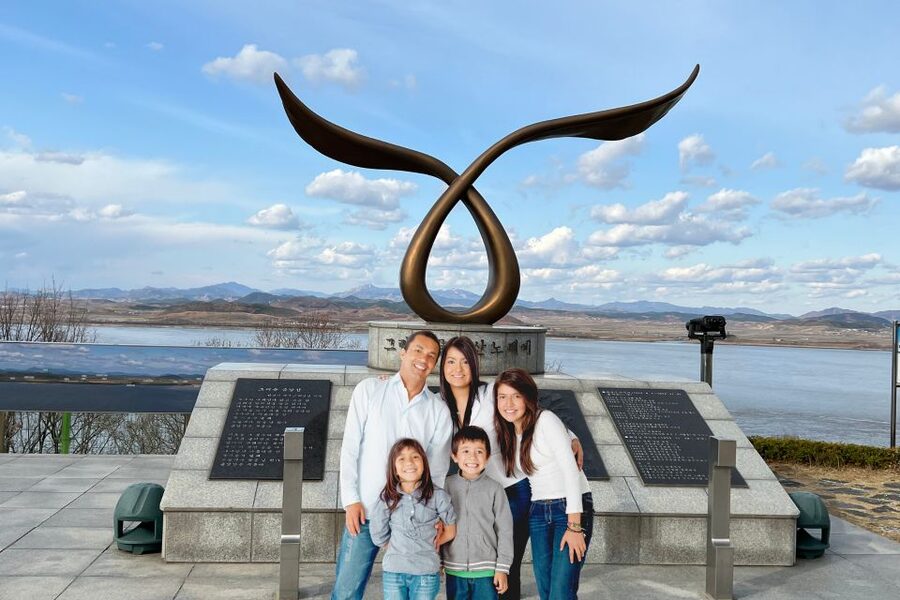
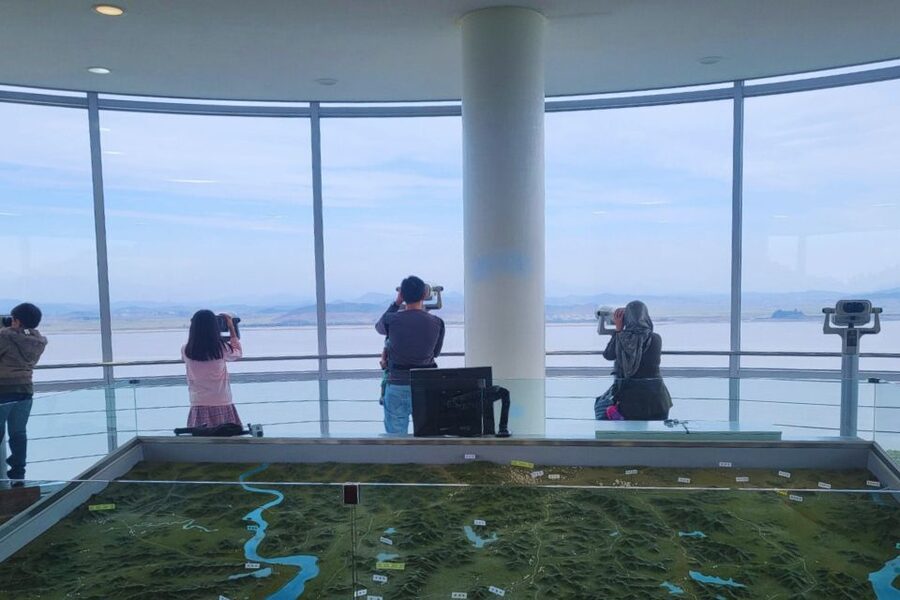
Most Ganghwa days begin with a viewpoint tied to peace and Korea’s modern history. The Ganghwa Peace Observatory is your first “big picture” stop. You get a guided visit for about 45 minutes, which is long enough to understand what you’re looking at without turning the day into a lecture.
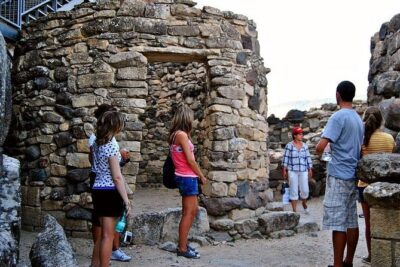
Then the tour shifts hard into deep time with Ganghwa dolmens, a UNESCO World Heritage site. The guided visit is around 30 minutes, and that’s a good length for megaliths. Up close, you start noticing scale and placement, which is where the “why does this matter?” questions usually click. A guide helps you move past the wow factor and into meaning: these stone sites weren’t built for selfies. They were built to last, to signal belief, and to anchor community memory.
If you’re the type of traveler who wants at least one major, internationally recognized heritage stop, this is the anchor. The day then becomes easier to enjoy because you know the framework.
The island’s core: palaces, churches, temples, and textile culture
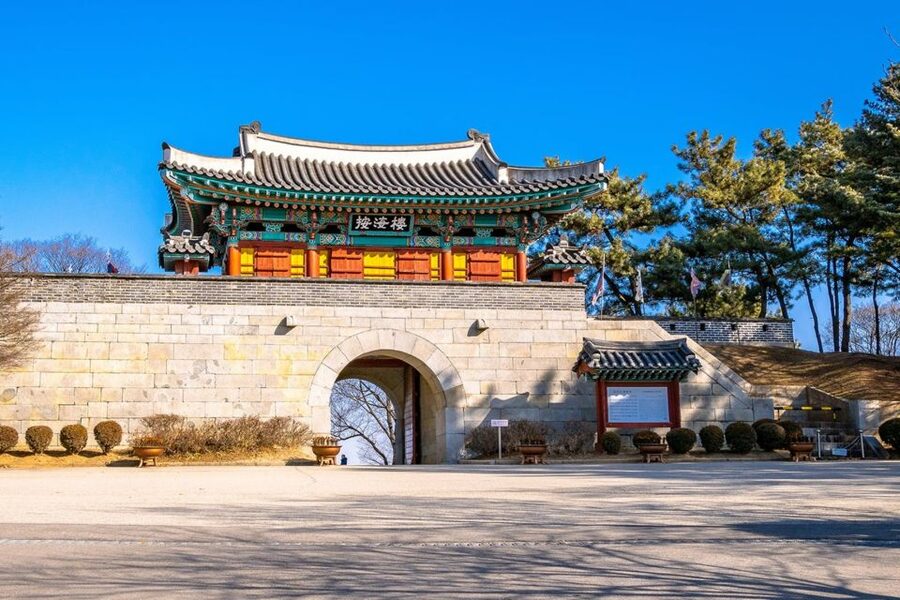
After lunch planning (more on that later), you spend several hours on Ganghwa Island on foot and with guiding. This portion is designed for flexibility, and that’s one of the biggest value points of the tour. Instead of a rigid checklist, you’re building a route from major island landmarks.
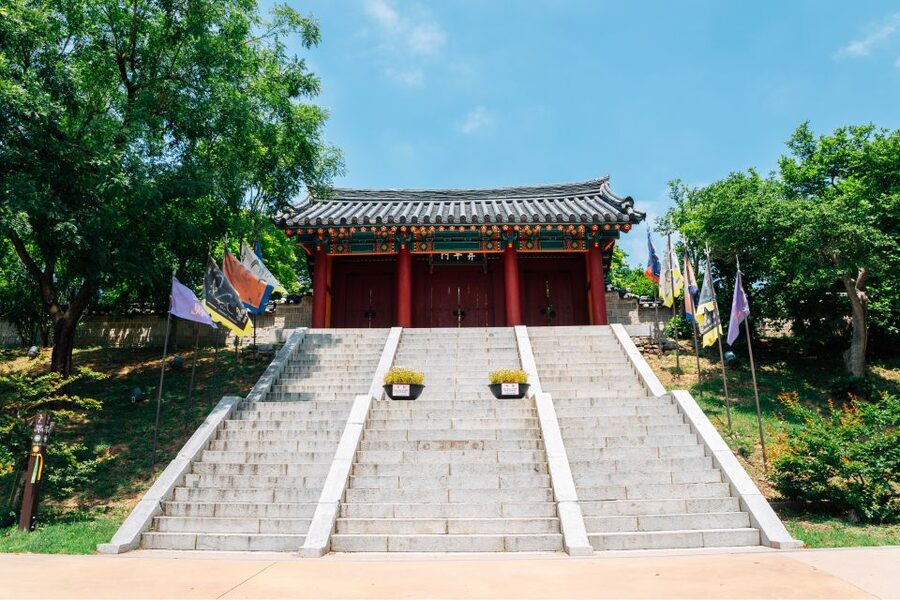
Depending on what you choose, you may include palace sites like Goryeo-gung Palace and Yongheung-gung Palace. You might also see the Ganghwa Anglican Church and a temple stop such as Jeondeung-sa Temple. In one example route, a temple ceremony was timed so you could experience it rather than just observe the building.
That matters for me because temples and ceremony-based sites aren’t only about architecture. They’re about how people use sacred places. If you’re into living culture, having a guide who can shape the timing helps a lot.
Then you hit the craft side with Joyang Bangjik (textile) and related textile-focused stops like 강화도령화문석. This is one of those parts of Ganghwa that feels very “of the island,” not generic tourism. Textiles connect history, design, and everyday life, and the cafe-style setting gives you a calmer break between stone and sea views. It’s also an easy place to slow down, look closely, and pick up small souvenirs if that’s your thing.
If you’re wondering how to choose: pick one “big history” palaces/temple focus, then balance it with one “make and design” textile focus. That keeps the day from becoming all weight and no variety.
Gwangseongbo Fortress and Dongmak Beach: the best reset combo

After the island walking block, Gwangseongbo Fortress brings the best kind of contrast. Fortress stops are often just ruins from the road, but here you get a visit with sightseeing and walking time. The views over the water are a highlight, and that’s the reward for paying attention to the defense logic. When you can see the coastline from where people stood, the purpose of these walls becomes real.
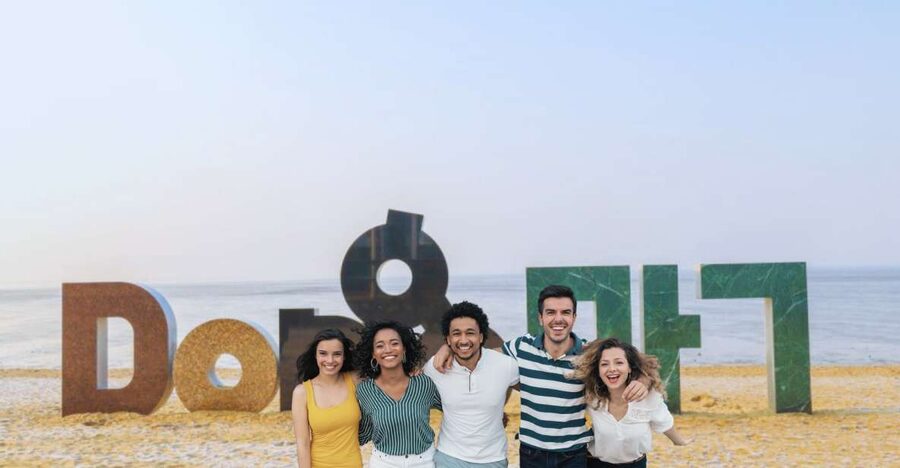
Then comes Dongmak Beach, described as pristine. This is where you swap “reading mode” for “breathing mode.” If you’ve been concentrating on history sites all morning, the beach is your decompression. It’s also the part of the day where you can move at your own speed: short stroll, long photo pause, or just sitting and watching the light shift.
Practical point: beach weather can change fast. Wear comfy shoes for uneven ground and consider bringing layers, even in warmer months, since sea breezes can feel cool.


Price and value at $180 per person (and what costs extra)
At $180 per person for a 10-hour private day, this tour prices itself as an all-in transportation + guided day. What you get is not just a guide holding a flag. The tour includes round-trip air-conditioned transportation, hotel pickup and drop-off, and toll fees, plus a professional driver and English live guide.
That’s where the money usually goes when you travel this way: paying for door-to-door transport and paying a guide to handle timing, routing, and explanations. Also, because it’s private, you’re paying for flexibility. You’re not stuck with the slowest member of a group or forced to do everything at someone else’s pace.
What’s not included is important: lunch costs extra. The tour structure builds in an hour for lunch, and the guide will recommend a local restaurant, but you’ll pay for your meal. If you have dietary restrictions, this is the part to plan for. The simplest strategy is to be clear about what you can eat before you go, and consider bringing a backup snack.
There’s also an optional end-of-tour purchase: Korean seaweed snacks sampled during the day. Optional is optional, so you can skip it if you’re not into snacks.
What a smooth day looks like from start to finish
The tour runs about 10 hours, starting with pickup in Seoul. Pickup is included, and you should wait in the hotel lobby about 10 minutes before your scheduled pickup time. Only pickups and drop-offs within Seoul city at the same location are accepted, so pick a hotel that makes that easy.
Because the day includes a guided observatory stop, UNESCO dolmens, a long island segment on foot, a fortress walk, and beach time, you’ll want to be practical about energy. Wear shoes you can walk in for several hours, and don’t count on being able to do everything with flip-flops or slick sandals.
I’d also treat this as a history-and-culture day, not a “museum marathon.” The guide time keeps the story coherent, and the beach time keeps you from feeling fried.
Who this tour is perfect for (and who should skip it)
This tour is a great fit if you want:
- UNESCO World Heritage in a single day, without the stress of planning routes
- A guide who can explain what you’re seeing in English and help with timing
- The balance of history + craft + nature
It’s less ideal if:
- You only want indoor stops or you hate walking outdoors
- You need a fully pre-paid meal plan with no restaurant decision-making
- You prefer fully independent travel with no guidance
If you’re traveling as a couple or small group, the private format is where you feel the value most. It’s also wheelchair accessible, which is a meaningful advantage for travelers who need mobility-friendly options.
Should you book this Ganghwa Island private tour?
If you want an easy day trip that feels like it’s going somewhere real, I’d book it. The combination of Ganghwa dolmens (UNESCO), fortress views, and Dongmak Beach hits a strong mix of “wow” and “why,” and the private English guide makes it easier to understand without slowing the day down.
Book it especially if you care about guided context. The guides named Peter and Charlie have been praised for being engaged, thorough, and helpful with photo spots and temple timing. That kind of guidance changes how the day feels.
Just go in expecting lunch to be on you, not included. If that’s fine, this is a smart way to see a different side of Korea from right outside Seoul.
FAQ
Is lunch included on this Ganghwa Island tour?
No. Lunch and drinks are not included in the tour price. The guide will recommend a restaurant, but you’ll pay for your meal, and options may be limited.
What language is the tour guide?
The tour includes a live English guide.
How long is the tour?
The total duration is 10 hours.
Is this a private tour or a shared group?
It’s a private group tour.
Where does pickup happen?
Pickup and drop-off are included from your hotel in Seoul city at the same location. You should wait in the hotel lobby about 10 minutes before pickup.
What if the weather is bad?
In case of inclement weather, the final decision is made on the same day. If the trip is canceled due to weather-related issues, you receive a full refund.
Is the tour wheelchair accessible?
Yes, it is wheelchair accessible.