REVIEW · BOSTON
From Boston: Salem Witch Trials History Tour
Book on GetYourGuide →Operated by New England Excursions · Bookable on GetYourGuide
Salem’s fear stories still feel close to home. This guided day trip from Boston ties together the Salem Witch Trials of 1692 with the town’s maritime life, using real stops, clear storytelling, and handy time on your feet. I like how the tour keeps the focus on specific people and places, not vague spooky talk. I also like the small-group feel, capped at 14 people, so the guide can actually explain what you’re seeing.
What I’d watch for is the walking. You’ll cover narrow streets, museum interiors, and time for browsing, and the tour is not set up for people using wheelchairs or mobility scooters.
You’ll get real context, fast. The day is built around the trial-era names you’ll hear again and again, like Tituba and Judge Hathorne, then you’ll connect them to other key figures such as Judge Jonathan Corwin. The guide adds practical local flavor. I’ve heard the live commentary can include Boston restaurant tips along the way, which helps if you want a smoother plan for after the tour. One possible drawback: with an 8-hour schedule and no lunch provided, you’ll want to plan for snacks timing and bring a comfortable daypack for water and essentials.
In This Review
- Quick hits: what makes this Salem day trip work
- From Boston to Salem in 8 Hours: the pacing you should expect
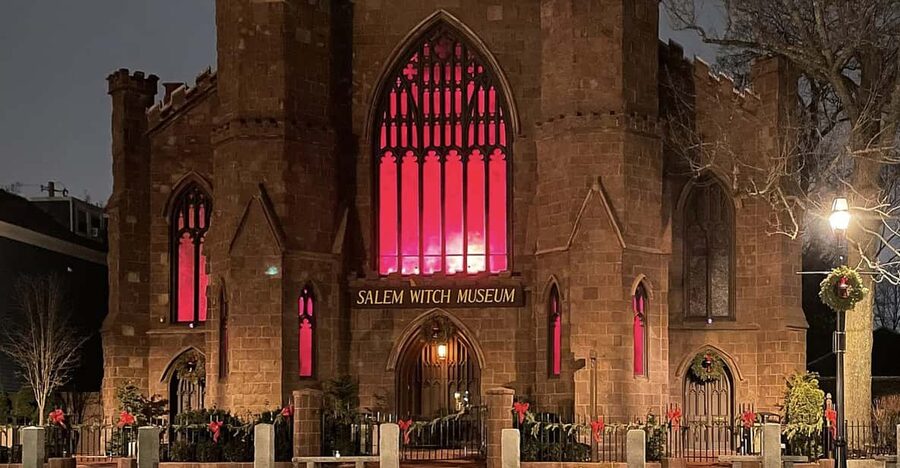
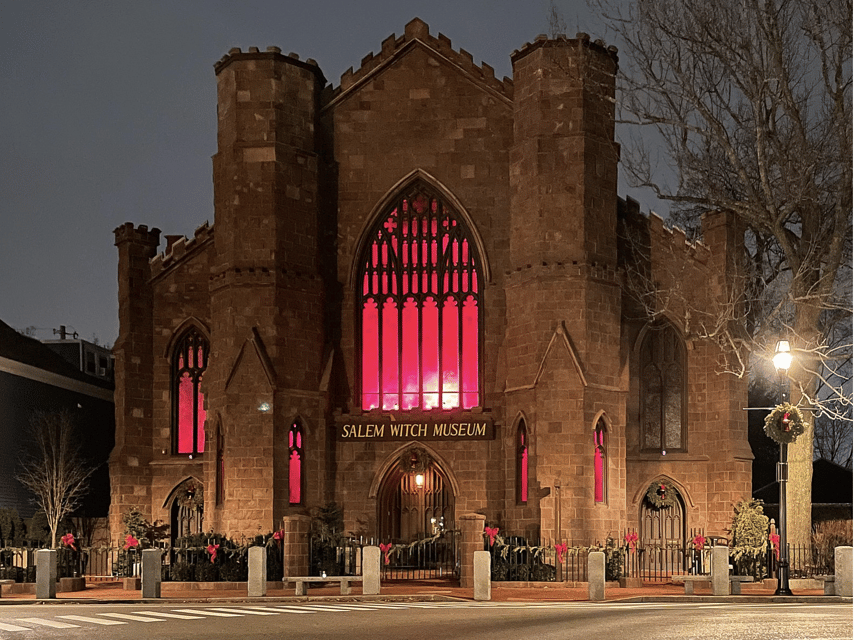
- The Salem Witch Museum: where the story gets grounded
- People behind the panic: Tituba, Hathorne, and Corwin
- House of Seven Gables: a landmark that keeps the mood serious
- The Hocus Pocus House stop: why that photo moment is worth it
- Essex Street Witch House Museum: where Judge Jonathan Corwin fits in
- Strolling Salem’s narrow streets: the architecture part that’s actually useful
- Salem Maritime National Historic Site: don’t skip the sea story
- Free time in town: use it for food and low-stress browsing
- Price and value: is $190 per person fair for an 8-hour day?
- The guide experience: live commentary that keeps the day moving
- What to bring (and what to avoid) for a smooth Salem day
- Should you book this Salem Witch Trials history tour?
- FAQ
- How long is the Salem Witch Trials history tour from Boston?
- What does the tour cost?
- What’s included with admission and activities?
- Is breakfast or lunch included?
- Will I know my pickup time in advance?
- How many people are in the group?
- What is the cancellation policy?
- Is the tour accessible for wheelchair users or people with mobility impairments?
Quick hits: what makes this Salem day trip work
- Skip-the-line admissions for several major sites so you lose less time to queues
- Small group (14 max) for easier pace and better Q&A moments
- Trial-era stops that match the story, including Essex Street’s Witch House focus
- A Salem landmark photo moment at the Hocus Pocus House area
- Maritime history at Salem Maritime National Historic Site to round out the town beyond the trials
From Boston to Salem in 8 Hours: the pacing you should expect
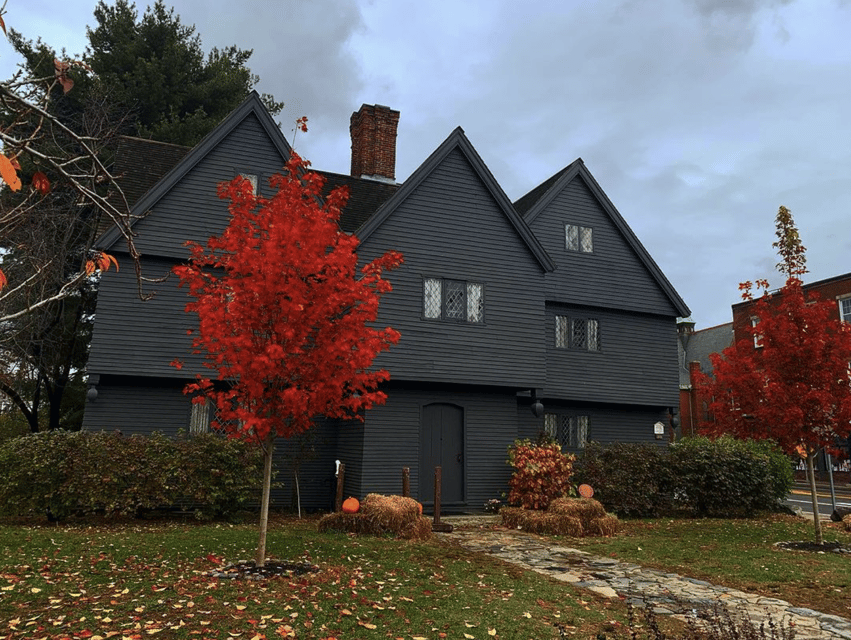
This tour runs for about 8 hours with hotel pickup and drop-off across the greater Boston area. That matters because Salem can feel like a “drive and park” kind of day on your own. Here, you trade some schedule control for a guided flow: you’ll leave Boston, settle into the story, then spend your energy where it counts—walking Salem’s streets and stepping into the sites tied to 1692.
The day starts with pickup (the exact time is confirmed the day before). If you’re the kind of person who hates rushing, plan to be ready a little early. The operator notes the driver won’t wait more than 5 minutes past the assigned pickup time, and if pickup needs to shift, they’ll contact you in advance. Also, expect timing to flex with traffic and weather. This isn’t a “glass-bottle schedule” tour.
What I like about the pacing is that it avoids the common trap of cramming only one theme. You get the Salem Witch Trials focus early and mid-day, then the maritime story later. That gives you a fuller picture of why Salem looked and felt the way it did, not just what happened during the panic.
You can also read our reviews of more tours and experiences in Boston.



The Salem Witch Museum: where the story gets grounded
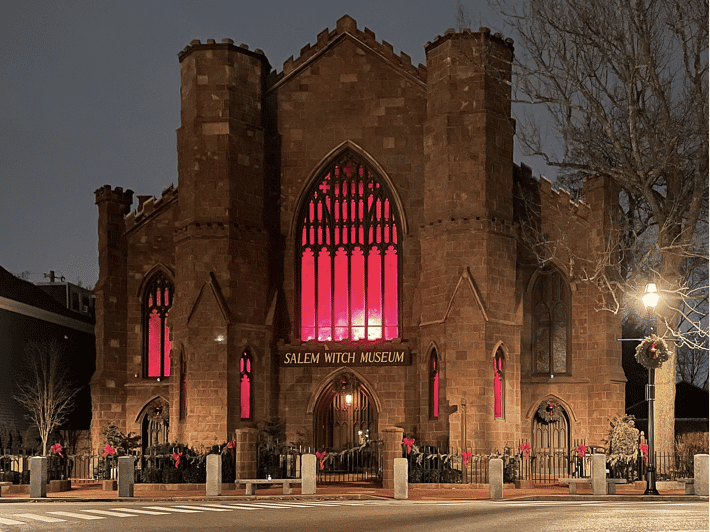
Your day includes admission to the Salem Witch Museum, plus time to browse the exhibits on your own. This is one of the best kinds of stops on a tour: you get guided context, then you can linger where your interest spikes. Some visitors love the “who said what” side of the trials; others want the broader social fear behind it. Museum time lets you follow your own curiosity without losing the thread.
For me, the key value here is how you can see trial-era Salem as a real town, not a Halloween theme. Even if you only spend part of the museum time, it helps to have that physical sense of place before you move to the street-level sites that people associate with the trials.
If you’re a first-time Salem visitor, use this as your orientation moment. Get your bearings fast inside, then step out ready to connect names and locations later in the day.
People behind the panic: Tituba, Hathorne, and Corwin
A big part of the tour’s payoff is how the guide connects individual figures to the events you’re seeing. You’ll hear about Tituba, who was accused of witchcraft, and Judge Hathorne, a central authority figure tied to the trials. The day also includes a stop focused on Judge Jonathan Corwin at the Essex Street Witch House Museum.
Why this matters: Salem’s story can sound like “one thing happened.” In reality, it was a chain reaction powered by accusations, authority, community conflict, and fear. When a guide ties names like Tituba, Hathorne, and Corwin to specific places you’ll visit, it turns a timeline into something you can track while you walk.
One practical tip: if you’re the note-taking type, jot down the names you hear most clearly during the bus ride and early stops. Those are the names you’ll want to remember when you’re standing in front of the associated locations later.
House of Seven Gables: a landmark that keeps the mood serious
Admission to the House of Seven Gables is included, which is a strong value because this isn’t a “look from the street” moment. You’ll get inside and see a preserved piece of Salem’s built environment—one that helps you feel how colonial-era wealth, architecture, and everyday life worked.
Even if you know the name from literature and pop culture, going to the actual house is different. The value isn’t only the building. It’s the contrast it offers: you can stand somewhere that represents Salem’s older prosperity and then remember that, not too far in the distance, this same town would face intense trial-era conflict.
The drawback, if you can call it that, is that this stop can slow you down if you like to read every sign. If you’re trying to keep the pace for photos and street time, skim first, then come back for details if you have energy.
The Hocus Pocus House stop: why that photo moment is worth it
Yes, there’s a Hocus Pocus House stop, and yes, it’s built around the movie connection. You’ll stop at the house and get a photo taken outside. The tour includes entry associated with this stop, but the practical highlight you should plan for is that simple photo and the chance to connect the visual pop culture version of Salem with the more historical version you’re touring that same day.
This is useful even if you don’t care about the movie. It helps most first-time visitors get their bearings. It also gives you a quick break in the emotional intensity of trial-focused sites. After heavy subject matter, a photo moment is a pressure valve.
If your camera batteries run out easily, this is a good time to check yours. Photo stops are short by nature, and you don’t want to waste the moment fiddling with chargers.





Essex Street Witch House Museum: where Judge Jonathan Corwin fits in

One of the day’s more focused stops is the Essex Street Witch House Museum, centered on Judge Jonathan Corwin. This matters because it adds another authority perspective to what you learned earlier about judges and accusations. You’re not only learning about the fear; you’re also seeing how the legal process and community structures fed it.
This stop also helps you understand why the trials were so destructive. It wasn’t just rumor spreading. It was power acting on accusations, with real consequences.
I’d treat this as another name-connection moment. If you want a “make it stick” strategy, look for what the museum says about Corwin’s role, then connect it back to the names you heard earlier like Hathorne. That mental ladder makes the whole story easier to remember after the tour ends.
Strolling Salem’s narrow streets: the architecture part that’s actually useful
Between museums, you’ll spend time walking Salem’s narrow streets. The point isn’t only charm—though the architecture is the kind you’ll notice in every direction. The useful part is that Salem’s layout makes the trial-era story feel less abstract.
You also get some glimpses of the colonial past that still resonates in the town’s look. When you’re moving from place to place with a guide, you start to see how distance, location, and neighborhood rhythms might have influenced community talk and authority movements.
Bring comfortable shoes. This is the “wearing comfort beats blaming your feet” category. You don’t need hiking boots, but don’t show up in flimsy shoes either.
Salem Maritime National Historic Site: don’t skip the sea story
Here’s where the tour becomes more than just “witch trials.” You’ll visit the Salem Maritime National Historic Site, which shows how trade and seafaring helped shape Salem into a busy port. The trials are one tragic chapter in the town’s history. The maritime story helps you understand why people lived, worked, and argued in the specific kind of place Salem was.
This stop is valuable because it changes your mental model. You come away thinking less like “theme town” and more like “real economy with real pressures.” Maritime trade ties into the way communities function, how wealth and opportunity distribute, and how strangers and rumors can circulate in tightly connected towns.
If you’re the type who tends to focus on only the headline historical events, I recommend you take this maritime section seriously. It’s what gives the day balance.
Free time in town: use it for food and low-stress browsing
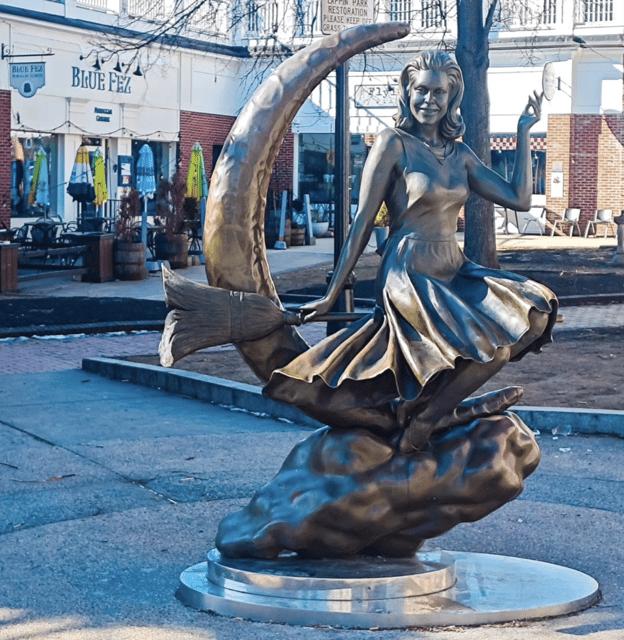
After your museum and walking time, you’ll get free time to buy souvenirs and get food before returning to the bus. Since breakfast and lunch are not included, this matters. The tour provides snacks and water, but it doesn’t replace a real meal.
Plan for this realistically. If you tend to get snacky and forget to eat, do a quick stop for a proper lunch during free time. Also, keep your shopping light: the tour has limits on luggage and bags, so don’t treat Salem like a haul day.
Price and value: is $190 per person fair for an 8-hour day?
At $190 per person for an 8-hour experience, you’re paying for three things: transportation from Boston via hotel pickup, a live guide with commentary, and admissions to multiple attractions.
On the value side, what makes the price feel more reasonable is that you’re not just paying for stories. You’re also getting entry to the Salem Witch Museum, House of Seven Gables, the Hocus Pocus House stop, and the Essex Street Witch House Museum, plus the Salem Maritime National Historic Site visit. You also get skip the ticket line benefits and included snacks and water.
The trade-off is that it’s still a one-day schedule. You won’t have unlimited time to linger in every exhibit, and you’ll be walking and listening for most of the day. If you prefer slow travel with long museum reading sessions, you might feel rushed.
But if you want a guided day that covers both Salem’s trial-era trauma and its maritime roots, the package is a solid way to do it without coordinating multiple tickets and transit steps on your own.
The guide experience: live commentary that keeps the day moving
The tour includes live commentary by the guide and is limited to 14 participants, which is a sweet spot for a bus-and-walk format. Small group matters because it lowers the chance of people getting lost in the shuffle, and it makes it easier for the guide to tailor pacing when someone has a question.
I’ve seen examples of guides adding practical extras beyond the history, like pointers for good places to eat, and that kind of local know-how can make the day feel more complete. If you’re hoping to spend your Salem free time wisely, pay attention during the drive and early stops. That’s often when the best restaurant guidance lands.
What to bring (and what to avoid) for a smooth Salem day
This tour is simple, but it’s not “anything goes.” Here are the essentials based on the operator’s rules and what helps you enjoy the day.
Bring:
- Comfortable shoes for walking on narrow streets
- A camera for the photo stop outside the Hocus Pocus House
- Weather-appropriate clothing, because New England weather can change fast
Avoid:
- Oversize luggage and large bags (the tour restricts luggage or large bags)
- Baby strollers and baby carriages
- Mobility scooters and wheelchair use
- Bikes, handcarts, coolers
- Smoking in the vehicle
- Alcohol or drugs (also noted as not allowed)
- Unaccompanied minors
Also, drinks in the vehicle are not allowed. Since snacks and water are included, you can keep your daypack light.
If you’re traveling with family, note that the tour is not suitable for children under 5 years. And if mobility is an issue, this is not designed for wheelchair users or certain mobility aids.
Should you book this Salem Witch Trials history tour?
Book it if you want one day in Salem with a structured plan that covers the major trial-era sites and also includes the maritime context you need to understand the town as more than one event. The combination of museum stops, historical streets, a focused Witch House experience, and maritime time is exactly what makes this kind of day trip work.
Skip it if you hate walking, need wheelchair-friendly access, or want a slow, reading-heavy museum day where you control every hour. Also think twice if you’re going to be hungry and don’t want to plan for lunch during the free time window.
If you’re choosing between DIY and guided, this tour is a strong “guided starter pack” for Salem. You’ll leave with clearer names, clearer locations, and a better sense of why Salem’s story still sticks to people today.
FAQ
How long is the Salem Witch Trials history tour from Boston?
The tour duration is listed as 8 hours.
What does the tour cost?
The price is listed as $190 per person.
What’s included with admission and activities?
Included items cover hotel pickup and drop-off, live guide commentary, entry to the Salem Witch Museum, House of Seven Gables, Hocus Pocus House, and Essex Street Witch House Museum, plus snacks and water. You also get skip-the-ticket-line benefits.
Is breakfast or lunch included?
No. Breakfast and lunch are not included, and you’ll have free time in Salem to get food.
Will I know my pickup time in advance?
The exact pickup time is confirmed one day before the tour. If pickup location changes, you’ll be contacted in advance.
How many people are in the group?
The group is limited to 14 participants.
What is the cancellation policy?
You can cancel up to 24 hours in advance for a full refund.
Is the tour accessible for wheelchair users or people with mobility impairments?
No. It is listed as not suitable for people with mobility impairments and not suitable for wheelchair users.